When it comes to global comfort food, few dishes command as much reverence—or spark as much culinary debate—as paella. Hailing from the sun-drenched region of Valencia, Spain, this iconic rice dish has captured the hearts and palates of food enthusiasts worldwide. Yet, as paella’s popularity has surged across international borders, so too has the temptation for home cooks and modern chefs to tinker with the recipe.
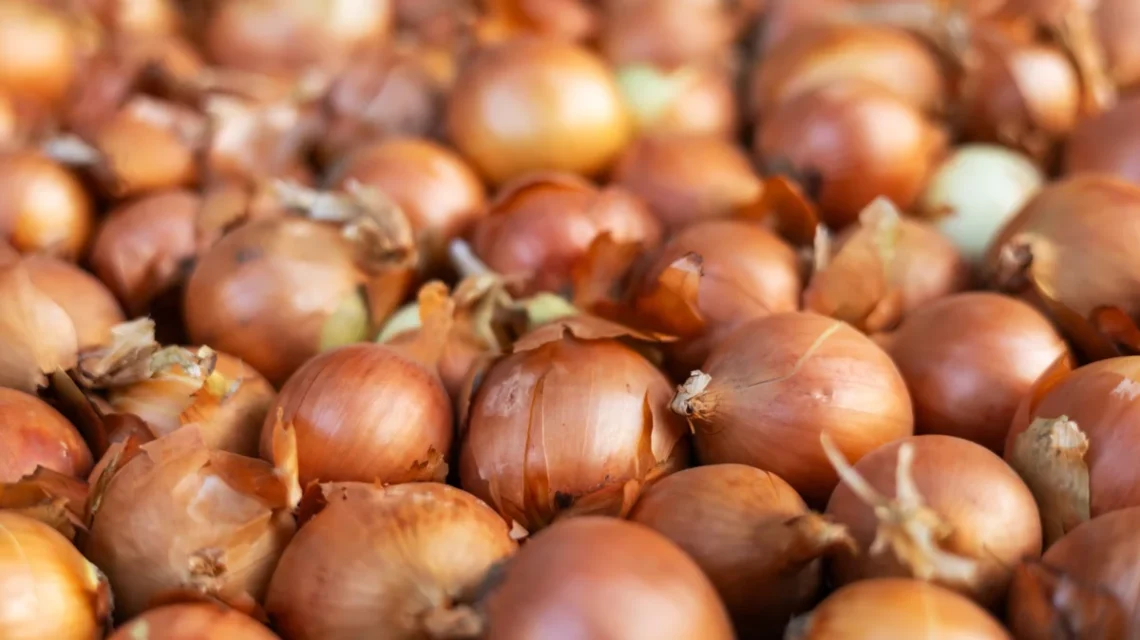
Among the most common culinary interventions is the addition of onions. While onions form the foundational flavor base—or sofrito—for countless soups, stews, and sautéed seafood dishes around the globe, traditionalists issue a strict warning: keep them away from your paella.
Understanding why this humble vegetable can ruin an otherwise masterclass-level paella requires a deep dive into the unique chemistry, strict methodology, and cultural heritage of Spain’s most famous culinary export.
Main Facts: The Science of Paella and the Onion Dilemma
To the untrained eye, making paella is similar to cooking a standard skillet of rice or a bubbling pot of risotto. In reality, preparing authentic paella is a precise science that behaves more like baking than stovetop cooking. Every ingredient, from the grain of rice to the exact volume of liquid, must be meticulously measured and accounted for.
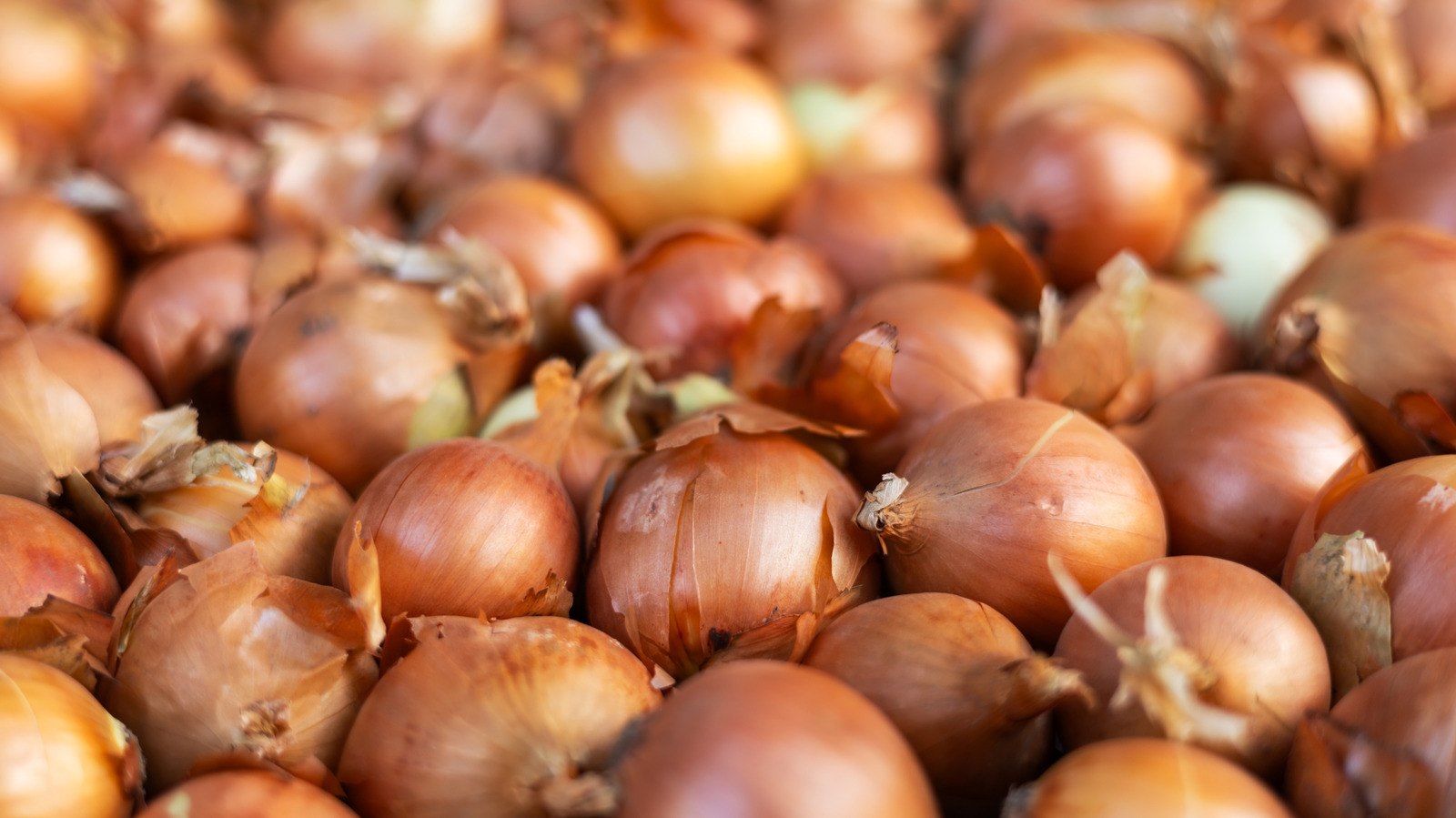
The primary argument against using onions in paella comes down to water content. Onions are crisp, juicy vegetables composed primarily of water. In dishes like French onion soup or a hearty beef stew, this moisture is easily managed; simmering or long-term braising breaks the onions down, releasing their natural sugars to enrich the broth.
In paella, however, precision is everything. Paella is designed to be a "dry" rice dish. Unlike risotto, where liquid is added gradually while stirring constantly to create a creamy, starchy emulsion, paella rice is left completely undisturbed. Once the stock is added, the rice must absorb the exact amount of liquid required to achieve a tender grain without crossing the line into mushiness.
Because onions release unpredictable amounts of water as they cook, they introduce an erratic variable into an otherwise tightly controlled equation. A home cook guessing how much internal moisture a couple of diced onions will purge runs the risk of ruining the dish’s texture. If too much liquid is released, the cook is left with two undesirable choices: overcook the rice until it dissolves into an unappealing, mushy porridge, or serve a watery seafood soup instead of a proper paella.
Compounding this issue is the golden grail of paella-making: the socarrat. This highly coveted layer of toasted, caramelized rice at the bottom of the pan requires precise heat management and the exact balance of starch and moisture. Excess water from hidden vegetables like onions acts as an enemy to the socarrat, preventing the bottom layer from crisping up properly. This is also why culinary experts vehemently advise against rinsing rice for paella; every grain must retain its surface starch to help bind the dish and achieve that iconic, crunchy crust.
Chronology: The Evolution of Paella and Modern Adaptations
From Peasant Meal to Global Phenomenon
- Early Origins (Mid-19th Century): Paella originated in the rural wetlands surrounding the Albufera lagoon near Valencia. Originally, it was a humble, outdoor meal cooked by farm laborers and field workers over open wood fires. The ingredients reflected what was immediately available: short-grain rice, olive oil, salt, water, green beans, snails, and occasionally rabbit or duck.
- The Seafood Adaptation: As the dish spread across Spain’s coastal regions, the land-based proteins were swapped out for the bounty of the Mediterranean Sea. Seafood paella (paella de marisco) emerged, featuring shrimp, mussels, clams, and squid, cooked in fish stock.
- The International Era (Late 20th to 21st Century): Paella transitioned from a regional Spanish specialty to a global culinary staple. With this globalization came a wave of adaptation. As foreign cooks sought to apply standard culinary techniques—such as starting every savory dish by sweating onions and garlic in a pan—traditional boundaries began to blur.
The Modern Culinary Clash
In recent years, food science publications and traditional Spanish chefs have increasingly pushed back against "inauthentic" shortcuts. Social media and digital food platforms have amplified the debate, highlighting the friction between traditional Valencian standards and international adaptations. The consensus among purists has hardened: while culinary creativity is encouraged in many spheres, altering the foundational moisture balance of paella by introducing onions crosses a line that compromises the structural integrity of the dish.
Supporting Data: Flavor Profiles and Moisture Content
When culinary traditionalists ban onions from the paella pan, they are not suggesting that the dish should lack depth or savory complexity. On the contrary, authentic paella achieves rich, hearty flavor profiles through alternative, moisture-controlled methods.
1. Controlled-Moisture Vegetables
Rather than relying on watery, translucent vegetables like onions, traditional recipes incorporate firm vegetables and those with durable skins. These include:
- Flat green beans (bajoqueta or judías verdes).
- Butter beans or lima beans (garrofó).
- Bell peppers (sliced or roasted).
Because these vegetables possess tougher cellular structures or lower free-water content, they can be thoroughly sautéed at the beginning of the cooking process. This allows them to develop a deep, golden, roasted flavor and rich hues without collapsing into a watery mush when the stock is added. Furthermore, as these vegetables brown in the pan, they leave behind flavorful fond—the caramelized bits stuck to the bottom of the steel pan—which is subsequently deglazed by the stock, building intense layers of flavor from the ground up.
2. Whole Proteins and Natural Collagen
Another hallmark of authentic paella is its fearless reliance on whole proteins. Whether making a traditional Valencian meat paella or a coastal seafood variant, top-tier batches utilize ingredients that many modern convenience-cooks might discard:
- Shrimp and mussel shells
- Chicken bones
- Fish heads and frames
These components are packed with natural collagen, gelatin, and intense umami flavors. When simmered into the stock or cooked directly within the paella pan, these elements infuse the short-grain rice with profound richness. While peeling whole shrimp or picking through mussel shells at the dinner table might make for a slightly messier dining experience, the payoff in flavor is exponentially higher than anything a diced onion could provide.
Official Responses and Culinary Perspectives
The debate over what constitutes an authentic paella is taken very seriously in Spain, where culinary heritage is a matter of cultural pride.
- The Valencian Culinary Community: Regional food organizations and master paelleros (paella chefs) in Valencia maintain strict guidelines regarding acceptable ingredients. According to cultural preservation groups, an authentic Valencian paella features specific rice varieties (such as Bomba, Senia, or Albufera), extra virgin olive oil, water, salt, saffron, rabbit, chicken, flat green beans, and garrofó beans. Onions are universally absent from these foundational registries.
- International Chefs and Food Scientists: Prominent culinary educators and food science writers have increasingly supported the anti-onion stance. Food science breakdowns emphasize that cooking is chemistry; when dealing with starchy grains that rely on precise liquid absorption ratios, introducing a high-moisture vegetable without adjusting the liquid formula introduces an unnecessary failure point.
- The Fusion Counter-Argument: Conversely, some modern and fusion chefs argue that paella—having evolved from a peasant "catch-all" meal born of necessity—should naturally adapt to the pantries of those cooking it globally. However, even proponents of culinary evolution generally concede that if onions are used, they must be cooked down painstakingly long beforehand to drive off excess moisture, though purists still maintain this defeats the structural purpose of the dish.
Implications: Preserving Heritage vs. Culinary Evolution
The ongoing discourse surrounding onions in paella highlights a broader, fascinating tension in the culinary world: the balance between strict tradition and personal adaptation.
For the Home Cook
For everyday cooks, the lesson is clear. If you want to achieve the authentic texture, distinct rice grains, and coveted socarrat of a true Spanish paella, leave the onions in the pantry. Respecting the moisture chemistry of the dish will yield a dramatically better result than forcing a standard sofrito base where it does not belong. Rely instead on rich stocks, whole proteins with bones and shells, and properly browned sturdy vegetables to build depth.
For Restaurant Culture and Gastronomic Tourism
As global diners become increasingly knowledgeable about regional cuisines, authenticity acts as a major selling point. Restaurants that market authentic regional dishes face strict scrutiny from food enthusiasts. For chefs and restaurateurs, adhering to traditional rules—such as omitting onions from paella—signals a respect for cultural heritage and culinary history that elevates the dining experience.
Ultimately, whether viewed through the lens of strict food science or cultural preservation, the rule against onions in paella serves as a reminder that great cooking often requires restraint. By letting the core ingredients—rice, stock, saffron, and protein—speak for themselves, cooks can honor a centuries-old tradition and deliver a flawless culinary masterpiece.