
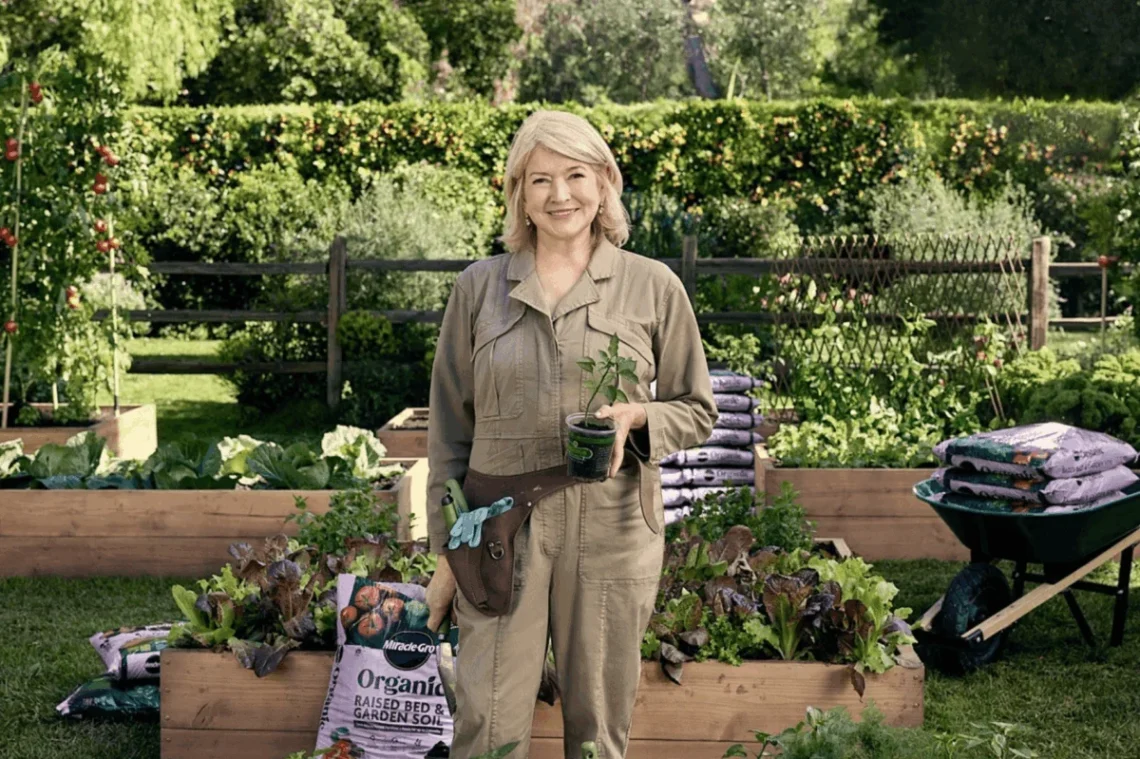
At 85 years old, Martha Stewart remains the undisputed matriarch of American lifestyle, an empire-builder who has successfully synthesized the disparate worlds of high-fashion socialite, culinary titan, and agrarian expert. Yet, for all her high-profile media appearances and jet-setting lifestyle, her heart remains anchored at Bedford Farm, her expansive New York estate. Stewart, who recently assumed the role of Chief Gardening Officer for Miracle-Gro, is proving that her "green thumb" is not merely a hobby, but a rigorous, science-backed discipline.
While the rest of the world may view autumn as a time for "cozy hibernation," Stewart’s fall routine is far more ambitious. Speaking exclusively with Brit + Co, she characterized her current seasonal shift not as a wind-down, but as a "four-acre woodland construction project." Her approach to gardening—a blend of obsessive attention to detail, organic principles, and long-term environmental stewardship—offers a blueprint for gardeners of all levels to master their own patch of earth.
The Chronology of the Harvest: A Bedford Farm Case Study
For Stewart, the transition from summer to autumn is defined by a frantic, delightful intensity. The Bedford Farm gardens are currently in a state of high production, a testament to what Stewart calls "controlled chaos."
"We’re doing giant yellow, red, and purple peppers, all the hot spicy peppers," Stewart notes. "We’re doing okra. We have eggplants. So many eggplants." This abundance is not left to wither; it is carefully curated for the kitchen. The sheer volume of eggplant currently being harvested from her raised beds is destined for high-end culinary transformation, specifically a miso-glazed eggplant recipe curated by her close friend and legendary chef Nobu Matsuhisa. Meanwhile, the peppers are being diverted toward artisanal ratatouille and stuffed pepper recipes, reinforcing her philosophy that the garden should be an extension of the larder.
However, the season is not without its trials. Stewart recently celebrated a long-awaited horticultural victory: the successful cultivation of giant heads of iceberg lettuce. After years of experimentation, she has finally unlocked the specific soil and moisture conditions required to produce a crop that is as crisp as it is aesthetically perfect, marking a milestone in her personal gardening journey.
The Four-Acre Vision: A Blueprint for Biodiversity
Perhaps the most significant undertaking at Bedford Farm this autumn is the development of a four-acre woodland. This is not a simple planting of saplings; it is a long-term architectural project. Stewart has been cultivating trees from cuttings for years, some of which have already reached heights of five to eight feet.
"We’re doing sort of a crowded forest," she explains. This dense planting strategy is intentional. By creating a multi-layered, high-density woodland environment, Stewart aims to provide a robust habitat for local pollinators, birds, and beneficial insects. This initiative reflects a broader shift in her gardening philosophy: moving away from purely decorative landscape management toward ecological restoration. By prioritizing native and hardy species, she is building an ecosystem designed to thrive independently of human intervention over time.
Supporting Data: The Science of Seasonal Preparation
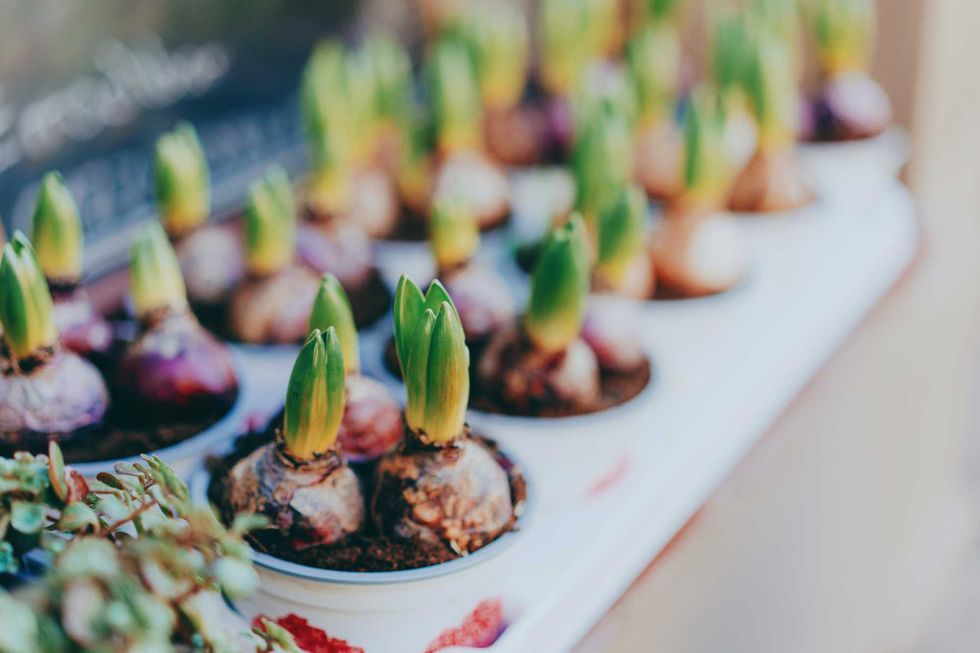
Beyond the immediate harvest, Stewart is deeply engaged in the scientific requirements of fall preparation. Her current agenda includes the meticulous planting of spring-blooming bulbs—lilies, daffodils, crocus, and scilla.
The rationale here is rooted in botanical necessity: these bulbs require a full period of dormancy in the cold earth to trigger their spring bloom cycle. Stewart emphasizes that this is not a guessing game. Her primary directive for home gardeners is a strict adherence to climate zoning. "Know your climate zone before you buy anything," she cautions. Her rule is absolute: avoid the vanity of trying to force tropical or temperate plants into environments where they are biologically destined to fail, such as attempting to grow a lemon tree in a climate that cannot support its metabolic needs.

Official Stance: The Organic Imperative
As Chief Gardening Officer for Miracle-Gro, Stewart’s influence extends to the products and philosophies she endorses. Despite her corporate affiliations, her personal methodology remains strictly organic and non-interventionist regarding chemical inputs.
"I have fences and I do not use pesticides. I’m an organic gardener," she confirms. Her pest management strategy is physical rather than chemical, relying on structural barriers to prevent wildlife damage rather than synthetic poisons. This ethos extends to her maintenance schedule, which is governed by the principle of keeping the earth "clear" around every plant to discourage weed competition and disease.
This approach serves as a reminder that even at the highest levels of professional gardening, the fundamental principles of soil health and plant hygiene remain the most effective tools in a gardener’s arsenal.

Implications for the Home Gardener: Scaling Down
For those without the vast acreage of Bedford Farm, Stewart’s advice is both pragmatic and encouraging. She acknowledges that gardening is often constrained by geography, particularly for apartment dwellers. For these gardeners, she advocates for the "indoor forest" model.
"Houseplants are a big hobby for a lot of people now," she notes. Her recommendations include a mix of cacti, succulents, ferns, and orchids. However, she is refreshingly candid about the common pitfalls of indoor gardening. The primary takeaway from her advice is to separate the myth of the "easy plant" from the reality of plant health. She warns that "easy to grow" and "beautiful" are not synonyms.
For the orchid enthusiast, her secret is not found in complex fertilizers or expensive equipment, but in the most overlooked aspect of plant care: consistency. "Buy healthy plants and just keep caring for them consistently," she advises. This mirrors her broader philosophy—that the success of a garden is not measured by single, dramatic interventions, but by the daily, disciplined rhythm of observation and maintenance.
Conclusion: The Endurance of the Green Thumb
Martha Stewart’s enduring appeal lies in her ability to demystify complexity. Whether she is discussing the nuances of soil composition for a four-acre woodland or the humidity requirements of a single indoor orchid, she maintains a tone of accessible expertise.
As she approaches her 85th year, her continued commitment to the physical labor of gardening—the weeding, the pruning, the planting—serves as a powerful implication for the future of the hobby. Gardening, in Stewart’s view, is not a sedentary activity but a lifelong, active pursuit that keeps the mind sharp and the body engaged.
By grounding her practice in climate-specific knowledge, organic ethics, and a deep, intellectual curiosity about the natural world, Stewart continues to redefine what it means to be a "green thumb." Her fall routine is more than just a seasonal chore list; it is a masterclass in how to engage with the earth in a way that is both productive for the home and restorative for the planet. For the amateur gardener looking to evolve, the message is clear: start with your zone, keep your soil clean, and approach your garden—no matter how small—as a long-term project of growth and discovery.