For nearly two decades, the digital culinary landscape has played host to a specific kind of impassioned evangelism. When a home cook, recipe developer, and culinary chronicler falls in love with a new flavor profile, the internet hears about it. Over the past twenty years, this digital space has charted a deliberate chronology of spirited infatuations: the easy-revelry of summer Porch Swings; seasonal Blood Orange Margaritas; a deeply entrenched, decade-long devotion to the Perfect Manhattan; a Boulevardier phase woven into the fabric of almost every intervening year; and, most recently, the vibrant, icy bite of a Slushy Paper Plane.
Yet, as the chill of late winter yielded to the bright, uncertain dawns of spring, a new classic took center stage: the Sidecar. A legendary libation born in the Roaring Twenties, this cocktail arrives steeped in as many conflicting, colorful origin stories as a playground fable. Beyond the lore, however, lies a masterclass in balance—a historical drink that continues to captivate modern palates through its sophisticated interplay of warmth, citrus, and sweet restraint.
Main Facts: Anatomy of a Classic
At its core, the Sidecar is a member of the "daisy" family of cocktails—a classic format consisting of a base spirit, an orange liqueur for sweetness, and citrus juice for acidity. Often described by contemporary mixologists as the "French cousin of the margarita," the traditional Sidecar swaps the earthy bite of tequila for the rich, velvety warmth of French cognac, brightens the profile with fresh lemon juice, and rounds out the edges with an orange liqueur, historically Cointreau.
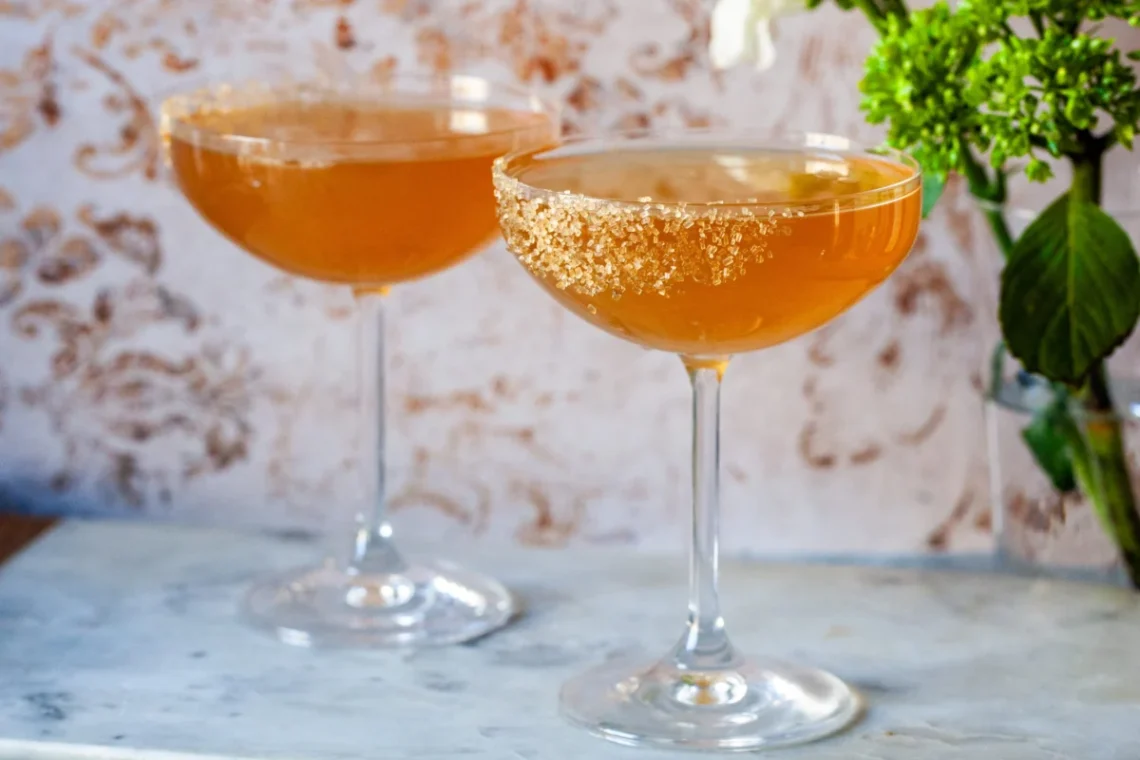
Traditionally, the drink is served in a stemmed glass adorned with a glistening sugared rim. While purists occasionally debate the necessity of the sugar—arguing that the orange liqueur provides ample sweetness on its own—the sensory appeal of raw sugar catching the light remains an integral part of the presentation. It is a cocktail that demands precision, relying on a vigorous, ice-cold shake to marry its robust components into a seamless, refreshing whole.
Chronology: The Murky Origins of a 1920s Icon
To trace the history of the Sidecar is to navigate a labyrinth of contradictory anecdotes, aristocratic hotel bars, and World War I folklore. Because the cocktail emerged during a period of immense global upheaval and subsequent cultural renaissance in Europe, pinpointing its exact invention is nearly impossible. However, culinary historians generally look to two primary narratives that have survived a century of storytelling.

The WWI Captain and His Motorcycle
The most widely circulated—and undeniably the most amusing—origin story places the drink’s genesis in Paris during the final years of the First World War. According to this legend, an American army captain stationed in the French capital was a man of distinct habits. He would famously arrive at his favorite watering holes—variously identified by different chroniclers as the prestigious Hôtel Ritz Paris or the legendary Harry’s New York Bar—chauffeured in the sidecar of a motorcycle.
Naturally, this theatrical mode of transit raised logistical questions (most notably: Who was doing the driving?), but the captain’s presence quickly became a fixture of the establishment. He developed a penchant for a specific restorative concoction: a robust mix of cognac, orange liqueur, and fresh lemon juice. Eventually, enchanted by his vehicular quirk, the bartenders behind the stick christened the drink in honor of his preferred ride.
The Leftover Shake
A competing, albeit far more prosaic, theory focuses on the mechanics of bartending itself. In this version of events, a resourceful bartender, faced with a surplus of shaken ingredients that could not quite fit into a primary glass, poured the excess liquid into a smaller, secondary vessel—referred to in the trade as the "sidecar."
While this utilitarian explanation strips the drink of its romantic Parisian sheen, skeptics and romantics alike tend to prefer the motorcycle narrative. Regardless of which version holds water, both tales cement the cocktail’s identity as a product of post-war ingenuity and 1920s high style.
Supporting Data: Ratios, Variations, and Modern Interpretations
In the world of mixology, ratios dictate success. The classical blueprint for a Sidecar has long adhered to a strict 2:1:1 proportion: two parts spirit, one part orange liqueur, and one part citrus juice.

However, contemporary palates—and individual kitchen experiments—often invite subtle calibration. Modern adaptations frequently scale back the lemon juice ever so slightly, shifting the balance to let the complex, oak-aged notes of the cognac shine through without inducing a wince from excessive acidity.
The Evolution of the Base Spirit
While cognac or high-grade brandy remains the undisputed king of the traditional Sidecar, mixology is an evolving discipline. Recent craft cocktail trends have demonstrated the formula’s remarkable versatility. For instance, substituting the French brandy with a robust, high-rye bourbon yields a surprisingly harmonious variant. Recent excursions to regional establishments—such as Albany Ale & Oyster—have highlighted how a well-crafted bourbon Sidecar can honor the original’s structural integrity while offering a distinctly American, caramel-forward warmth.
The Recipe: Crafting the Ideal Sidecar
For those looking to recreate the experience at home, the process requires only a handful of quality ingredients and a willingness to embrace the chill.
-
Ingredients:
- 2 oz Cognac (or a quality brandy/bourbon)
- 1 oz Cointreau (or triple sec)
- 3/4 oz Freshly squeezed lemon juice (adjusted slightly downward from the traditional 1 oz for balance)
- Raw sugar (optional, for the rim)
- Ice
-
Method:

- The Rim: If desired, take a wedge of fresh lemon and swipe it along the outer rim of a chilled coupe or cocktail glass. Roll the moistened edge gently in raw sugar until it glistens.
- The Shake: Combine the cognac, Cointreau, and fresh lemon juice in a cocktail shaker or a sturdy glass jar filled generously with ice. Shake with vigorous enthusiasm until the vessel feels unpleasantly cold to the touch—ensuring proper dilution and maximum chilling.
- The Pour: Strain the liquid through a fine-mesh strainer into the prepared glass.
Official Responses and Industry Perspectives
The enduring appeal of the Sidecar has not gone unnoticed by the broader culinary and hospitality industry. Professional bartenders and spirits educators frequently point to the drink as a vital stepping stone in understanding the mechanics of pre-prohibition and prohibition-era mixology.
"The Sidecar is the ultimate bridge between heavy, warming spirits and bright, refreshing citrus," notes a prominent beverage director in Paris. "It proves that historical cocktails aren’t museum pieces; they are dynamic formulas that can be adapted to modern tastes without losing their foundational soul."
Furthermore, culinary critics have praised the drink’s resilience in the face of modern cocktail trends dominated by elaborate syrups and esoteric ingredients. In an era where mixology can sometimes feel over-engineered, the Sidecar stands as a testament to the power of three simple ingredients working in absolute harmony.
Implications: Why the Sidecar Matters Today
The modern resurgence of the Sidecar is more than just a passing seasonal trend; it reflects a broader cultural desire for connection to history, craftsmanship, and tactile experiences in the kitchen and bar.
In a digital age defined by instant gratification and algorithmic efficiency, the ritual of crafting a Sidecar—squeezing fresh citrus, measuring exact ratios, frosting a rim with raw sugar, and shaking ice until one’s hands ache—offers a welcome tactile anchor. It requires patience, mindfulness, and a modest celebration of the everyday.

Whether one subscribes to the legend of the World War I captain arriving in a cloud of exhaust and bravado, or simply appreciates the sharp, citrusy kick of a well-balanced daisy, the Sidecar remains a monument to timeless taste. As we pour our next round and watch the raw sugar catch the afternoon light, we are reminded that some things are worth being bossy about. Cheers.