Italian wine is a cultural monument that requires no introduction. From the mist-covered slopes of Piedmont to the sun-drenched volcanic soils of Sicily, the peninsula’s viticultural output is a global benchmark for quality and heritage. Yet, the industry currently finds itself at a pivotal crossroads. As global wine markets face the triple headwinds of shifting consumer demographics, the undeniable impact of a warming climate, and a volatile geopolitical and economic landscape, the Italian wine sector is recalibrating its approach.
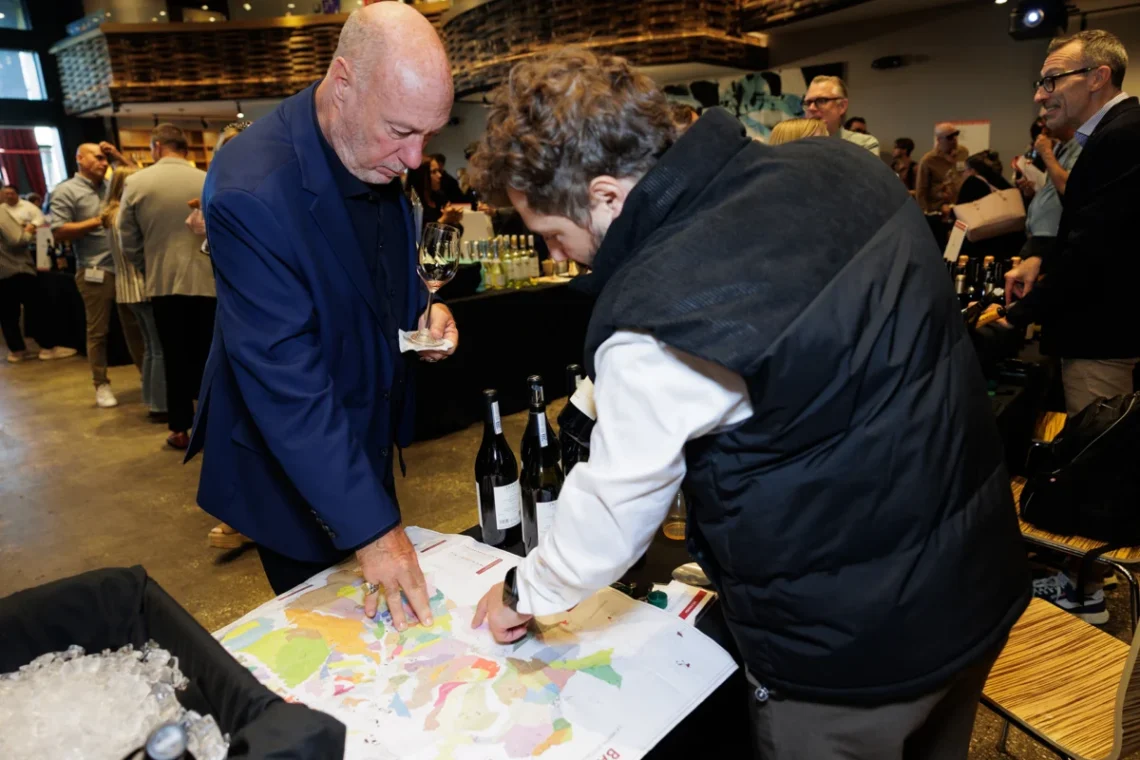
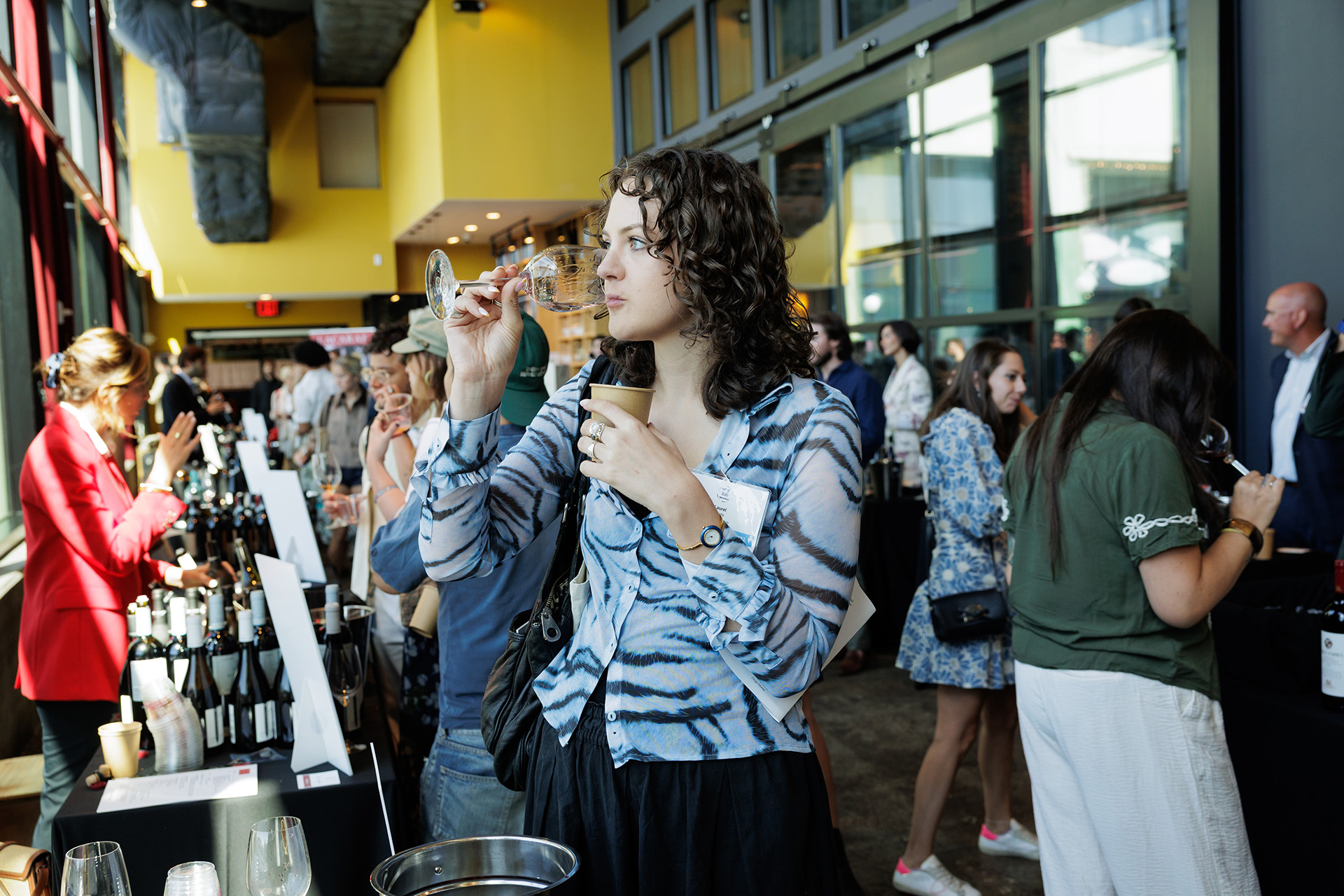
On September 14, at New York City’s City Winery, Wine Enthusiast convened its third-annual "Sip of Italy" event. The gathering served as both a celebration and a laboratory, bringing together trade professionals, sommeliers, and producers to dissect the trajectory of the Italian wine industry. Through a series of expert-led panels and a sprawling tasting floor featuring over 100 producers, the event illuminated a path forward—one that balances the preservation of tradition with the agility of modern innovation.
The Core Philosophy: Let Italy Be Italy
The central thesis emerging from the Sip of Italy summit was rooted in authenticity. As industry veterans grapple with how to appeal to Gen Z and millennial consumers—audiences that frequently prioritize experiential engagement over dusty labels and historical pedigree—the message from the experts was unanimous: stop over-complicating the narrative.
Salvatore Napolitano, executive managing director of Terlato’s Italian portfolio, captured the sentiment succinctly: “Italy is a state of mind. That’s the secret.” For Napolitano, the strength of Italian wine lies in its inherent "conviviality"—the act of sharing, engaging across diverse social backgrounds, and using wine as a conduit for human connection.
This sentiment was echoed by Michael Duffy, a prominent sommelier and wine director at the forthcoming restaurant Humm. Duffy argued that the industry must resist the urge to conform to sterile global standards. “Italy needs to let itself be Italy,” he noted. “Wine is food. Whether it is a $20 bottle of Gaglioppo or a storied, cellar-aged icon worth thousands, it belongs on the table. The pretension needs to be stripped away.”
The Democratic Nature of Terroir
Napolitano further emphasized that Italy’s unique political and geological history has inadvertently gifted it a "democratic" wine scene. Because Italy’s unification is relatively recent, the country lacks a single, monolithic voice. Instead, it possesses a fragmented, beautiful array of regional identities. “Geologically speaking, we have one of the most unique terroirs in the world,” Napolitano observed. “We are great farmers because we speak to the land.”
Exploring the New Frontier: Beyond the Classics
A significant portion of the discourse focused on the shifting map of Italian production. While Tuscany and Piedmont remain the engines of Italian wine commerce, the panelists identified "less-famous" regions as the critical frontier for growth.
A Geographic Shift Driven by Necessity
Duffy pointed specifically to Alto Adige, Valle d’Aosta, and the expansive regions of Southern Italy as the areas most primed for future discovery. This shift is not merely a marketing trend; it is a response to environmental reality. Climate change is altering the traditional growing cycles of the Mediterranean, pushing producers toward higher altitudes and cooler northern latitudes to maintain the acidity and balance essential to fine wine.

Creating the Market
The strategy for these regions, according to Duffy, involves a proactive stance. During his tenure at the acclaimed New York City restaurant Rezdora, Duffy made the bold decision to remove international grape varieties from his by-the-glass program. “We can’t just respond to the market,” he insisted. “We have to create the market where it doesn’t exist.” By championing obscure, indigenous varieties over global stalwarts like Cabernet Sauvignon or Chardonnay, importers and restaurateurs can foster a deeper, more specialized appreciation for the Italian landscape.
Gastronomy as the Marketing Engine
If Italian wine is food, then the most effective marketing strategy is the plate. Michael Laudenslager, a Wine Enthusiast writer-at-large specializing in the regions of Tuscany, Southern Italy, and Sardinia, argued that the industry’s greatest untapped potential lies in "regional pairing education."
“There should be a shift toward wine as a part of everyday life,” agreed Valerie Pimpinelli, general manager and buyer for Flatiron Wines & Spirits. The industry is beginning to move away from technical jargon—which can alienate the casual consumer—toward a more holistic, lifestyle-oriented approach.
Bridging the Gap
The goal is to move the conversation from "What is the pH level of this bottle?" to "What local dish should I pair this with?" By linking Ligurian wines to pesto, or Campanian whites to bufala mozzarella, the industry provides a cultural context that makes the wine feel accessible, necessary, and, above all, enjoyable.

Addressing the "TL:DR" Culture
A recurring tension during the event was the balance between accessibility and depth. While there is a push to make wine less intimidating, experts warned against the "TL:DR-ification" (Too Long; Didn’t Read) of the industry.
“A cultural trend we should all fight is the idea that people don’t want to engage with a serious book or a long story,” said Duffy. “That’s thinking the consumer is stupid.”
However, the panel distinguished between engagement and technical overload. Pimpinelli noted that while consumers appreciate a narrative about a family-owned estate or the history of a hillside vineyard, they are largely indifferent to the minutiae of barrel size or fermentation chemistry. "It almost diminishes the pleasure," she noted. The challenge, then, is to tell a compelling story that honors the winemaker’s craft without turning a casual dinner into a chemistry lecture.
The Rise of the Ready-to-Drink (RTD) Category
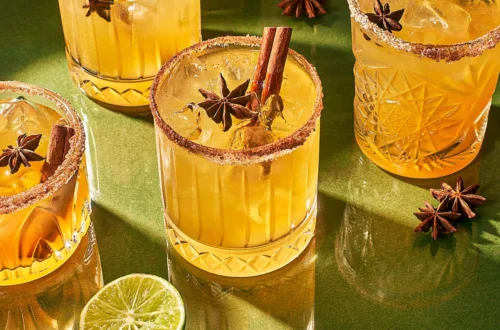
Perhaps the most visible sign of innovation on the tasting floor was the proliferation of bottled wine cocktails. The aperitivo culture, long a staple of the Italian lifestyle, is being exported to the U.S. in the form of high-quality, ready-to-drink (RTD) mimosas, bellinis, and spritzes.

Changing Consumer Preferences
These products cater to a modern desire for lower-ABV (alcohol by volume) options. Typically ranging from 4% to 7% ABV, these beverages provide a light, refreshing alternative to high-octane wines.
The Canella family, pioneers in this space, were instrumental in the shift. Having produced bottled bellinis since 1988, they have successfully scaled their operation to include partnerships with major retailers like Costco’s Kirkland brand. Alvise Canella, representing the third generation of the family business, emphasized that the success of these products hinges on ingredient integrity. By avoiding added sugars and relying on natural fruit profiles, they have moved away from the "soda-pop" stigma once associated with pre-mixed drinks.
The appetite for these formats is growing rapidly. Importers at the event noted that the next phase of this trend will likely involve "miniaturization"—the introduction of 187ml formats designed for convenience and portion control, mirroring the success of premium canned wine segments in the U.S. market.
Implications for the Future
The Sip of Italy event provided a clear roadmap for the industry. To survive and thrive in the coming decade, the Italian wine sector must embrace three pillars:

- Cultural Integration: Continue to position wine as an essential component of the dining experience, rather than a luxury commodity reserved for special occasions.
- Regional Diversification: Invest in the promotion of "frontier" regions and indigenous varietals that are better suited to a changing climate and offer consumers the novelty they crave.
- Authentic Storytelling: Replace technical, inaccessible data with rich, human-centered narratives that respect the consumer’s intelligence while prioritizing the joy of the product.
As the global market continues to fluctuate, the Italian industry is betting that its greatest strength remains its history. By leaning into the "state of mind" that Salvatore Napolitano described, Italy can ensure that its wines remain not just relevant, but essential to the evolving palates of the next generation. Whether through a high-end Barolo or an accessible, ready-to-drink bellini, the goal remains the same: to bring people together, one glass at a time.