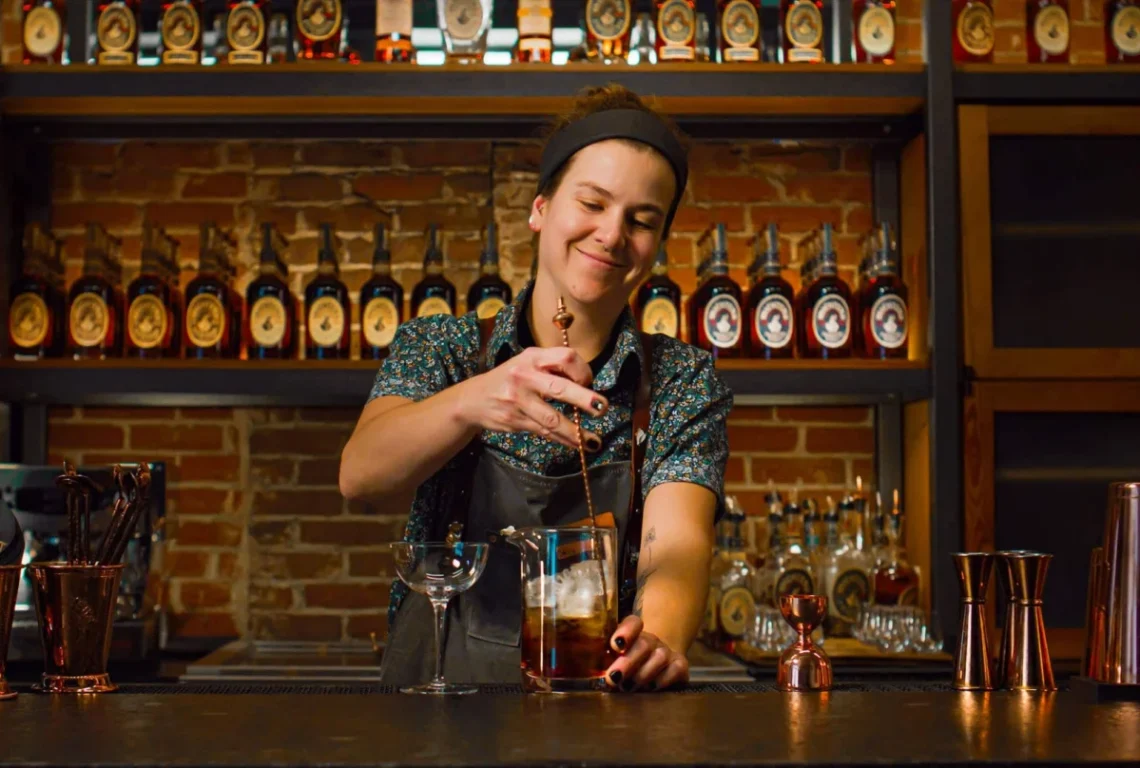
Louisville, Kentucky, is universally celebrated as the mecca of American whiskey. Steeped in history, tradition, and the amber-hued allure of the Kentucky Bourbon Trail, the city welcomes millions of visitors annually who come to pilgrimage through iconic distilleries, savor barrel-proof pours, and learn the art of the craft. Yet, even the most devoted whiskey enthusiast eventually seeks a palate cleanser. When the warmth of oak and corn begins to blur, Louisville’s dynamic, forward-thinking hospitality community offers an unexpected refuge of tiki drinks, world-class Belgian beers, agave-forward mixology, and eclectic neighborhood dives.
To uncover the true pulse of Derby City’s non-bourbon drinking culture, we consulted local industry insiders and Paul Clarke, editor-in-chief of Imbibe magazine and a frequent flyer to Louisville. What emerges is a portrait of a city where world-class talent, international flavors, and uncompromising hospitality intersect to create one of the most vibrant drinking scenes in the American South.
The Main Facts: A Paradigm Shift in Louisville’s Drinking Culture
For decades, the narrative surrounding Louisville’s bar scene was inextricably linked to the Manhattan and the Old Fashioned. While those classics remain foundational—and are executed with reverence across the city—the past ten years have witnessed a quiet revolution. Acclaimed bartenders from major metropolitan markets like New York, Chicago, and New Orleans have relocated to Louisville, drawn by the city’s lower cost of living, collaborative creative community, and passionate drinking public.
Today, Louisville is no longer a one-note whiskey town. It is a diverse ecosystem featuring dedicated mezcal bars, subterranean cocktail dens, tropical hideaways, and Michelin-caliber gastropubs. This evolution does not reject bourbon; rather, it contextualizes it, offering locals and tourists alike a comprehensive spectrum of libations ranging from crystal-clear cane spirits to meticulously poured European lagers.
Chronology of a Renaissance: How Louisville Expanded Its Palate
The transformation of Louisville’s broader beverage landscape did not happen overnight. It is the result of a deliberate, decade-long expansion driven by visionary operators and industry pioneers.
- The Early 2010s (Laying the Groundwork): Longstanding institutions like Proof on Main set the stage by combining high-concept art with serious cocktail programs, proving that Louisville diners were ready for more than standard call drinks. Concurrently, establishments like Holy Grale opened their doors, introducing the city to the sacred traditions of Belgian brewing and reshaping neighborhood drinking culture in the Highlands.
- The Mid-2010s (The Craft Wave): As the national cocktail renaissance hit its peak, Louisville saw an influx of industry veterans. Neighborhood staples like The Pearl of Germantown established deep roots, offering elevated dive-bar culture paired with unpretentious hospitality, while spots like The MerryWeather carved out a niche for industry professionals looking for a post-shift sanctuary.
- The Late 2010s to Present (Global Influences and Specialization): The most recent chapter of Louisville’s drinking history is defined by hyper-specialization and global flavors. The opening of destinations like The Bar at Fort Nelson brought historic mixology back to Main Street, while newer culinary and beverage hubs in Butchertown—such as MoonDog, Tartan House, and Yachtsea—have transformed the neighborhood into a walkable oasis for Asian-inspired cocktails, rare Scotch whiskies, and frozen nautical potables.
Supporting Data: Where to Drink Beyond Bourbon
To help travelers and locals navigate this renaissance, here is a comprehensive breakdown of Louisville’s premier non-bourbon drinking destinations, curated by top industry experts and culinary journalists.
1. The Bar at Fort Nelson
- Location: Second floor of the Michter’s Fort Nelson Distillery
- The Vibe: Elegant, historic, and meticulously curated.
- The Highlights: Situated above the distillery floor, this sophisticated space marries Michter’s storied whiskey heritage with a classic cocktail menu curated by renowned cocktail historian and author David Wondrich. Alongside spirit-forward classics, the modern menu shines with creations like the Spellbound—a refreshing blend of gin, blanc vermouth, basil, green Chartreuse, and fresh lemon juice.
- Note: The bar operates on early hours, welcoming guests from noon to 8:00 PM.
2. Hell or High Water
- The Vibe: Subterranean, theatrical, and exceptionally polished.
- The Highlights: Helmed by beverage director Lindsay Matteson—whose impressive resume includes stints at legendary establishments like Amor y Amargo, Canon, and Pouring Ribbons—this bar brings world-class technique to downtown Louisville. As Paul Clarke notes, Matteson "is bringing all of that stuff to the ’Ville." The seasonally updated menu is cleverly dichotomized into "Hell" drinks (stirred, spirit-forward, and robust, such as an agave-based Old Fashioned) and "Highwater" drinks (shaken, bright, and fruit-forward, like their popular strawberry-infused colada). Guests can also explore curated flights of whiskey, mezcal, and vintage spirits.
3. Holy Grale
- The Vibe: Reverent, European-inflected, and architectural.
- The Highlights: Housed across two floors of a former Unitarian chapel house in the Highlands neighborhood, Holy Grale is praised by Clarke as "one of the best beer bars anywhere, with a strong Belgian tilt to the menu." Featuring 21 rotating taps inside and another six in the lush outdoor beer garden (open spring through fall), the bar honors traditional brewing and proper service. "We’ve always approached the list with a reverence for tradition, proper service, and the culture surrounding the beer itself," explains co-owner Lori Beck.
4. The MerryWeather
- The Vibe: High-energy, inclusive, and unashamedly fun.
- The Highlights: Located in Germantown, this dive bar is the ultimate industry hangout. It famously offers chilled shots of Angostura bitters and frosty, machine-chilled Malört shots for the adventurous. For those seeking something sweeter, the menu features a Pandan Painkiller and the Aperol Blitz—a vibrant cocktail slushie blending aperitif, rums, strawberry, passion fruit, and grapefruit. "It’s really fun in there," says Meredith Wright of Hell or High Water.
5. MoonDog
- The Vibe: Casual, flavorful, and boundary-pushing.
- The Highlights: Located in Butchertown, this Vietnamese eatery and cocktail bar provides the ideal culinary base for a night out. Diners can feast on Vietnamese hot chicken banh mi or garlic noodles with lemongrass chicken, washing it down with adventurous, Asian-inspired libations. Owner and operator Tin Le—a New Orleans transplant who ran several bar programs before opening MoonDog—has pioneered the import of rare Asian spirits to Louisville. Standouts include the Contains Fish Sauce, a daring blend of Song Cái dry gin, grapefruit, lychee, pineapple, lemon, and actual fish sauce.
6. Pretty Decent
- The Vibe: Botanical, bright, and artisanal.
- The Highlights: A unique hybrid of plant shop and cocktail bar operated by John Douglass (formerly of Chicago’s Billy Sunday) and his wife Jeanne, a Kentucky master gardener. The bar specializes in a la minute cocktails that allow Mexican distillates to shine. Highlights include Douglass’s El Gibson—a brilliant mezcal variation featuring blanc vermouth and pickled onion brine—alongside an extensive collection of mezcal, pisco, tequila, and artisanal sugarcane spirits.
7. Proof on Main
- The Vibe: Contemporary, artistic, and sophisticated.
- The Highlights: Operating inside the 20-year-old 21c Museum Hotel, Proof on Main embraces Louisville’s whiskey roots while offering playful departures. For bourbon lovers, flights range from 7-year-old Bottled-in-Bond selections to ultra-rare 20-something-year-old birthday pours. However, for those seeking variety, the bar offers a trio of mini Manhattans (classic Manhattan, Greenpoint, and Revolver) on its whiskey flight menu, alongside a daily aperitivo hour featuring mini classic cocktails paired with bespoke small bites.
8. The Pearl of Germantown
- The Vibe: Weathered, community-driven, and endlessly welcoming.
- The Highlights: Operating for a decade as a quintessential industry haunt, this Germantown staple pairs a dive-bar aesthetic with an unexpectedly deep barrel-pick bourbon list and masterfully executed classic cocktails like Gimlets and Margaritas. Food options are modest—featuring $5 PBJs and spontaneous rounds of grilled cheese—but the community programming is unmatched. From weekly industry nights with free buffets to the monthly lesbian event Behind the Pink Door, The Pearl keeps its doors open until 4:00 AM daily.
9. Tartan House
- The Vibe: Scholarly, intimate, and detail-oriented.
- The Highlights: While owner Jeff Knott boasts a staggering collection of 500 different whiskeys—housing what is widely believed to be the largest selection of Scotch in the state—Tartan House is equally celebrated for its meticulous cocktail program. The menu features impeccably balanced classics alongside striking originals like the Color Field, a complex mezcal cocktail layered with Campari, Chambryzette, and a delicate yellow Chartreuse foam.
10. Yachtsea
- The Vibe: Tropical, nautical, and escapist.
- The Highlights: Tucked around the corner from MoonDog and Tartan House in Butchertown, this maritime-themed bar offers a laid-back retreat complete with oysters, hot dogs, and tiki-style libations. Their killer frozen Piña Colada can be transformed into a Miami Vice or blended with Guinness to create a "Miami Dice." Tin Le of MoonDog sums it up best: “It’s just a fun environment to be in that transports you outside of Louisville into a fun nautical adventure.”
Official Responses: Perspectives from the Front Lines
The rapid maturation of Louisville’s non-bourbon beverage economy has drawn applause from both local operators and visiting national critics who view the city’s culinary landscape as a bellwether for Southern hospitality.
Speaking on the intentionality of the city’s bar programs, Jeff Knott, owner of Tartan House, emphasizes precision:
"I think we run one of the more detail-oriented programs in the city. We respect our whiskey traditions, but our guests expect craft, nuance, and creativity in every glass we pour, regardless of the base spirit."
Echoing the sentiment of community and tradition, Lori Beck, co-owner of Holy Grale, highlights the importance of cultural education within Louisville’s hospitality sector:
"We’ve always approached the list with a reverence for tradition, proper service, and the culture surrounding the beer itself. Louisville patrons are sophisticated travelers; they appreciate when you honor the roots of what is in their glass."
National figures have similarly taken notice. Paul Clarke, editor-in-chief of Imbibe magazine, emphasizes that Louisville’s willingness to experiment is what cements its status as a premier drinking city:
"You’re in a bourbon town, so whiskey and Manhattan-type drinks get lots of play, but the real story of Louisville right now is how effortlessly these bartenders are weaving global influences, tiki culture, and specialized agave and beer programs into a city historically devoted to a single spirit."
Implications: The Future of Louisville’s Hospitality Economy
The diversification of Louisville’s bar and restaurant scene carries profound economic and cultural implications for the region. Historically, whiskey tourism operated on a predictable trajectory: visitors toured distilleries by day and sought traditional bourbon bars by night. Today, the presence of internationally minded cocktail dens, specialized beer sanctuaries, and immigrant-owned culinary ventures transforms Louisville into a multi-day culinary destination rather than a single-interest weekend stop.
Furthermore, this cross-pollination of talent—drawing bartenders from Chicago, New York, and New Orleans—has elevated the overall standard of hospitality across Kentucky. Local service-industry professionals are no longer siloed into traditional regional styles; instead, they are experimenting with imported Asian spirits, Mexican mezcals, and Belgian brewing techniques, all while maintaining the warm, gracious hospitality for which the American South is globally renowned.
Ultimately, exploring Louisville beyond bourbon does not dilute the city’s heritage. Rather, it deepens the appreciation for a community that respects its past while boldly shaking, stirring, and pouring its way into the future.