
Main Facts: The Battle for Seasonal Produce and a Modern Approach to Comfort Food
As September unfolds with lingering 85-degree afternoons, a familiar cultural friction emerges. Retail displays prematurely pivot toward wool coats, heavy knit sweaters, Halloween decorations, and the ubiquitous wave of pumpkin spice-flavored products. For many food enthusiasts and home cooks, this aggressive rush toward autumn feels jarring and unearned—especially when months of cold weather and heavy stews loom ahead.
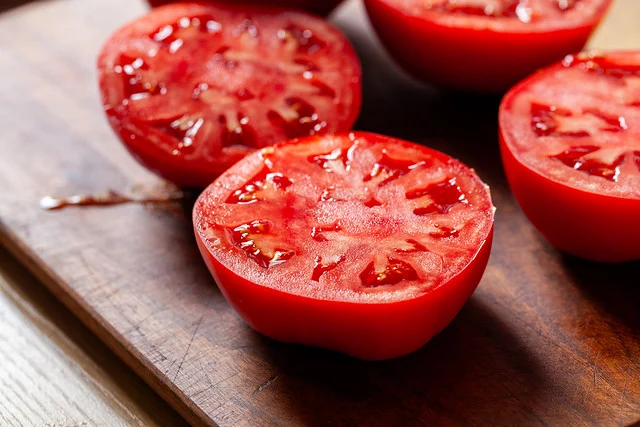
Amid this seasonal impatience, a dedicated culinary counter-movement champions the extension of summer, focusing squarely on the peak of late-season produce. At the heart of this resistance is the tomato—a vibrant, sun-ripened crop that vanishes from mainstream menus far too quickly once the first apples arrive.

Rather than abandoning summer ingredients for heavier fare, home cooking platforms are introducing innovative recipes designed to celebrate late-summer harvests. One such standout creation is the Tomato Risotto with Frizzled Red Onions. This dish reimagines traditional Italian comfort food by stripping away conventional culinary dogma. Abandoning standard chicken or vegetable broth in favor of pure, grated tomato pulp and water, this recipe elevates the natural sweetness of summer tomatoes. Paired with crispy, pan-fried red onions and finished with fresh basil and parmesan, the dish bridges the gap between warm-weather freshness and cozy, comforting textures.
Chronology: From Stuffed Tomatoes to Streamlined Oven Risotto
The conceptual journey toward this late-summer tomato risotto spans more than a decade of culinary experimentation, reflecting a continuous effort to simplify and intensify tomato flavors in rice dishes.

- August 2013: The foundational inspiration takes root with the publication of a classic rice-stuffed tomato recipe. The technique relied heavily on short-grain rice absorbing the pure, clear-noted tomato sauce as the vegetables baked, leaving a lasting impression on flavor profiles.
- January 2021: A significant shift in technique occurs as traditional risotto dogma is challenged. Published findings demonstrate that foundational rules—such as constant stirring, massive quantities of heavy butter and cheese, and complex warming broths—are entirely optional for achieving a creamy, satisfying result.
- Late August to Early September: Facing the annual retail onslaught of autumn marketing and personal milestones—such as children transitioning into middle school and high school—home cooks seek out grounding recipes that utilize dwindling summer crops without succumbing to early winter nostalgia.
- Present Day: The synthesis of the 2013 stuffed-tomato flavor profile and the 2021 oven-risotto technique culminates in the standalone Tomato Risotto with Frizzled Red Onions. By bypassing traditional broth and stovetop stirring, the dish offers a streamlined, deeply aromatic meal fit for the transitional weeks of the year.
Supporting Data and Culinary Mechanics: Deconstructing Risotto Dogma
Traditional risotto preparation is notoriously labor-intensive, requiring standing over a hot stove for upwards of 40 minutes, ladling warm broth one cup at a time, and stirring constantly to release starch from the grains. However, modern adaptations rely on precise ratios, thermal physics, and oven-cooking to achieve identical—if not superior—results with a fraction of the effort.
The Chemistry of Grated Tomato Pulp
Standard risottos rely on vegetable or meat stocks to build a flavor base. This tomato-centric variant discards stock entirely, utilizing water combined with fresh grated tomato pulp.

- Extraction Method: By pressing halved tomatoes cut-side against the large holes of a box grater, the flesh and juices pass through effortlessly while the outer skins are left behind and discarded.
- Yield: This method yields approximately $2frac12$ to $3$ cups of concentrated tomato pulp, packed with natural liquid and acidity that hydrate the rice while delivering an unmasked, orchard-fresh flavor.
Streamlined Oven Risotto Parameters
Baking risotto in a 4-quart Dutch oven or a deep, oven-safe saucepan at 350°F (175°C) leverages radiant heat to cook rice grains evenly.
- Toasting Phase: Uncooked short-grain rice is gently toasted for 3 minutes in olive oil alongside garlic, red pepper flakes, and residual onion aromatics, creating a nutty, toasted baseline.
- Liquid Ratios: The addition of wine, grated tomato pulp, and exactly 2 cups of water creates a balanced hydration matrix.
- Baking Time: Covered tightly, the mixture bakes for 25 to 30 minutes until most of the liquid is absorbed, leaving a slightly fluid consistency that emulsifies during the post-bake resting and stirring phase.
The Frizzled Onion Innovation
To provide textural contrast without relying on traditional toppings like pan-crisped prosciutto, salami, or bacon, thinly sliced red onions are fried early in the cooking process.

- Cooked in 3 to 4 tablespoons of olive oil over medium-high heat for 8 to 10 minutes, the onions soften before transforming into deeply golden, mostly crisp flakes.
- Dividing the onions—folding half directly into the baked risotto and scattering the remaining half on top at the end—imparts a complex fragrance, structural crunch, and a gentle balance of savory and sweet flavor notes.
Official Recipe: Tomato Risotto with Frizzled Red Onions
Prep time: 15 minutes
Cook time: 35 minutes
Yield: 4 servings
Ingredients
- Tomatoes: 2.5 to 3 lbs of ripe summer tomatoes, halved
- Olive Oil: 3 to 4 tablespoons (plus extra for finishing)
- Onions: 1 large red onion, thinly sliced
- Garlic: 2 to 3 cloves, minced
- Spices & Seasonings: Kosher salt, freshly ground black pepper, pinch of red pepper flakes
- Rice: 1.5 cups short-grain rice (such as Arborio or Carnaroli), uncooked
- Wine: $frac12$ cup dry white wine
- Water: 2 cups (plus an optional $frac12$ cup if liquid absorbs too quickly)
- Finishing Touches: 2 to 3 tablespoons butter (or olive oil), grated Parmesan cheese, fresh basil leaves (torn)
Step-by-Step Instructions
- Preheat the Oven: Adjust your oven temperature to 350°F (175°C).
- Prepare the Tomato Pulp: Take your halved tomatoes and press the cut side firmly against the large holes of a box grater. Extract the flesh and juices into a bowl, discarding the tough outer skins. You should yield roughly $2frac12$ to $3$ cups of pulp.
- Frizzle the Red Onions: In a 4-quart Dutch oven or a heavy, oven-safe saucepan with a tight-fitting lid, heat 3 to 4 tablespoons of olive oil over medium-high heat. Add the sliced red onions and cook, stirring frequently, until they soften. Continue cooking until the pieces turn deeply golden brown and attain a mostly crisp texture (approximately 8 to 10 minutes). Transfer half of the onions to a paper towel-lined plate, season with a pinch of salt, and set aside.
- Toast the Rice: Add the minced garlic to the remaining onions in the pan, cooking and stirring for 1 minute. Season with salt, freshly ground black pepper, and a pinch or two of red pepper flakes. Pour in the uncooked short-grain rice, toasting it gently in the aromatic oil, garlic, and onion remnants for 3 minutes.
- Deglaze and Simmer Base: Pour in the white wine, stirring constantly until it completely evaporates. Pour in your prepared grated tomato pulp followed by 2 cups of water. Season generously—start with 2 teaspoons of kosher salt, adding more to taste, alongside a robust grinding of black pepper. Bring the entire mixture to a gentle simmer on the stovetop, then immediately turn off the heat.
- Bake: Secure the lid tightly on the pot and transfer it to the preheated oven. Bake the risotto for 25 to 30 minutes, or until the vast majority of the liquid is absorbed while retaining a slightly watery appearance. (Tip: Check the pot at the 15-minute mark; if the liquid appears depleted, add an extra $frac12$ cup of water).
- Finish and Emulsify: Remove the pan from the oven and place it on a heatproof mat or cooling rack. Remove the lid and vigorously stir the mixture for 2 minutes to release starches, transforming the texture into a creamy, classic risotto consistency. Taste and adjust salt and pepper levels as needed. Stir in 2 to 3 tablespoons of butter or a final splash of olive oil for richness.
- Serve: Scatter the top with grated Parmesan cheese, torn fresh basil leaves, and the reserved frizzled red onions. Serve immediately while warm.
Implications: Cultural Resistance and Sustainable Seasonal Eating
The rapid commercialization of seasonal shifts—ushering in autumn themes while summer weather remains dominant—highlights a broader disconnect between modern consumer culture and natural agricultural cycles. When retail environments push consumers toward heavy, winterized comfort foods months ahead of schedule, it often diminishes the appreciation of perishable, peak-season crops.
By opting for dishes that honor late-summer staples like tomatoes, home cooks engage in a form of culinary mindfulness. Utilizing simplified techniques, such as oven-baked risotto that bypasses traditional labor barriers, demonstrates that seasonal cooking does not need to be intimidating or overly complicated. Furthermore, embracing plant-forward flexibility—such as keeping a risotto entirely vegan with olive oil, basil, and frizzled onions—proves that intense, satisfying flavor stems from ingredient quality rather than heavy dairy additions or processed shortcuts.

Ultimately, extending the life of summer in the kitchen serves as both a celebration of agricultural timing and a peaceful protest against the relentless march of retail seasonality.