By Consumer Trends & Culinary Desk
Published: October 2023
Main Facts: The Verdict on Kraft’s Shredded Mozzarella
When it comes to the ultimate kitchen shortcuts, few items rival the convenience of pre-shredded cheese. With a simple snip of a plastic bag, home cooks can bypass the grit of a box grater and bypass the cleanup, instantly blanketing a steaming pan of homemade lasagna, a quick weeknight pizza, or a tray of oven-baked nachos with a layer of dairy.
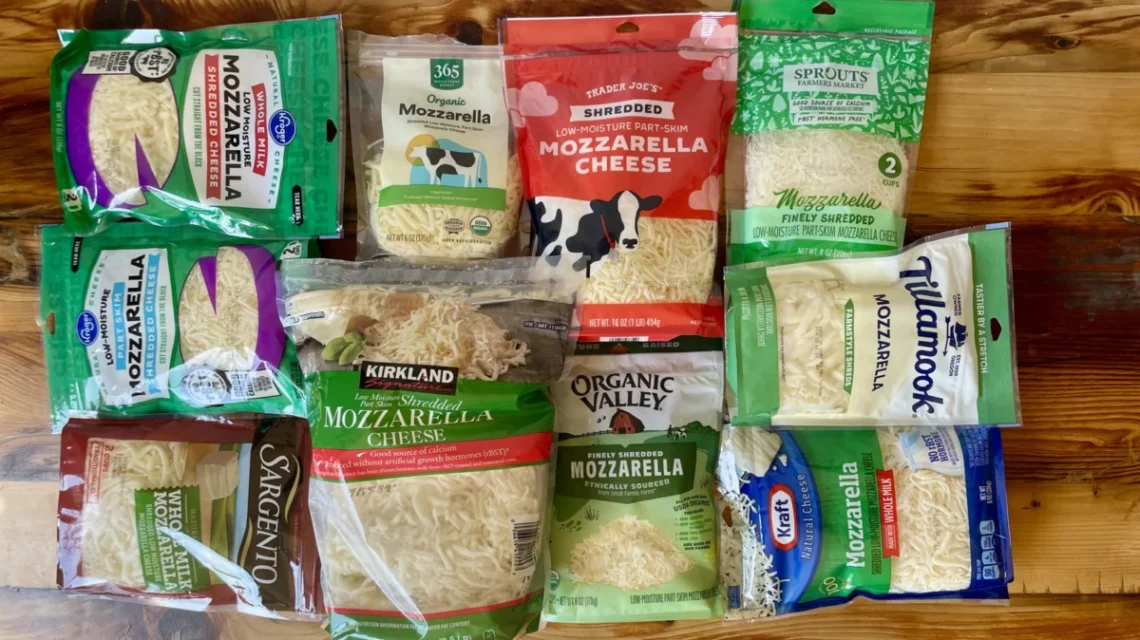
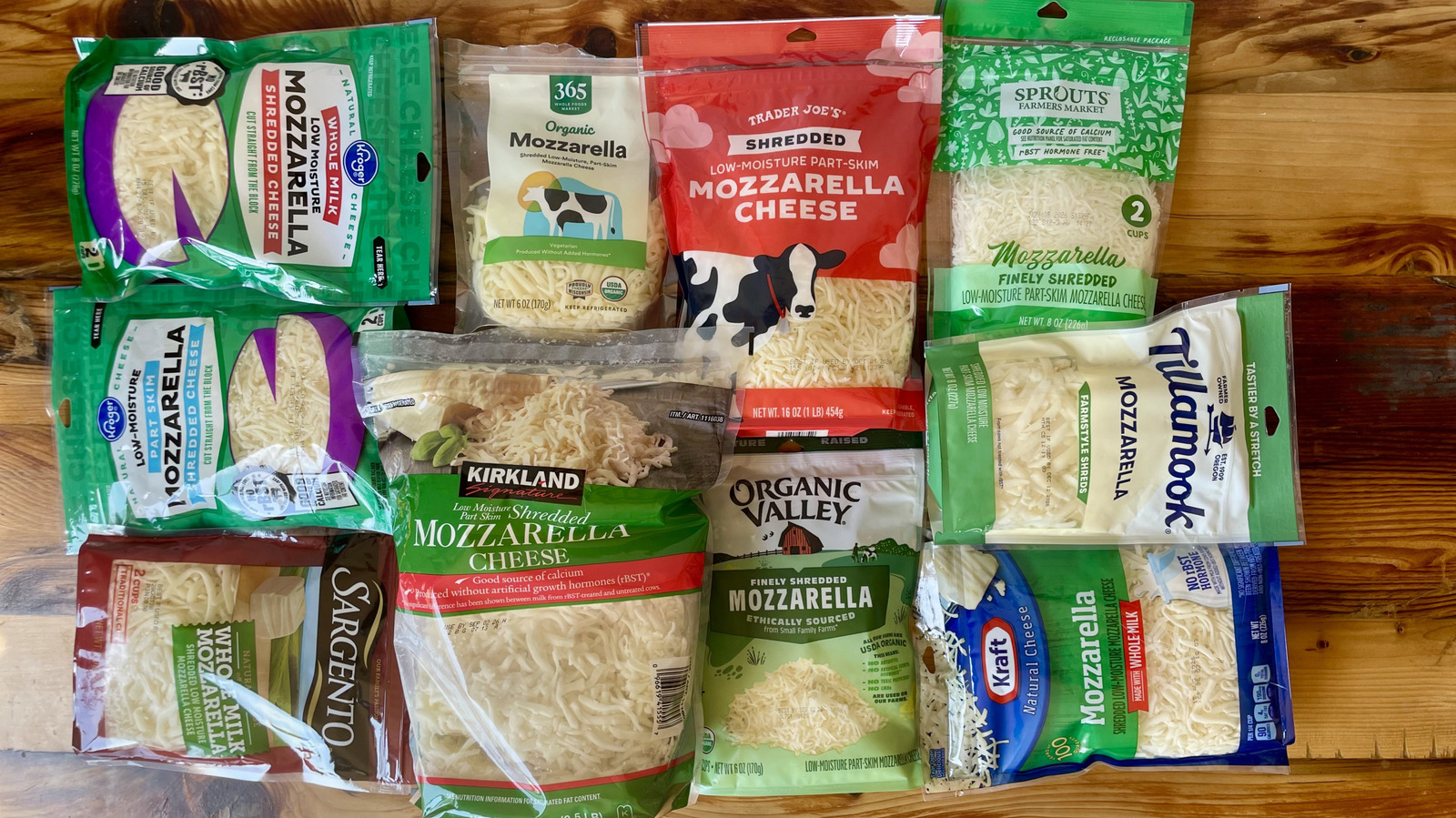
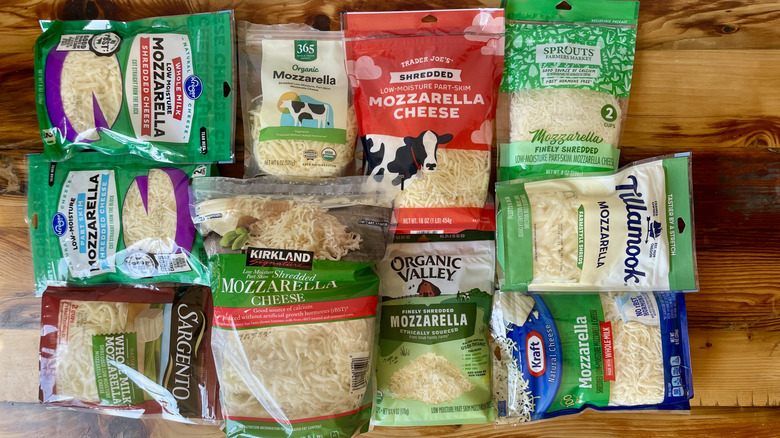
Yet, convenience often comes at a culinary cost. In a recent comprehensive product review conducted by Food Republic, which evaluated 10 different brands of store-bought shredded mozzarella, one of the biggest names in the dairy aisle landed dead last. Kraft Whole Milk Shredded Natural Mozzarella Cheese—a product manufactured by a corporate giant legendary for revolutionizing American cheese consumption—failed to impress testers, taking the bottom spot in the competitive lineup.
While the product successfully met basic structural expectations, offering a satisfying physical shred size and a reliable melt when subjected to heat, it fell flat where it mattered most: flavor. Despite being marketed as a "whole milk" variety—a designation that typically promises a richer, creamier profile thanks to higher milk fat content—testers found the cheese remarkably bland, uninspired, and wholly underwhelming.
Chronology: From Innovation to Industrial Staple
To understand how a titan of the dairy industry ended up at the bottom of a modern taste test, it helps to examine the history of Kraft Heinz and its footprint in the American kitchen.
- Early 20th Century: Kraft established itself as an industrial pioneer through the mass distribution of processed cheese, transforming how households stored and consumed dairy.
- Mid-20th Century: The company introduced individually wrapped cheese slices (Kraft Singles), cementing its status as an omnipresent household staple. Over subsequent decades, the brand expanded into boxed macaroni and cheese, acquired major grocery lines, and became the corporate force behind grocery-store staples like Cracker Barrel cheeses.
- Late 20th to Early 21st Century: As consumer demand shifted toward convenience-oriented fresh foods, the market for pre-packaged, pre-shredded cheeses exploded. Major manufacturers adapted by scaling up production of bag-ready shreds designed for extended shelf life.
- Present Day: Modern comparative reviews, such as Food Republic’s multi-brand evaluation, highlight the widening gap between legacy industrial food processing and consumer expectations for gourmet flavors at home. While Kraft remains a kitchen cabinet fixture, its premium-positioned whole-milk mozzarella line has struggled to compete with specialty and regional brands focusing on artisanal profiles.
Supporting Data: What’s Inside the Bag?
The anatomy of a pre-shredded bag of cheese is more complex than it appears at first glance. Understanding the mechanics of commercial cheese production illuminates why brands like Kraft and their competitors can yield drastically different results in the kitchen.
The Anti-Caking Agent Factor
If you leave freshly grated mozzarella in a container in your refrigerator for 24 hours, the moisture and natural oils will cause the pieces to fuse back into a solid mass. To prevent this in commercial products, manufacturers coat shredded cheese in anti-caking agents.
- Kraft’s Approach: Kraft utilizes modified cornstarch as its primary anti-caking agent.
- Competitor Approaches: Higher-ranking competitors, such as Tillamook (whose "FarmStyle" shredded mozzarella took the top spot in the same review), often opt for alternatives like potato starch.
Food scientists note that these starch coatings do more than just keep the cheese loose in the bag. They actively alter the melting dynamics and textural mouthfeel of the cheese. While starches help retain moisture—which can be beneficial when creating smooth cheese sauces—they can inhibit the natural stretch and browning characteristics that pizza and pasta connoisseurs crave. Instead of a stretchy, integrated melt, starch-heavy commercial shreds often create a uniform, rubbery "blanket" over food.
The Fat-Content Paradox
Whole milk mozzarella should theoretically deliver a rich, buttery, and slightly milky flavor profile due to the higher concentration of milk fat. However, industrial processing, pasteurization timelines, and prolonged cold-storage distribution can dull these delicate notes. In the case of Kraft’s bottom-tier ranking, the processing methods appear to strip the cheese of its inherent character, leaving behind a product that tastes flat despite its whole-milk pedigree.
Official Responses and Industry Perspectives
While corporate giants like Kraft Heinz rarely issue public statements responding directly to isolated comparative product reviews, industry representatives and food scientists frequently address the inherent trade-offs of convenience foods.
Representatives for major dairy brands emphasize that mass-market shredded cheeses are engineered to meet strict consistency, safety, and shelf-stability metrics. These metrics prioritize uniform melting behavior across a wide range of home cooking appliances—from standard gas ovens to high-powered residential microwaves—over complex artisanal flavor profiles.
On the other side of the spectrum, culinary experts and specialty cheesemakers argue that consumers are increasingly prioritizing authenticity over convenience. Speaking on the broader market shift, specialty grocers and chefs frequently point out that the industrial compromises necessary to keep a bag of mozzarella shelf-stable for weeks in a supermarket cooler inherently degrade the sensory experience.
"When you buy mass-market pre-shredded cheese, you are paying for labor-saving convenience, but you are sacrificing the living biology of the cheese," notes a prominent West Coast specialty cheese buyer. "The starches block the flavor compounds from hitting your palate the way they should."
Implications: The Future of Grocery Convenience vs. Culinary Quality
The revelation that a flagship product from one of the world’s largest food corporations ranks dead last in a category as fundamental as mozzarella points to a broader cultural pivot in home cooking.
1. The Rise of the Discerning Home Cook
Consumers are no longer willing to sacrifice taste blindly for the sake of speed. With the proliferation of food media, cooking tutorials, and accessible gourmet ingredients, modern home cooks are more discerning than ever. Products that rely solely on brand loyalty and convenience are facing tougher scrutiny from food enthusiasts who demand both performance and flavor.
2. A Shift in Purchasing Habits
Shoppers are increasingly dividing their grocery strategies into two camps:
- The Quick Fix: Acknowledging that while brands like Kraft may suffice for a hurried weeknight snack or a basic casserole where cheese is a minor background player, they fall short for centerpiece dishes.
- The Artisanal Upgrade: For dishes where cheese is the star—such as a Neapolitan-style homemade pizza or a meticulous lasagna—consumers are choosing to buy blocks of cheese from specialty counters, utilize grocery store deli-slicers to grate fresh mozzarella on-site, or invest the extra two minutes into using a manual box grater at home.
3. Industry Adaptation
As reviews like these gain traction across digital platforms, legacy food manufacturers face mounting pressure to reformulate their products. To retain market share against regional powerhouses like Tillamook or organic dairy collectives, industrial brands may need to rethink their choice of anti-caking starches and refine their processing techniques to preserve the natural integrity of milk fats.
Conclusion
Ultimately, the choice comes down to a kitchen-counter calculus. If speed is your absolute priority, bags of pre-shredded mozzarella will always have a place in the pantry. However, if you are looking to elevate your culinary creations—and avoid the bland, uninspired fate that befell Kraft in recent taste tests—opting for a superior brand like Tillamook, or better yet, picking up a block and breaking out the grater, remains the undisputed gold standard for flavor and melt.