The traditional morning coffee routine is undergoing a seismic shift. As specialty coffee culture permeates the home kitchen, the standard "drip-and-go" method is being replaced by a burgeoning interest in complex, café-quality beverages. Gone are the days when a simple splash of cream or a dash of sugar sufficed; today’s home baristas are experimenting with sophisticated ingredients—from house-made cold foams to botanically infused syrups—to transform their daily caffeine fix into a sensory experience that rivals the most trendy metropolitan coffeehouses.
The Evolution of the Home Coffee Experience
The rise of the "prosumer" coffee market has democratized high-end brewing. With the increased accessibility of home espresso machines, precision grinders, and high-quality beans, the barrier to entry for crafting professional-grade lattes has plummeted. However, the true innovation isn’t just in the hardware—it is in the liquid chemistry.
Consumers are increasingly looking for ways to bypass the long lines and the rising costs of boutique coffee chains by replicating—and often improving upon—those signature flavor profiles at home. This shift reflects a broader consumer trend toward "nesting," where individuals invest time and money into refining domestic rituals to create a more luxurious and personalized lifestyle.
Chronology: From Commodity to Craft
To understand the current state of home coffee, one must look at the progression of the specialty coffee movement over the last two decades:
- Early 2000s (The Rise of Convenience): The era of the pod-based machine, prioritizing speed over flavor and complexity.
- 2010s (The Third Wave): The focus shifted to single-origin beans, light roasts, and precise brewing techniques like pour-overs and Chemex, emphasizing the "purity" of the bean.
- 2020s (The Fusion Era): The current period, defined by the "fusion" of high-end extraction and experimental mixology. The lines between the cocktail bar and the coffee bar have blurred, with ingredients like bitters, smoked salts, and herbal reductions becoming staples in the coffee enthusiast’s pantry.
Curated Recipes: The New Standard for Home Brewing
The following recipes represent the vanguard of home coffee preparation, moving beyond standard syrups into the realm of true culinary creation.
1. The Cherry Chili Cacao Latte
This drink balances heat and sweetness, demonstrating how unconventional pairings can ground an espresso’s natural acidity. By incorporating a touch of chili with dark, rich cacao and cherry, the palate is engaged on multiple levels, making for a complex, lingering finish.
2. The Chicory Cream Latte
Inspired by traditional Indian coffee culture and reinterpreted by modern cafes like Swadesi, this beverage utilizes the earthy, robust profile of chicory. When paired with a house-made cream, it achieves a buttery, velvet-like mouthfeel that standard dairy cannot replicate.
3. The "Happy Camper" Maple Vanilla Latte
Be Bright Coffee’s signature creation proves that simplicity, when executed with high-quality ingredients, is unbeatable. The key is the addition of smoked sea salt, which cuts through the sweetness of the maple and vanilla, providing a savory depth that elevates the entire profile.
4. The Honey-Bourbon Latte
Often served as an "after-work" pick-me-up, this recipe leans into the warmth of oak and spice. By creating a syrup infused with cinnamon, honey, and cardamom, the home barista can mimic the complex notes of a barrel-aged spirit without needing an actual alcoholic component.
5. The Lutito Cinnamon Latte
This drink is a masterclass in balance. By using a brown sugar syrup base and accentuating it with a bright pop of fresh orange zest, the latte gains a citrusy brightness that cuts through the heaviness of the espresso and milk.
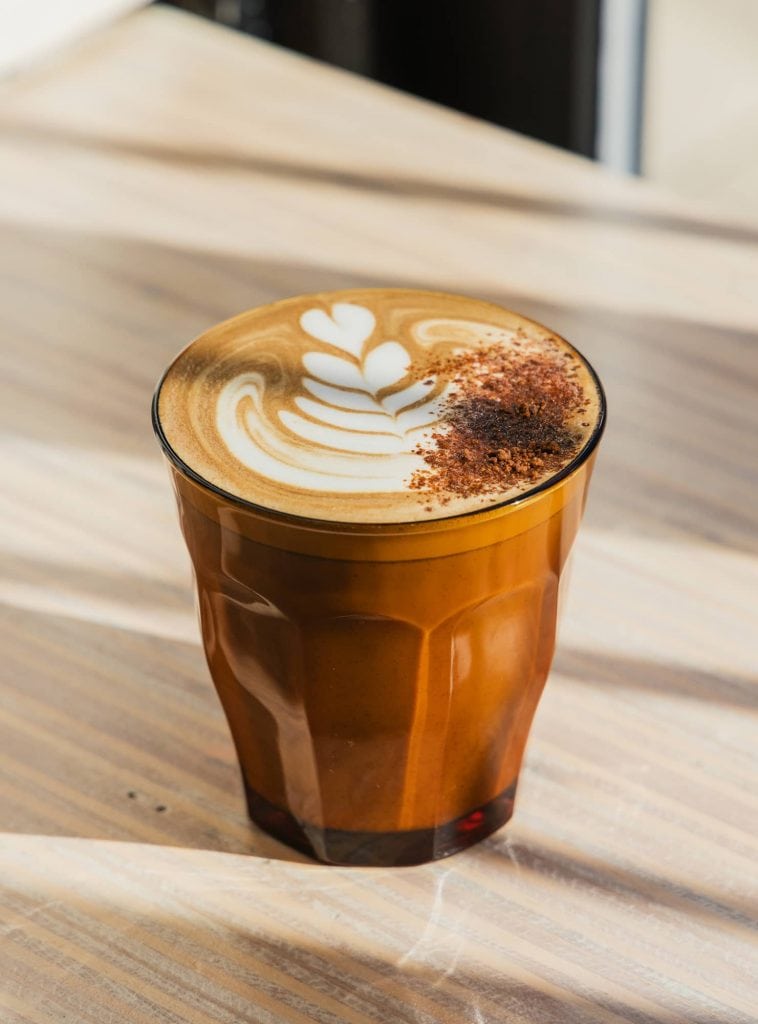
6. The "Holy Grail" (Never Coffee Lab)
For those seeking an invigorating morning boost, the Holy Grail utilizes the anti-inflammatory and vibrant properties of turmeric and ginger. This syrup-based latte is a testament to the "wellness-meets-caffeine" movement, offering a spicy, aromatic experience that feels as good as it tastes.
7. The Strawberry Cheesecake Iced Latte
A prime example of the "dessert-coffee" phenomenon, this beverage combines strawberry milk with a rich, house-made cheesecake foam. It represents the maximalist side of current coffee trends, where texture and indulgence are as important as the coffee itself.
Supporting Data: Why Consumers are Switching
Industry reports from the National Coffee Association suggest that over 60% of daily coffee drinkers now prefer to prepare at least one specialty coffee drink at home per week. Several factors drive this data:
- Cost Efficiency: A standard specialty latte at a commercial chain averages between $5.50 and $7.50. Home preparation reduces the marginal cost to less than $1.50 per serving, even when utilizing premium ingredients.
- Customization: Commercial chains often rely on artificial, high-fructose syrups. Home baristas have complete control over the sourcing of their sugars, the quality of their milk (or plant-based alternatives), and the freshness of their spice infusions.
- Sustainability: By eliminating the single-use plastic cups and lids associated with "to-go" culture, home brewing contributes to a significant reduction in personal waste.
Official Perspectives: The Professional View
We reached out to lead baristas and coffee shop owners regarding the trend of bringing professional-grade recipes into the home kitchen.
"We don’t view the home barista as a competitor," says Elena Rossi, a head roaster in the Pacific Northwest. "We view them as an extension of the craft. When someone learns how to make a proper cheesecake foam or a balanced ginger-turmeric syrup, they appreciate the work we do even more. It elevates the entire ecosystem of coffee consumption."

Similarly, ingredient suppliers note a 40% increase in the sale of "barista-grade" additives—such as high-fat oat milks and specialized botanical extracts—to direct-to-consumer markets. This suggests that the trend is not merely a hobbyist phase but a long-term shift in consumer behavior.
Implications for the Future of Coffee Culture
The implications of this shift are profound for both the coffee industry and the individual consumer. For the industry, it means that coffee shops must continue to innovate; if customers can make a world-class latte at home, the coffee shop must provide an experience—a space, a community, or a technical execution—that cannot be replicated in a kitchen.
For the consumer, the "democratization of the latte" means a permanent upgrade in the quality of daily life. The morning ritual is no longer just about the caffeine; it is about the creative process. It is about the smell of orange zest hitting the steam wand, the sight of a perfectly poured layer of cheesecake foam, and the satisfaction of knowing that the drink in hand is a product of one’s own skill.
The Sustainability Aspect
One of the most overlooked implications is the environmental impact. As home brewing becomes more sophisticated, there is an increased demand for ethically sourced, transparently traded beans. Consumers who invest in the equipment to make a "Honey-Bourbon Latte" are, on average, more likely to research the origins of their coffee, opting for direct-trade partnerships that ensure fair wages for farmers.
Final Thoughts on Technique
To successfully navigate these recipes, the home barista should prioritize three elements:

- Freshness: Use beans roasted within the last 14 days.
- Temperature Control: Do not overheat your milk. A temperature of 140°F–150°F is the sweet spot for sweetness and texture.
- Ingredient Quality: When using spices, buy whole and grind them fresh. The difference in volatile oils between pre-ground and fresh-ground cardamom or cinnamon is the difference between a mediocre drink and a masterpiece.
As we look toward the future, it is clear that the "coffeehouse run" is no longer the pinnacle of the coffee experience. The kitchen has become the new laboratory, and the home barista is the lead scientist. Whether you are crafting a spicy, warming turmeric latte or a decadent, dessert-like strawberry creation, the ability to control every variable ensures that your morning cup is not just a drink, but a reflection of your personal taste and dedication to the craft.