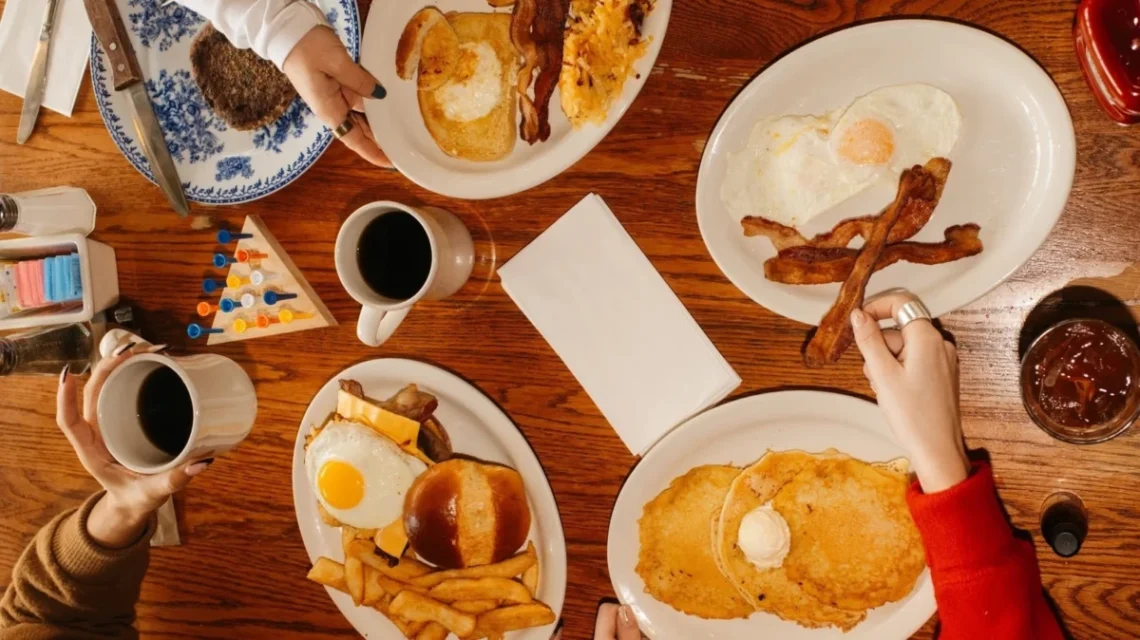
NASHVILLE, Tenn. — For more than five decades, the scent of country ham, simmering sawmill gravy, and freshly baked buttermilk biscuits has welcomed weary travelers off American highways and into the nostalgic embrace of Cracker Barrel Old Country Store. Established in the late 1960s just outside Nashville, Tennessee, the iconic casual dining chain built its empire on a foundation of rustic comfort. Featuring storefronts adorned with antique farm implements, checkerboards by the hearth, and literal barrels of crackers reminiscent of turn-of-the-century general stores, the brand has mastered the art of culinary time-travel.
Yet, beneath the weathered wood and flickering gas lamps lies a thoroughly modern hospitality powerhouse. Road-tripping travelers and locals alike continue to drive a significant portion of the company’s revenue, relying on its sprawling, all-day breakfast menu for a reliable dose of Southern hospitality. However, for regular patrons who find themselves cycling through the standard rotation of pancakes, bacon, and the cult-favorite Hashbrown Casserole, menu fatigue can occasionally set in.
Enter the underground world of Cracker Barrel menu hacks. By exercising a bit of culinary creativity and making specific, polite requests to their servers, diners across the country are bypassing traditional menu boundaries. They are transforming standard Southern ingredients into international delicacies, fast-food favorites, and crowd-pleasing appetizers—proving that even a legacy institution can be endlessly reinvented.
Main Facts: The Anatomy of Cracker Barrel’s Menu Longevity
To understand how these creative modifications work, one must first examine the structural flexibility of Cracker Barrel’s kitchen. Unlike fast-food chains constrained by rigid assembly lines, full-service casual restaurants typically maintain a diverse inventory of standalone components: separate proteins, starches, sauces, and breads.
- The Core Footprint: Founded in 1969 by Dan Evins in Lebanon, Tennessee, Cracker Barrel operates hundreds of locations nationwide, heavily concentrated near major interstate arteries to capture the transient travel market.
- Menu Architecture: The restaurant’s all-day breakfast program features items that can be ordered a la carte or bundled into massive combo platters, creating a modular inventory system.
- The Customization Factor: Because sides, proteins, and baked goods are prepped continuously from scratch—including popular items like fresh brown gravy, sawmill gravy, and buttermilk biscuits—kitchen staff are often uniquely equipped to handle precise modifications, provided they are communicated clearly through the front-of-house staff.
"When you have a kitchen that produces scratch-made components all day long, you aren’t just buying fixed meals; you’re buying building blocks," explains culinary anthropologist Dr. Marcus Vance. "Patrons who look past the pictures on the menu and view the ingredients as a modular pantry unlock an entirely different tier of dining."
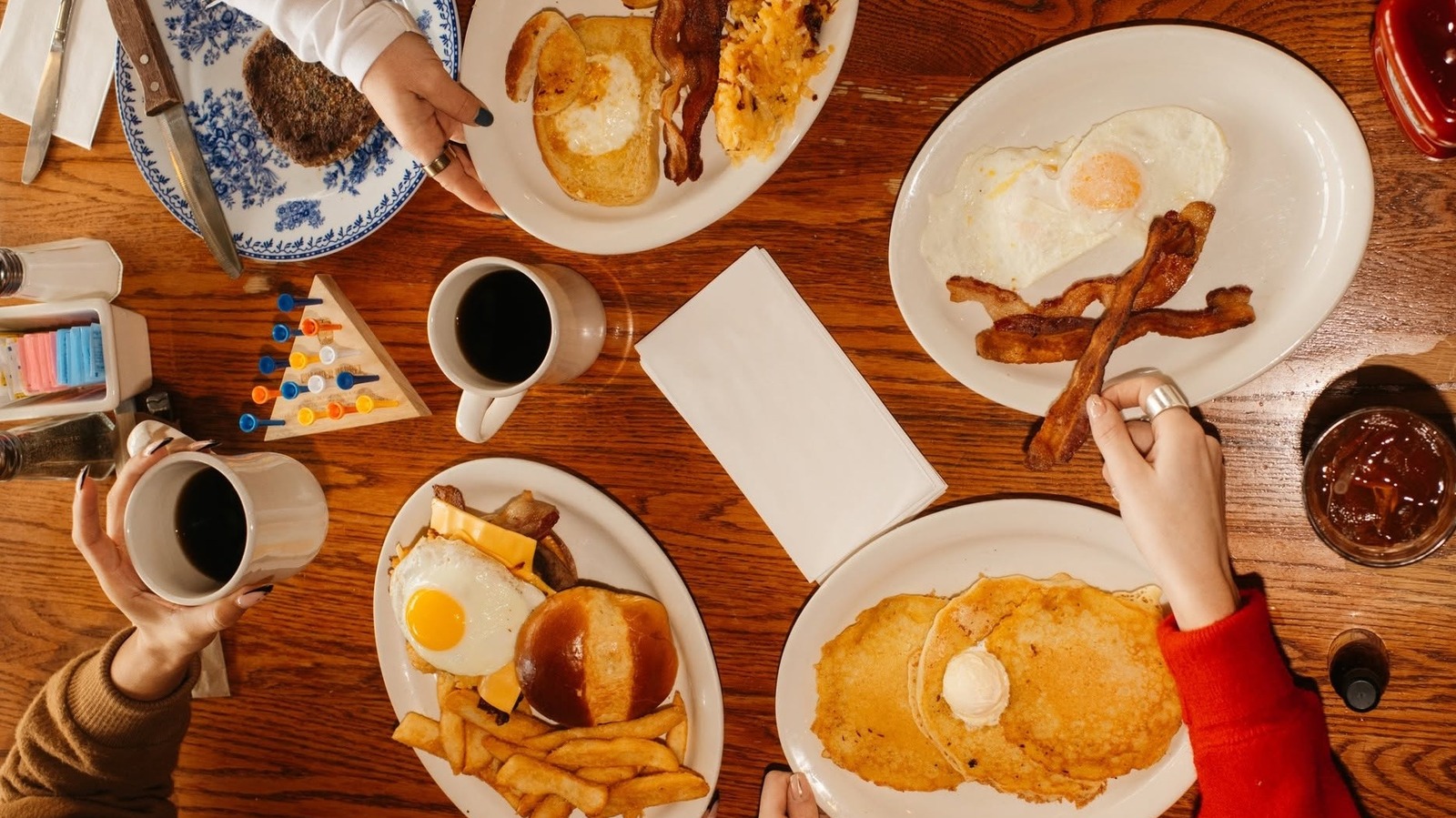
Chronology: The Evolution of Casual Dining Customization
The phenomenon of "menu hacking" is not entirely new, but its application within traditional family-dining chains like Cracker Barrel has accelerated significantly in the social media era.
The Pre-Digital Era: Local Modifications (1960s–1990s)
In the early decades of Cracker Barrel’s expansion, modifications were largely localized and basic. Regulars might ask for eggs cooked a specific non-standard way, or request extra gravy on the side of a country fried steak. The culture of the restaurant prioritized hospitality ("Pleasing People," as the corporate motto states), meaning servers were generally accommodating to reasonable tweaks.
The Rise of Limited-Time Offers and Regionalism (2000s–2020s)
As customer palates evolved, Cracker Barrel began introducing experimental limited-time offers (LTOs) to test regional markets. Items like Shrimp n’ Grits—introduced briefly in 2025 to capture hyper-regional Lowcountry culinary trends—demonstrated that the chain’s customer base was hungry for flavors extending beyond basic country ham and eggs. However, when these items inevitably rotated off the permanent menu, customers were left searching for ways to replicate them.
The Modern "Menu Hack" Movement (Present Day)
Today, platforms like TikTok, Instagram, and specialized food blogs have turned creative ordering into a mainstream sport. Diners armed with digital video cameras routinely test complex modifications, sharing step-by-step instructions that turn a standard roadside breakfast stop into an interactive gastronomic workshop.
Supporting Data: What Drives the Cracker Barrel Experience?
While official corporate metrics rarely focus explicitly on off-menu hacks, financial and consumer data highlight the underlying conditions that make these trends possible.
- Breakfast Dominance: Breakfast-related items account for an outsized portion of Cracker Barrel’s all-day sales, driven by items that feature eggs, pork products, and starch-heavy sides.
- The Side Dish Economy: The restaurant’s side menu—featuring items like Seasoned Buttery Rice, pinto beans, turnip greens, and fried apples—acts as a versatile bridge between traditional Southern plates and global flavor profiles.
- Customer Demographics: A mix of loyal, frequent local diners and transient interstate travelers creates a unique dual market. Locals seek novelty to combat menu fatigue, while travelers seek comfort and reliability. Customization bridges this gap, offering novelty built upon a foundation of familiar ingredients.
Official Responses and Industry Perspectives
How do restaurant chains view patrons who deconstruct and rebuild their menus? According to industry analysts, corporate leadership generally walks a fine line between encouraging customer engagement and maintaining kitchen efficiency.
When approached regarding specific off-menu ordering requests, corporate representatives emphasize that while hospitality remains the core mission, operations must be respected.
"Our culinary team takes immense pride in offering scratch-made favorites that our guests have loved for generations," a casual dining industry spokesperson noted on condition of anonymity. "While we love seeing our guests engage creatively with our menu, we always encourage diners to be mindful of peak operational hours when requesting heavy kitchen modifications. Kindness, patience, and clear communication with your server make all the difference."
Front-of-house staff members note that unusual orders are generally welcomed as long as they are delivered politely and do not bring kitchen lines to a grinding halt during Sunday post-church rushes. In many cases, explaining why an unusual combination is being requested—such as trying to recreate a discontinued favorite—can turn a puzzled server into an enthusiastic ally who helps guide the kitchen through the assembly process.
Implications: Elevating the Cracker Barrel Experience
For diners looking to break out of their morning routine, five distinct ordering strategies have emerged as top-tier methods for transforming a standard Cracker Barrel visit.
1. Building a Hawaiian-Inspired Loco Moco
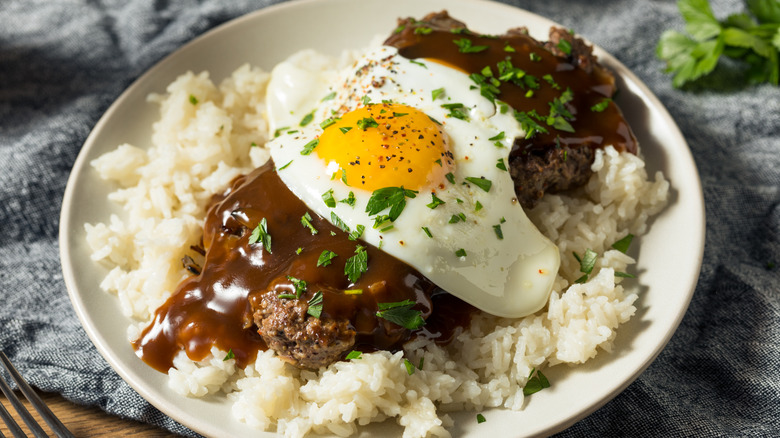
The traditional Hawaiian loco moco is a comforting masterpiece consisting of rice, a hamburger patty, a fried egg, and rich brown gravy. Cracker Barrel houses every single one of these components.
- How to order: Start with the Barrel Cheeseburger from the sandwiches and salads section, requesting no veggies and no bun. Select Seasoned Buttery Rice as your side. Add a side of Cracker Barrel’s scratch-made brown gravy (or sawmill gravy, for a country twist) and an order of fried eggs. For a regional variation, swap the rice for a bed of hash browns.
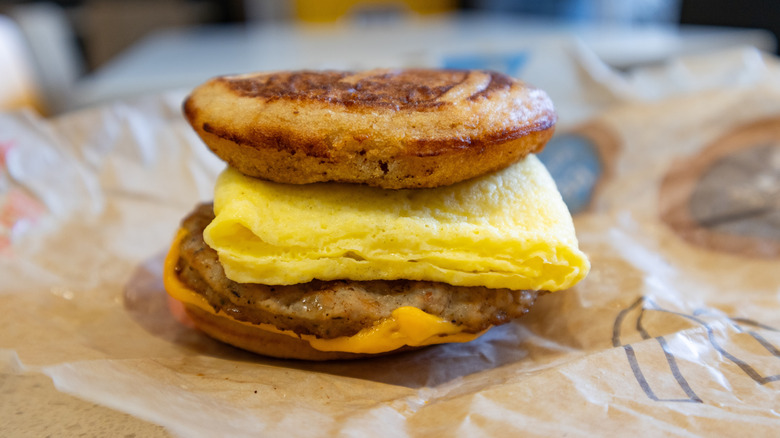
2. Assembling an Extra-Large, Extra-Meaty McGriddle
Fast-food breakfast sandwiches have passionate followings, but they often leave hearty eaters wanting more substance.
- How to order: Navigate to the breakfast sides menu and request two pancakes and two scrambled (or over-hard) eggs. For the protein, order the Country Sampler featuring bacon, sausage, and country ham (or sugar-cured ham). Stack the meats and eggs between the pancakes, drizzle with maple syrup, and attack with a knife and fork.
3. Recreating the Defunct Shrimp n’ Grits
When Cracker Barrel’s limited-time Shrimp n’ Grits left the menu, Lowcountry food enthusiasts were left with a void.
- How to order: Order the Louisiana-Style Shrimp Skillet, asking the kitchen to make it extra saucy. For your two included side dishes, select grits and ask the staff to layer them directly beneath the shrimp skillet.
4. Channeling Brazilian Feijoada Flavors
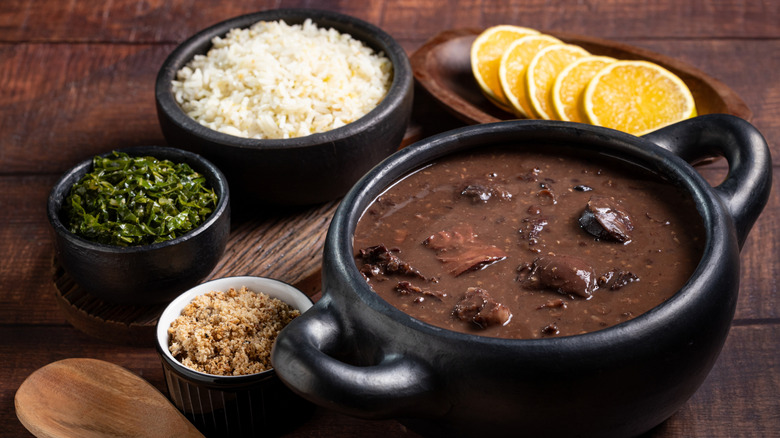
Brazilian feijoada completa—a rich bean stew served with rice, greens, and farofa—shares surprising culinary DNA with African-influenced Southern American cooking.
- How to order: Order the Steak & Eggs entree. Request sides of pinto beans, turnip greens, and rice. To mimic the textural crunch of farofa (cassava meal), order a side of corn muffins and crumble them over the dish to soak up the savory juices.
5. Sharing DIY Chicken-and-Biscuit Sliders
Fried chicken and biscuits are a Southeastern staple, but they aren’t sold as a unified sandwich on the standard Cracker Barrel menu.
- How to order: Order the Crispy Tender Dippers from the chicken and turkey section, which yield six pieces of chicken. Use the biscuits that accompany the meal—or request additional side orders of biscuits—to construct half a dozen homemade chicken-and-biscuit sandwiches for the table. (Grilled tenders can also be substituted for a lighter profile.)
Conclusion
Cracker Barrel’s enduring success lies in its rare ability to anchor diners in a comforting sense of place and time while remaining flexible enough to absorb modern culinary experimentation. By looking past the literal text of the menu and viewing the kitchen as a pantry of fresh, scratch-made components, everyday diners can transform a familiar highway stop into a canvas for global fusion, nostalgic recreation, and personalized comfort food.