
MILAN — For 170 years, the name Sambonet has functioned as an international shorthand for the highest standards of hospitality, refined table culture, and uncompromising Italian design. To mark this monumental milestone in its illustrious corporate history, the renowned brand is diving deep into its rich archives to honor its heritage.
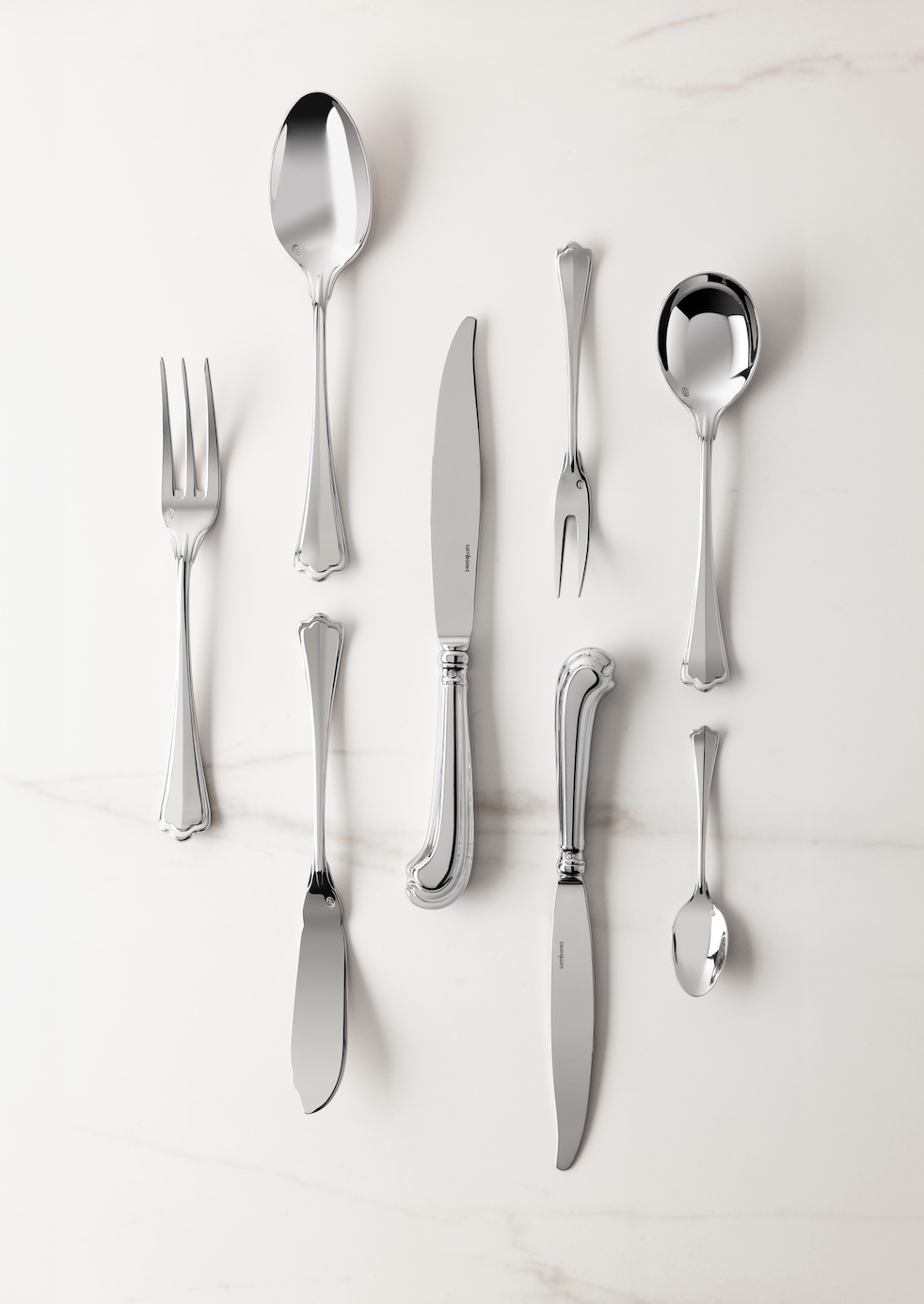
The centerpiece of this sesquicentennial celebration is the highly anticipated reintroduction of one of the most iconic design treasures from the brand’s past: the legendary San Marco collection. Originally introduced to grace the tables of Italy’s most elite households and prestigious post-war dining institutions, the return of San Marco bridges a golden era of Italian craftsmanship with contemporary luxury living.
Main Facts: The Return of a Post-War Masterpiece
At its core, the revival of the San Marco collection is more than a mere commercial reissue; it is a masterclass in historical preservation and industrial archaeology. The newly minted collection is constructed through a faithful, meticulous reconstruction of the original design specifications—a process made possible because Sambonet has carefully preserved the original, historic 1948 production moulds within its corporate archives.
Deeply rooted in the sophisticated decorative traditions of 18th-century Venice, the San Marco collection is distinguished by an aesthetic that balances stately grandeur with functional ergonomics. Key defining characteristics of the revived line include:
- The Wide Handle: Providing a substantial, comforting grip that speaks to the tactile luxury of mid-century dining.
- The Three-Tine Fork: A faithful nod to historical cutlery geometry that offers both visual distinction and a refined dining experience.
- The Sabre-Shaped Blade: An elegant, sweeping silhouette for the knife that evokes the romance and drama of historical European cutlery design.
To meet the demands of modern interior stylists, discerning homeowners, and contemporary hospitality venues, Sambonet has made San Marco available in two distinct finishes: its traditional, opulent silver-plated version, and a sleek, highly durable contemporary stainless-steel edition. This dual-material approach ensures that a historic design can seamlessly integrate into both ultra-modern urban apartments and classic country estates.
Chronology: Milestones in Sambonet’s 170-Year Journey
To fully appreciate the weight of the San Marco re-release, one must examine the timeline of resilience, innovation, and artistic collaboration that has defined Sambonet since its inception in the mid-19th century.
- 1856 — The Foundation: The company is established in Vercelli, Italy, by Giuseppe Sambonet, a fine arts graduate and master goldsmith. He obtains his warrant as a master goldsmith from the Turin Mint, laying the foundation for a legacy of metallurgical excellence.
- Late 19th Century — Royal Recognition: Sambonet quickly expands its footprint, becoming the official purveyor to nobility and numerous royal households across Europe. Its silverware becomes synonymous with absolute luxury and prestige.
- 1930s — Industrial Innovation: Demonstrating a pioneering spirit, Sambonet becomes the first company in Italy to develop an industrial process for the production of stainless steel flatware and holloware, marrying artisanal beauty with modern metallurgical science.
- Post-World War II Era — The Birth of San Marco: As Italy rebuilds and reinvents its cultural identity, the San Marco collection is introduced. It quickly finds its way into the most prestigious homes, luxury hotels, and high-end restaurants, helping to establish the sophisticated design codes of post-war Italian table culture.
- 1977 — A New Era of Ownership: The current ownership takes the helm, initiating a transformative period of global expansion, technological investment, and targeted promotion of Italian craftsmanship on the international stage.
- The 21st Century — Design Collaborations and Global Reach: Sambonet collaborates with world-renowned architects and designers—such as Gio Ponti, Roberto Sambonet, and Rodolfo Dordoni—cementing its status as a laboratory of design experimentation.
- 2026 — The 170th Anniversary and Altagamma Admission: Celebrating its sesquicentennial, Sambonet re-releases the San Marco collection and receives formal admission to Altagamma, the prestigious foundation uniting Italy’s finest cultural and creative luxury companies.
Supporting Data: Heritage, Craft, and Industrial Might
The enduring success of Sambonet is underpinned by a rare synthesis of heavy industrial capability and delicate artisanal hand-finishing. Operating out of its primary manufacturing hub in Vercelli, the brand manages a tightly controlled production cycle that safeguards traditional techniques while leveraging cutting-edge technology.
+-------------------------------------------------------------------+
                 SAMBONET: THE DUAL PILLARS OF EXCELLENCE
+-----------------------------------+-------------------------------+
|       INDUSTRIAL HERITAGE         |       ARTISANAL MASTERY       |
+-----------------------------------+-------------------------------+
| • Pioneer of stainless steel in   | • Preservation of 1948 moulds |
|   Italy (1930s)                   |   for the San Marco line      |
| • Advanced electroplating and     | • Meticulous hand-polishing   |
|   manufacturing technologies      | • Expert balancing of weight  |
| • Global distribution network     |   and tactile geometry        |
|   spanning over 100 countries     | • Adherence to centuries-old  |
| • Rigorous quality control and    |   Venetian decorative arts    |
|   durability standards            |   traditions                  |
+-----------------------------------+-------------------------------+
The financial and cultural value of this heritage has been underscored by major milestones. Most notably, the brand’s admission to Altagamma places Sambonet alongside the elite vanguard of Italian luxury brands—houses that collectively represent the gold standard of Italian creativity, lifestyle, and economic influence worldwide.
Furthermore, investments made by the current ownership since 1977 have transformed a historic national treasure into a truly global enterprise. Today, Sambonet exports its vision of Italian table culture to over 100 countries, supplying Michelin-starred restaurants, five-star luxury hotel chains, and design-conscious consumers who refuse to compromise on the quality of their domestic environments.
Official Responses and Executive Insights
The leadership behind the brand views the 170th-anniversary celebration not merely as a look backward, but as a dynamic springboard for the future. Executives have emphasized that the decision to revive San Marco was driven by a growing contemporary appetite for authentic narratives and objects with a deep historical soul.
"For 170 years, Sambonet has stood at the intersection of functionality and poetic design," noted a representative from the brand’s executive team during the anniversary unveiling. "When exploring our archives to honor this milestone, the San Marco collection demanded our attention. It is a physical manifestation of post-war Italian optimism, elegance, and supreme craftsmanship. By bringing it back using the original 1948 moulds—offering it both in classic silver-plating and modern stainless steel—we are inviting a new generation of design enthusiasts to experience a true piece of Italian history at their own tables."
Industry analysts have similarly praised the move, pointing out that in an era dominated by mass-produced, disposable goods, consumers are increasingly seeking out items with provenance, durability, and a compelling pedigree. The endorsement by Altagamma further validates the brand’s strategic positioning, confirming that Sambonet’s blend of industrial innovation and historical stewardship remains vital to the prestige of "Made in Italy" manufacturing.

Implications: The Future of Table Culture and Luxury Heritage
The reintroduction of the San Marco collection and the celebration of Sambonet’s 170th anniversary carry profound implications for the broader luxury homeware and tableware sectors.
1. The Power of Archival Authenticity
In an increasingly digital and fast-paced market, luxury brands are realizing that true value lies in tangible history. By unlocking historical archives—such as the 1948 moulds used for San Marco—brands can offer consumers an authentic antidote to ephemeral trends. This trend toward "heritage reissues" is likely to influence other legacy houses to dig deeper into their own histories.
2. The Evolution of Dining Spaces
As interior design trends shift toward a sophisticated blending of eras—often termed "maximalist heritage" or "modern vintage"—the availability of classic designs in contemporary finishes (such as San Marco’s transition from silver-plate to stainless steel) provides interior designers with unprecedented versatility. Table settings are increasingly viewed as a form of personal expression, where historical weight meets modern practicality.
3. Strengthening the "Made in Italy" Ecosystem
Sambonet’s integration into the Altagamma community highlights the vital link between historical manufacturing regions like Vercelli and the global prestige of Italian luxury. As international markets continue to demand high-end craftsmanship, brands that successfully preserve their artisanal roots while scaling industrial output will continue to lead the luxury landscape.
As Sambonet embarks on its next chapter, the return of San Marco serves as a powerful reminder that true elegance is timeless. By honoring the vision of its founders and the master artisans who shaped its past, Sambonet ensures that the art of the Italian table will continue to inspire, gather, and captivate generations to come.