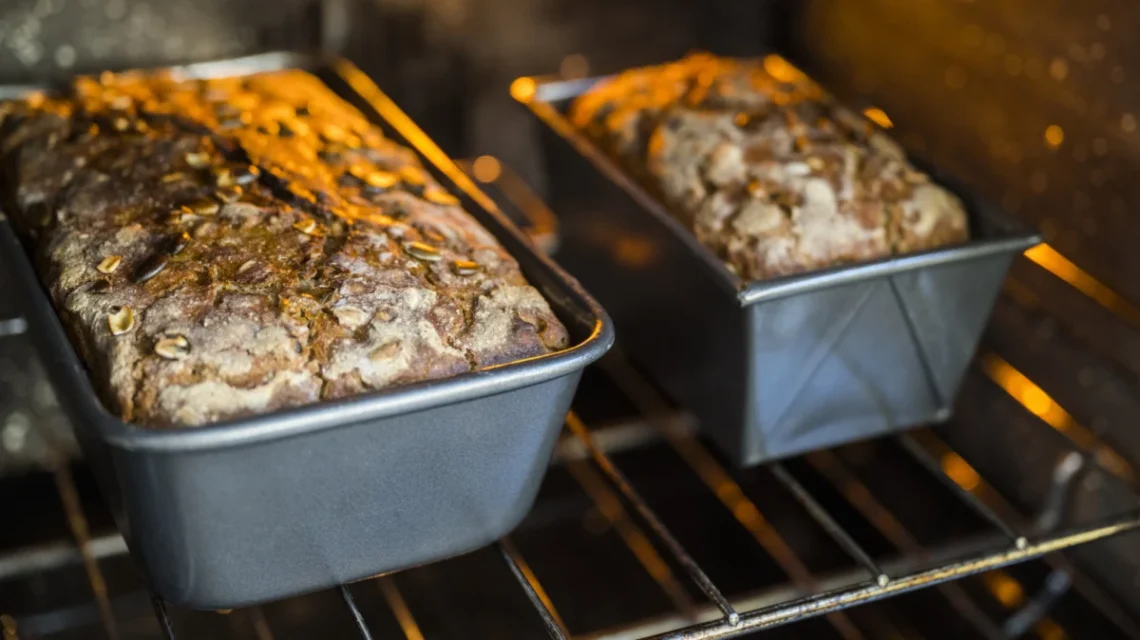
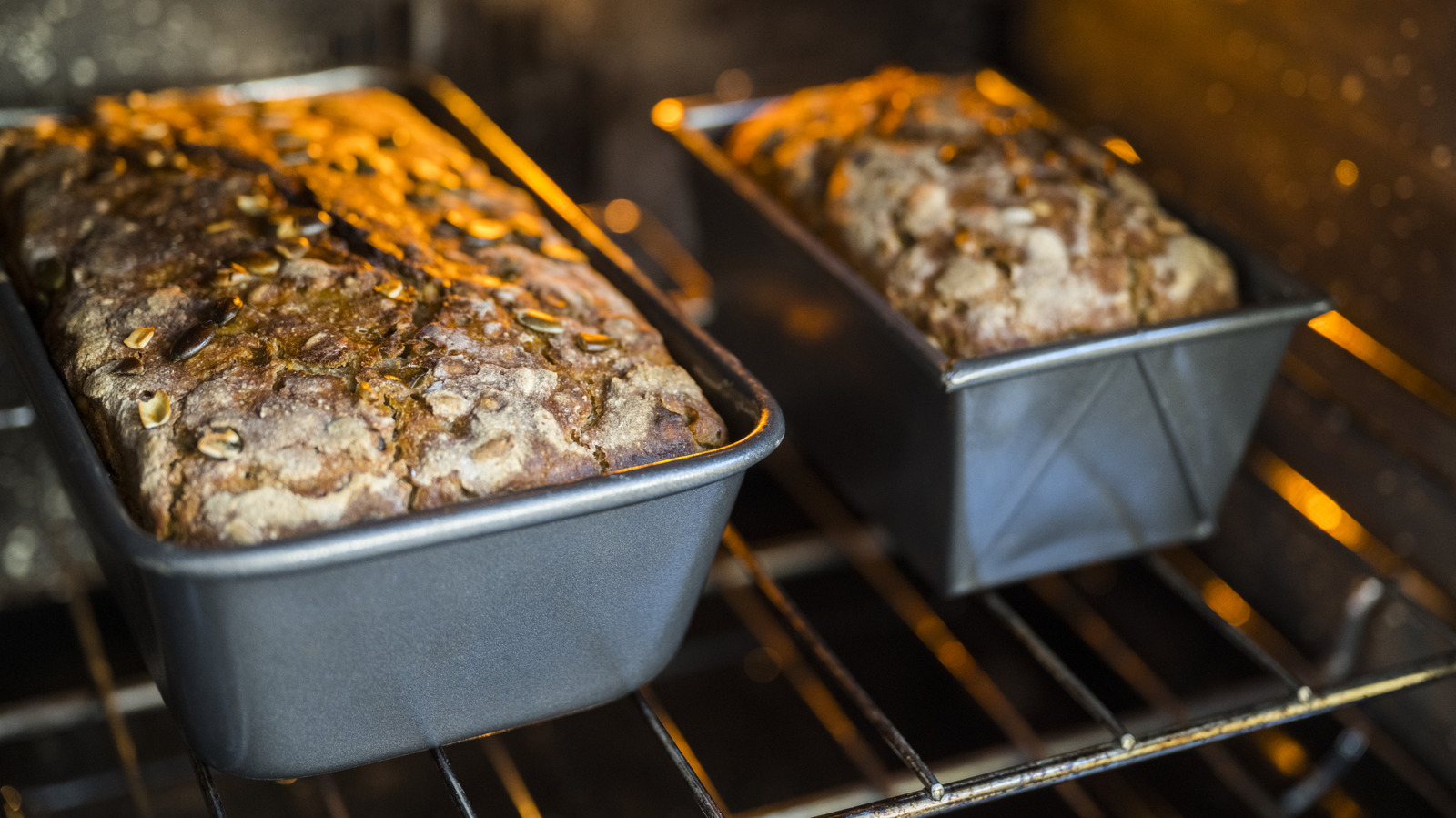
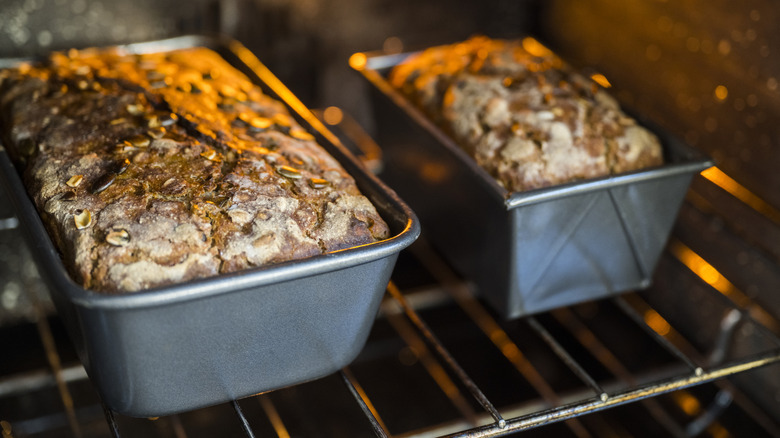
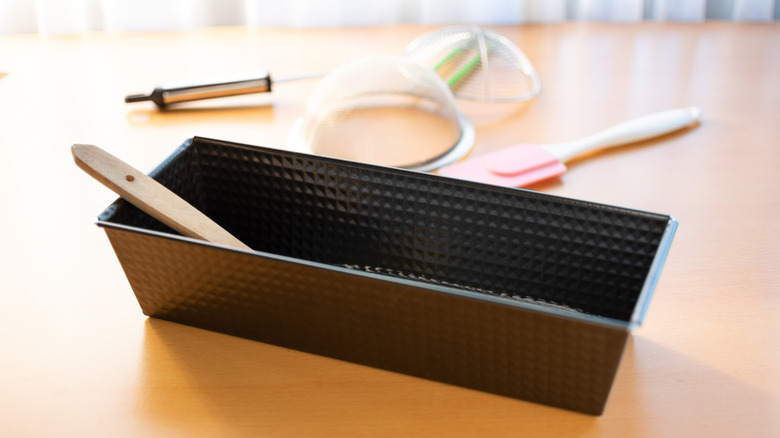
CULINARY INNOVATION — For generations, the bread pan—also commonly known as the loaf pan—has sat quietly in the back of kitchen cabinets, relegated to a singular, predictable existence. It is dragged into the light only when the aroma of rising yeast, banana bread, or pound cake is called for, returning immediately to exile the moment its contents slide out onto a cooling rack.
Yet, professional chefs and resourceful home cooks are beginning to realize that this narrow metal or ceramic receptacle is far more than a specialized baking tool. Thanks to its unique geometry—featuring high, straight walls and a compact, rectangular footprint—the bread pan is an undiscovered culinary workhorse. Whether you are looking to streamline your cooking prep, assemble show-stopping desserts without specialized terrine molds, maximize your freezer space, or simply declutter your overstuffed pantry, the bread pan is uniquely equipped to handle a surprising array of kitchen tasks.
Main Facts: The Anatomy of a Bread Pan and Its Untapped Potential
At its core, the utility of the standard bread pan lies in its physical design. Unlike sprawling casserole dishes or shallow baking sheets, a bread pan concentrates volume vertically. Its high sides create a deep well that encourages dramatic layering in both sweet and savory dishes, while its narrow width ensures it takes up minimal real estate on a crowded countertop, inside a refrigerator shelf, or tucked into a freezer.
Furthermore, standard bread pans—typically measuring around 8.5 by 4.5 inches or 9 by 5 inches—are crafted from materials like heavy-gauge aluminum, aluminized steel, cast iron, or ceramic. These materials are exceptional at conducting and retaining temperature, a property that is just as valuable in freezing ice cream or chilling gelatinous desserts as it is in baking dough.
By looking past its traditional application, home cooks can unlock at least five major alternative uses for the bread pan, transforming a single-use baking accessory into a versatile culinary and organizational asset.
Chronology and Evolution: From Industrial Baking to Modern Kitchen Hack
The bread pan’s history is intrinsically tied to the mechanization of baking. While humans have baked leavened bread in various forms of clay, stone, and cast-iron vessels for millennia, the standardized metal loaf pan became a fixture of the modern domestic kitchen during the mid-20th century, coinciding with the rise of commercial sliced bread and the home-baking boom of the post-war era.
For decades, its purpose remained strictly defined by recipe books and culinary traditions. It produced sandwich loaves, meatloaf, and pound cakes—and little else.
However, as modern kitchens have trended toward smaller square footage—particularly in urban apartments where storage space is at a premium—cooks have been forced to reevaluate unit-taskers (tools that serve only one purpose). The culinary zeitgeist has shifted toward minimalism and multi-functionality. Over the past decade, food writers, recipe developers, and home economics enthusiasts have begun championing the bread pan not as a specialized baking tin, but as a modular tool for assembly, storage, and deep-dish cooking. Today, utilizing a loaf pan for non-baking tasks represents a growing movement toward efficient, resourceful home cooking.
Supporting Data and Alternative Applications
To understand the full scope of what a bread pan can achieve, it helps to examine the specific culinary domains where its design offers an immediate upgrade over traditional equipment.
1. Assembling Towering, Professional-Grade Desserts
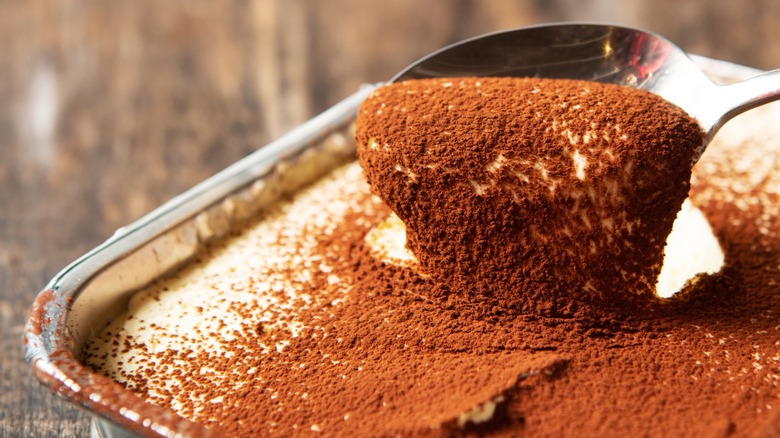
Many beloved confections rely heavily on visual and textural layering. Treats like homemade tiramisu, classic trifles, and rich banana pudding require enough depth to feature a high proportion of filling to structural elements. Traditional shallow dishes often fall short, forcing cooks to compromise on the number of layers.
Bread pans offer a dramatic solution. Their deep wells and rigid, straight sides allow for multiple thick, uniform layers. Furthermore, they act as an affordable alternative to professional terrine molds. For set desserts like buttermilk panna cotta or bavarois, a bread pan makes unmolding remarkably easy. By simply lining the interior with plastic wrap—leaving a generous overhang—and flipping the chilled dessert out onto a serving platter, home cooks can achieve a tall, elegant presentation with clean lines and zero structural collapse.
2. Streamlining Deep-Frying and Breading Prep
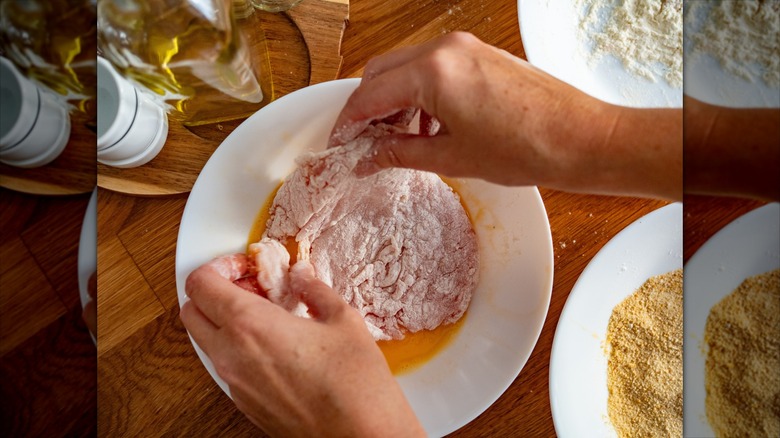
The process of breading cutlets or vegetables for deep-frying—such as chicken-fried steak, schnitzel, or fish—is notoriously messy. It typically requires a three-step assembly line: flour, egg wash, and breadcrumbs.
Many home cooks rely on flat plates or shallow baking sheets for this process. However, flat surfaces cause dry ingredients like flour and breadcrumbs to spread out thinly, requiring constant re-mounding and creating unnecessary counter clutter.
A bread pan completely transforms the breading station. Its high walls contain the ingredients in a compact space, preventing flour clouds and breadcrumb spillover. Cooks can dip cutlets vertically without scattering the contents, significantly speeding up prep time and minimizing cleanup.
3. Engineering Deep-Dish Italian Favorites
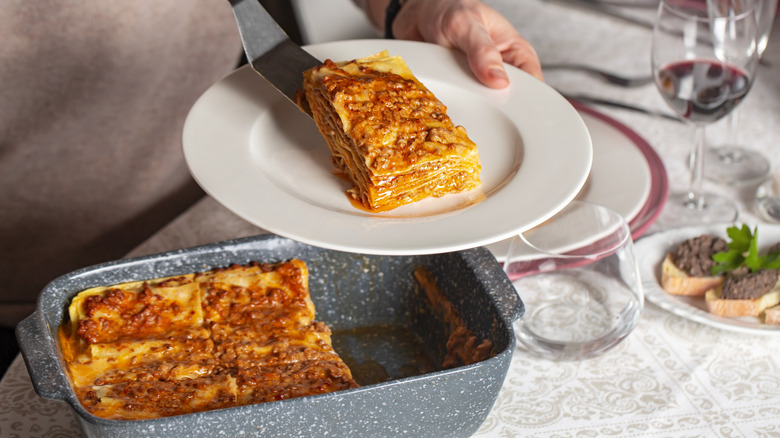
When it comes to baked pasta dishes like lasagna or baked ziti, the battle is often fought over the layers. Standard casserole dishes are frequently too wide and shallow, resulting in a lasagna that sops out rather than standing tall.
Because standard bread pans are roughly the width of many dried lasagna noodles, they eliminate the frustrating need to awkwardly break or overlap pasta sheets to fit a baking dish. Cooks can double or even triple the number of pasta and cheese layers, yielding tall, thick, bistro-style servings. Additionally, these compact pans fit easily into crowded refrigerators during advance meal prep or when storing leftovers.
4. Crafting and Storing Artisanal Ice Cream
Making ice cream at home—whether through a traditional custard base or a quick, three-ingredient no-churn method—requires thoughtful consideration of storage. While the market is saturated with specialized plastic ice cream tubs, they represent yet another single-use item taking up precious cabinet space.
A bread pan serves as an ideal ice cream container. Because metal and ceramic loaf pans chill rapidly in the freezer, they help keep the dessert at a stable temperature. Their narrow profile also makes it exceptionally easy to press a sheet of parchment paper directly against the surface of the ice cream, creating an airtight seal that effectively prevents freezer burn.
5. Repurposing for Kitchen Organization and Storage
Beyond active cooking and baking, the bread pan’s geometric efficiency makes it an unsung hero of kitchen organization.
- Pantry and Fridge Storage: The narrow, elongated shape allows users to dump an entire bag of clementines, lemons, or small potatoes into a single container that slides neatly onto a refrigerator shelf without dominating the space.
- Gadget Containment: For avid bakers, a bread pan can corral loose equipment such as offset spatulas, piping tips, pastry brushes, and cupcake liners.
- Meal Prep and Entertaining: Lined up on a shelf, bread pans can hold grab-and-go breakfast sandwiches for busy weekday mornings. During parties, they double as sleek, rustic holders for silverware, napkins, or condiment packets.
(Note: For those who use their bread pans frequently for baking and wish to avoid emptying out organized odds and ends, inexpensive duplicate pans can easily be sourced from thrift stores or discount retailers for just a few dollars.)
Official Responses and Industry Perspectives
Culinary professionals and cookware manufacturers have taken note of how home cooks are adapting traditional tools.
"The modern kitchen is all about versatility," notes Elena Vance, a culinary product developer based in Chicago. "Consumers are increasingly resistant to buying single-use gadgets that sit in drawers for 364 days a year. When people look at a bread pan and realize it can function as a freezer container, a terrine mold, and an organization bin, it changes their entire approach to kitchenware."
Home economics educators also emphasize the economic and ecological benefits of repurposing existing tools. In an era where grocery and kitchenware costs continue to fluctuate, maximizing the utility of items already present in the home aligns with sustainable, budget-conscious household management.
Implications: The Shift Toward Multifunctional Kitchens
The re-evaluation of the bread pan points to a broader cultural shift in how we view cooking utensils. As cooking shows, social media food content, and recipe blogs democratize advanced culinary techniques, home cooks are becoming more resourceful, stripping away the intimidation factor of specialized equipment.
By proving that a simple loaf pan can execute the duties of a terrine mold, a deep-dish lasagna pan, an ice cream tub, and a breading station, home cooks are challenging the consumerist narrative that every new recipe requires a new purchase. Ultimately, the humble bread pan stands as a reminder that creativity in the kitchen begins not with buying more tools, but with seeing the tools you already have in an entirely new light.