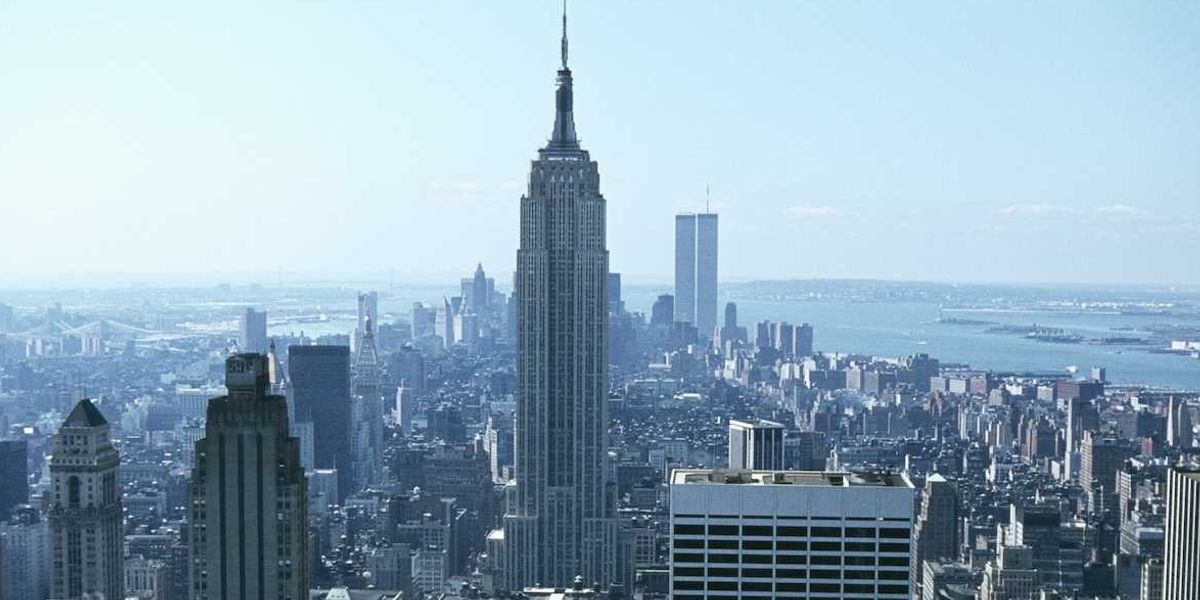
The dawn in New York City possesses a singular, ethereal quality. As the sun rises, casting a golden hue across the glass-paned skyscrapers and reflecting off the rippling waters of the Hudson and East Rivers, the metropolis feels bathed in a promise of new beginnings. It is this specific clarity—a brilliant, cloudless sky—that remains etched in the collective memory of those who lived through the morning of September 11, 2001. A quarter-century later, that day continues to serve as the definitive fault line in the American experience, marking a transition from a world of perceived innocence to one defined by complex vigilance, profound grief, and an unyielding capacity for recovery.
The Chronology of a Changed World
The morning of September 11, 2001, began with the rhythmic, frenetic pulse of a standard Monday in Manhattan. For millions of commuters, it was a day of routine, ambition, and the pursuit of the "New York dream." That rhythm was shattered at 8:46 a.m. when American Airlines Flight 11 struck the North Tower of the World Trade Center.
What many initially perceived as a horrific aviation accident was confirmed as a coordinated act of terror at 9:03 a.m., when United Airlines Flight 175 hit the South Tower. The ensuing hours were a blur of smoke, ash, and bravery. By 9:37 a.m., a third hijacked aircraft struck the Pentagon in Arlington, Virginia. Meanwhile, the passengers and crew of United Airlines Flight 93, having learned of the other attacks, launched a desperate, heroic counter-offensive against their hijackers, forcing the plane into a field in Shanksville, Pennsylvania, at 10:03 a.m.
The collapse of the South Tower at 9:59 a.m. and the North Tower at 10:28 a.m. transformed the Lower Manhattan skyline forever. In the span of less than two hours, the United States had been irrevocably altered. The dust that settled over the city carried not only the debris of steel and concrete but the heavy weight of a new, post-9/11 reality.
The Anatomy of Resilience: A City Rebuilt
In the immediate aftermath, there was a palpable fear that the spirit of New York might be permanently dampened. Instead, the city underwent a metamorphosis. The site of the tragedy, once a smoldering scar, became the epicenter of an architectural and cultural rebirth.
Today, the World Trade Center site is home to the National September 11 Memorial & Museum and the transit hub known as the Oculus. The latter, designed by architect Santiago Calatrava, serves as more than just a transportation center; it is a monument to the city’s defiance of darkness. Calatrava engineered the building’s skeletal roof to align with the sun’s path on the anniversary of the attacks. Each year, at the precise moments the towers were struck and eventually fell, a "Wedge of Light" pours through the skylight, illuminating the concourse. It is a powerful, architectural reminder that, even in the depths of sorrow, light finds a way to pierce the gloom.
Data and Demographics: The Long-Term Impact
Beyond the immediate loss of 2,977 lives, the implications of 9/11 have rippled through the social, economic, and political fabric of the nation for twenty-five years.
- Public Policy and Security: The creation of the Department of Homeland Security in 2002 signaled a fundamental shift in the relationship between the citizen and the state. Surveillance, travel regulations, and intelligence-sharing protocols were overhauled to prioritize national security.
- The Psychological Toll: Research indicates that the psychological impact of the attacks persists. A 2024 study on long-term PTSD among first responders and area residents highlights that while the city has moved forward, the trauma remains a dormant, yet significant, component of the community’s identity.
- Economic Resilience: Despite the initial economic shock to the financial district, New York City’s economy surged in the following decades. The "rootedness" of the city—a term used by those who call Manhattan home—proved to be an economic stabilizer. Small businesses, despite the pressures of globalization and the pandemic, have maintained a high survival rate in lower Manhattan, bolstered by a local culture that prizes neighborhood loyalty.
Official Responses and Global Implications
The U.S. government’s response to 9/11 triggered the Global War on Terror, fundamentally changing American foreign policy. The invasion of Afghanistan in October 2001 and the subsequent 2003 invasion of Iraq represent the most significant military engagements in the post-Cold War era. These actions, while initially supported by a wave of intense patriotism, have been the subject of two decades of intense domestic and international debate regarding the cost of war, the efficacy of nation-building, and the preservation of civil liberties.
In New York City, the response was more intimate. Former mayors and governors, working alongside community leaders, pushed for a rebuild that was not merely functional but symbolic. The One World Trade Center—the tallest building in the Western Hemisphere—stands as an answer to the void left by the Twin Towers, symbolizing both the endurance of the American economy and the refusal to succumb to the intimidation of terror.
The Human Element: Life in a Post-9/11 Metropolis
For the generation of 20-somethings currently flocking to Manhattan, the events of 2001 are history, not memory. Yet, the city they inhabit is entirely shaped by the decisions made in the wake of that day. Living in New York today requires a unique blend of intensity and grace.
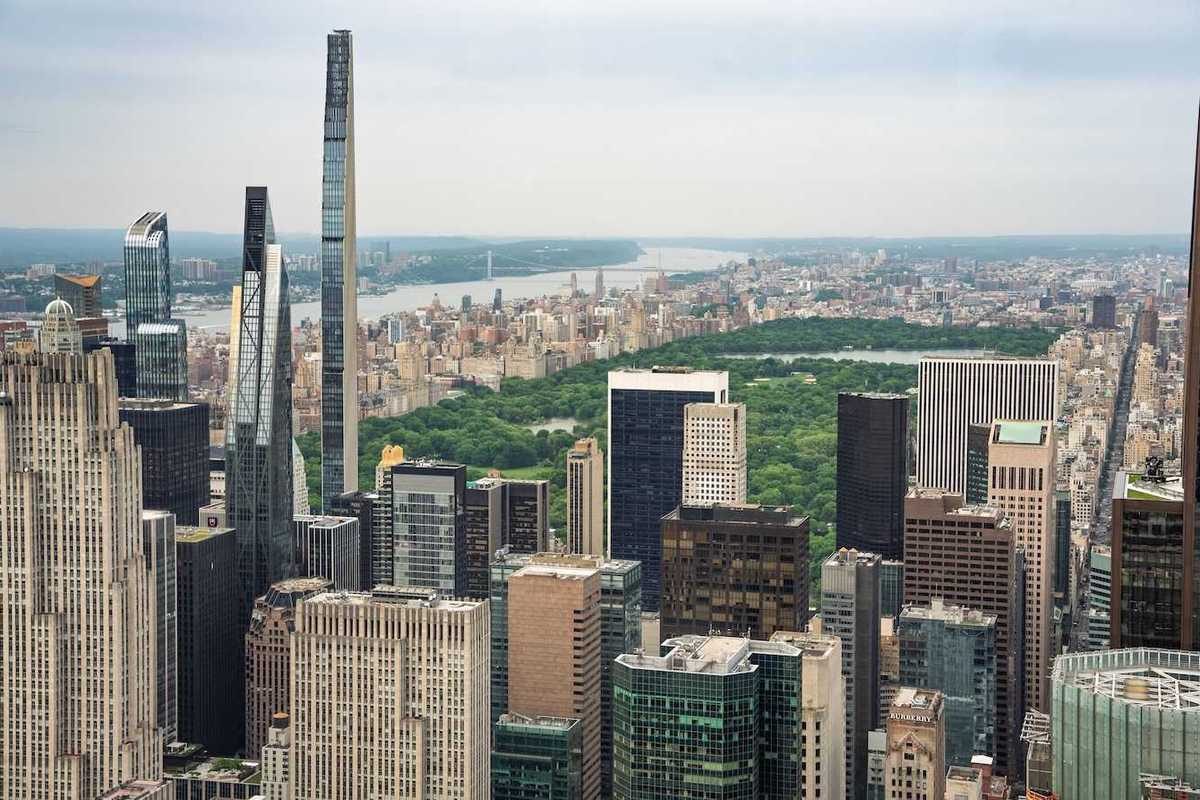
New Yorkers are frequently described as possessing a "direct focus"—a byproduct of living in a place that has faced the ultimate test of survival. The community found in the city’s boroughs is, for many, the primary reason for staying. As one resident noted, observing roots splitting concrete on a city sidewalk is a perfect metaphor for the human condition in New York: life thrives in the most unlikely, and often "hardest," of places.
This determination to flourish is what defines the modern New Yorker. It is a sentiment that persists despite the inherent risks of modern urban life. The fear that followed the attacks has been replaced by a quiet, determined joy. It is an acknowledgment that while darkness is a reality of the human experience, it is not the totality of it.
Looking Ahead: The Legacy of Light
As we reach the 25th anniversary, the narrative of 9/11 is shifting from one of raw, immediate pain to one of long-term endurance. The memorials are no longer just places of mourning; they are spaces of education and reflection for a new generation.
The "Wedge of Light" at the Oculus is not just a clever design choice; it is a philosophy. It suggests that if we build structures—and lives—with the intention of welcoming light, even the darkest anniversaries can be reclaimed.
For those affected by the events of 2001, the passage of time does not erase the loss, but it does allow for the integration of that loss into a larger, more resilient story. New York City, in all its chaotic, beautiful, and sometimes overwhelming intensity, remains the best evidence of this. The city is, and always will be, a testament to the fact that light—whether in the form of a sunrise over the harbor or the collective spirit of millions of neighbors—will always win against the darkness.
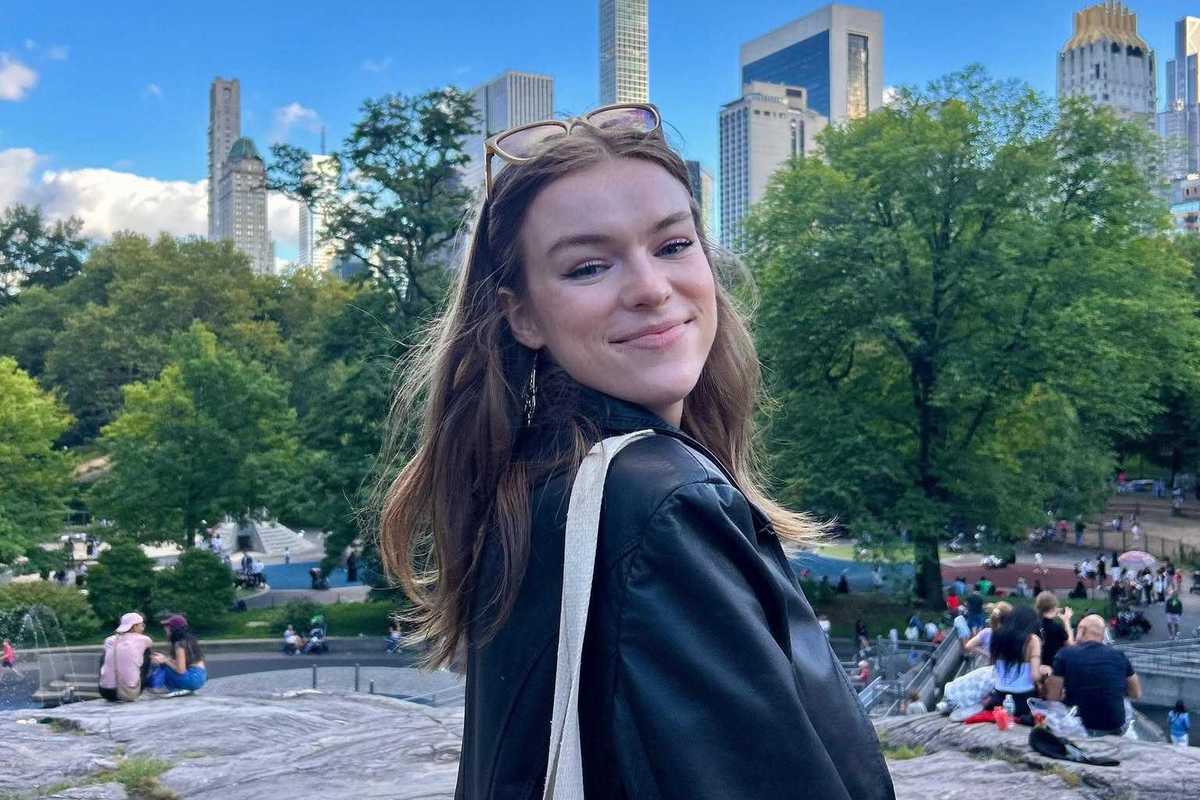
As we remember those we lost, we must also recognize what we have gained: a deeper understanding of our fragility, a stronger commitment to our communities, and an enduring, brilliant light that continues to shine through the gaps in the skyline, reminding us that we are still here, we are still standing, and we are still moving forward.
What is your favorite memory of New York City? As we reflect on this 25th anniversary, we send our deepest love and solidarity to everyone whose lives were changed by the events of September 11, 2001.