Main Facts: The Evolution of an Iconic Aperitivo
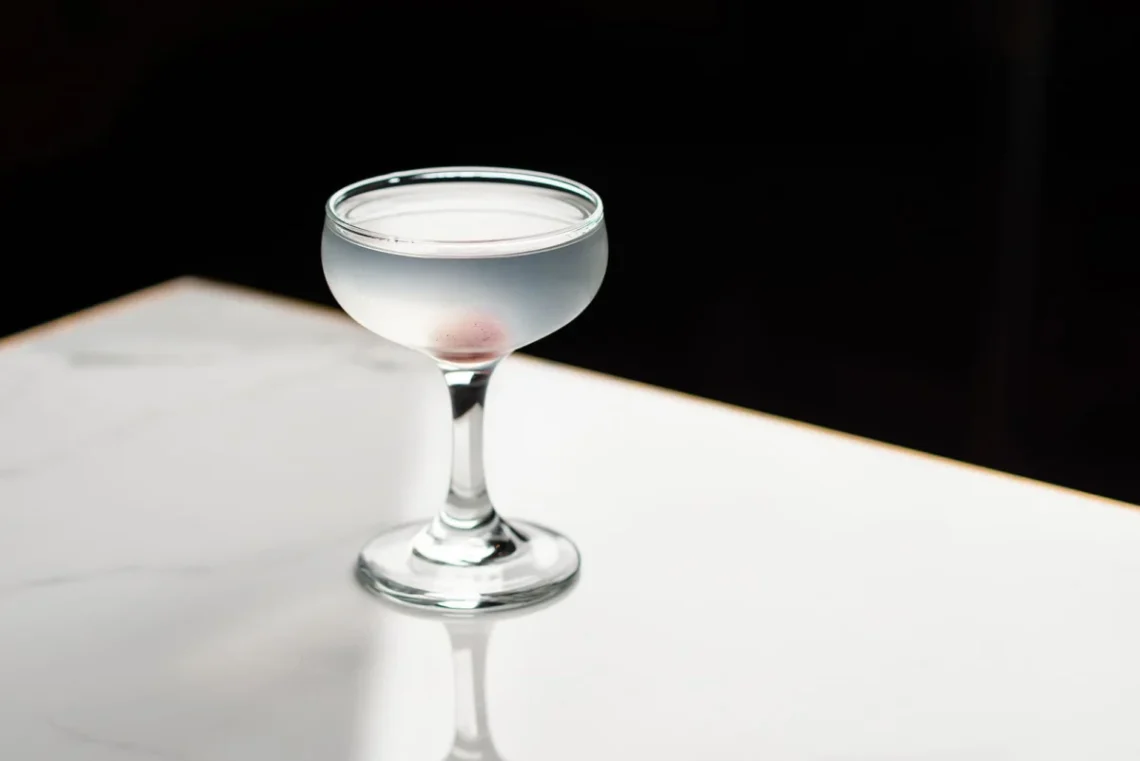
The classic Negroni—a sacrosanct trinity of gin, sweet vermouth, and Campari—has long served as a canvas for bartenders around the globe. While traditionalists tinker endlessly with the proportions and components of the red standard, a lighter, more herbaceous sibling has captured the imagination of the modern cocktail movement: the White Negroni.
Originally created in 2001 by British bartender Wayne Collins for a welcome drink at the Vinitaly wine fair, the traditional White Negroni substitutes traditional sweet vermouth and bitter red liqueur with French gentian liqueur (such as Suze or Salers) and dry vermouth or blanc aperitif wine. Over the past decade, this clear-hued variation has evolved from a bartender’s insider secret into a global phenomenon. Today, contemporary drinkmakers are pushing the concept far beyond its original boundaries. By substituting traditional base spirits and incorporating everything from fruit liqueurs and sake to pisco and rum, today’s mixologists are reimagining the modern classic as everything from a Martini and a Daiquiri to a high-concept tropical escape.
This deep dive explores the innovative ways bartenders are rewriting the rules of the White Negroni, transforming a simple variation into a diverse sub-genre of modern craft cocktail culture.
Chronology: From 2001 to the Global Riff Renaissance
To understand where the White Negroni stands today, it is helpful to trace its trajectory through the annals of modern cocktail history:
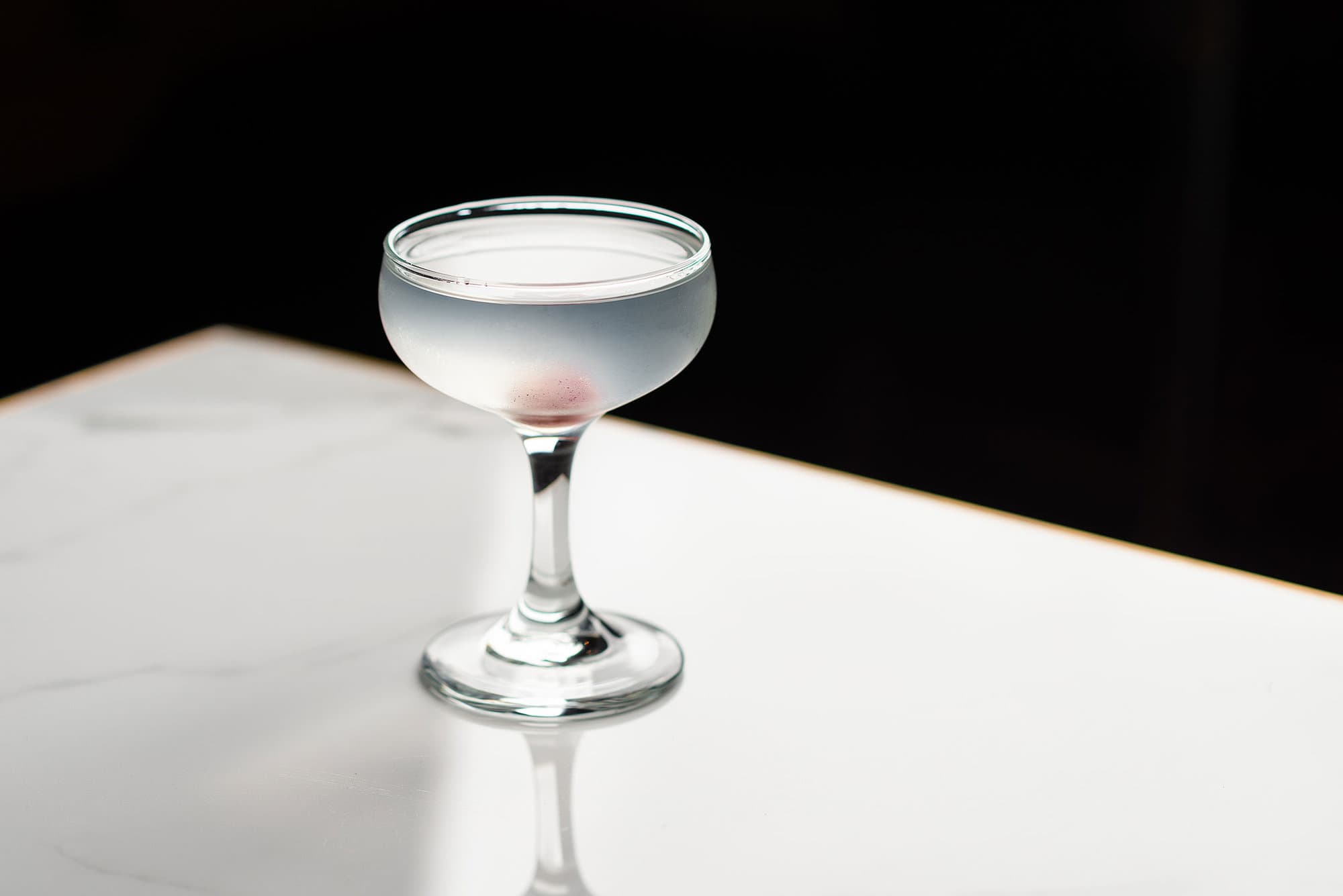
- 2001: British bartender Wayne Collins invents the White Negroni at the request of Plymouth Gin, seeking a drink that would appeal to the palate of northern European drinkers. He pairs gin with Suze and Lillet Blanc, establishing the blueprint for the category.
- 2010s: The craft cocktail boom embraces the White Negroni. Bars across New York, London, and San Francisco begin featuring Suze-based iterations on their menus, praising its bright, earthy bitterness and striking visual clarity.
- The Late 2010s: Bartenders begin treating the structural formula—base spirit, bitter alpine/herbaceous element, and fortified wine/aperitif—as a modular template rather than a rigid recipe.
- The 2020s (Present Day): The movement reaches a fever pitch. Drinkmakers cast aside traditional gins and European bitter liqueurs entirely, experimenting with Japanese sake, Jamaican rums, pisco, and hyper-regional fruit modifiers. The White Negroni is no longer just a drink; it is a foundational concept inspiring riffs on completely unrelated cocktail families, such as Martinis and Daiquiris.
Supporting Data: Anatomizing the Modern White Negroni Riff
To appreciate the sheer creativity happening behind contemporary bars, one must examine the specific mechanisms mixologists use to alter the classic blueprint. Here is a breakdown of notable contemporary White Negroni variations, highlighting how modern bartenders are playing with flavor profiles, historical eras, and regional ingredients:
1. The Tropical & Rum-Forward Riffs
- Dreadlock Holiday (Raised by Wolves): This ambitious cocktail strips away the traditional gin base entirely. Crafted by the team at San Diego’s renowned Raised by Wolves, it functions as a tropical White Negroni by utilizing a rich blend of Jamaican rums coupled with sweet, vibrant pineapple liqueur, proving that funk and gentian bitterness can coexist.
- White Negroni Daiquiri: By merging the structural acidity and refreshing profile of a classic rum Daiquiri with the botanical backbone of a White Negroni, this riff yields a bright, citrus-forward drink that bridges two entirely different cocktail families.
2. Aperitivo Innovation and Floral Modifiers
- Rainy Day Fund (Weather Up): New York’s Weather Up approaches the genre by looking at texture and aroma. Bartender Courtney McKamey swaps out the traditional heavy bitter gentian liqueur for Italicus, a rosolio di bergamotto. This substitution introduces soft, aromatic floral notes and sweet citrus oils, softening the drink’s traditional edges.
- Polka Dot (Toby Maloney / The Violet Hour): Famed mixologist Toby Maloney offers a whimsical, perfectly balanced aperitivo experience at Chicago’s The Violet Hour. His formulation relies on a clean, crisp pairing of gin, Dolin Blanc, and Salers, emphasizing elegance and restraint.
- Kiss With a Fist: This variation plays heavily on Japanese-inspired and delicate spring aromatics. Campari’s distinct bitterness is cleverly deployed to round out sweet cherry blossom (sakura) and stonefruit notes, anchored by bright citrus botanicals.
3. Regional Adaptations and Global Ingredients
- Oro en Paz (Nico Vera): Created as a liquid celebration of San Francisco, bartender Nico Vera swaps the foundational gin for pisco. The grape-forward spirit alters the mouthfeel and aromatic profile of the drink, giving it a distinctly South American identity wrapped in West Coast geography.
- Yuzu Negroni (Bar Leone): Coming out of Hong Kong’s celebrated Bar Leone—hailed as one of Asia’s best bars—Lorenzo Antinori’s take incorporates yuzu sake. The addition of yuzu brightens the herbaceous bitterness with explosive, aromatic citrus and floral characteristics, highlighting a masterclass in minimalist execution.
- White Strawberry Negroni (Hey Palu): Balancing intense bitter elements with the confectionary yet sophisticated taste of Chamberyzette—a traditional French strawberry-flavored vermouth—this variation delivers a gorgeous pinkish hue and a luscious, fruit-forward finish that appeals to modern palates looking for approachable complexity.
4. Cross-Category Hybrids
- Midori Negroni (Niko Novick / Spiegelworld): For a nostalgic nod to the 1970s, bartender Niko Novick introduces Midori melon liqueur into the mix. To prevent the drink from becoming overly sweet, he pairs it with Italicus and dials back the quantity of Suze, creating a neon-tinted, retro-futuristic masterpiece.
- Moitié-Moitié (50:50 Martini): Borrowing from the philosophy of the classic Pegu Club Fitty-Fitty Martini, this drink swaps the traditional vermouth for a rich Corsican aperitif wine. The result sits comfortably on the flavor spectrum halfway between a classic dry Martini and a White Negroni.
- White Negroni Sbagliato: Legendary bartender Toby Cecchini of Brooklyn’s The Long Island Bar expertly marries two beloved Italian drinking traditions—the effervescent Sbagliato (which swaps gin for sparkling wine) and the White Negroni, creating a sparkling, lower-ABV aperitivo designed for long, leisurely afternoons.
Official Responses: What Bartenders and Industry Insiders Say
The shift away from rigid classicism toward playful experimentation has sparked widespread discussion within the hospitality community. Far from viewing these departures as sacrilege, industry leaders view the White Negroni’s evolution as a sign of a mature, confident cocktail culture.
"When you mess with a classic like the Negroni, purists are always going to raise an eyebrow," notes a prominent New York beverage director. "However, the White Negroni was born out of reinvention to begin with. Wayne Collins didn’t set out to recreate the red cocktail; he set out to honor its spirit using entirely different building blocks. Because the template relies on a bitter-sweet-botanical balance rather than a specific red hue, it is inherently modular."
Another prominent bar operator highlights the consumer demand driving these changes: "Guests today are more educated than ever, but they are also seeking novelty. They want the structural complexity of a stiff, stirred drink, but they might want the tropical notes of rum or the floral lift of yuzu. When we pour a riff like the Dreadlock Holiday or a Yuzu Negroni, we aren’t just serving a beverage—we’re offering an entirely new sensory vocabulary built on a familiar foundation."
Implications: The Future of the Modern Aperitivo Hour
The proliferation of White Negroni variations carries significant implications for both back-of-house bar operations and consumer drinking habits.
First, it signals a broader democratization of cocktail menus. Bars are moving away from intimidating, dogmatic lists toward playful, highly personalized offerings that encourage guests to explore flavor profiles—such as gentian bitterness, stone fruit, and fortified wines—without getting bogged down by historical pedigree.
Second, it expands the commercial viability of lesser-known spirits and liqueurs. Categories like French aperitif wines, gentian-based modifiers, premium sakes, and regional fruit liqueurs have seen increased visibility and consumer curiosity precisely because adventurous bartenders are spotlighting them in high-profile riffs.
Ultimately, the humble White Negroni has proven that a great cocktail is not defined by strict adherence to a fixed formula, but by its adaptability. As bartenders continue to color outside the lines—incorporating everything from Japanese citrus to 1970s melon liqueurs—the modern aperitivo hour becomes a richer, more vibrant space for innovation. Whether enjoyed as a sparkling Sbagliato at a neighborhood tavern or as a rum-soaked tropical escape on the West Coast, the White Negroni’s future is as limitless as the imagination of the people pouring it.