WASHINGTON — In the modern landscape of home cooking, where culinary ambition is frequently fueled by hyper-curated social media feeds, complex multi-step recipes, and specialty ingredients that require a dedicated trip to a boutique grocer, millions of exhausted cooks are quietly returning to a centuries-old truth: true culinary excellence often lies in absolute restraint.
As the dog days of summer reach their peak, bringing with them a seasonal fatigue that saps even the most enthusiastic home cooks of their energy, culinary traditionalists and beleaguered parents alike are rediscovering the undisputed monarch of low-effort, high-reward dining: Spaghetti Aglio e Olio.
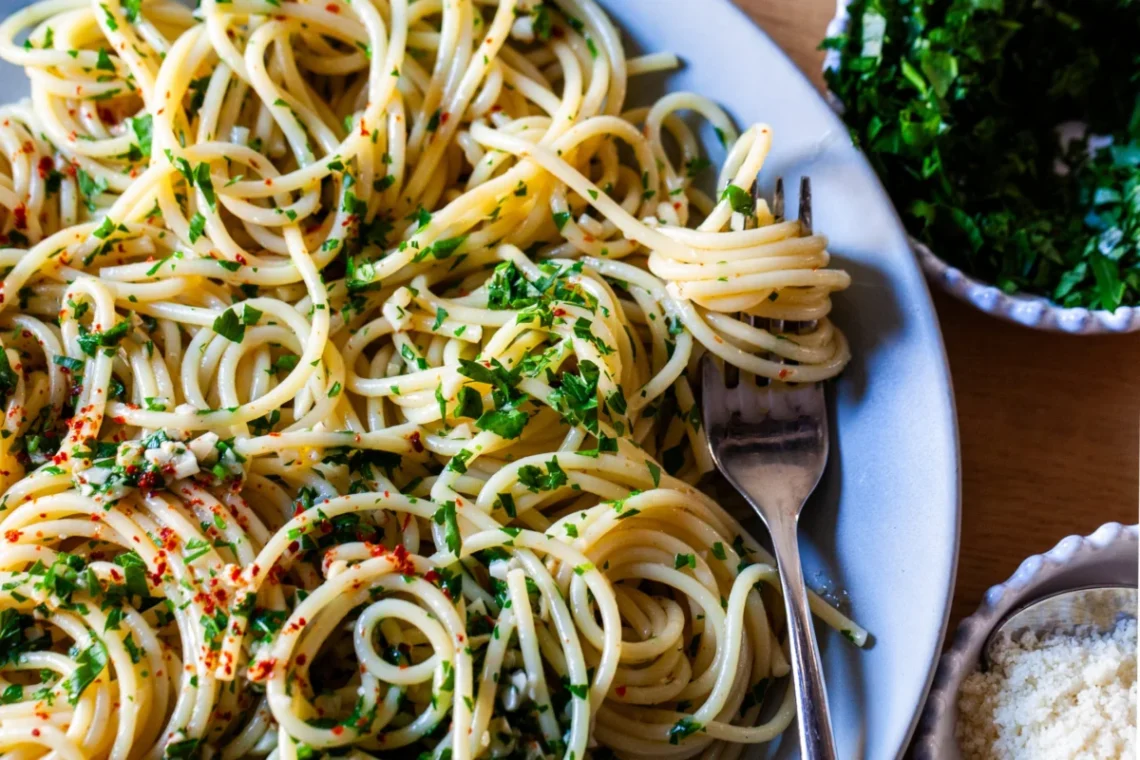
Hailing from the bustling, vibrant streets of Naples, Italy, this humble pasta dish—consisting of little more than spaghetti, garlic, olive oil, and red pepper flakes—demands very little from the cook. Yet, it delivers an aromatic wizardry that can rouse even the most lethargic household members from their post-beach slumbers or screen-induced stupors. It is the ultimate antidote to kitchen burnout, requiring minimal ingredients, minimal effort, and offering maximum comfort.

Main Facts: Stripping Cooking Down to Its Essentials
At its core, Spaghetti Aglio e Olio is a masterclass in the alchemy of basic pantry staples. The dish requires no imported truffles, no slow-simmered ragù, and no exotic spices. Instead, it relies on a symbiotic relationship between a handful of ubiquitous items:
- The Pasta: Traditional spaghetti forms the foundation, providing a sturdy, starch-rich vehicle for the sauce.
- The Fat: Extra virgin olive oil serves as both the cooking medium and the base of the sauce, carrying flavors throughout the dish.
- The Aromatics: Thinly sliced or minced garlic, which transforms from pungent to sweet and nutty as it gently renders in the oil.
- The Heat: Crushed red pepper flakes, adding a subtle, warming kick that cuts through the richness of the oil.
- The Emulsifier: A secret weapon consisting of starchy pasta cooking water, which binds the oil and water together into a glossy, cohesive emulsion that coats every individual strand of spaghetti.
Unlike heavy winter cream sauces or complex braises that demand hours of attention, aglio e olio can be prepared in the exact amount of time it takes to boil a pot of water and cook pasta to al dente perfection—roughly 10 to 12 minutes.
Chronology: From Neapolitan Alleys to the Modern Global Pantry
The origins of Spaghetti Aglio e Olio are deeply rooted in the working-class neighborhoods of Naples, where resourceful cooks historically relied on inexpensive, non-perishable ingredients to feed families during lean times.

The Historical Evolution
- Pre-Industrial Naples: Originally, Neapolitan street vendors and home cooks prepared the dish using dried pasta, locally pressed olive oil, and wild or readily available garlic. Because refrigeration did not exist, salt-cured or dried items dominated the pantry. Red pepper flakes (peperoncino) became a staple addition later, reflecting southern Italy’s penchant for heat.
- Mid-20th Century Diaspora: As Italian immigrants moved across the globe, bringing their culinary traditions with them, aglio e olio traveled silently in the back pockets of home cooks. While high-end Italian restaurants focused on showstopping seafood pastas and complex tomato sauces, aglio e olio remained an insider secret—a late-night shift meal for line cooks and a budget-friendly staple for college students.
- The Digital Age Resurgence: In recent years, food writers, culinary historians, and digital content creators have demystified the recipe for a broader audience. Rather than viewing it as "poor man’s food," modern food culture has reclassified it as minimalist perfection—the ultimate test of a cook’s technique rather than their budget.
Supporting Data: The Economics and Efficiency of Minimalist Cooking
To understand why Spaghetti Aglio e Olio maintains such a resilient hold on modern culinary routines, one must examine the shifting metrics of home economics and consumer energy levels, particularly during peak vacation seasons and high-stress months like August.
Nutritional and Financial Efficiency
- Cost-Per-Serving: Market analyses of basic grocery items indicate that a single serving of Spaghetti Aglio e Olio costs significantly less than one dollar, making it one of the most economically viable meals available.
- Time Investment: On average, preparing a complex weeknight dinner requires between 45 and 60 minutes of active labor, followed by extensive cleanup. Aglio e olio reduces active labor to under five minutes and utilizes just two vessels: a pasta pot and a skillet.
- Pantry Longevity: Because pasta, olive oil, dried chili flakes, and garlic boast exceptionally long shelf lives (or in the case of garlic, can be stored easily in a cool, dark place), the dish serves as a reliable culinary safety net. It requires zero advance meal planning or grocery store excursions.
Furthermore, culinary flexibility data reveals that aglio e olio acts as a premier vehicle for kitchen waste reduction. Home cooks frequently deploy the dish as a canvas for clearing out refrigerator remnants—tossing in limp handfuls of flat-leaf parsley, scattering diced roasted vegetables that are past their prime, or crowning the pasta with leftover grilled chicken thighs, lemony shrimp, or canned white beans.
Official Recommendations and Culinary Insights: How to Master the Technique
While the ingredient list is deceptively simple, executing Spaghetti Aglio e Olio requires specific technical precision to avoid common pitfalls, such as burning the garlic or ending up with an oily, un-emulsified mess. Professional chefs and culinary instructors emphasize several non-negotiable rules for preparation:

The Definitive Method
- Generous Salting: Salt the boiling pasta water aggressively—it should taste reminiscent of the Mediterranean Sea. This seasons the pasta from the inside out, establishing the foundational flavor profile.
- The Cold-Start Technique: Unlike traditional sautéing, where a pan is heated before adding oil and aromatics, aglio e olio master practitioners recommend placing the olive oil, garlic, and red pepper flakes into a cold skillet, then turning the heat to medium. This gradual warm-up prevents the delicate sugars in the garlic from scorching and turning bitterly brown.
- The Timing Window: Boil the spaghetti until it is precisely one to two minutes shy of package instructions (al dente), as it will continue cooking later in the skillet.
- The Starchy Reserve: Before draining the pasta, scoop out at least one full cup of the cloudy, starch-laden cooking water.
- The Emulsion Dance: Combine the drained pasta, the garlic-infused oil, and half of the reserved cooking water directly in the skillet over medium heat. Stir and toss vigorously. The starch from the water will marry with the oil to create a velvety, glossy coating that clings to the noodles rather than pooling at the bottom of the bowl. Add the remaining water as needed to maintain a loose consistency.
- The Final Polish: Finish with a shower of freshly chopped parsley and an extra, unheated drizzle of high-quality extra virgin olive oil.
While purists strictly forbid the addition of cheese—arguing that dairy overpowers the delicate balance of garlic and oil—modern pragmatic consensus dictates that culinary rules are meant to be bent. As household culinary authorities frequently note: "Your house, your rules." A dusting of freshly grated Parmesan or Pecorino Romano, while non-traditional, remains a popular and permissible modification.
Implications: The Psychological Relief of Low-Stress Cooking
Beyond its physical sustenance, the enduring popularity of Spaghetti Aglio e Olio highlights a broader cultural shift in how contemporary society views domestic labor, particularly within the kitchen.
For decades, modern media bombarded home cooks with expectations of elaborate, scratch-made dinners every single night, contributing significantly to domestic burnout and decision fatigue. The embrace of dishes like aglio e olio signals a collective pushback against performance-based cooking.

By stripping away the pressure to impress, minimalist recipes grant home cooks psychological permission to lower the bar during high-stress periods—whether navigating a poorly equipped vacation rental kitchen, managing chaotic family dynamics, or simply enduring the dog days of summer heat. It proves that culinary satisfaction is not proportional to the complexity of the recipe.
Ultimately, Spaghetti Aglio e Olio serves as a comforting reminder that sometimes, the best thing a person can do for themselves and their household at the end of a long day is to boil some noodles, trust in the transformative power of sizzling garlic, and allow simplicity to reign supreme.