For many novice gardeners, the journey into floriculture begins with the humble annual. It is a cost-effective, accessible entry point that yields immediate, colorful results. However, as any seasoned grower will attest, relying solely on annuals creates a "bloom bottleneck"—a mid-summer explosion of color followed by an abrupt, quiet exit as autumn settles in.
The transition from a seasonal hobbyist to a year-round flower farmer requires a fundamental shift in strategy. It demands a move beyond the "seed packet" mentality toward a more sophisticated, layered approach to horticulture. By curating a diverse collection of bulbs, perennials, biennials, roses, and shrubs, growers can extend their harvest window to an impressive ten months of the year. This guide explores the seasonal rhythm of such a garden, drawing from the expertise of Floret Farm to help you fill the gaps in your own blooming calendar.
The Philosophy of Perpetual Harvest
The secret to a garden that provides for nearly the entire year lies in variety and succession. When you diversify your planting categories, you mitigate the risk of seasonal gaps. By selecting specific cultivars that bloom in the “shoulder seasons”—late winter, early spring, and late autumn—you create a landscape that is constantly evolving.
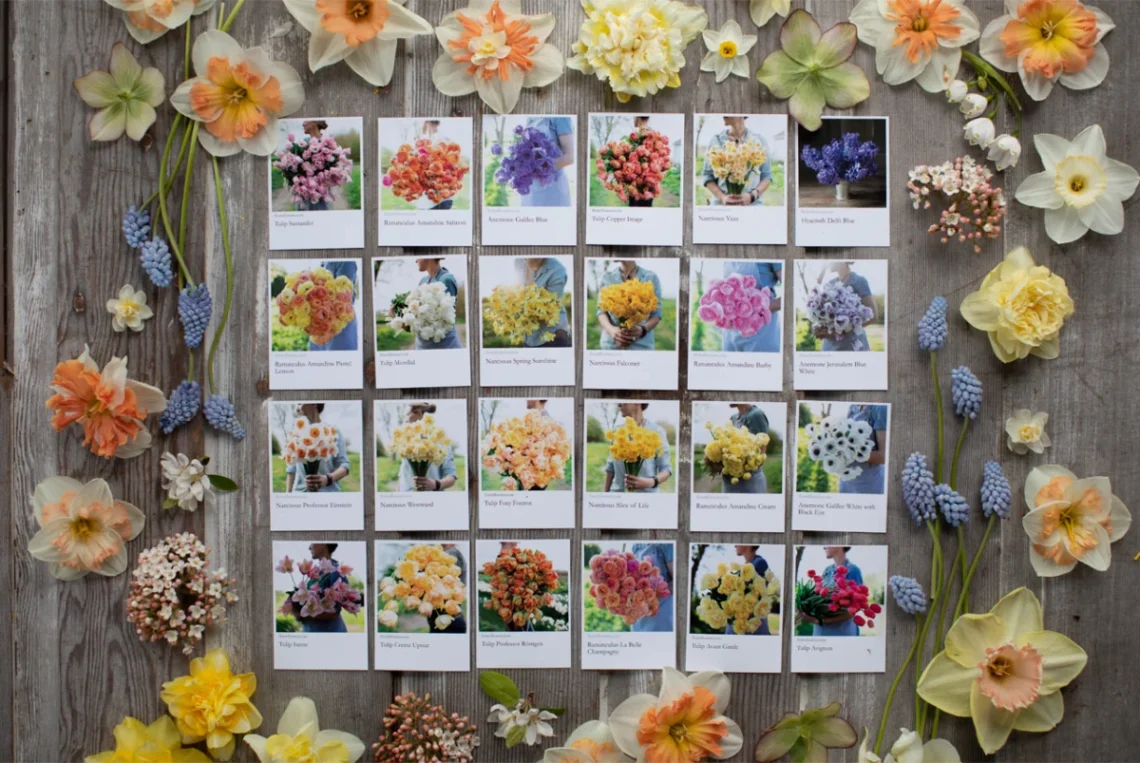
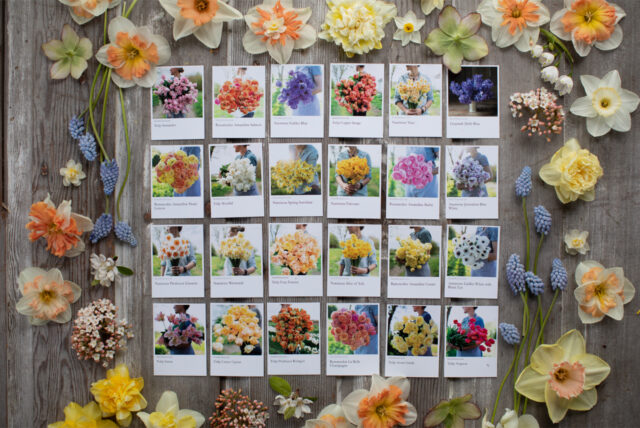
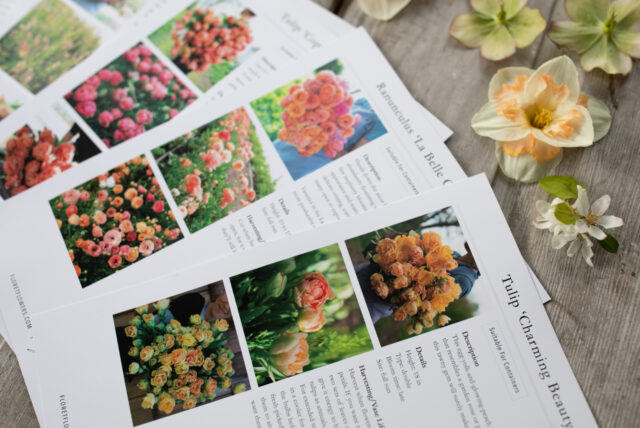
For those looking to map out their own garden, visual planning is essential. Utilizing resources like the Floret Library allows gardeners to categorize plants by bloom time, height, and color palette. Whether you are a visual learner using printable planning cards or a data-driven grower diving into specific variety profiles, success begins with intentional design.
Chronology: A Seasonal Bloom Calendar
February: The Winter Awakening
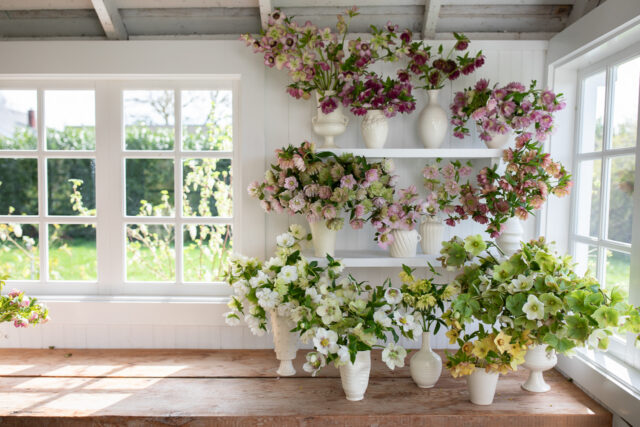
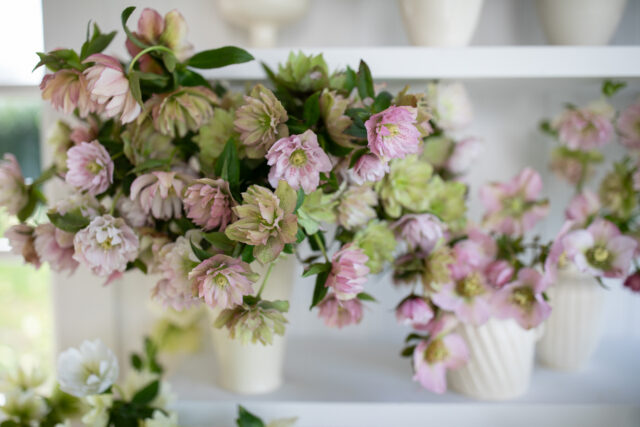
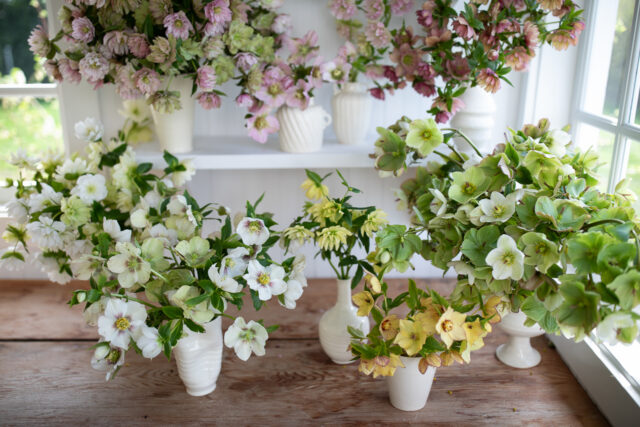
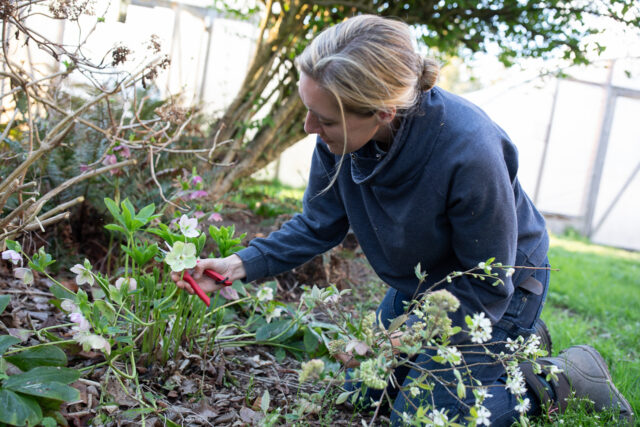
As the frost begins to wane, the Hellebore (or Lenten Rose) takes center stage. These long-lived perennials are the first to emerge, providing a much-needed splash of color when the rest of the garden remains dormant. While the initial investment in hellebore stock can be higher than other plants, their resilience and longevity make them a prudent long-term addition. Modern breeding has revolutionized the species, producing larger, upward-facing blooms in a spectrum ranging from deep eggplant and black to soft peach and ivory.
March: The Early Spring Surge
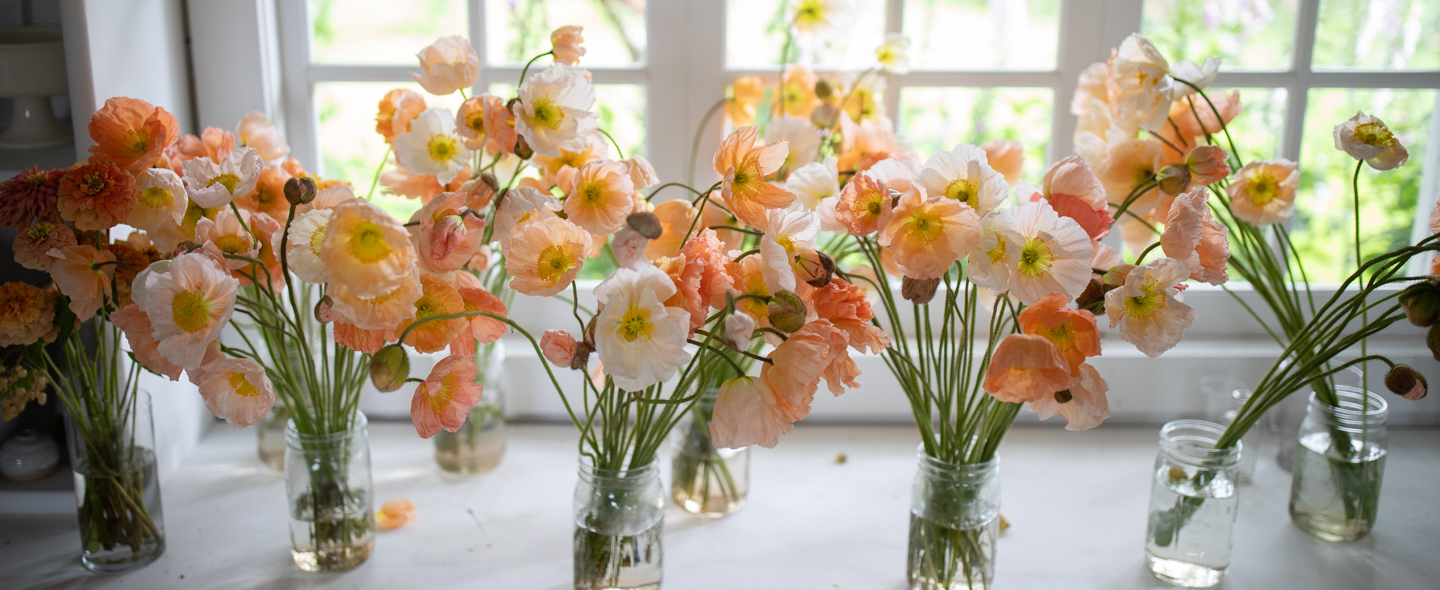
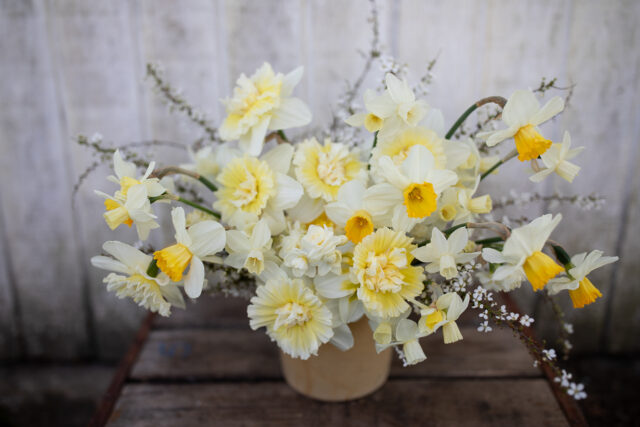
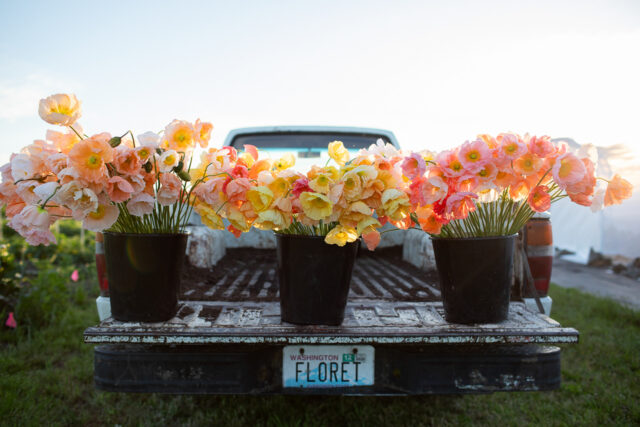
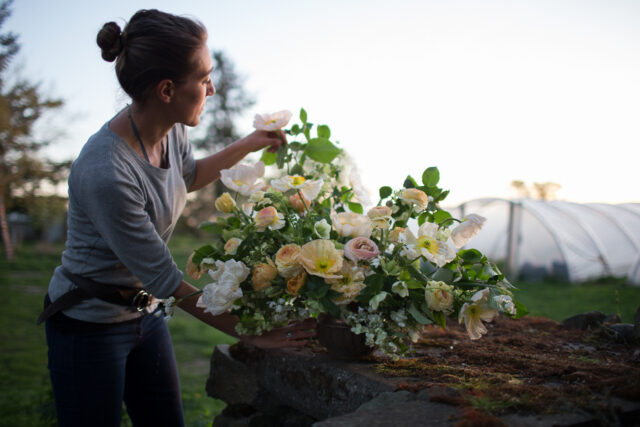
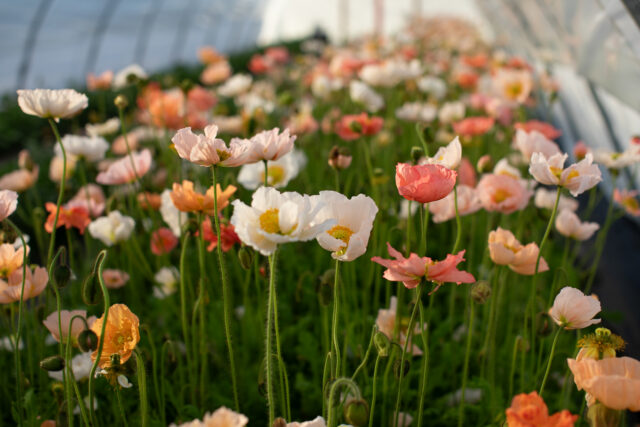
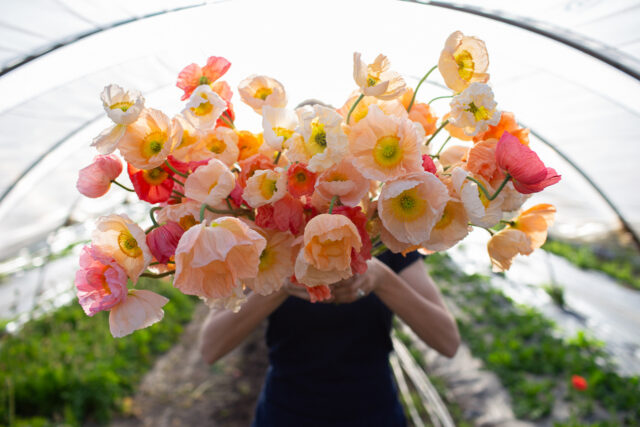
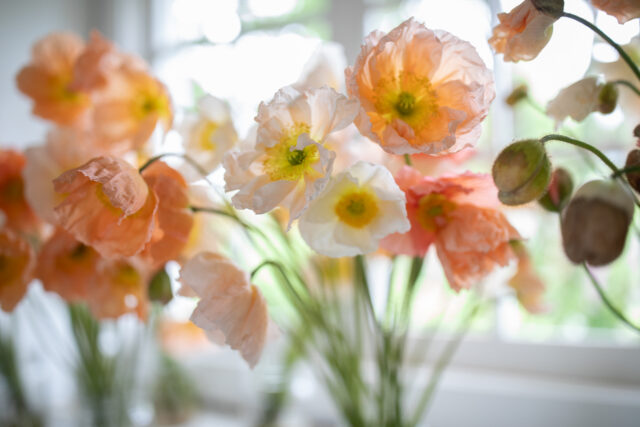
As temperatures inch upward, the garden shifts to Iceland Poppies and early Daffodils. Iceland Poppies, with their tissue-paper petals and citrusy fragrance, are best treated as hardy annuals. Grown in unheated hoop houses, they provide an early, abundant harvest. Meanwhile, daffodils—of which over 240 varieties exist—serve as the quintessential sign of spring. Their ease of growth and rapid multiplication make them an essential staple for any cutting garden.
April: The Peak of Spring
April brings the arrival of Tulips, Anemones, and Ranunculus. In regions like the Pacific Northwest, these bulbs are grown on a massive scale, but for the home gardener, they offer a vast world of fringe, ruffled, and striped varieties often unavailable in commercial retail. Anemones are particularly prized for their productivity, often producing over 30 flowers per corm, while Ranunculus—the "rose of spring"—offers a vase life that can exceed ten days if harvested at the marshmallow-soft bud stage.
May: Fragrance and Elegance
May is the month of Lilacs, Peonies, and Bearded Iris. Lilacs offer a sensory, nostalgic experience that few other plants can replicate. With over 140 cultivars available, there is significant room for variety. Following closely are the Peonies, the "queens of spring," which have cultivated a devoted following for their billowy, ruffled blooms. Bearded Iris, blooming in the awkward gap between spring bulbs and summer perennials, offer an unconventional color palette including silvers, browns, and blacks.
June: The Cottage Garden Classics
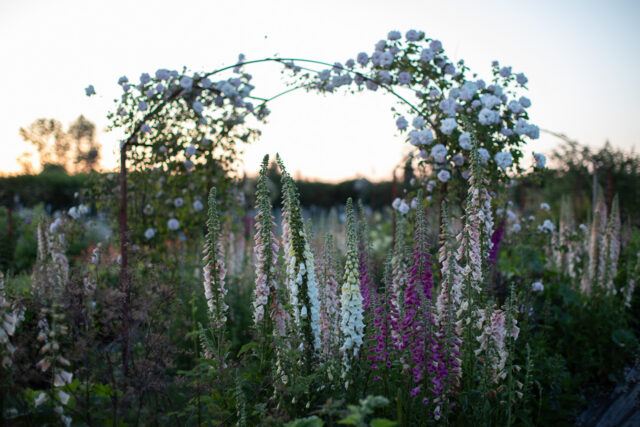
June introduces Biennials—Canterbury bells, foxglove, and sweet rocket—which bridge the transition to summer. This is also the season of Pansies and Violas, which have seen a resurgence in popularity thanks to new design-focused literature. Most importantly, June signals the height of Rose season. For the cutting gardener, English roses, bred for both the appearance of heirloom varieties and the vigor of modern plants, are indispensable.
July: The Height of Summer
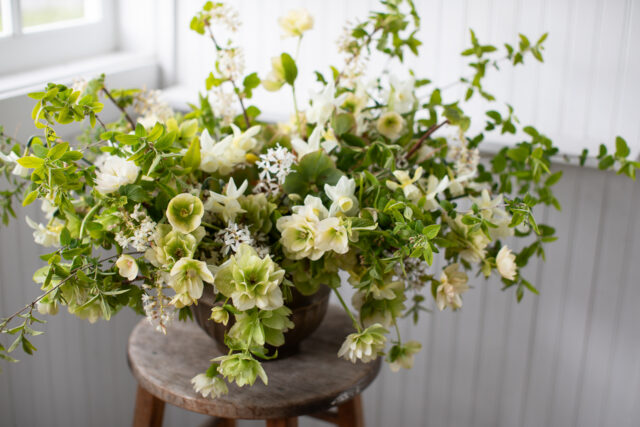
July brings the arrival of Clematis as a cut flower, a revelation for many designers. Beyond their utility as climbers, they offer an incredible diversity of forms, from star-shaped blooms to hanging bells. This is also the time for Lilies, which thrive in the summer heat and reward the gardener with towering, fragrant stems. Furthermore, July is the ideal time to intersperse "edibles" like cherry tomatoes, chili peppers, and herbs into bouquets—a trend that adds texture and personality to arrangements.
August: Heat-Loving Staples
As summer reaches its zenith, Zinnias and Sunflowers dominate. Zinnias are the workhorses of the garden, churning out buckets of stems from mid-summer until the first frost. The more they are harvested, the more they bloom. Sunflowers, meanwhile, remain the most popular cut flower globally, thriving in the "dog days" of summer with minimal intervention.
September: The Grand Finale
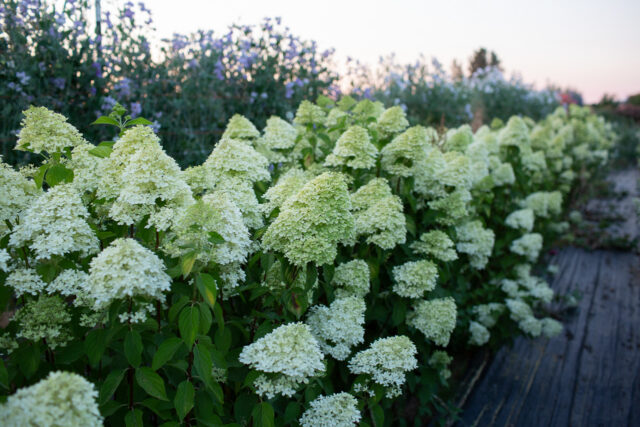
September is the peak of the Dahlia season. With thousands of varieties, these flowers provide the dramatic color needed for late-summer designs. This month also features the Hydrangea, specifically the PeeGee varieties, which turn a beautiful cranberry hue as the air cools.
October & November: The Last Hurrah
The season concludes with Marigolds and Chrysanthemums. Marigolds are nearly weatherproof and provide the warm, earthy tones of autumn. Chrysanthemums, often unfairly maligned due to their mass-market association, are, in their heirloom forms, the true stars of November. They provide a final, stunning burst of color just as the rest of the world goes to sleep.
Supporting Data: Vase Life and Conditioning
A beautiful garden is only half the battle; ensuring those blooms last in the vase is the other.
- Daffodils: Require 2–3 hours of solitary conditioning to allow their toxic sap to callous, preventing damage to other flowers in an arrangement.
- Iceland Poppies: The stem ends must be seared with flame or boiling water for 7–10 seconds to ensure a week-long vase life.
- Sweet Peas: These delicate blooms require floral preservative and should be harvested with at least two unopened buds at the tip.
- Zinnias: The "wiggle test" is the gold standard; if the stem is stiff 8 inches down, it is ready to cut.
Official Perspective and Implications
The shift toward a ten-month harvest cycle is not merely an aesthetic choice; it is a movement toward self-sufficiency and environmental stewardship. By choosing varieties that are suited to one’s specific climate and soil, gardeners reduce the reliance on long-distance, imported flowers, which often carry a significant carbon footprint.
Furthermore, the revival of heirloom varieties—whether in roses, dahlias, or chrysanthemums—plays a vital role in preserving genetic diversity. As climate patterns shift, maintaining these resilient, varied plant stocks ensures that the art of floral design remains vibrant and sustainable for future generations.
Conclusion
Extending your harvest season is an exercise in patience and planning. It requires moving beyond the instant gratification of a single, uniform bloom time and instead embracing the slow, staggered rhythm of a diverse, perennial-focused garden. Whether you are planting your first row of hellebores in February or harvesting the final heirloom chrysanthemums in November, the effort invested in a year-round garden is rewarded with a constant, evolving connection to the natural world.