Main Facts: The Clash Between Data and Dietary Advice
In a stunning break from decades of established public health consensus, a series of high-profile papers published in the Annals of Internal Medicine offered a provocative conclusion: individuals could continue consuming red and processed meats at their current levels. This guidance was issued despite the researchers’ own data acknowledging clear statistical associations between heavy meat consumption and life-threatening conditions, including various forms of cancer, cardiovascular disease, type 2 diabetes, and premature death.
The publication triggered a firestorm within the global scientific community. Critics, public health officials, and independent epidemiologists accused the authors of prioritizing consumer preferences and "taste costs" over empirical evidence. By leaning heavily on a controversial methodological framework known as GRADE (Grading of Recommendations Assessment, Development, and Evaluation)—a system primarily designed for evaluating randomized pharmaceutical trials rather than complex behavioral and nutritional habits—the panel discounted decades of observational public health research.
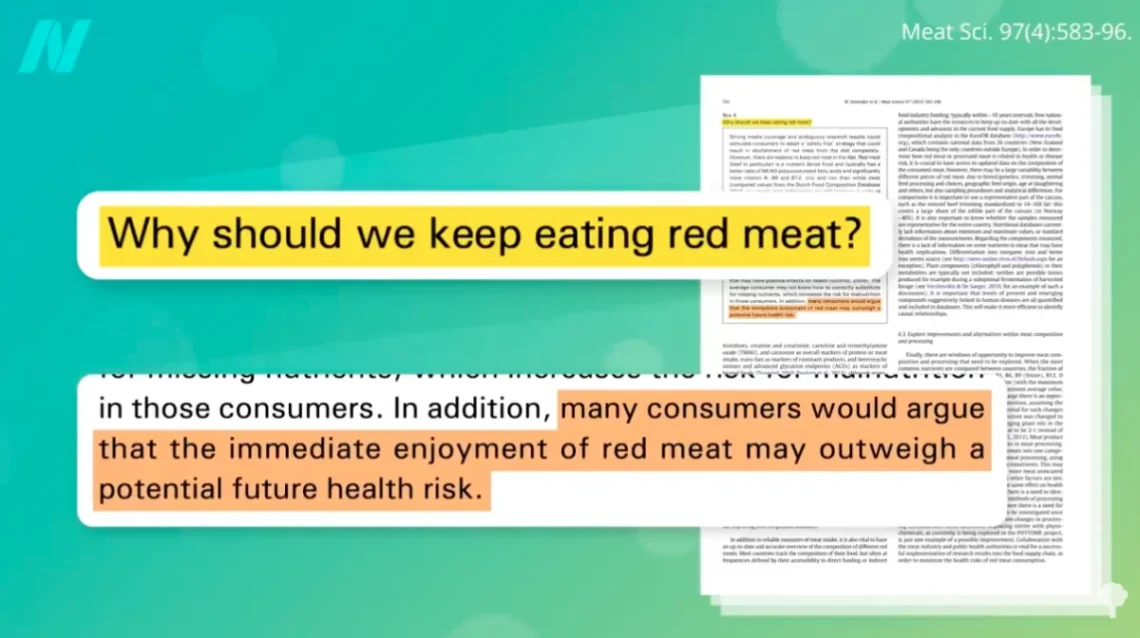
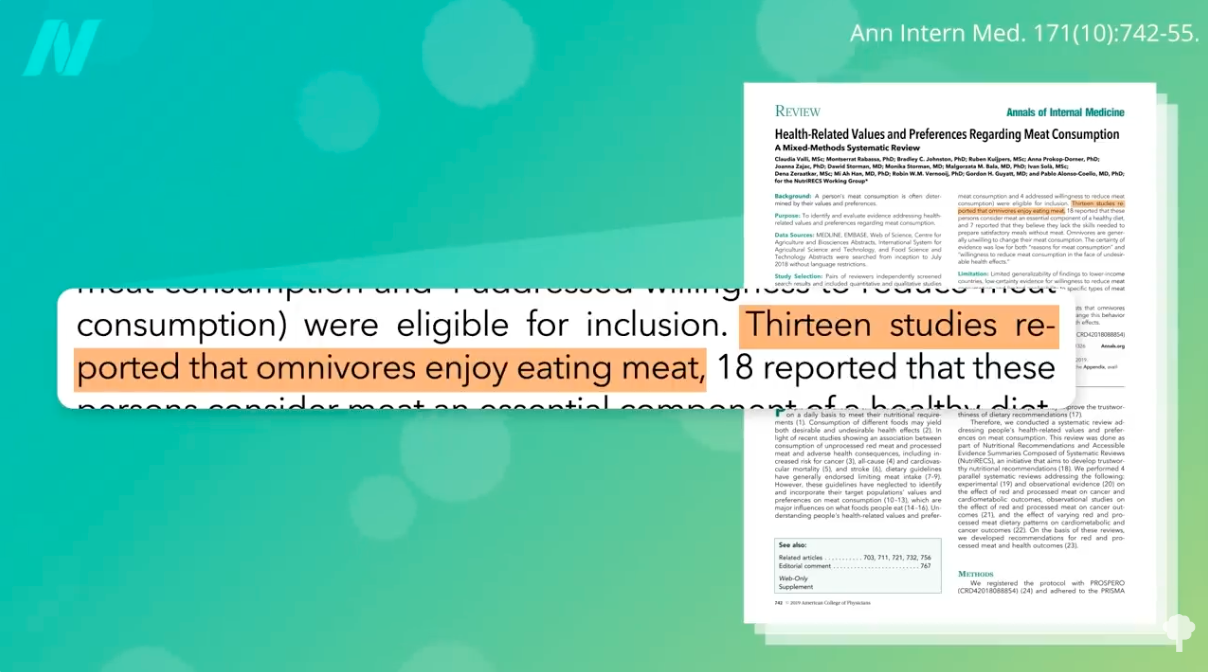
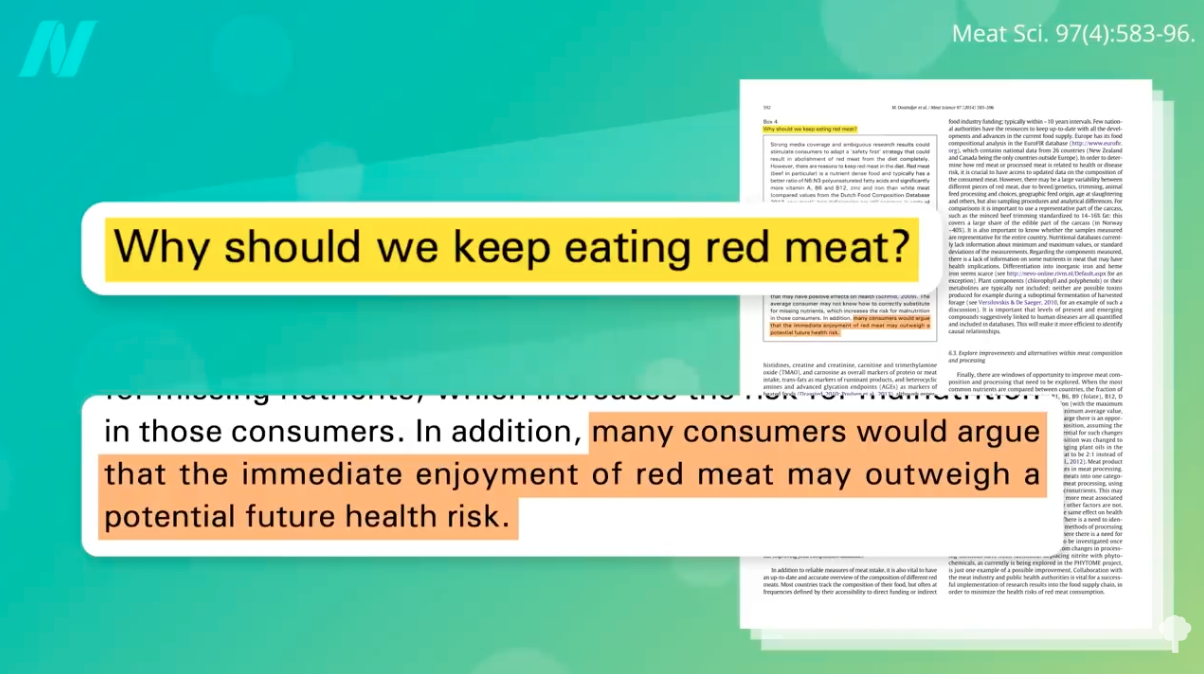
Ultimately, the core paradox of the papers remains glaring: while the researchers’ own meta-analyses explicitly linked a reduction in red and processed meat to notable drops in overall mortality and chronic illnesses, they nevertheless advised the public to keep eating burgers and bacon as usual. The justification? Omnivores simply enjoy the taste of meat, and that immediate pleasure outweighs the statistical risks of debilitating chronic diseases.
Chronology: How the Controversy Unfolded
To understand how nutritional guidelines arrived at such a controversial crossroad, it is necessary to examine the timeline of events surrounding the publication and the broader pattern of industry-influenced science.
- Pre-2019: Decades of epidemiological research accumulate, consistently linking high intakes of red and processed meats to elevated risks of colorectal cancer, cardiovascular disease, and metabolic disorders. Major health institutions globally issue warnings advising moderation or reduction in meat intake.
- September 2019: A newly formed international consortium, NutriRECS, publishes a series of systematic reviews and guidelines in the Annals of Internal Medicine. Despite finding correlations between meat intake and adverse health outcomes, the panel recommends that adults maintain their current levels of unprocessed and processed meat consumption.
- Late 2019: The public release is met with immediate, intense pushback from prominent nutritionists, cardiologists, and public health organizations. Critics point out the methodological flaws of applying drug-trial criteria to lifestyle habits. Investigations reveal that members of the research panel had historical and institutional ties to organizations receiving funding from the meat industry.
- October 2019: Public health experts, led by figures such as Dr. David Katz of Yale’s Prevention Research Center, file formal petitions and publish scathing critiques. They argue that the recommendations actively subvert scientific integrity by promoting anti-science justifications—comparing the logic to telling people they do not need to wear motorcycle helmets or quit smoking if they enjoy the thrill.
- Ongoing (Present): The fallout from the 2019 controversy continues to shape discussions on how nutritional guidelines are formed, highlighting the ongoing tension between rigorous public health protection and consumer gratification-based research models.
Supporting Data: What the Numbers Actually Show
The debate largely hinges on how evidence is filtered, weighed, and interpreted. When the research panel conducted its systematic reviews, their own data revealed concrete figures regarding the potential benefits of reducing meat consumption.
According to the data analyzed within the reviews themselves, a moderate reduction in red and processed meat intake yields the following statistical improvements:
- Total Mortality: A 13% reduction in overall risk of premature death.
- Cardiovascular Mortality: A 14% drop in deaths related to heart disease.
- Cancer Mortality: An 11% decrease in the risk of dying from cancer.
- Type 2 Diabetes: A staggering 24% reduction in the risk of developing type 2 diabetes.
Despite these quantifiable health protections, the panel evaluated the data through a lens that prioritized personal preferences. Their systematic reviews on consumer values concluded that meat-eaters derive immediate psychological and sensory satisfaction from their diets. Consequently, the panel calculated that the "taste cost" of giving up meat outweighed the statistical benefits of preventing life-altering or fatal illnesses.
Independent scientists were quick to point out the absurdity of this analytical standard. If the GRADE criteria used by the panel were uniformly applied to other lifestyle and environmental factors—such as physical inactivity, insufficient sleep, exposure to air pollution, or the consumption of sugary beverages—virtually all established health advisories would be downgraded to "low" or "very low" quality evidence. By this logic, public health guidelines would cease to warn against any hazardous behavior that individuals happen to enjoy.
Official Responses and Expert Criticisms
The scientific community’s reaction to the Annals of Internal Medicine publication was swift, unified, and uncompromising. Leading health institutions and researchers lined up to condemn both the methodology and the ultimate public messaging.
Dr. David Katz, founder of the Yale Prevention Research Center, did not mince words when evaluating the guidelines. In his public critiques, he noted that using the panel’s rationale and methodology would justify absurd public health stances, suggesting it would be just as valid to declare that there is "no need to quit smoking for good health" or "no need to exercise for good health." Katz famously summarized the scientific consensus by stating: “Guidelines opposing the very data on which they purport to be based are not science; they are anti-science.”
Further compounding the controversy were revelations regarding the background of NutriRECS, the independent panel behind the guidelines. Investigative reports highlighted that the group had previously published papers criticizing sugar guidelines—work that was likewise scrutinized for funding connections to segments of the food and beverage industry. Critics argued that framing nutritional advice around "patient preferences" and "taste costs" sets a dangerous precedent, transforming objective health protection into subjective lifestyle marketing.
Consumer advocacy groups also took formal action. Petitions were filed with regulatory bodies challenging the manner in which the journal released the studies, arguing that issuing press releases claiming "no need to reduce red or processed meat consumption for good health" directly contradicted the very risk associations found within the papers’ own internal data.
Implications: The Future of Nutritional Science and Public Health
The 2019 meat guideline controversy serves as a cautionary tale for modern nutritional epidemiology. It exposes the vulnerable intersection where corporate interests, methodological debates, and consumer psychology collide.
1. The Crisis of Public Trust
When premier medical journals publish recommendations that contradict their own underlying data, public trust in nutritional science erodes. Consumers are left bewildered by conflicting headlines, increasingly susceptible to the belief that "science changes its mind every day" and that dietary advice is entirely arbitrary. This confusion ultimately benefits industries that profit from the sale of unhealthy, ultra-processed, or high-risk food products.
2. Flaws in Dietary Evaluation Frameworks
The episode underscored an urgent need to refine how scientific frameworks are applied to lifestyle medicine. While randomized controlled trials (RCTs) are the gold standard for testing pharmaceutical drugs, enforcing the same rigid criteria on dietary patterns is inherently impractical. People cannot easily be blinded to whether they are eating a steak or a lentil stew for decades. Relying solely on pharmaceutical-grade criteria to dismiss decades of robust observational data threatens to dismantle preventive medicine as a whole.
3. Placing Pleasure Over Prevention
Perhaps the most alarming implication of the NutriRECS approach is the formal integration of "taste cost" into health guidelines. If official dietary recommendations begin to validate harmful habits merely because breaking them is difficult or unpleasant, the foundational purpose of public health guidance is subverted. Health agencies exist to inform populations of hidden or long-term risks—such as the link between processed meat and colorectal cancer—so that individuals can make genuinely informed choices.
As the scientific community continues to grapple with these challenges, the debate over red and processed meat remains a watershed moment. It serves as an ongoing reminder that objective health data must be defended against dilution by subjective preference, ensuring that public health policy remains rooted in saving lives rather than catering to appetites.