Main Facts: The Anatomy of a Controversial Dish
In the pantheon of comfort food classics, few preparations evoke as much passionate debate as chicken salad. While some view it as a humble vehicle for leftover poultry, others treat it as a sacred culinary canvas. Recently, a fervent manifesto for a specific style of chicken salad has ignited widespread discussion among home cooks and food enthusiasts alike.
At the center of this culinary discourse is a bold proclamation: chicken salad should be unapologetically crunch-forward, heavy on fresh celery, and constructed with meticulous attention to meat quality and seasoning technique.
Ditching the ubiquitous, streamlined shortcuts of boneless, skinless breasts and suspect mix-ins like grapes, raisins, and heavy-handed herbs, this approach champions a radical return to basics. The core tenets of the recipe include:

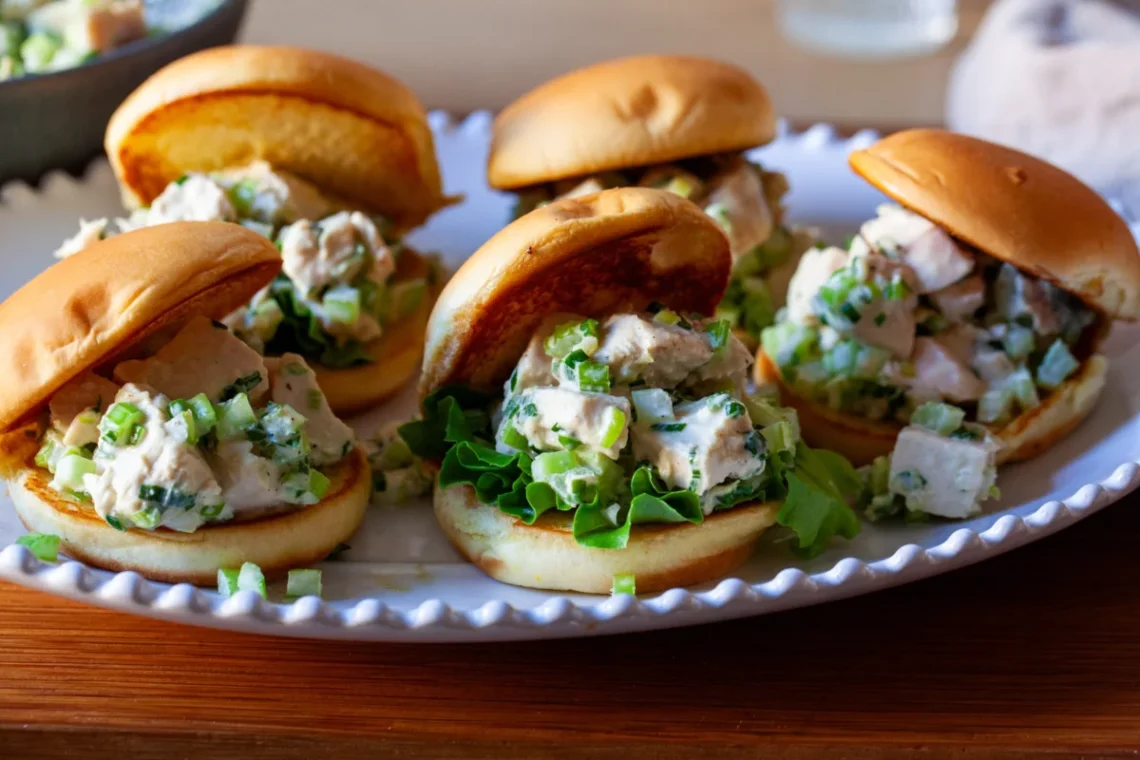
- A 50/50 Ratio Philosophy: A staggering amount of finely diced celery, ensuring a crisp, refreshing bite that fundamentally redefines the textural experience.
- Bone-In, Skin-On Roasting: Prioritizing moisture and flavor by starting with whole bone-in breasts, unlocking a depth of flavor that commercial rotisserie chicken or skinless cutlets simply cannot match.
- The "Nature’s Potato Chip" Technique: Repurposing the roasted chicken skin by crisping it in a hot oven to create a salty, savory garnish.
- Foundational Seasoning: Direct seasoning of the warm diced chicken before binders are introduced, integrating flavor deep into the protein rather than relying on surface dressings.
- Subdued Alliums: Utilizing minced scallions for a gentle, clean onion note that doesn’t overpower the delicate balance of the dish.
Chronology: From Culinary Fatigue to the Ultimate Recipe
To understand how this particular chicken salad philosophy came to fruition, one must trace the evolution of a home cook weary of disappointing deli counters and poorly balanced cafe offerings.
Phase One: The Skepticism Era
For years, the author’s relationship with chicken salad was defined by caution. Too often, commercial or hastily prepared versions fell victim to what culinary historians might call the "mayo pond syndrome"—where chunks of dry, overcooked poultry float uncomfortably in an excess of mayonnaise. Furthermore, the modern infatuation with sweet-and-savory additions—ranging from rogue raisins and halved grapes to aggressive doses of tarragon or polarizing curry powder—left many diners wary of what might lurk inside a standard scoop.
Phase Two: Deconstruction and Rebuilding
Frustrated by inconsistent textures and hidden ingredients, the kitchen experimentation began. The breakthrough came from shifting focus away from masking the chicken and toward elevating its inherent qualities.

- Step One: Abandoning boneless, skinless cuts in favor of roasting bone-in, skin-on breasts, which naturally retain their internal juices and produce valuable pan drippings.
- Step Two: Doubling down on fresh produce. Recognizing that celery was often treated as an afterthought—mere token flecks of green—the proportion was dramatically increased until it achieved a near-equal partnership with the meat.
- Step Three: Solving the textural puzzle. By introducing Dijon mustard as a bridging element before the mayonnaise, and reserving the rendered skin to bake into ultra-crisp strips, every textural element—crunchy, creamy, and crisp—was accounted for.
Phase Three: The Monthly Ritual
What began as an isolated kitchen experiment quickly evolved into a fixed institution: the monthly "Chicken Salad Night." Designed to accommodate chaotic household schedules where family members dine at staggered hours, the meal transformed into an interactive, assemble-your-own sandwich bar complete with toasted buttered slider rolls, crisp lettuce, pickled red onions, and ruffled potato chips.
Supporting Data & Recipe Methodology: How to Execute the Masterpiece
For those willing to test the boundaries of conventional chicken salad, adherence to the precise methodology is essential. Culinary data suggests that temperature control and timing are the ultimate arbiters of success in poultry preparation.
Ingredients & Measurements
- Primary Protein: 3 heaped cups of diced meat, ideally freshly roasted from bone-in, skin-on breasts (or high-quality leftover roast chicken).
- The Crunch Factor: An abundant, unmeasured-by-shyness quantity of freshly diced celery.
- The Aromatics: Finely minced scallions to provide a subtle, crisp allium bite.
- The Binders: A measured dollop of sharp Dijon mustard followed by quality mayonnaise, adjusted strictly to personal preference.
- The Finish: Flaky sea salt, freshly ground black pepper, and reserved crispy skin strips.
Step-by-Step Execution
- Preparation and Roasting: Preheat the oven to 350°F (176°C). Lightly coat the bone-in, skin-on chicken breasts with olive oil and season generously on both sides with salt and freshly ground black pepper. Roast in a rimmed baking pan for 40 to 45 minutes until the internal thermometer registers between 150°F and 155°F (65°C to 68°C). Remove and allow to cool to room temperature.
- Harvesting and Seasoning: Remove the meat from the bones, cutting it into uniform ¾-inch (2-cm) cubes. Transfer the chicken to a large mixing bowl. Immediately season the warm meat with salt and pepper, pouring any precious pan drippings and accumulated juices directly over the top to lock in moisture.
- Integrating the Vegetables: Fold in the heavy hand of diced celery and minced scallions, tossing gently to distribute evenly.
- Binding: Add the Dijon mustard, stirring thoroughly so it coats the chicken and vegetables before the mayonnaise is introduced. Fold in the mayo to taste, ensuring a gentle cling rather than a liquid pool. Adjust salt and pepper as needed.
- The Skin Crispies (Optional for the Bold): Flatten the reserved chicken skin on a baking sheet, sprinkle with additional salt, and bake in a 400°F (205°C) oven for 5 to 10 minutes until deeply golden and thoroughly crisp. Slice into thin strips to serve atop the finished sandwiches.
Official Responses and Culinary Reactions
The public disclosure of this celery-heavy, skin-repurposing chicken salad philosophy has drawn sharp reactions across social media and culinary forums, revealing a deep ideological split among food lovers.

The Pro-Celery Coalition Speaks
Avid crunch enthusiasts have rallied around the recipe, praising its honesty and textural integrity.
"For too long, celery has been relegated to the background of cold salads, chopped so fine it offers nothing more than a ghost of a crunch," noted one culinary commentator online. "Elevating it to a 50% partner with the chicken is a stroke of structural genius."
The Skeptics Push Back
Predictably, purists and fruit-in-salad advocates have raised eyebrows, particularly regarding the unorthodox handling of chicken skin and the complete banishment of traditional mix-ins.

- The Fruit Debate: Traditionalists who swear by sweet additions like grapes or craisins expressed dismay at the savory-only profile, though they conceded that the Dijon-and-scallion base offers a solid foundation.
- The Skin Controversy: The suggestion to bake chicken skin into a sandwich topper elicited a mixed bag of reactions, ranging from high culinary praise for minimizing food waste to outright gastronomic horror from those accustomed to ultra-lean, fat-free deli salads.
Despite the debates, professional chefs note that the underlying philosophy—respecting ingredients, maximizing internal moisture through bone-in roasting, and balancing textures—represents sound culinary science.
Implications: The Future of Home-Style Comfort Food
What does this micro-trend in chicken salad preparation tell us about the broader landscape of modern home cooking?
- The Rise of Hyper-Personalization: As food media becomes increasingly saturated with algorithmic, mass-appeal recipes, home cooks are pushing back by establishing fiercely opinionated, hyper-specific standards for everyday comfort foods. The willingness to declare one’s own method as the definitive standard reflects a growing confidence in domestic gastronomy.
- Sustainability and Utilization: The clever repurposing of chicken skin into a gourmet garnish highlights a broader cultural shift toward nose-to-tail thinking, even within the confines of a simple weeknight sandwich. By refusing to discard valuable fats and textures, home cooks are finding ways to elevate simple ingredients into restaurant-quality components.
- The Evolution of Family Meals: As demonstrated by the monthly "Chicken Salad Night" concept, modern families are increasingly abandoning the rigid, simultaneous sit-down dinner in favor of flexible, interactive meal bars. By setting out bowls of components—toasted slider rolls, pickled red onions, crunchy chips, and customizable chicken salad—hosts can effortlessly bridge the gap between divergent schedules without sacrificing the joy of a shared culinary experience.
Ultimately, whether one views a 50-percent celery ratio as a revelation or an outrage, the ongoing debate proves one undeniable truth: comfort food is at its best when it sparks conversation, honors quality ingredients, and invites everyone back into the kitchen.