Main Facts: The Resilient Powerhouse of the Autumn Landscape
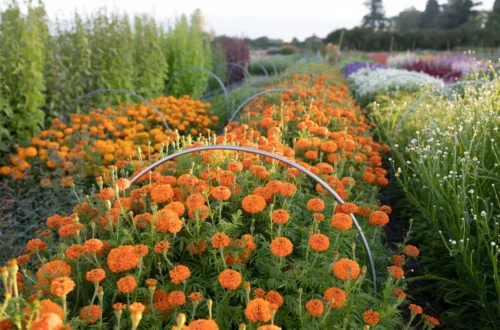
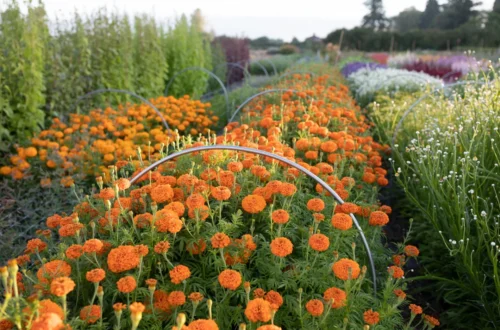
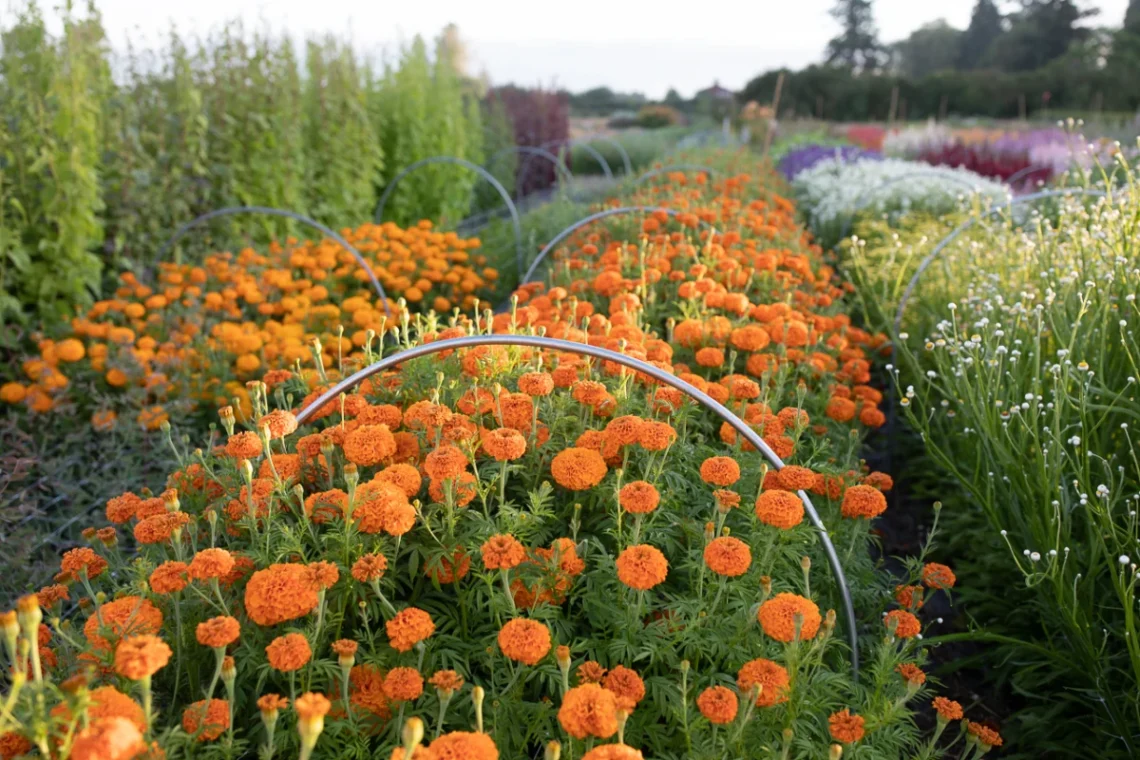
As the golden days of late summer fade and the autumn chill begins to settle over agricultural fields and home gardens alike, many flowering plants succumb to the changing seasons, their blossoms turning tattered and brittle with each passing week. Yet, standing resilient against the dropping temperatures and stormy weather stands a vibrant botanical survivor: the marigold. Unfazed by wind, rain, and early frost warnings, the marigold patch remains a beacon of cheerful warmth, mirroring the fiery hues of the changing landscape.
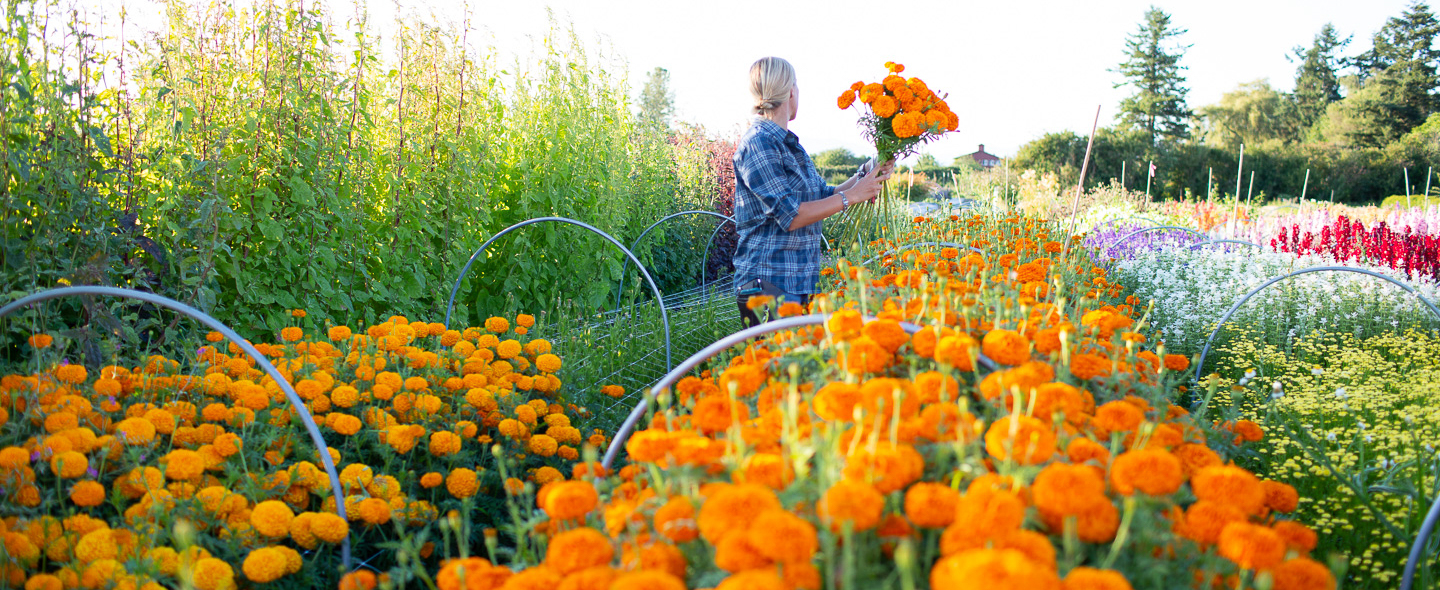
Long relegated to the status of a common, old-fashioned bedding plant, marigolds (Tagetes) are experiencing a modern renaissance among flower farmers, floral designers, and home gardeners. Known for their exceptional toughness, heat tolerance, and prodigious blooming habits, these versatile annuals deliver a reliable explosion of color from midsummer straight through the bitter end of the growing season.
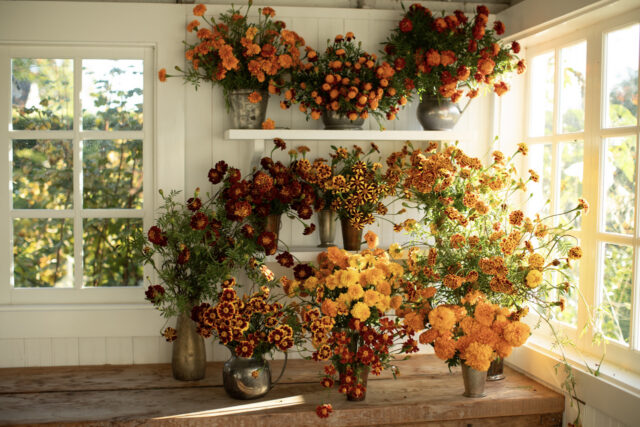
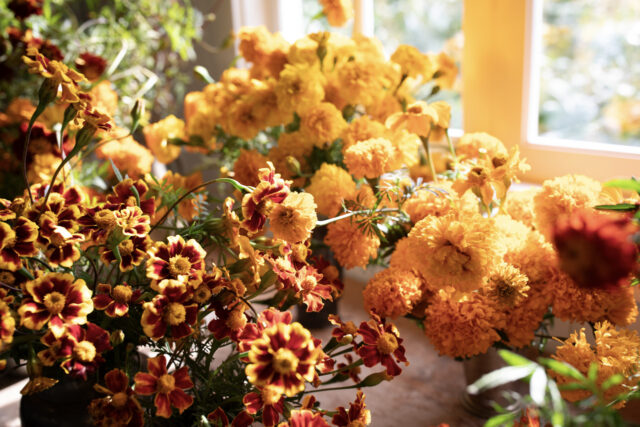
Modern trials—such as those conducted on prominent flower farms—reveal an astonishing diversity within this genus. Marigold varieties range from compact, container-friendly miniatures with penny-sized blooms to towering, shoulder-high specimens boasting blossoms as wide as the palm of a hand. Available in a rich spectrum of yellows, golds, oranges, deep reds, and striking bicolors, marigolds offer utility far beyond ornamental display. Their sturdy blooms are prized for traditional garlands and leis, their petals yield brilliant natural dyes, and certain varieties are even entirely edible. Furthermore, when harvested correctly, their blooms boast an impressive vase life of 7 to 10 days, making them a powerhouse addition to late-season mixed bouquets.
Chronology: A Season in the Life of a Marigold Crop
Understanding the lifecycle and cultivation timeline of marigolds is essential for maximizing their potential, whether grown for intensive cut-flower production or casual garden enjoyment.
Late Winter to Early Spring: Propagation and Sowing
The journey of a high-performing marigold crop begins indoors 4 to 6 weeks before the region’s last expected spring frost. Seeds are sown shallowly in trays under controlled conditions to jump-start growth. Alternatively, gardeners can direct-seed marigolds directly into the garden beds once the soil has thoroughly warmed up in late spring.
Summer: Vegetative Growth and Early Blooms
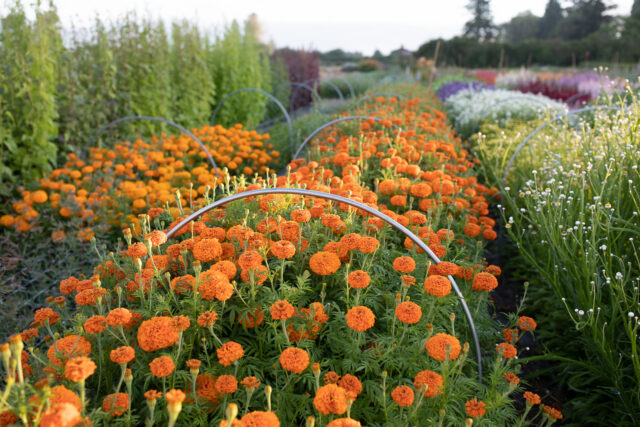
As temperatures rise, marigolds enter a phase of aggressive vegetative growth. During midsummer, the plants establish robust root systems and begin producing their signature blooms. Taller varieties may require structural support—such as staking or corralling—to prevent them from toppling over under the weight of their abundant flowers when in full flush. Conversely, shorter French varieties maintain a naturally bushy, self-supporting stature that requires minimal intervention.
Late Summer to Autumn: Peak Harvest and Maturation
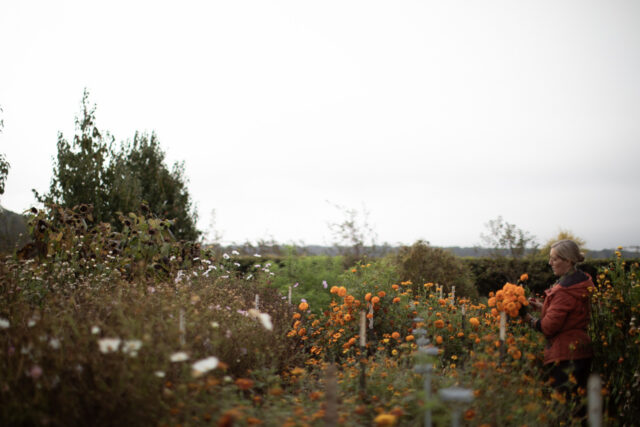
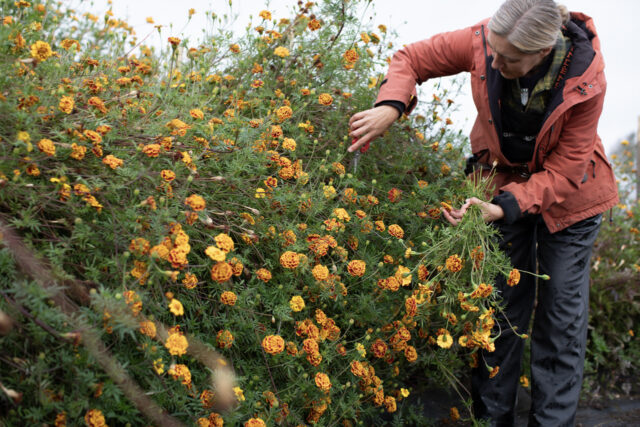
By late summer and deep into autumn, marigolds reach their agricultural peak. While other garden staples are winding down, marigold stems stretch and mature. This is the optimal window for harvesting cut flowers. Marigolds bloom from the base upward, opening in succession like a staircase along the main stem. Growers must selectively harvest stems when flowers are roughly halfway open, stripping away lower, tattered foliage and spent blooms to prepare them for professional floral arrangements.
Supporting Data: Categorizing the Marigold Spectrum
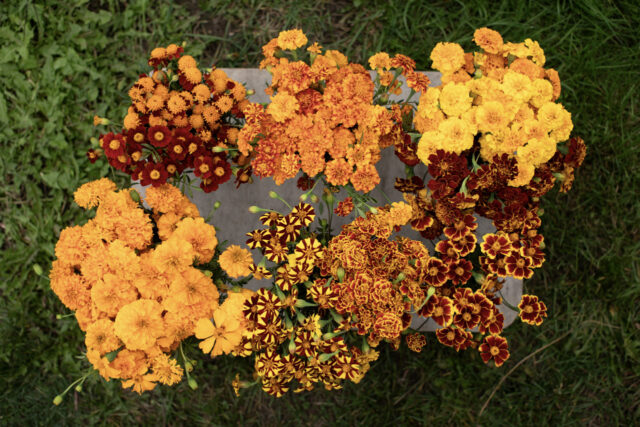
Extensive agricultural trials categorize garden marigolds into three primary groups: African, French, and Gem/Signet marigolds, alongside cutting-edge hybrid introductions. Each group possesses distinct physical characteristics, growth habits, and landscape utilities.
1. African Marigolds (Tagetes erecta)
Characterized by large, exceptionally long-lasting, and sturdy double blooms, African marigolds are historically favored for cultural garlands, leis, and high-impact market displays.
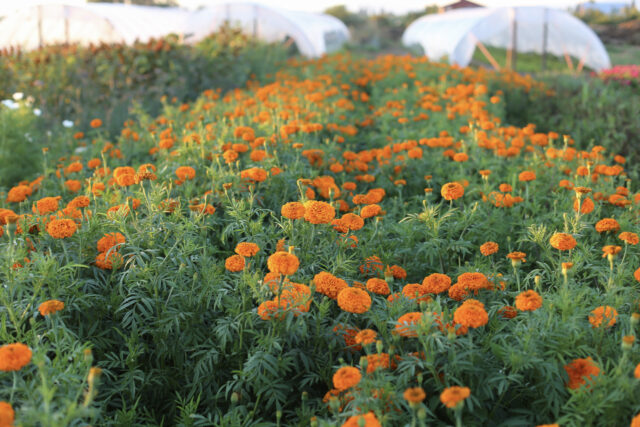
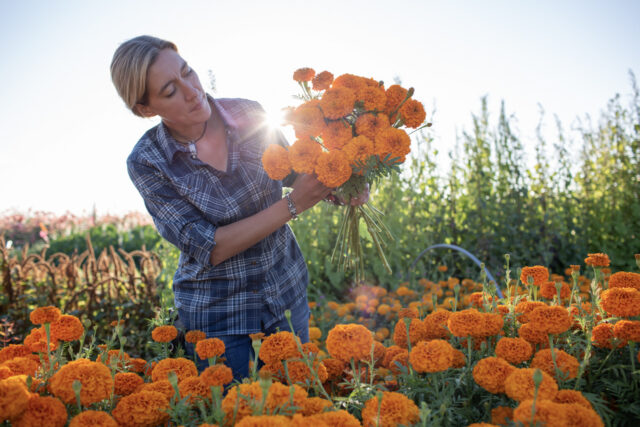
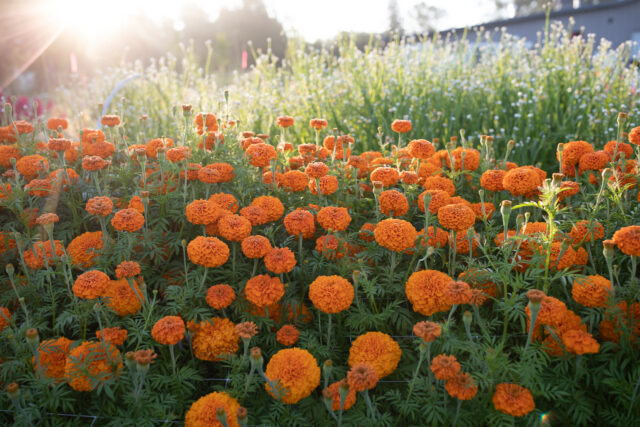
- ‘Giant Orange’: Produces 6 to 10 long, strong, branching stems topped with glowing saffron-colored, super-ruffled blooms featuring tight green centers and lacy, scented foliage. Excellent for summer and autumn mixed bouquets.
- ‘La Ribera’: A massive, vigorous garden variety producing fuzzy tangerine flowers in various forms—fully double, semi-double, single, and petal-less variants. While too inconsistent for commercial cut-flower production, it remains a favorite for landscape impact.
2. French Marigolds (Tagetes patula)
French marigolds are smaller, stockier plants celebrated for intricate color combinations and refined flower forms. While traditional French types remain too short for early-season cutting, growers can harvest them late in the season once stems naturally stretch.
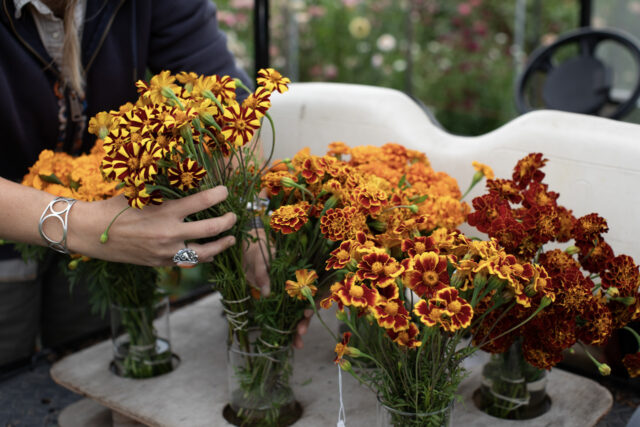
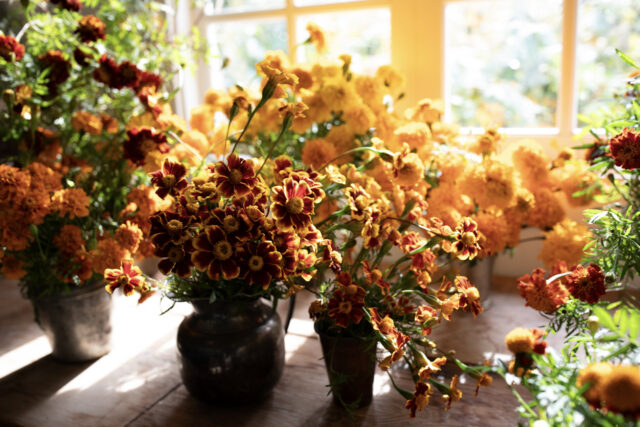
- Brocade Mix: Stocky, low-growing plants featuring small, double, red-orange bicolor flowers. Perfect for containers, borders, and late-season stem harvesting.
- ‘Dainty Marietta’: Petite plants bearing small, single yellow flowers with dark, burnt-red centers. Ideal for pots and small spaces.
- ‘Fireball’: Bushy plants yielding a striking combination of blackish-red and burnt orange flowers. Grown primarily for intense color impact in containers rather than cutting.
- ‘Harlequin’ / ‘Court Jester’: A unique heirloom variety featuring airy, branching stems loaded with medium-sized, maroon-and-gold-striped single blooms that add a playful twist to autumn arrangements.
- ‘Naughty Marietta’: Wildflower-like single gold flowers with burnt-red markings. Compact and well-suited for containers.
- ‘Strawberry Blonde’: A compact bedding plant displaying breathtaking rust-red, buttercream, and peach hues. Though too short for reliable cutting despite rigorous trials, it excels in patio pots.
- ‘Tiger Eyes’: A novelty variety featuring exaggerated, fuzzy golden-orange centers surrounded by short burgundy petals, reaching roughly two feet by season’s end.
3. Peace Seedlings Introductions
Recent breeding breakthroughs from Oregon-based seed farm Peace Seedlings—led by Mario and Dylana Kapuler—have revolutionized marigold cultivation. By crossing French and African species, these hybrids combine the distinct coloration and smaller flower size of French types with the robust growth habits, tall statures, and long stems of African types. Though time-consuming to harvest due to thin, sprawling, heavily branched willowy stems packed with side buds, they offer game-changing design potential for late-season arrangements.
- ‘Burgundy Bliss’: Deep rusty-red double flowers outlined in glowing golden-orange on both sides of the petals, borne on strong, willowy stems.
- ‘Frances’s Choice’: A standout medium-sized single bloom of rusty red edged in gold, born on towering, densely branching plants with thin stems tailor-made for floral design.
- ‘Mushroom’s Sol’: The shortest of the Peace-bred varieties, producing tangerine flowers with rich red inner stripes that stretch into harvestable lengths by autumn.
- ‘Red Metamorph’: Knee-high plants with thick foliage and upward-facing golden blooms streaked with saturated red blotches.
- ‘Sparkler’: Tall, heavily branching plants producing medium-sized golden flowers featuring a central rusty-red band.
- ‘Sunbright Mix’: The newest Peace introduction, exhibiting a bushy habit and cheerful candy-corn color profiles of sunny yellow with orange edges and solid tangerine.
4. Gem and Signet Marigolds (Tagetes tenuifolia)
Often referred to as miniature marigolds, this group produces branching stems loaded with dozens of penny-sized, glowing blooms in reds, oranges, and golds. Their wilt-resistant, ferny foliage emits a clean, citrusy fragrance.
- Starfire Mix: Branching stems exceeding 30 inches, packed with a dazzling array of bicolors and miniature blooms. A staple for mixed summer bouquets.
- ‘Tangerine Gem’ & ‘Red Gem’: Compact counterparts to Starfire Mix, reaching roughly 24 inches with slightly shorter stems, ideal for edging vegetable garden rows or container gardening.
Official Recommendations: Cultivation, Harvesting, and Design Best Practices
Horticultural experts and professional flower farmers emphasize specific protocols to unlock the full potential of marigolds in both agricultural settings and domestic gardens:
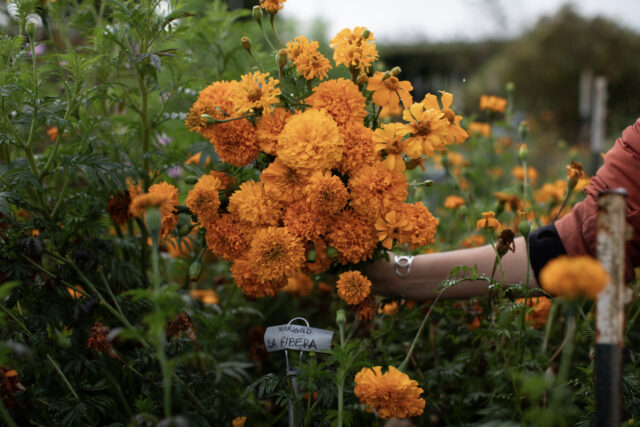
- Pest and Disease Management: The distinctive, pungent fragrance of marigold foliage—which sharply divides public opinion between deep affection and strong aversion—serves a practical purpose in the ecosystem. The aromatic compounds act as a natural deterrent against certain garden pests, making marigolds exceptional companion plants when interspersed along vegetable garden borders.
- Structural Support: Taller African and hybrid varieties require proactive staking, netting, or corralling to maintain upright posture and prevent crop failure during heavy autumn rainstorms.
- Harvesting Technique: To achieve the optimal 7-to-10-day vase life, harvest stems when the flowers are approximately 50% open. Growers must strip away the majority of the lower, aromatic foliage to redirect plant energy and remove tattered lower blossoms that have completed their blooming cycle.
- Seed Sourcing: Gardeners seeking specialized, high-performance cultivars can access detailed photographic libraries and seed collections through specialized agricultural resource centers, such as the Floret Library seed collection.
Implications: The Economic and Aesthetic Value of Revitalizing Heirloom Annuals
The growing appreciation for resilient, multi-functional plants like the marigold carries significant implications for sustainable horticulture and the cut-flower industry. As shifting climate patterns bring unpredictable weather extremes—including unseasonable autumn storms, sudden temperature drops, and prolonged summer heatwaves—agricultural reliance on delicate, climate-sensitive ornamentals is increasingly risky.
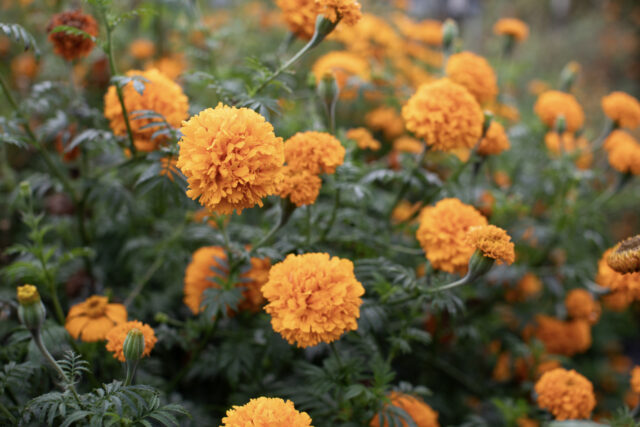
Marigolds represent a reliable, low-input, high-reward alternative that extends the productive season for small-scale flower farmers and local market vendors well into the shoulder months of autumn. By providing dependable late-season color, robust natural dye sources, edible options, and exceptional vase-life durability, the humble marigold transcends its historical reputation as a simple garden filler. Instead, it emerges as an indispensable agricultural asset that bridges the gap between summer abundance and winter dormancy, proving that true beauty often lies in unwavering resilience.