Main Facts: The Clash Over Meat and Mortality
In the landscape of modern nutritional science few subjects generate as much heat—or as much controversy—as the health impacts of red and processed meat consumption. A series of high-profile studies published in the Annals of Internal Medicine sent shockwaves through the public health community by challenging decades of nutritional consensus. Researchers found a statistically significant association between lower consumption of red and processed meats and a reduced risk of total mortality, cardiovascular disease, and cancer.
Yet, in a striking pivot, the studies’ authors concluded that the general public should ignore contemporary dietary advice and continue consuming meat to their heart’s content.
This counterintuitive recommendation ignited a fierce debate among epidemiologists, cardiologists, and public health advocates. Critics argue that the panel’s conclusions relied on flawed methodological frameworks, cherry-picked data, and an undue dismissal of robust scientific cohorts. Furthermore, connections between the researchers and institutions receiving agricultural funding have raised serious questions about potential industry influence in shaping public health guidance.
Chronology: How the Controversy Unfolded
The timeline of the red meat controversy reveals a calculated departure from established nutritional science, mirroring historical battles over public health messaging.
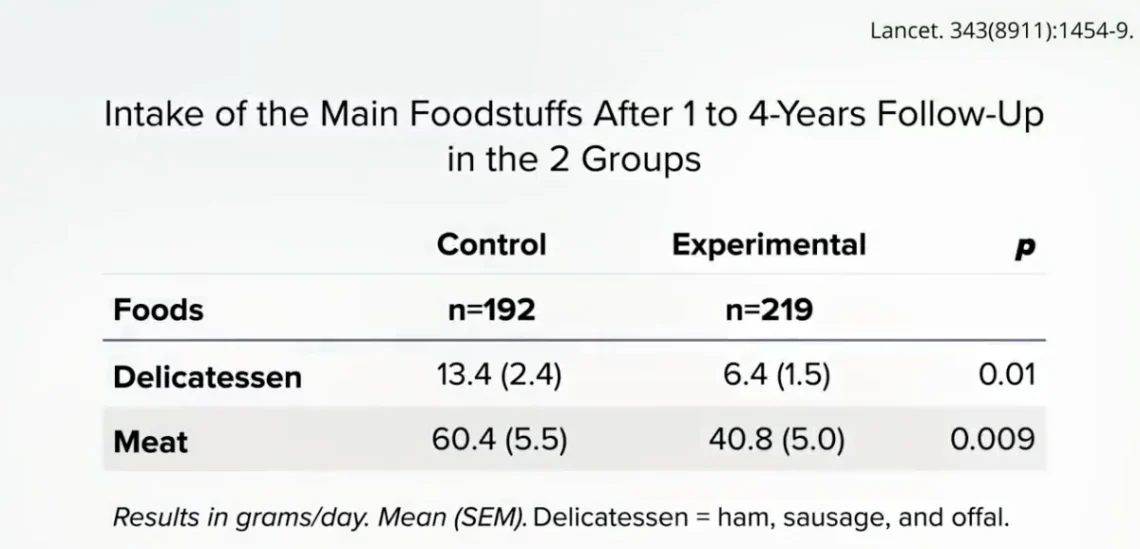
- Decades of Epidemiological Consensus: For years, prospective cohort studies and dietary indices—such as the PREDIMED trial, the DASH diet research, and the Lyon Diet Heart Study—consistently pointed toward the health benefits of reducing red meat intake and increasing plant-based proteins.
- September 2019: The Annals of Internal Medicine published a series of systematic reviews and guidelines compiled by an international panel calling themselves NutriRECS. Despite finding statistical links between meat consumption and adverse health outcomes, the panel advised adults not to alter their red or processed meat intake.
- Immediate Backlash: Major health organizations, including the Harvard T.H. Chan School of Public Health and the American Heart Federation, swiftly condemned the guidelines. Public health experts pointed out that the panel’s core supporting evidence—derived largely from the Women’s Health Initiative—involved an almost imperceptible reduction in meat consumption (about half an ounce per day), which naturally yielded only modest health benefits.
- Post-Publication Scrutiny: Investigations into the NutriRECS panel revealed ties to Texas A&M AgriLife, an institution receiving substantial funding from the meat industry. Critics highlighted how major randomized trials demonstrating the profound benefits of plant-based shifts were excluded for reporting "implausibly large treatment effects."
Supporting Data: What the Science Actually Shows
To understand the magnitude of the claims made by the NutriRECS panel, one must examine the broader body of nutritional data that the panel chose to downplay or exclude.
Meta-analyses of large-scale cohort studies demonstrate that moderate reductions in red and processed meats yield profound, measurable health improvements:
- Total Mortality: Reduced by approximately 13%.
- Cardiovascular Disease Mortality: Reduced by approximately 14%.
- Cancer Mortality: Reduced by approximately 11%.
- Type 2 Diabetes Risk: Reduced by a significant 24%.
Dr. Walter Willett, professor of epidemiology and nutrition at the Harvard T.H. Chan School of Public Health, estimated that moderately reducing red meat consumption could prevent roughly 200,000 deaths annually in the United States alone. To dismiss these figures as a "very small effect" ignores the heavy toll of chronic illness on hundreds of thousands of families.
The Replacement Effect
The data also underscores the importance of what replaces meat in the diet. Substituting just 3% of daily calories from animal protein with plant protein is linked to increased longevity. Conversely, the type of replacement matters immensely: replacing red meat with plant-based alternatives can lower overall mortality by over 10%, whereas substituting it with egg protein may inadvertently negate those benefits, as high egg consumption correlates with an increased risk of premature mortality.
Official Responses and Expert Critiques
The medical community’s response to the Annals of Internal Medicine papers was swift, unified, and uncompromising. Leading physicians and researchers dismantled the panel’s three primary justifications for maintaining the status quo: taste preference, the application of drug-trial grading tools, and the argument of "small effect magnitude."
1. The Taste Argument
The panel argued that people simply enjoy eating meat, and that personal preference should heavily influence dietary guidelines. Critics countered that public health recommendations are built on empirical science, not culinary preference. Dr. Dean Ornish famously noted the absurdity of this logic: "Many people don’t want to exercise more or stop smoking or drinking, but that doesn’t change the science; it shouldn’t change the public health recommendations."
2. The Misapplication of GRADE
The panel utilized the GRADE (Grading of Recommendations, Assessment, Development, and Evaluation) methodology. Originally designed to evaluate randomized controlled trials for pharmaceutical drugs, GRADE is notoriously difficult to apply to long-term lifestyle and dietary habits, where randomized interventions (such as forcing people to eat specific diets for decades) are practically impossible. Critics warned that using GRADE to dismiss nutritional epidemiology could easily be weaponized to undermine established science on secondhand smoke, air pollution, and physical inactivity.
3. The "Small Magnitude" Fallacy
Perhaps the most controversial stance taken by the panel was the assertion that even if meat causes cancer, diabetes, and heart disease, the individual risk increase is too small to warrant dietary changes.
Eminent cardiologist and researcher Dr. Dean Ornish drew a sharp parallel to illustrate the flaw in this reasoning:
"To say that small increases in meat consumption only cause small increases in the risk of disease doesn’t mean that eating meat is good for you. That’s like saying that smoking 24 cigarettes a day increases your risk of lung cancer only a little more than smoking 20 cigarettes a day—and being careful not to include any studies that compared smoking 24 cigs to smoking none—and then erroneously concluding that smoking isn’t that bad for your health."
Implications: Parallels to Big Tobacco and Future Public Health
The controversy surrounding the red meat guidelines is not merely an academic dispute over dietary percentages; it represents a larger battleground over how corporate influence intersects with public health policy.
The parallels to the mid-20th-century tobacco debates are striking. Just as the tobacco industry once manipulated study designs to emphasize small differences between heavy and moderate smokers while ignoring non-smokers, modern dietary reviews can be engineered to obscure the true baseline risks of animal-heavy diets.
As noted in a landmark 1959 paper regarding smoking and lung cancer—sentiments that ring equally true for modern nutritional science—if the mountain of evidence linking meat consumption to chronic disease "had been made on a new agent, to which hundreds of millions of adults were not already addicted, and on one which did not support a large industry, skilled in the arts of mass persuasion, the evidence for the hazardous nature of the agent would be generally regarded as beyond dispute."
Ultimately, the implications of these guidelines extend into every household. When multi-billion-dollar agricultural industries manage to influence the narrative around dietary health, the cost is paid not in abstract statistics, but in preventable cases of heart disease, diabetes, and premature mortality. Recognizing the limitations and biases of industry-adjacent research is the first step toward reclaiming a transparent, science-based approach to human nutrition.