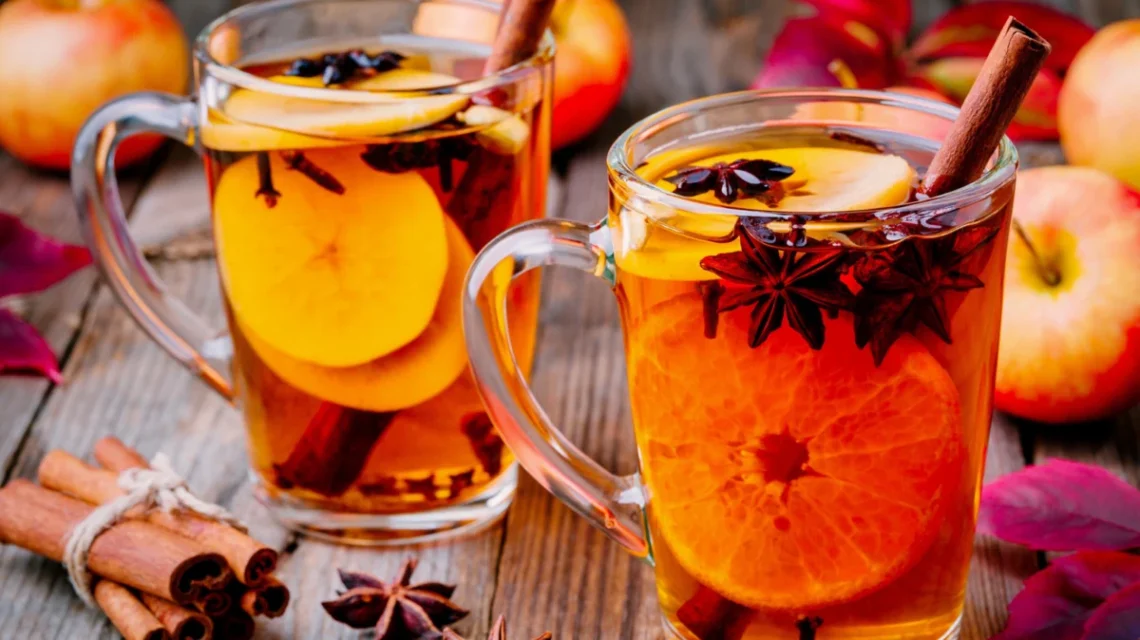
CULINARY ARTS & LIFESTYLE — As the autumn chill deepens and the winter months approach, beverage enthusiasts and home bartenders alike begin turning their attention toward comforting, warming libations. While wine shines brilliantly on its own or tossed into a refreshing summer spritzer, few seasonal creations evoke the cozy nostalgia of traditional mulled wine. Warmed, heavily spiced, and historically sweetened, it is a recipe that has endured for centuries.
Yet, like any classic culinary formulation, the enduring appeal of mulled wine lies in its profound malleability. For generations, traditionalists have relied on refined sugar, honey, or simple syrup to temper the natural acidity of red wine and the assertive bite of winter spices. However, contemporary mixologists and culinary experts are championing a major pivot: swapping out traditional sweeteners for pure maple syrup.
According to culinary insights, this simple substitution dramatically elevates the drink. Infusing a batch of mulled wine with maple syrup yields a complex caramel-spice profile that seamlessly melds with traditional mulling components. More importantly, it expertly counteracts the harsh boozy notes that frequently intensify when wine is heated, balancing out tart fruit flavors without tipping the scales into cloying sweetness.
Main Facts: The Maple Syrup Advantage in Mulled Wine
The fundamental challenge of preparing a great mulled wine is balance. When red wine is heated, its alcohol content vaporizes slightly, and the volatile compounds change character, often resulting in a sharper, more aggressive palate. To combat this, sweetening agents are non-negotiable.
While honey brings a distinct floral note and white sugar provides neutral sweetness, maple syrup introduces a rich, earthy depth rooted in natural wood and caramel undertones. This profile naturally complements the woody aromatics of cinnamon, cloves, and star anise.
Furthermore, maple syrup possesses a unique chemical structure that behaves harmoniously under heat. Unlike granulated sugar, which can sink to the bottom of a pot and burn if not stirred meticulously, liquid sweeteners incorporate seamlessly into the liquid base.
- The Flavor Profile: Imparts a subtle caramel-spice dimension that enhances the natural fruitiness of the wine.
- The Alcohol Smoothing Effect: Effectively tames the harsh, sharp alcoholic vapor that naturally surfaces during the heating process.
- Non-Saccharine Finish: Unlike heavy simple syrups, maple syrup retains a clean finish, ensuring that delicate spice and citrus notes are never overshadowed.
- Flexibility in Measurement: Highly forgiving; recipes can easily scale from a dry, subtly sweet profile to a richer, dessert-style vintage.
Chronology: A Centuries-Old Tradition Meets Modern Craft
To understand the evolution of mulled wine, one must look back at its storied history, which traces a winding path through Western civilization before arriving at today’s maple-infused innovation.
Antiquity and the Roman Empire (c. 2nd Century BC – 5th Century AD)
The earliest iterations of spiced and heated wine date back to ancient Greece and Rome. Known as conditum paradoxum in Rome, wine was mixed with honey, dates, and a heavy hand of spices like pepper, mastic, and laurel. The Romans heated these concoctions not only for flavor and warmth during winter campaigns but also because heavy spices acted as natural preservatives for turning or oxidized wines.
The Middle Ages and Renaissance (5th – 17th Century AD)
During the medieval period, spiced wines evolved into sophisticated drinks known as hypocras or piment, named after the physician Hippocrates. Wealthy nobility consumed these beverages regularly, believing they held medicinal properties that could ward off the Black Death and aid digestion. Honey remained the primary sweetener of choice during this era due to the scarcity and high cost of refined cane sugar.
The Victorian Era and Modern Standardization (19th – 20th Century)
Mulled wine as we recognize it today took shape during the Victorian era in Great Britain. Figures like Charles Dickens immortalized festive drinks like "Bishop" (port wine warmed with oranges, cloves, and spices) in literature, cementing the beverage as a hallmark of Christmas celebrations across Europe and North America.
The Contemporary Shift (Present Day)
In recent years, the craft cocktail and farm-to-table movements have encouraged mixologists to rethink heritage recipes using regional ingredients. In North America especially, the widespread availability of high-grade, artisanal maple syrup has inspired home cooks and professional bartenders to replace imported cane sugars and honeys with local maple derivatives, giving rise to the modern maple-mull standard.
Supporting Data: Proportions, Wine Selection, and Pairings
Mastering maple-infused mulled wine requires precision regarding ratios and ingredients. While the recipe is remarkably forgiving, getting the proportions right ensures a sophisticated beverage rather than an overly sweet punch.
Dosage Guidelines
- For Extra-Dry Palates: Use 1 to 2 tablespoons of maple syrup per standard 750ml bottle of wine. This maintains the wine’s tannin structure and dry finish while merely rounding out the sharp edges.
- The Sweet Spot (Standard Formulation): Use approximately ¼ cup (4 tablespoons) of maple syrup. This yields a balanced, aromatic profile where the maple character is present without dominating.
- For Sweeter Profiles: Scale up to ½ cup per bottle, ideal when using fruit-forward, low-tannin wines or when serving the beverage alongside rich, spiced pastries.
Selecting the Right Wine
There is a common misconception that fine wine makes for fine mulled wine. In reality, heat dulls the nuanced, expensive characteristics of aged or complex vintages. Instead, experts recommend affordable, fruit-forward red wines that lack aggressive tannins.
- Beaujolais & Grenache: Excellent dry yet berry-forward candidates that naturally mesh with maple notes.
- Budget Boxed Cabernet Sauvignon: Surprisingly effective, as its structural weight holds up well against robust mulling spices.
- The Brandy Addition: For additional depth and booziness, a standard pour of fruit-based brandy or cognac rounds out the flavor profile seamlessly.
Spice Selection and Aromatics
While pre-blended mulling spice packets offer convenience, crafting a bespoke spice blend allows for deeper customization.
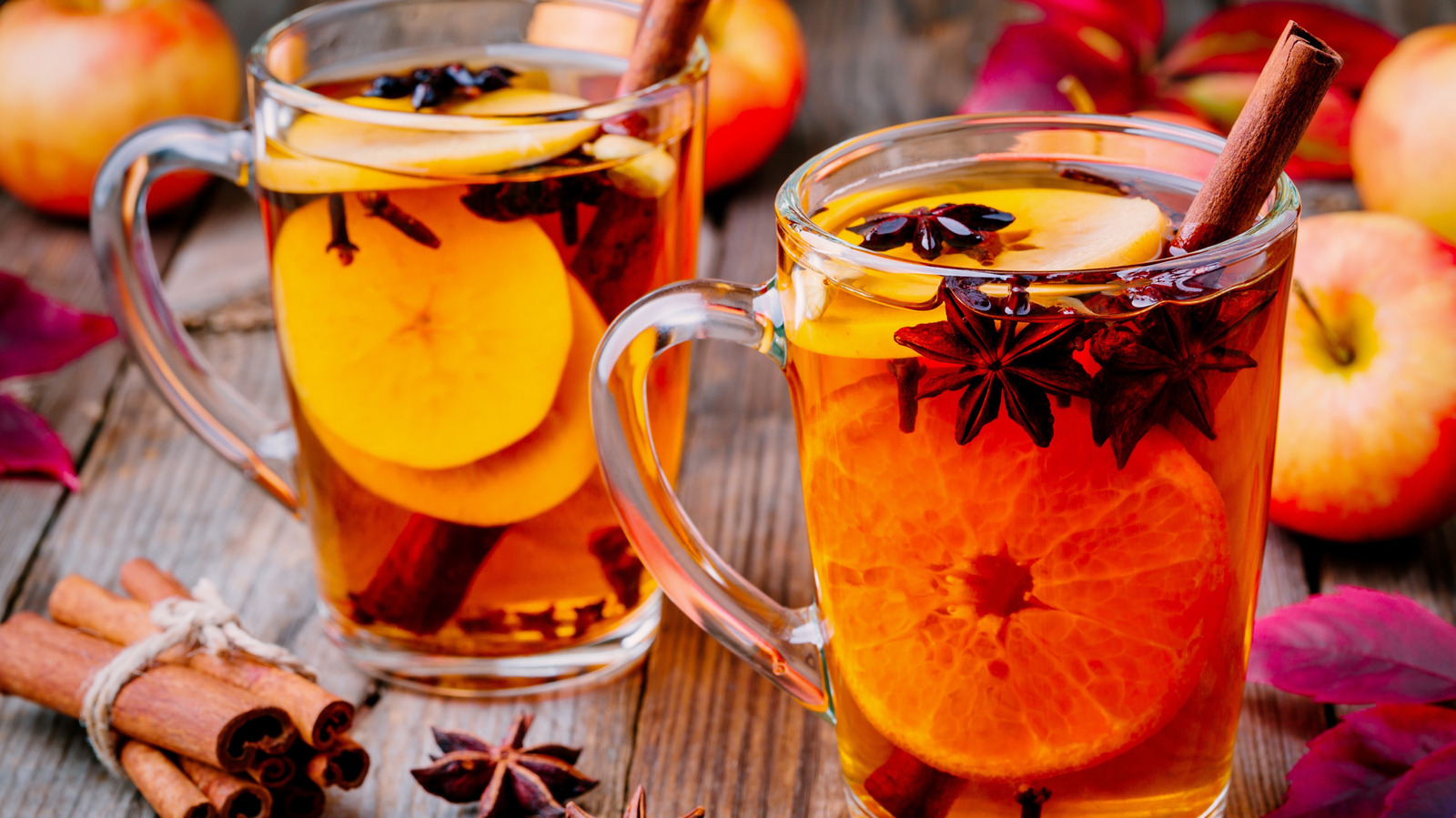
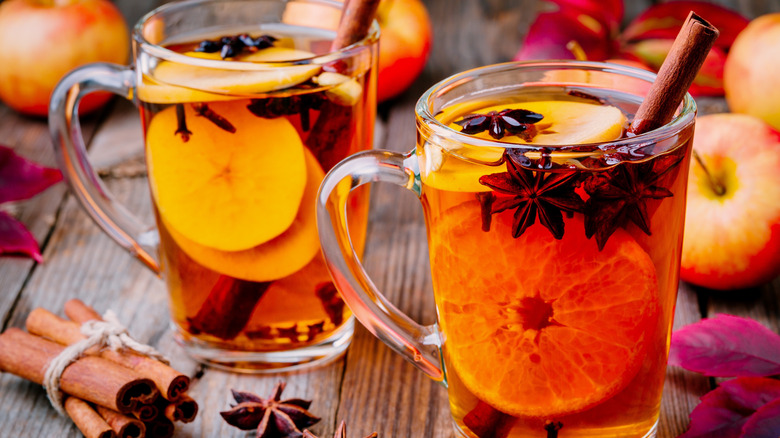
- The Foundation: Cinnamon sticks, whole cloves, and star anise.
- The Enhancers: Cardamom pods and candied ginger, both of which bridge the gap between spicy heat and maple sweetness.
- Citrus Integration: Oranges are indispensable. Squeezing fresh juice into the pot and floating the zested peels adds a bright, acidic counterweight to the rich syrup and warm alcohol.
Official Responses & Industry Perspectives
Culinary professionals and beverage researchers have increasingly endorsed regional sourcing and natural sweetening agents in traditional cold-weather recipes.
Renowned food scientists and mixologists note that maple syrup contains trace minerals and natural antioxidants (depending on the grade, such as Dark Amber or Grade A Very Dark), which contribute subtle caramel and toasty notes that refined white sugar simply cannot replicate.
"When you heat wine, you alter its chemical matrix entirely," explains a prominent East Coast beverage consultant. "Sugars that are too neutral can leave the drink tasting flat or harshly alcoholic once the steam rises. Maple syrup brings a structural complexity—an earthy, unrefined sweetness—that stands up to aggressive mulling spices like cloves and star anise without masking the underlying fruit of the wine."
Furthermore, culinary historians point out that substituting local agricultural products like maple syrup for traditional cane sugar or imported honey reflects a broader, sustainable trend in modern home cooking: utilizing hyper-local, artisan ingredients to reinvent historical comfort foods.
Implications: A Sustainable, Year-Round Shift in Seasonal Entertaining
The transition toward maple syrup in traditional hot wine preparations carries wider implications for modern entertaining, sustainability, and culinary creativity.
1. Embracing Seasonal and Local Sourcing
By replacing imported refined sugars or mass-produced honeys with pure maple syrup—particularly sourced from regional producers in North America—home hosts can significantly reduce the carbon footprint of their holiday menus while supporting local agricultural economies.
2. Year-Round Versatility
Traditionally relegated to December holiday gatherings, maple-infused mulled wine possesses a flavor profile that transcends winter. Because the maple syrup provides a rounded, less cloying sweetness, lighter renditions can easily be served during crisp autumn tailgates, chilly spring evenings, or even chilled over ice as a sophisticated summer punch.
3. Elevating Home Mixology Standards
The ease with which maple syrup integrates into warm alcoholic beverages encourages everyday home cooks to experiment beyond rigid recipe books. By understanding how sweeteners interact with tannins, alcohol vapors, and volatile spice compounds, culinary enthusiasts gain the confidence to innovate across a wide array of hot and cold cocktail categories.
Ultimately, swapping honey or white sugar for maple syrup proves that even the most historic, well-trodden culinary traditions can be dramatically elevated with a single, thoughtful ingredient modification.