Main Facts: The Ecosystem Within
The human body is not a single, isolated organism; rather, it functions as a complex, bustling super-ecosystem. Trillions of microorganisms reside within the gastrointestinal tract, collectively known as the gut microbiome. Far from being passive passengers, these microscopic residents play an active, highly influential role in human metabolism, immune function, and cardiovascular health.
Mounting scientific evidence demonstrates that the composition of this gut flora is dictated almost entirely by dietary intake. What an individual chooses to eat acts as a selective evolutionary force, encouraging the proliferation of specific microbial strains while starving out others.
At the center of this dynamic is a simple biological rule: the food consumed determines the metabolic byproducts produced by gut bacteria. Diets rich in animal products—such as red meat, poultry, seafood, eggs, and dairy—provide specific nutrients like carnitine and choline. When metabolized by specific populations of gut bacteria, these compounds are transformed into a toxic metabolic byproduct known as trimethylamine N-oxide (TMAO). Clinical studies have consistently linked elevated circulating levels of TMAO to an increased risk of adverse cardiovascular events, including heart attacks, strokes, and premature death.
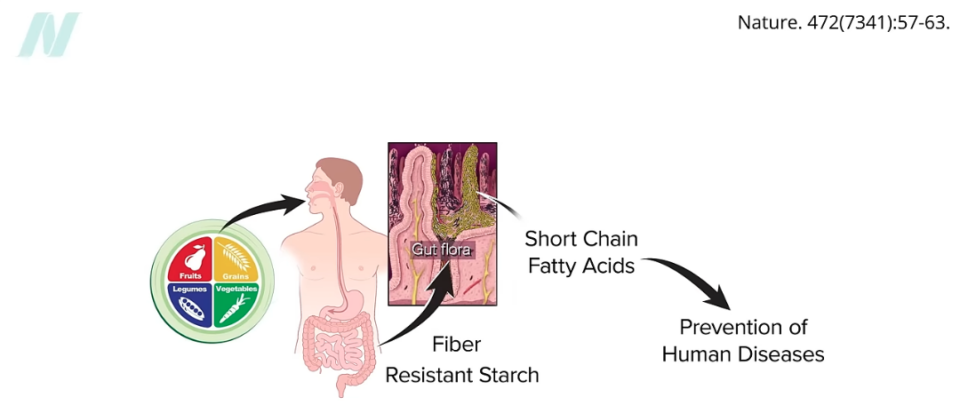
Conversely, shifting the dietary paradigm toward whole plant foods—such as fruits, vegetables, whole grains, beans, nuts, and seeds—introduces abundant fiber and resistant starch. Beneficial microbes ferment these plant components to produce short-chain fatty acids (SCFAs), such as butyrate. These metabolites act as protective agents, sealing the intestinal lining, fighting systemic inflammation, supporting weight management, improving insulin sensitivity, and even suppressing oncogenesis.
Ultimately, developing either the pathological risks associated with TMAO or the protective benefits of short-chain fatty acids requires a dual mechanism: consuming the specific dietary precursors and harboring the corresponding microbial populations capable of metabolizing them.
Chronology: The Journey of Microbial Research and Dietary Intervention
The scientific understanding of how diet sculpts the gut microbiome has evolved rapidly over the past decade, shifting from observational correlations to rigorous, mechanistic interventional trials.
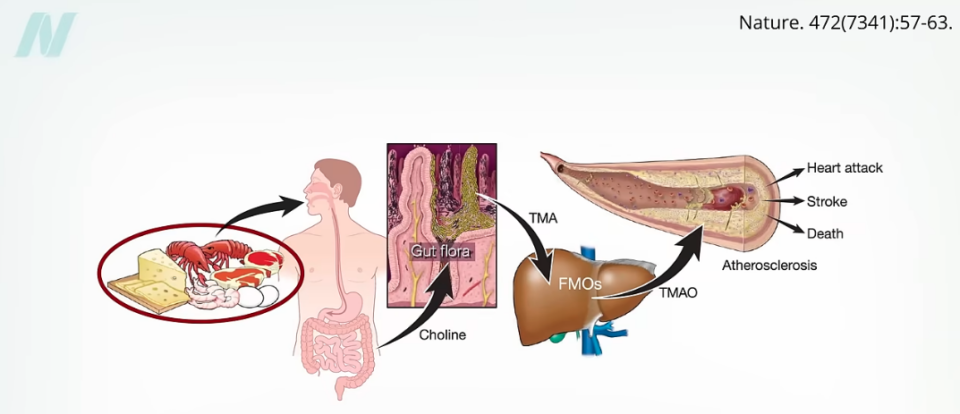
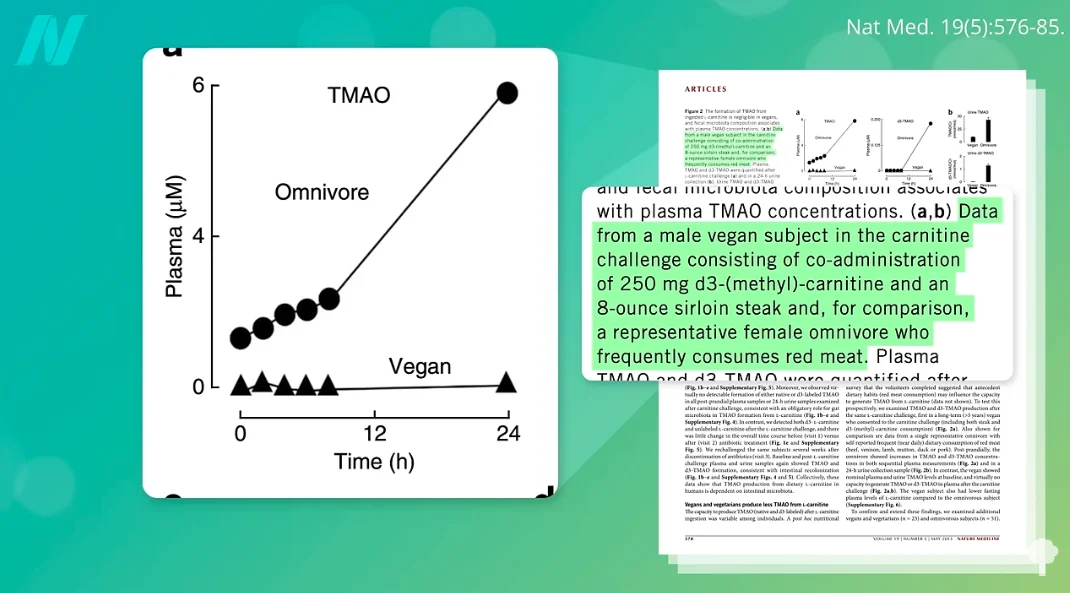
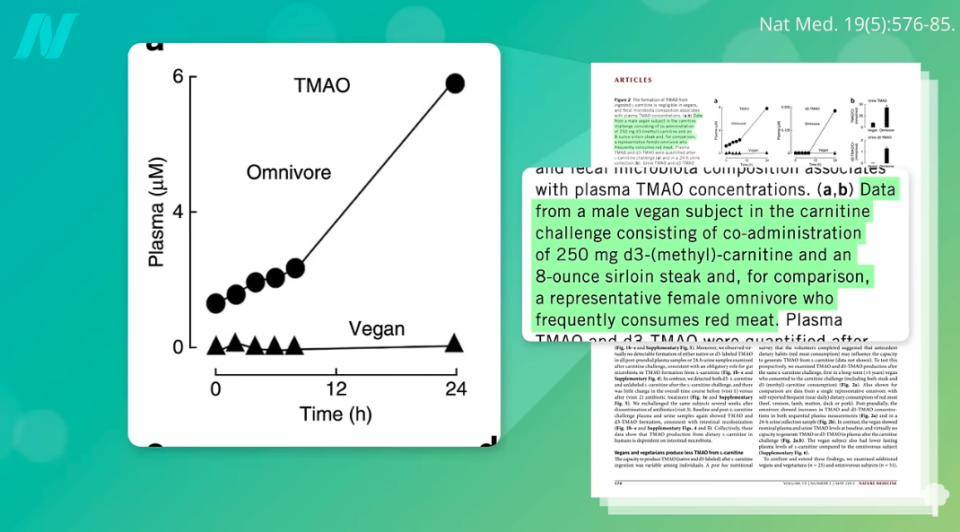
- The TMAO Breakthrough (2011–2013): Seminal research published in scientific journals such as The New England Journal of Medicine and Nature Medicine illuminated the pathway connecting dietary phosphatidylcholine, carnitine, and choline from animal products to elevated TMAO production and subsequent cardiovascular disease. Researchers demonstrated that omnivorous diets rapidly spiked TMAO blood levels after consuming eggs or steak, while individuals following strictly plant-based diets did not experience these spikes due to differences in gut flora.
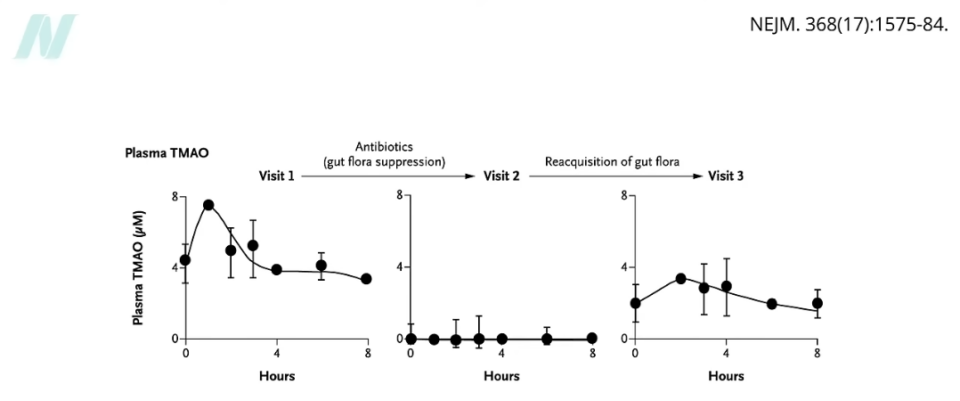
- Antibiotic Depletion Trials: To prove the definitive role of gut bacteria, landmark clinical experiments utilized broad-spectrum antibiotics to temporarily eradicate human gut flora. When subjects were subsequently fed eggs or red meat, TMAO production plummeted to zero. However, as the microbiome naturally regenerated over the course of a month, the toxic metabolic response returned, proving that the bacteria were the mandatory middlemen in TMAO synthesis.
- The Rise of Short-Chain Fatty Acid Discoveries (2015–2017): Attention soon turned to the positive side of the microbial ledger. Studies examining high-fiber interventions—such as incorporating whole barley kernels into daily diets—revealed that dramatic metabolic improvements, including a 25% increase in insulin sensitivity, could occur within as little as three days. Researchers identified Prevotella and other fiber-degrading bacteria as the primary drivers of these metabolic enhancements.
- Cross-Cultural and Comparative Metabolomics (2017–Present): Comparative studies analyzing populations across the globe—such as rural African children consuming 97% whole-food, plant-based diets versus populations eating standard Western diets—demonstrated stark contrasts in microbial abundance. These findings cemented the concept that long-term dietary habits dictate baseline microbial capacity, defining clear physiological boundaries between omnivores and vegetarians.
Supporting Data: The Microbial Divide
The divide between plant-based and animal-based microbial profiles is supported by extensive clinical data, metabolomic profiling, and microbiological assays.
The Mechanism of TMAO Production
- Egg Consumption: When participants consume two eggs, blood plasma levels of TMAO experience a sharp spike within hours. However, a one-week course of antibiotics completely halts this reaction by wiping out the microbial machinery responsible for the conversion.
- Red Meat Metabolism: Feeding individuals the nutritional equivalent of an 11-ounce steak yields similar results. Without the presence of specific "meat-eating" bacteria—which are largely absent in long-term vegans—the ingestion of animal protein does not result in the systemic accumulation of TMAO. Consequently, a vegan can consume a sirloin steak without generating TMAO internally.
The Power of Plant-Based Fermentation
- Barley Kernel Interventions: In randomized trials assessing the impact of whole intact grains (such as barley groats consumed three times daily), participants who added roughly 30 grams of fiber and resistant starch experienced a 25% improvement in insulin levels. Their bodies required significantly less insulin to handle identical carbohydrate loads while effectively dampening blood sugar spikes.
- The Prevotella Factor: Clinical responses to fiber are not universally identical. While some individuals display striking drops in blood sugar and insulin, others experience negligible changes. This variance is explained by the baseline presence of Prevotella, a genus of bacteria whose population density is directly correlated with long-term dietary fiber intake.
- Global Comparisons: Rural African children consuming diets composed almost entirely of whole plant foods exhibit Prevotella abundances that dwarf those seen in Western cohorts. This high abundance translates directly into vastly elevated concentrations of protective short-chain fatty acids in fecal analyses.
- Omnivore vs. Vegetarian Inflammatory Profiles: Comprehensive metabolomic research indicates that omnivores maintain significantly worse inflammatory profiles compared to vegetarians. The habitual exposure to animal-derived nutrients fosters an intestinal environment prone to systemic inflammation and insulin-resistance-dependent metabolic disorders, such as type 2 diabetes.
Official Responses and Expert Perspectives
The intersection of microbiome science and nutritional epidemiology has drawn significant commentary from the broader scientific and medical communities.
Cardiologists, gastroenterologists, and nutritional scientists increasingly view the gut microbiome as a critical therapeutic target rather than a passive byproduct of digestion. Major research institutions have formally acknowledged the clinical significance of the gut-heart axis—specifically the role of microbial TMAO generation as an independent risk factor for cardiovascular disease.
Furthermore, consensus guidelines from clinical researchers emphasize that dietary advice can no longer rely solely on macronutrient and micronutrient counting. Experts note that because long-term dietary patterns permanently shape microbial ecosystems, an omnivore cannot simply consume a single high-fiber meal and expect the same metabolic resilience as someone who habitually nurtures a diverse, fiber-adapted microbiome. The scientific community generally concurs that dietary transitions require time to foster the growth of appropriate bacterial colonies, validating the concept of "diet-dependent gut microbiota metabolite constraints."
Implications: Cultivating a Resilient Microbiome for the Future
The profound interplay between diet, microbes, and human health carries far-reaching implications for clinical medicine, public health policy, and individual lifestyle choices.
Overcoming Metabolic Constraints
One of the most critical takeaways from microbiome research is the concept of metabolic flexibility. Omnivores face intrinsic constraints in metabolizing dietary fiber because their habitual diets fail to support robust colonies of fiber-munching bacteria. At low levels of fiber intake, incremental increases yield proportional rises in short-chain fatty acid production. However, in omnivorous guts, these populations quickly hit a biological ceiling.
In contrast, individuals who habitually consume whole-food, plant-based diets continuously cultivate a rich, diverse ecosystem of beneficial bacteria. For these individuals, the capacity to produce protective short-chain fatty acids scales continuously with fiber intake, offering layered protection against chronic disease.
Clinical and Public Health Strategies
As chronic conditions like type 2 diabetes, obesity, and cardiovascular disease continue to burden global healthcare systems, shifting the focus toward microbiome modulation offers a powerful preventive framework. Rather than relying exclusively on pharmacological interventions to manage downstream symptoms like high blood sugar or elevated cholesterol, nutritional strategies aimed at cultivating a healthy gut microbiome can address root causes—such as systemic inflammation and intestinal permeability ("leaky gut").
Practical Application: Feeding the Good Bugs
Ultimately, maintaining a healthy gut microbiome requires a deliberate commitment to crowd out harmful microbes while nourishing beneficial ones. Emphasizing whole plant foods—fruits, vegetables, whole grains, legumes, nuts, and seeds—ensures a steady supply of the prebiotics necessary to sustain robust bacterial diversity.
As the medical community looks toward the future of personalized nutrition, the adage "you are what you eat" takes on a deeper, more literal meaning: you are also what your microbes eat. By intentionally fueling the beneficial strains within the gastrointestinal tract, individuals can harness their internal ecosystem as a powerful shield against chronic disease and a foundation for lifelong wellness.