Introduction: The Smoke and Sizzle Dilemma
In modern society, cultural attitudes toward dangerous lifestyle habits vary wildly. For the average health-conscious consumer, the idea of lighting up a cigarette before or after lunch is not just unappealing—it is entirely unthinkable. Smoking is universally recognized as a lethal gamble, a direct ticket to accelerated biological aging and a heightened risk of premature death. Yet, many of the same individuals who recoil at the thought of tobacco will routinely pull through a drive-thru, order a double bacon cheeseburger, and wash it down with a sugary beverage without a second thought.
According to mounting evidence from global health metrics, this cognitive dissonance may be costing millions of lives. Public health researchers are increasingly urging consumers to apply the same critical risk assessment they use for smoking and extreme sports to the contents of their daily lunchboxes. If lighting up at midday feels entirely unacceptable, nutritional science suggests that reaching for a meaty, processed-meat-heavy burrito might deserve the exact same aversion.
Main Facts: The Hidden Toll of Processed and Red Meats
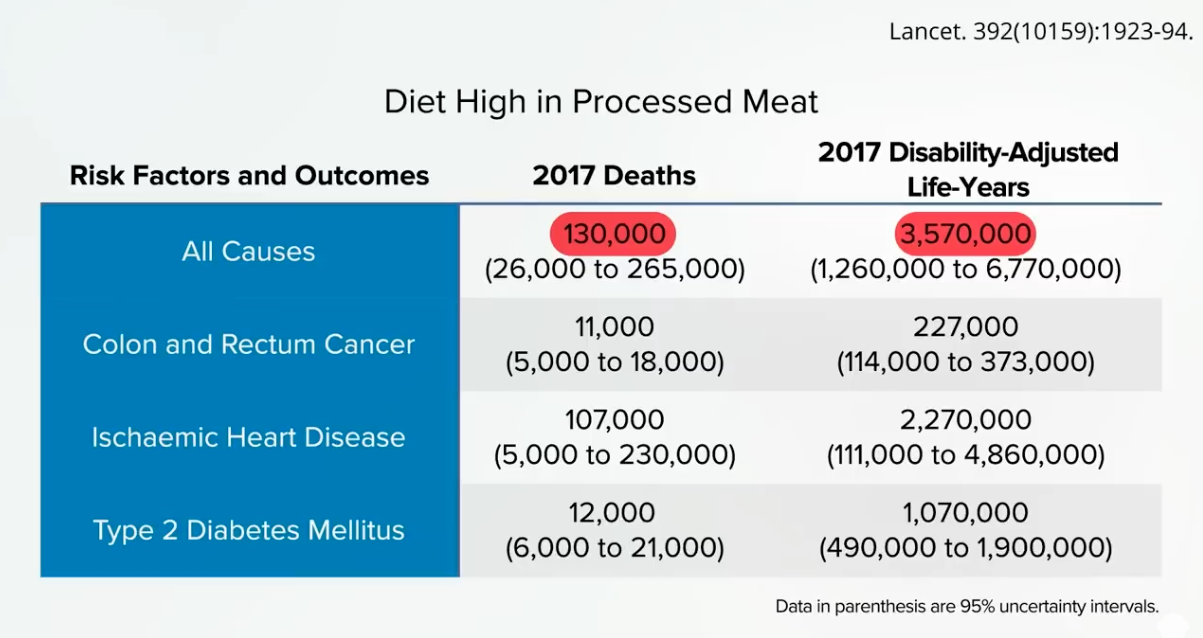
The global burden of diet-related chronic illness is staggering. Data compiled by the extensive Global Burden of Disease Study reveals that diets high in processed meats—including bacon, ham, hot dogs, cold cuts, and mass-produced sausages—may contribute to more than 100,000 deaths every year. These fatalities are driven largely by cardiovascular disease, but they are closely followed by obesity-related cancers and type 2 diabetes.
This mortality rate translates to millions of healthy, productive years of life lost worldwide annually. The danger is not confined exclusively to extreme overindulgence. Research highlights that even modest reductions can yield monumental public health victories. Estimates from the Union of Concerned Scientists indicate that if the American population were to scale back processed meat consumption to just a single ounce per week, thousands of cancer-related deaths could be successfully averted each year.
However, population-level data can often feel abstract. To make informed, proactive decisions, individuals require a tangible framework to evaluate how their personal daily dietary habits impact their long-term health and longevity.
Chronology and Context: Navigating the Controversy of Dietary Guidelines
To understand how public health messaging around meat has evolved—and sometimes faltered—it is helpful to look at the recent timeline of nutritional science debates.
The NutriRECS Controversy
In recent years, the landscape of dietary advice was thrown into a public relations storm by the publication of the NutriRECS meat papers in the Annals of Internal Medicine. A panel of researchers made international headlines by suggesting that adults could largely continue eating red and processed meat without substantial health concerns, a stance that shocked traditional epidemiological circles.
However, subsequent independent breakdowns of the data revealed a glaring contradiction. Even using the panel’s own adjusted numbers, thorough analyses confirmed that reducing red and processed meat consumption is statistically associated with a significant 13% lower risk of premature death.
Pushing Back Against Flawed Methods
The academic pushback was swift and severe. Prominent nutrition chairs, including leading voices at Harvard University, openly criticized the NutriRECS recommendations. They argued that the panel’s conclusions suffered from critical methodological limitations and severe misinterpretations of decades of nutritional evidence.
Public health experts cautioned that to protect both human longevity and planetary sustainability, future dietary guidelines must continue to champion eating patterns rich in minimally processed plant foods—such as fruits, vegetables, whole grains, nuts, and legumes (beans, lentils, chickpeas, and split peas)—while actively steering populations away from red and processed meats.
Supporting Data: Understanding "Microlives" and the Math of Mortality
To bridge the gap between abstract percentages and daily life, statisticians have popularized a conceptual unit of measurement known as the microlife.
What is a Microlife?
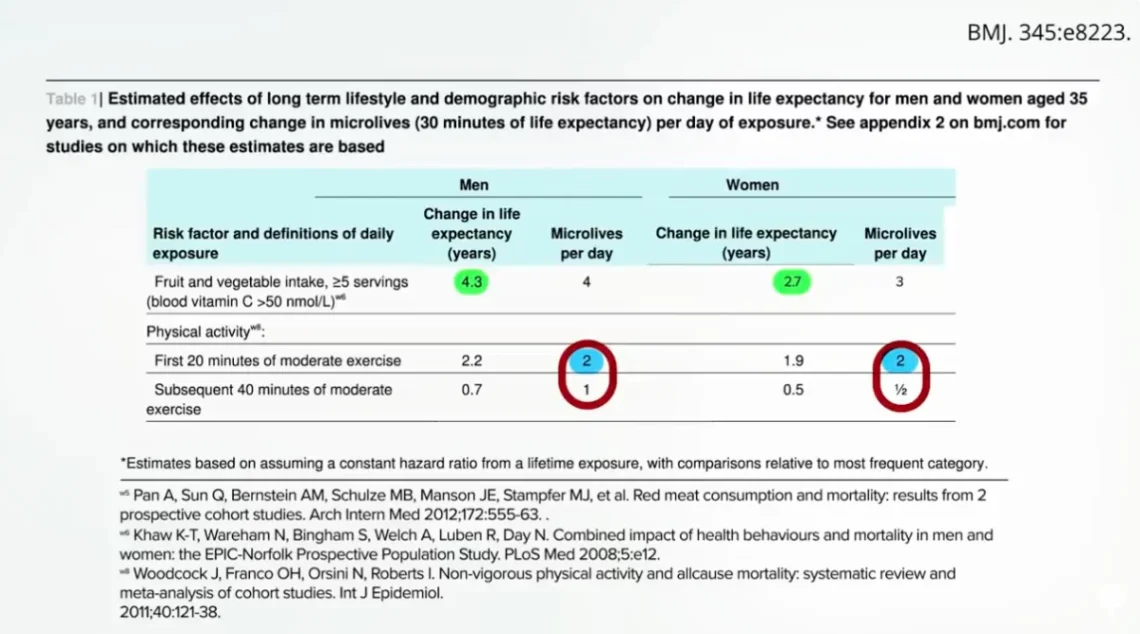
While acute hazards like skydiving or riding a motorcycle are often measured in micromorts (a one-in-a-million chance of sudden death), chronic lifestyle habits are harder to quantify in the moment. Enter the microlife, which is defined as 30 minutes of lost life expectancy.
The math is derived from baseline human life expectancies. For instance, a young adult in their early twenties—such as a 22-year-old man or a 26-year-old woman—statistically has roughly 57 years of life remaining. This amounts to approximately 20,000 days, 500,000 hours, or one million half-hours. Therefore, a microlife represents the forfeiture of one of those million remaining half-hours.
Weighing the Risks: Burgers vs. Cigarettes
When researchers apply the microlife framework to everyday choices, the results are startlingly clear:
- Alcohol and Tobacco: Drinking a pint of strong beer shortens a person’s life expectancy by roughly the exact same margin as smoking a single cigarette.
- Obesity: Being just 11 pounds overweight carries a chronic health toll equivalent to smoking two cigarettes a day.
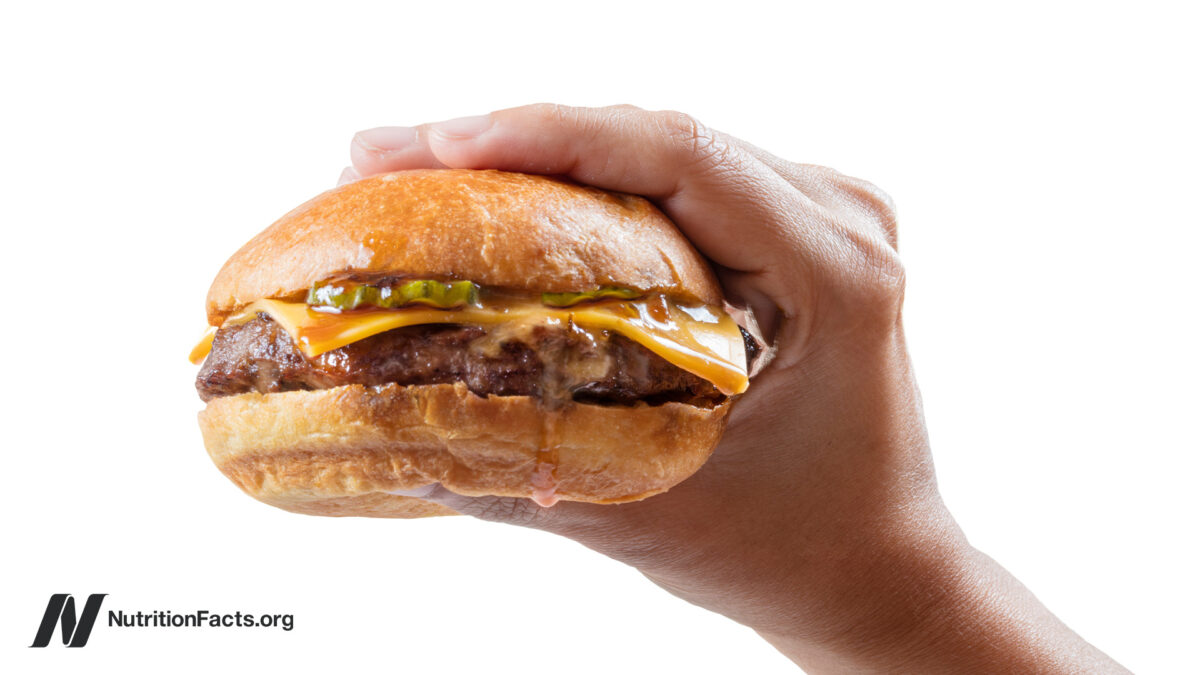
- The Burger Penalty: Epidemiological data indicates that consuming a standard hamburger is associated with the loss of one microlife—effectively trimming 30 minutes off your expected lifespan. In comparative terms, eating a single burger equates to smoking roughly two cigarettes.
The High Yield of Healthy Habits
Conversely, the microlife framework highlights the compounding benefits of proactive health behaviors:
- Produce Power: Consuming at least five daily servings of fruits and vegetables can extend an average man’s lifespan by up to four years, and a woman’s by three years. This dietary habit alone can yield up to twice the longevity benefit of daily exercise.
- The Exercise Investment: Physical activity offers an extraordinary return on investment. Committing just 20 minutes to exercise yields an extra hour of life expectancy—a remarkable 3-to-1 return. While diminishing returns apply beyond an hour, dedicating time to daily movement continuously replenishes more biological time than it consumes.
Official Responses and Expert Perspectives: Dr. Dean Ornish Weighs In
The debate over nutritional guidelines has drawn sharp commentary from pioneering physicians who have spent decades documenting the reversal of chronic disease through lifestyle interventions.
Dr. Dean Ornish, creator of the landmark Lifestyle Heart Trial, strongly criticized the Annals of Internal Medicine consensus papers that encouraged unrestricted meat consumption. Ornish’s own research famously demonstrated that intensive lifestyle and plant-based programs could halt and even reverse severe coronary heart disease—one of the leading global killers of both men and women.
Notably, in Ornish’s studies, control groups that made only modest, incremental reductions in meat consumption (similar to the minor shifts debated in recent reviews) experienced continued, unchecked worsening of their atherosclerosis.
Reflecting on the confusion sown by conflicting nutritional studies, Dr. Ornish offered a sobering warning to the public:
"I take solace in knowing that the light drives out the darkness. But, these days, the light has to be very bright indeed. Caveat emptor. Don’t be fooled. Your life may depend on it."
Implications for Public Health and the Consumer
The transition from population-level statistics to individual plate choices underscores a fundamental truth: preventative healthcare begins three times a day in the kitchen.
As global health organizations continue to grapple with rising rates of metabolic syndrome, cardiovascular disease, and diet-related cancers, the messaging around meat is shifting from vague dietary suggestions to hard risk-assessment models. Consumers are increasingly being equipped with tools like the microlife metric to visualize the cumulative consequences of their daily routines.
Key Takeaways for Everyday Choices:
- Reassess Processed Meats: View bacon, hot dogs, and lunch meats through the same preventative lens applied to other proven carcinogens and health hazards.
- Embrace Plant-Based Alternatives: Simple swaps—such as opting for a bean burrito over a processed beef or sausage option—compound over decades to protect cardiovascular and metabolic health.
- Prioritize Additions, Not Just Restrictions: Pairing dietary reductions in meat with robust increases in fruits, vegetables, whole grains, and legumes creates a protective physiological buffer.
- Leverage Movement: Use physical activity not as a chore, but as an immediate biological investment that yields a net-positive return on your daily time and long-term vitality.
Ultimately, navigating the modern food environment requires a healthy dose of skepticism toward conflicting headlines and industry-backed nutritional noise. By demanding rigorous science and adopting clear risk-comparison frameworks, individuals can reclaim control over their biological future—one meal, and one microlife, at a time.