By Barbara Barrielle
September 24, 2026
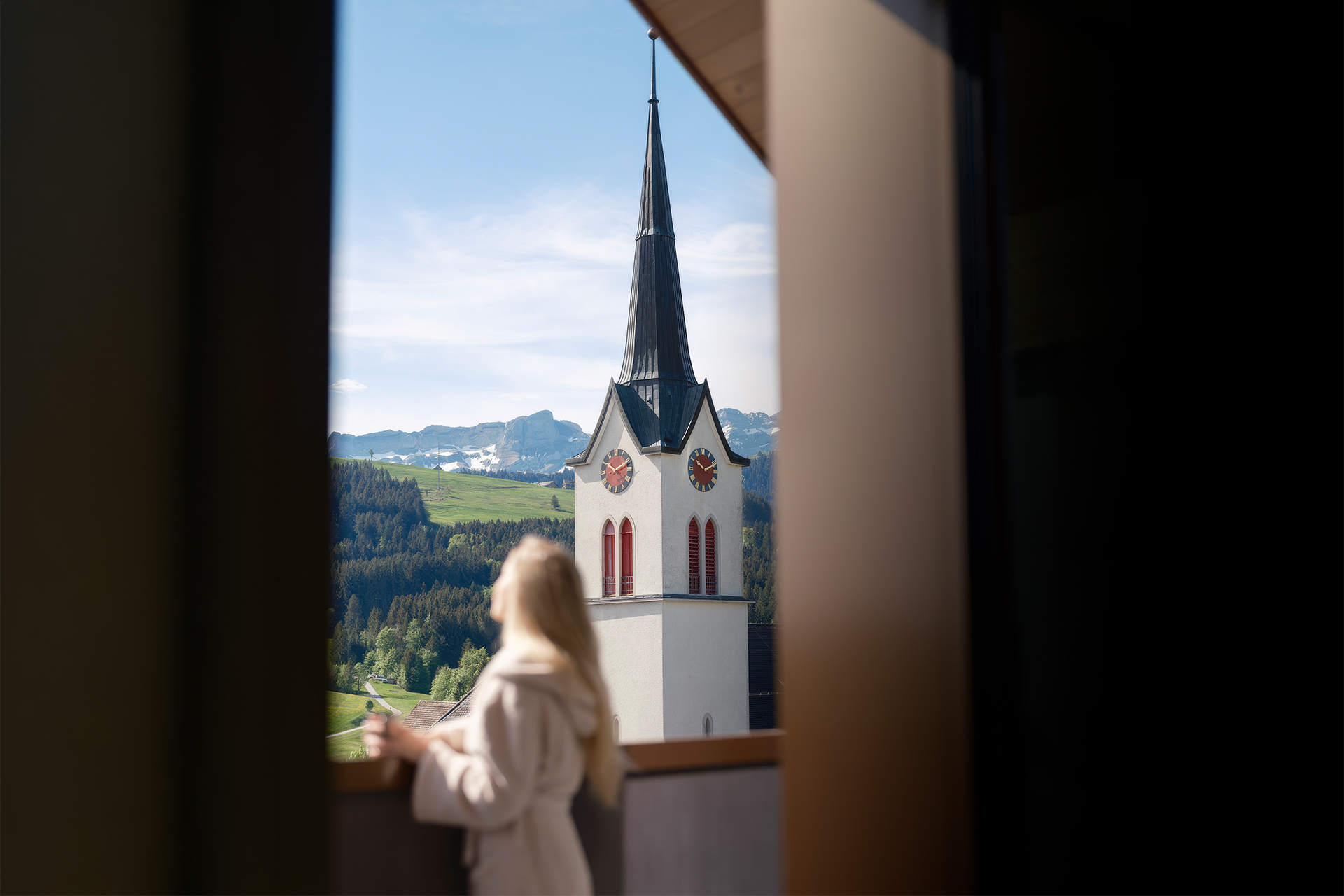
Tucked away in the undulating, verdant hills of northeast Switzerland, the Appenzell region feels like a living postcard of Old World charm. Located just an hour’s drive from the cosmopolitan buzz of Zurich, the town of Gonten—a quiet enclave with a population of fewer than 1,500 residents—is defined by its distinct local dialect, the thunderous, melodic tolling of cowbells during annual parades, and a profound, rhythmic connection to the land. Yet, amidst these agrarian traditions lies a modern marvel of oenology: the largest wine cellar in Switzerland, hidden within the walls of the Appenzeller Huus.
The resort, a tripartite hospitality concept, serves as the ultimate pilgrimage site for those who believe that true wellness is found at the intersection of alpine air and a perfectly curated vintage.
Main Facts: A Cathedral of Glass and Stone
The Appenzeller Huus is not merely a hotel; it is a sprawling retreat that marries historical preservation with cutting-edge design. It comprises three distinct entities: the luxury wellness sanctuary Huus Quell; the avant-garde, design-forward boutique Huus Löwen; and the Huus Bären, a historic inn whose foundations date back to 1602.
Beneath this trio of properties lies an architectural triumph: a multi-room, high-tech wine cellar housing an staggering 18,000 bottles spanning 2,160 unique labels. This is not a dark, dusty basement in the traditional sense, but a subterranean treasure trove rendered in glass, steel, and native stone. It is a space where the rigorous science of viticulture meets the aesthetic elegance of high-end design.
The cellars are divided into four distinct environments, each temperature-controlled and climate-stabilized to accommodate specific varietals:

- The Red Wine Vault: A sophisticated space dedicated to the aging and storage of robust, tannic reds.
- The White Wine Vault: A crisp, climate-optimized chamber for Switzerland’s delicate whites and international selections.
- The Champagne Vault: A specialized environment maintaining the precise humidity and temperature required for sparkling wines.
- The Barrel Room: The crown jewel of the collection. Shaped like a massive wooden barrel, this intimate, glass-walled space functions as a private dining room for nine guests, offering a subterranean experience that feels both enclosed and infinite.
Chronology: From Honeymoon Inn to Oenological Landmark
The story of the Appenzeller Huus is one of personal legacy and grand ambition. The property began its journey toward international recognition under the stewardship of Jan Shoch, the former CEO of the Swiss financial technology firm Leonteq.
Shoch’s entry into the hospitality industry was deeply personal. He acquired the property that is now known as Huus Bären—the very hotel where his parents celebrated their honeymoon. What began as a nostalgic purchase evolved into a vision for a world-class wellness destination.
Shoch recognized that for the resort to be truly transformative, it required a backbone of exceptional hospitality. He envisioned a cellar that would not only serve the guests of the Huus Quell wellness center but would become a destination in its own right. Over the following years, Shoch oversaw the integration of the original 100-year-old stone cellar of the Bären with the modern, purpose-built glass vaults beneath the Quell. By 2026, the collection had matured into the largest private-public facility of its kind in the nation, protected by advanced security measures, including keyless retinal scanning for entry—a nod to the high-stakes, high-security background of its founder.

Supporting Data: The Art of the Collection
To curate a collection of 18,000 bottles requires more than capital; it requires a philosophy. Enter Hans Rhyner, the cellar master. A former railroad worker turned self-taught wine expert, Rhyner brings an unconventional perspective to the cellar. His approach is defined by curiosity and a rejection of "snobbery."
"I learned by doing," Rhyner explains. "I bought the wines, I drank them, and I studied the story behind every label."
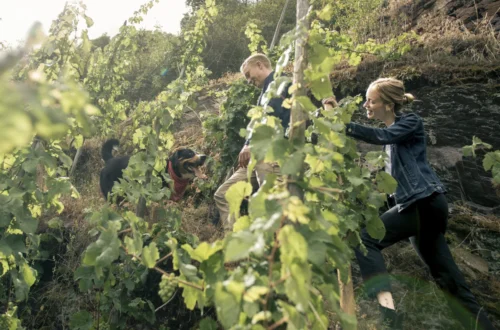
His reputation for excellence was cemented during his tenure at the Michelin-recognized Hotel Dorfhus Gupf, located nearby in Rehetobel. At the Dorfhus, Rhyner gained acclaim for his championing of small, independent wineries, with a specific, vocal advocacy for female winemakers.

"Women bring a different level of compassion and meticulous care to their vineyards," Rhyner notes. "They focus on the health of the soil and the longevity of the vine. That energy translates directly into the bottle."
The collection is managed through a sophisticated, proprietary database that tracks every bottle by producer, vineyard, vintage, and style. This digital backbone ensures that Rhyner and his staff can navigate the 18,000-bottle inventory with surgical precision, ensuring that guests always receive a recommendation perfectly suited to their palate or the evening’s menu.
Official Responses: Wellness Through the Glass
For many, the idea of a massive wine cellar in a wellness resort might seem paradoxical. However, Jan Shoch argues that the two concepts are inextricably linked.

"Wellness is not just about abstaining," Shoch said during a recent press tour. "Wellness is about the intentionality of pleasure. There is a profound sense of peace that comes from taking the time to savor something crafted with care—whether it is the quiet, jagged skyline of the Swiss Alps or a complex vintage that has been allowed to age gracefully in our cellar."
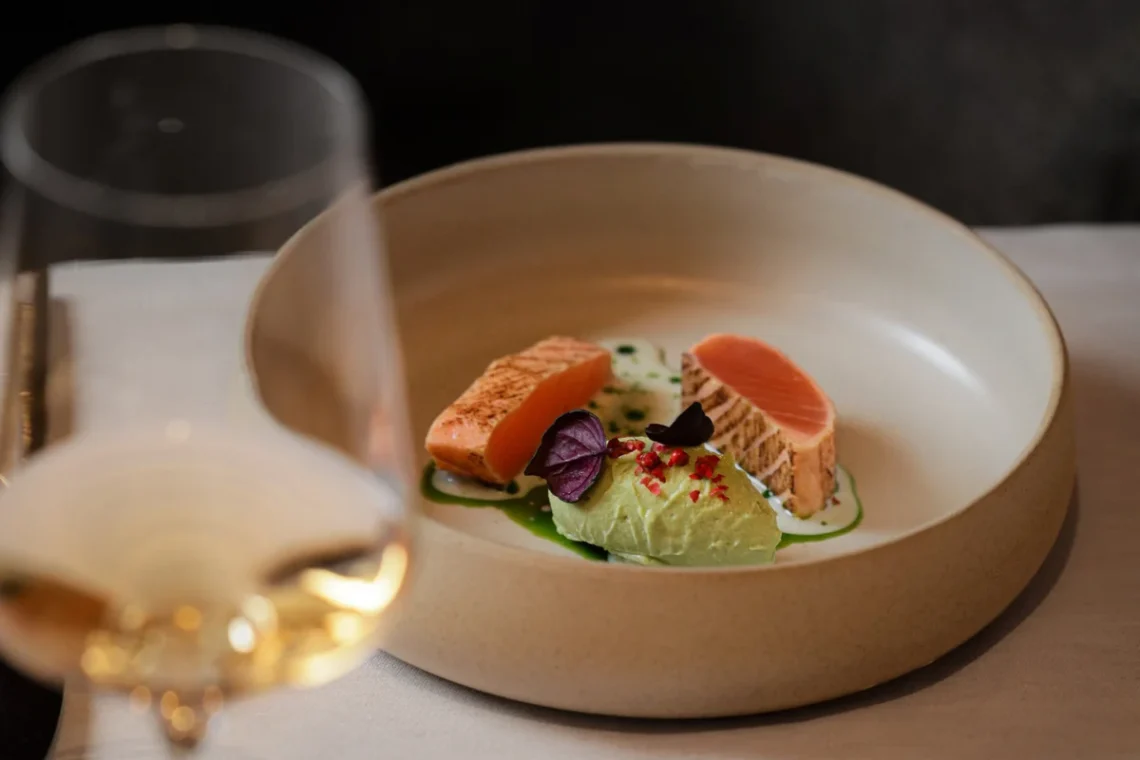
Shoch’s philosophy is reflected in the "Barrel Room" experience. Guests can book an exclusive eight-course tasting menu, where every course is paired with selections curated by Rhyner. The experience is designed to be slow, deliberate, and immersive, stripping away the distractions of modern life to focus entirely on the sensory experience of the food and wine.
Implications: A New Standard for Alpine Hospitality
The existence of the Appenzeller Huus cellar signals a shift in Swiss luxury travel. As travelers increasingly seek "experiential" tourism, the bar for high-end resorts has been raised. No longer is it sufficient to provide a comfortable bed or a scenic view; modern travelers demand a narrative.

By grounding the resort in the history of the Bären, the wellness-focus of the Quell, and the oenological depth of the cellar, the Appenzeller Huus has created a "triad of experience."
Furthermore, the focus on small-scale, independent, and female-led winemakers creates a ripple effect throughout the industry. It validates the work of boutique producers who might otherwise be overshadowed by the juggernauts of the wine world. By providing these producers with a global stage in the heart of the Alps, the Appenzeller Huus is helping to shape the future of wine appreciation—one that is decentralized, diverse, and deeply respectful of the land.
As Rhyner continues to expand the collection, the focus remains on craftsmanship. Whether it is a bottle from a tiny, unknown hillside in the Valais or a classic Grand Cru from the cellar’s climate-controlled depths, the goal is consistent: to connect the guest with the human story behind the harvest.

For the visitor standing in the cool, silent air of the Barrel Room, surrounded by thousands of bottles of liquid history, the message is clear: in this corner of Switzerland, the art of living well is something to be bottled, stored, and shared.