Main Facts: The Longevity Paradox and the Power of Plant-Based Proteins
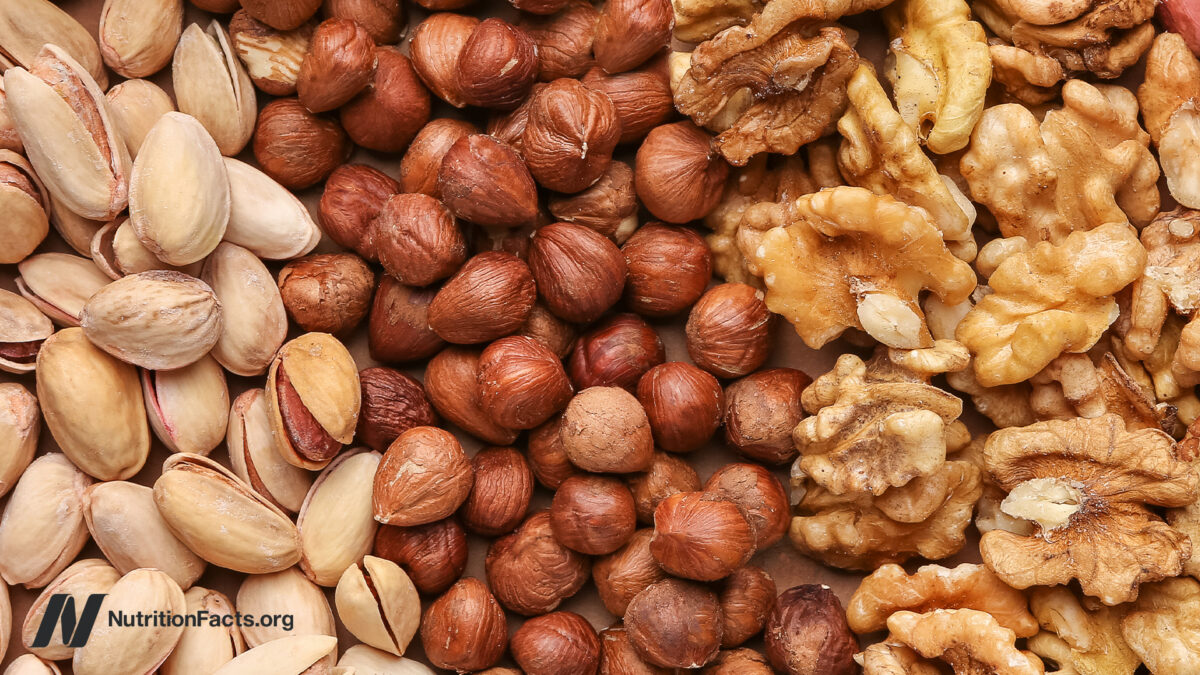
For decades, nutritional science has pointed to a compelling correlation: people who regularly incorporate nuts into their diets tend to live longer, healthier lives. A single daily serving of nuts—roughly a quarter-cup or an ounce—is associated with a striking 22% reduction in the risk of premature death. Globally, millions of preventable deaths each year are estimated to be attributable to inadequate nut intake.
Yet, this observation raises a fundamental physiological and epidemiological question: Do people who eat nuts live longer simply because they displace animal proteins with plant proteins, or are there intrinsic, independent health benefits tied directly to the nutritional profile of nuts themselves?
Recent analyses of large-scale epidemiological data reveal a surprising nuance. The protective effect of nuts—manifested as a lower incidence of cardiovascular disease, heart attacks, and all-cause mortality—is not restricted to health-conscious individuals who already maintain pristine diets. In fact, the reduction in heart attacks among frequent nut eaters is just as pronounced in non-vegetarians. When researchers compare a dozen different food groups in relation to longevity, nuts frequently rank at the very top, occasionally even outperforming vegetables in lowering the risk of premature death.
To understand why plant-based proteins like nuts, soy, and legumes exert such a profound protective effect, researchers must look beyond isolated nutrients and examine the broader landscape of dietary protein sources. Doing so, however, requires navigating a complex web of scientific literature, institutional biases, and corporate influence that has historically shaped public dietary guidelines.
Chronology: How Dietary Science and Industry Influence Evolved
To trace how nutritional epidemiology arrived at our current understanding of plant versus animal proteins, it is necessary to examine the historical trajectory of dietary research and corporate involvement:
- The Mid-to-Late 20th Century: As cardiovascular disease emerged as the leading killer in the industrialized world, epidemiological studies began identifying dietary saturated fat and dietary cholesterol as primary culprits. Early dietary guidelines emphasized general reductions in fat, creating an opening for various food industries to shape public messaging.
- The Rise of Industry-Backed Journals: Over the decades, academic publishing in nutrition became increasingly institutionalized. Prominent peer-reviewed publications, such as The American Journal of Clinical Nutrition—published by the American Society for Nutrition (ASN)—grew to rely heavily on financial support from corporate sustaining partners, ranging from sugar and soda conglomerates to major meat, dairy, and egg industry associations.
- The Meta-Analysis Era: As nutrition science shifted toward meta-analyses—pooling data from multiple randomized controlled trials (RCTs) to synthesize broad conclusions—industry stakeholders recognized an opportunity to leverage these powerful statistical tools to protect market share for specific commodities, most notably red meat.
- The 2016 Turning Point: A heavily scrutinized meta-analysis published in a top-tier nutrition journal concluded that eating red meat "does not negatively influence cardiovascular disease risk factors." This publication immediately drew sharp criticism from independent researchers, exposing vulnerabilities in how clinical trials were being designed and interpreted.
- 2017–2019: The "Compared with What?" Critique: Leading researchers, including Drs. Neal Barnard and Walter Willett, published landmark critiques—such as "The Misuse of Meta-analysis in Nutrition Research"—highlighting the fatal flaws in meat-industry-backed studies. Subsequent independent studies dismantled the equivalence of various proteins, demonstrating that white meat (poultry) and fish carry cardiovascular risks comparable to, or in some cases exceeding, red meat when evaluated under identical saturated fat baselines. Concurrently, large-scale studies confirmed the independent mortality benefits of nuts, legumes, and soy.
- Present Day: Public health advocates and independent epidemiologists continue to push for greater transparency in nutritional research, urging regulatory bodies and journals to decouple scientific peer review from corporate sponsorships.
Supporting Data: Exposing the "Meat-Swap" Flaw in Clinical Trials
The integrity of nutritional science relies entirely on rigorous experimental design. However, industry-sponsored research has historically utilized methodological sleight-of-hand to obscure the physiological toll of animal proteins.
The Classic "Meat-Swap" Trick
Imagine an analogous scenario in the pharmaceutical industry: a drug company attempting to prove that eating snack cakes has no negative health impact. If researchers test a diet rich in Twinkies against a control group eating Ding Dongs, neither group will show favorable health outcomes. The control group "didn’t do any better" simply because they were consuming an equivalently processed, unhealthful alternative.
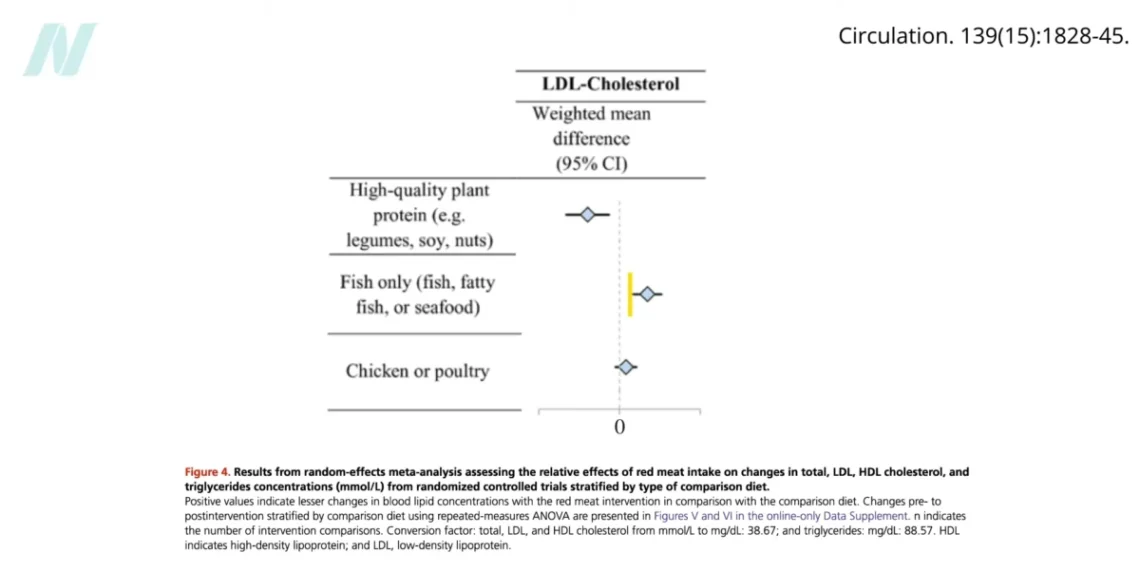
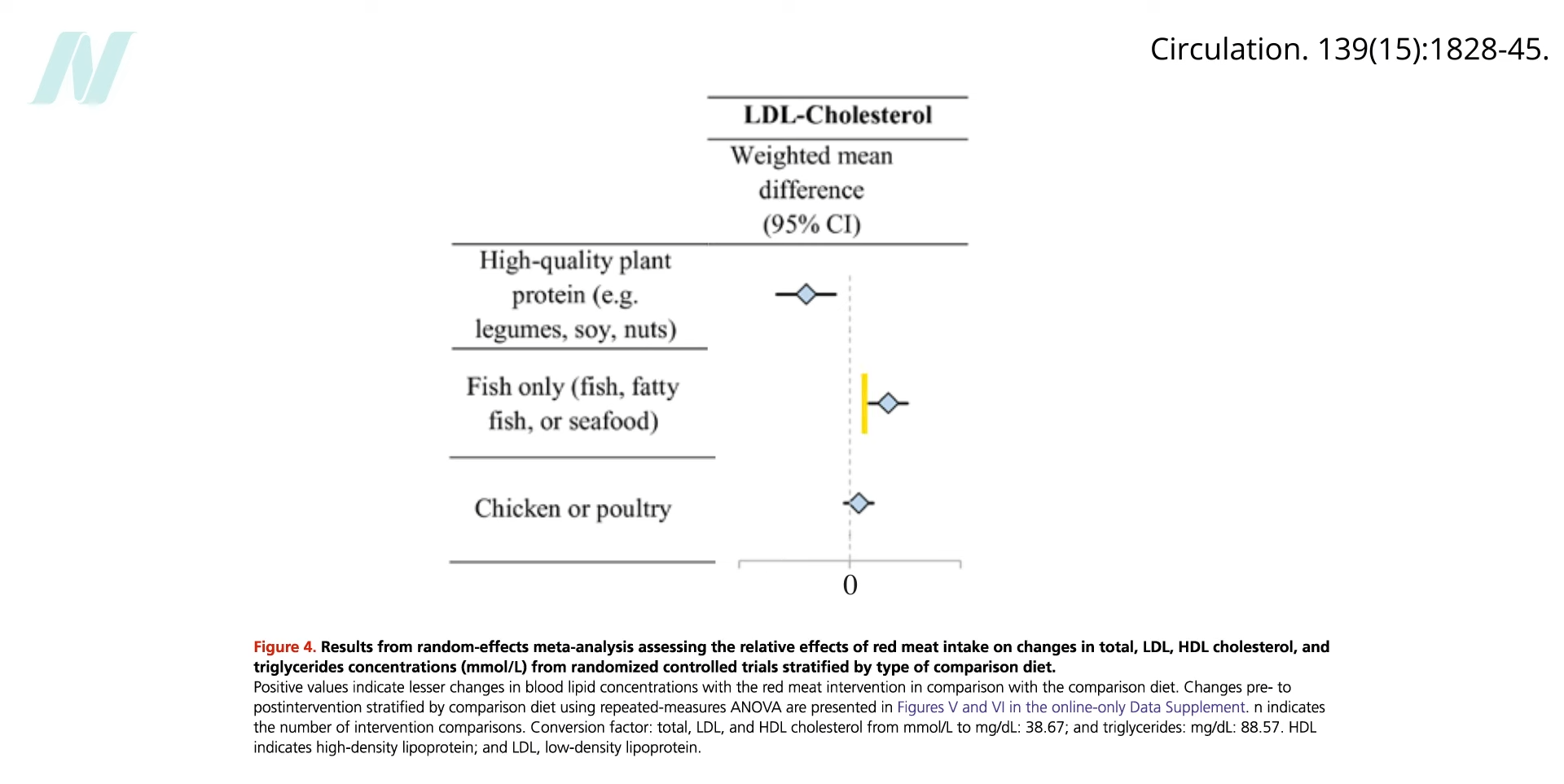
This exact methodology has been deployed in nutrition research regarding red meat. When a prominent meta-analysis set out to prove that red meat consumption does not negatively influence cholesterol or blood pressure, researchers analyzed 39 clinical trials on LDL cholesterol. A staggering 90% of those trials did not compare red meat to a plant-based diet; instead, they swapped one meat for another, using chicken or fish as the control diet.
Because the impact of consuming beef on LDL cholesterol is roughly on par with poultry and fish—especially when saturated fat content is standardized—the results showed no statistically significant difference between the groups. The authors had successfully manufactured a clean bill of health for red meat by stacking the deck against non-meat alternatives.
Plant Protein vs. Animal Protein: The Biochemical Reality
When researchers substitute animal protein with genuine plant-based alternatives—such as plant-based sausages, veggie patties, legumes, soy, and nuts—the physiological markers change dramatically. Clinical data demonstrates that:
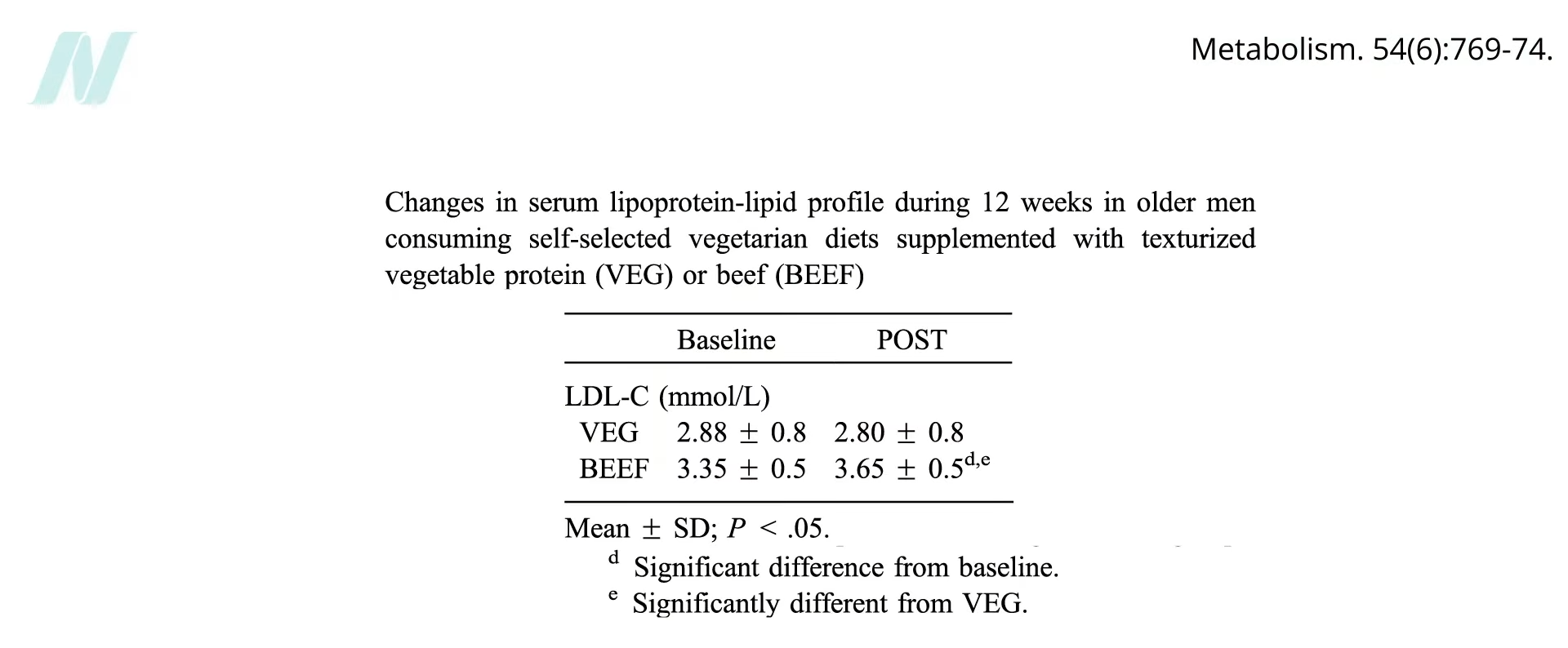
- Lower LDL Cholesterol: Replacing even a single serving of lean beef with an iso-caloric amount of nuts, soy, or legumes leads to a significant reduction in low-density lipoprotein (LDL) cholesterol—the primary driver of atherosclerosis and cardiovascular disease.
- The Myth of White Meat Safety: Independent of saturated fat content, clinical trials show that consuming red meat or white meat elevates LDL cholesterol compared to non-meat protein sources. While public health messaging has long steered consumers from red meat to poultry, data indicates that chicken and turkey are just as detrimental to cholesterol levels as beef.
- The Paradox of Fish: Interestingly, when studies attempt to standardize saturated fat content by adding dietary fats (such as butter) to fish diets, fish appears to perform even worse than beef regarding lipid profiles.
In short, whether red, white, or finned, animal proteins share a metabolic profile that challenges cardiovascular health. Conversely, plant proteins consistently improve lipid profiles, independent of background diet or baseline health conditions.
Official Responses and Institutional Conflicts of Interest
The debate over dietary proteins is inextricably linked to the governance and funding of nutritional science. At the center of this controversy is the institutional apparatus responsible for validating dietary claims.
The American Journal of Clinical Nutrition is widely recognized as a premier peer-reviewed scientific publication in the field of nutrition and dietetics. However, its publisher, the American Society for Nutrition (ASN), maintains a roster of sustaining corporate partners that includes heavyweights from the sugar, beverage, dairy, egg, and meat sectors—including the National Cattlemen’s Beef Association.
Critics argue that these financial entanglements create an inherent conflict of interest, softening the editorial rigor applied to studies funded by or favorable to animal agriculture and processed food corporations. When industry trade groups help sustain the operations of premier scientific societies, the peer-review process risks becoming a vehicle for corporate defense rather than objective inquiry.
Independent scientists have pushed back aggressively against these conflicts. Editorials penned by prominent physicians and researchers have formally called out the "misuse of meta-analysis," forcing academic institutions to reckon with the erosion of public trust. Major public health organizations are increasingly pressured to adopt stricter conflict-of-interest disclosures and to prioritize independent, publicly funded research when formulating national dietary guidelines.
Implications: Rethinking Public Health and Dietary Guidelines
The convergence of independent epidemiological data and corrected clinical trials carries profound implications for global public health, dietary policy, and individual lifestyle choices.
1. Shifting Nutritional Guidelines
Public health messaging must evolve beyond the simplistic binary of "red meat versus white meat." For decades, dietary advice focused primarily on swapping beef for chicken or fish. However, cumulative biochemical evidence proves that white meat shares the same adverse lipid-raising properties as red meat. Future dietary guidelines must pivot toward a clearer imperative: replacing animal proteins altogether with plant-based protein sources—including legumes, soy, and tree nuts.
2. Preventive Cardiology and Longevity
Cardiovascular disease remains the leading cause of mortality for both men and women globally. Because elevated LDL cholesterol is a primary risk factor, dietary interventions that effectively lower lipid levels without pharmacological intervention hold immense value. Incorporating a modest daily serving of nuts—roughly an ounce—represents a low-barrier, high-impact clinical recommendation that physicians can easily integrate into patient care, regardless of the patient’s baseline dietary habits.
3. Corporate Accountability in Science
The manipulation of nutritional research through deceptive comparative designs (the "meat-swap" phenomenon) underscores the urgent need for structural reform in scientific publishing. Protecting the integrity of nutritional science requires insulating peer-reviewed journals and professional societies from corporate funding. As upcoming investigations into corporate playbooks and dietary guideline manipulation suggest, public awareness of these industry tactics is the first step toward demanding transparent, evidence-based nutritional policies.
Ultimately, the science is clear: the health benefits of nuts and plant-based proteins are not merely an artifact of escaping a poor diet, but the result of superior biochemical properties that actively protect the human cardiovascular system. Embracing these insights offers a clear pathway toward reduced mortality and a longer, healthier life.