The American hot dog, a perennial symbol of backyard leisure and ballpark nostalgia, is undergoing a sophisticated transformation. As home cooks increasingly seek to elevate humble ingredients, new methodologies in preparation and topping assembly are emerging. Leading this movement is Deb Perelman of Smitten Kitchen, whose recent exploration into the "perfectly prepared" frankfurter offers a masterclass in texture, acidity, and structural integrity.
However, this culinary evolution does not exist in a vacuum. Set against the backdrop of record-breaking "heat domes" across the Eastern United States and a humanitarian crisis following devastating earthquakes in Venezuela, the act of preparing a simple meal has become intertwined with both environmental adaptation and global philanthropy.

Main Facts: The Anatomy of an Elevated Classic
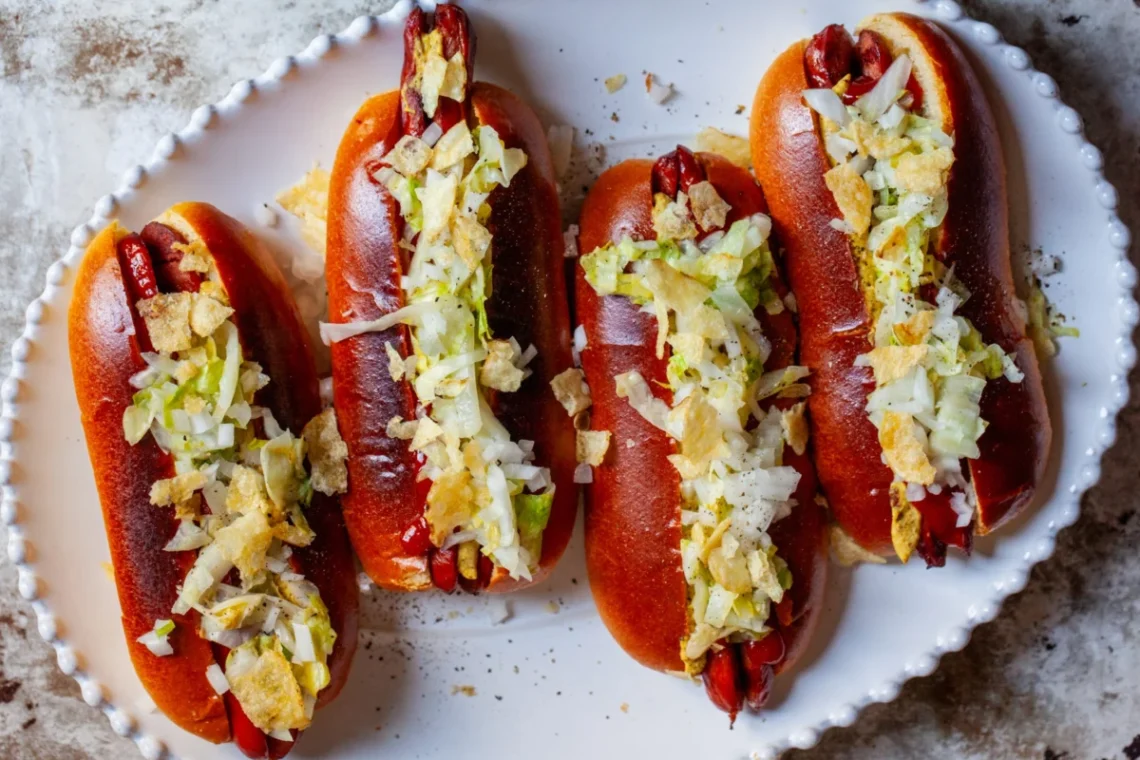
The core of the recent culinary discourse centers on a departure from the traditional boiled or whole-grilled hot dog. Instead, the focus has shifted toward a "butterflied" preparation—a technique where the sausage is split down the center, leaving a small hinge, and seared flat. According to culinary experts and popularized by Perelman, this method maximizes the surface area exposed to the heat source, facilitating a more robust Maillard reaction—the chemical process between amino acids and reducing sugars that gives browned food its distinctive flavor.
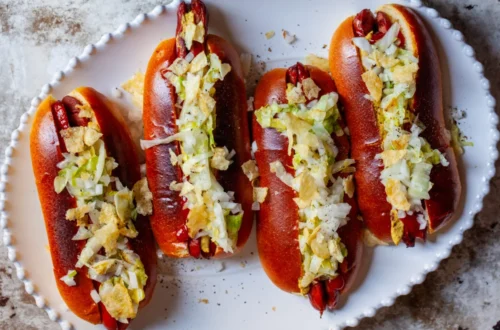
Beyond the meat itself, the "Smitten Kitchen" approach introduces two non-traditional components: "vinegared" iceberg lettuce and crumbled potato chips. The lettuce, quick-pickled in a solution of vinegar, sugar, and salt, provides a high-moisture, high-acidity counterpoint to the fatty profile of the beef. The addition of potato chips—specifically kettle-cooked varieties or traditional "potato sticks"—introduces a mechanical crunch that is often missing from softer, bun-heavy preparations.
This shift represents a broader trend in domestic gastronomy: the "from-scratch" enthusiast recognizing the limits of DIY production. While many home cooks have experimented with artisanal condiments or homemade buns, the consensus among experts—including Perelman—is that the industrial emulsion of spices, curing agents, and meat required for a high-quality frankfurter is best left to specialists like Hebrew National. The focus, therefore, has moved from making the dog to perfecting its presentation.

Chronology of Preparation: From Brine to Bun
The execution of this refined hot dog is a time-sensitive process that requires careful sequencing to ensure the interplay of temperatures and textures.
- The Acidic Foundation (T-Minus 30 Minutes to 24 Hours): The process begins with the preparation of the vinegared iceberg. A brine of water, vinegar, salt, and sugar is whisked until dissolved. The lettuce is submerged and refrigerated. This window allows the vinegar to penetrate the cellular structure of the iceberg without fully breaking down its signature crispness.
- The Butterfly Cut: Before hitting the heat, the hot dog is sliced longitudinally. This "butterfly" technique is crucial for structural stability, preventing the dog from rolling on the grill and creating a flat "cradle" for toppings.
- The Searing Phase: The meat is placed cut-side down on a griddle or grill. To achieve optimal browning, culinary weights or presses are often employed to ensure even contact with the hot surface. Since hot dogs are sold pre-cooked, this stage is purely about developing texture and "sizzle."
- The Assembly: The dog is returned to its bun—ideally a potato roll for its softness—and layered with traditional condiments (mustard, ketchup) before being topped with the chilled, vinegared lettuce.
- The Final Texture: The final step involves the application of crumbled potato chips and freshly ground black pepper. This must be done immediately before serving to prevent the chips from losing their crunch to the moisture of the lettuce and condiments.
Supporting Data: Flavor Profiles and Structural Integrity
The move toward butterflying hot dogs is supported by the physics of food. A standard cylindrical hot dog has a limited contact point with a flat cooking surface. By splitting the dog, the surface area for browning increases by approximately 200%. This not only enhances flavor but also creates a more stable base. In a standard bun, a round hot dog creates "valleys" on either side where toppings often slide off. A butterflied dog fills the width of the bun, providing a flat platform that secures onions, lettuce, and chips in place.
The use of iceberg lettuce, frequently maligned in high-end culinary circles for its lack of nutrient density, is defended here for its unique water content. When treated with a vinegar solution, it acts as a palate cleanser. In a blind taste test of various "acid components" for fatty meats, quick-pickled greens consistently rank higher than heavy relishes because they provide "brightness" without overwhelming the primary protein.

Furthermore, the integration of potato chips on sandwiches is a documented cultural phenomenon with deep roots in Latin American street food. In Venezuela and Colombia, "perros calientes" are famously topped with "papitas" (tiny potato sticks). This provides a necessary salt boost and a textural variance that contrasts with the soft bun.
Official Responses and Environmental Context
The timing of this culinary resurgence coincides with a significant meteorological event: a "heat dome" currently hovering over the Eastern United States. National weather services have issued heat advisories as temperatures climb into the triple digits. This environmental reality has forced a shift in "official" cooking recommendations.
Professional chefs and lifestyle influencers are increasingly advising against the "Great American Tradition" of outdoor grilling during such extremes. The recommendation to move the "grill" indoors—utilizing cast-iron griddles and stove-top presses—is not merely a matter of comfort but of safety. The "Happy cook = happy everyone" philosophy touted by Perelman reflects a pragmatic response to a changing climate, where indoor kitchen infrastructure is utilized to replicate outdoor results without the risk of heat exhaustion.

On a global scale, the mention of Venezuelan-style toppings comes at a time of tragedy. Last weekend, Venezuela was struck by twin earthquakes measuring 7.2 and 7.5 on the Richter scale. The official response from international aid organizations has been swift but faces "catastrophic conditions." World Central Kitchen (WCK), the disaster relief organization founded by Chef José Andrés, has officially mobilized. WCK teams are currently on the ground, utilizing their expertise in large-scale food logistics to provide hot meals to survivors and first responders.
Implications: The Intersection of Food, Culture, and Crisis
The evolution of the hot dog recipe highlights several significant implications for modern society. First, it demonstrates the democratization of gourmet techniques. By applying professional searing methods and thoughtful flavor balancing to a grocery-store staple, the barrier to "high-quality" dining is lowered. It suggests that culinary satisfaction is derived less from the price of the ingredient and more from the intentionality of its preparation.
Second, the rise of the "indoor grill" during heat domes indicates a behavioral shift in domestic life due to climate change. As extreme weather becomes more frequent, the traditional "summer BBQ" may increasingly move into air-conditioned spaces, changing the social fabric of American neighborhoods.

Finally, the connection between a simple recipe and a global disaster underscores the increasingly globalized consciousness of the modern consumer. A recipe that draws inspiration from Venezuelan street food naturally leads to an awareness of the crises facing that nation. The call to support organizations like World Central Kitchen through food-based platforms illustrates how the culinary world has become a powerful vehicle for humanitarian fundraising.
In conclusion, the modern hot dog is no longer just a quick meal; it is a point of convergence for scientific cooking techniques, cultural exchange, and global empathy. Whether it is the precision of a butterfly cut or the crunch of a potato chip, these small innovations reflect a larger desire for quality and connection in an increasingly complex world. As families gather indoors to escape the heat, the humble frankfurter—elevated by vinegar and chips—serves as a reminder of the resilience of tradition and the power of a well-made meal.