Main Facts: The Hidden Cost of the Modern Diet
For decades, public health messaging has drawn stark boundaries between vices we actively condemn and those we casually consume. While lighting up a cigarette before or after lunch is widely recognized as a socially unacceptable and hazardous health choice, reaching for a bacon-wrapped burger, a processed deli-meat sandwich, or a hot dog rarely triggers the same alarm. Yet, emerging epidemiological data suggests that the contents of our lunchboxes may carry consequences just as severe—if not more insidious—than tobacco use.
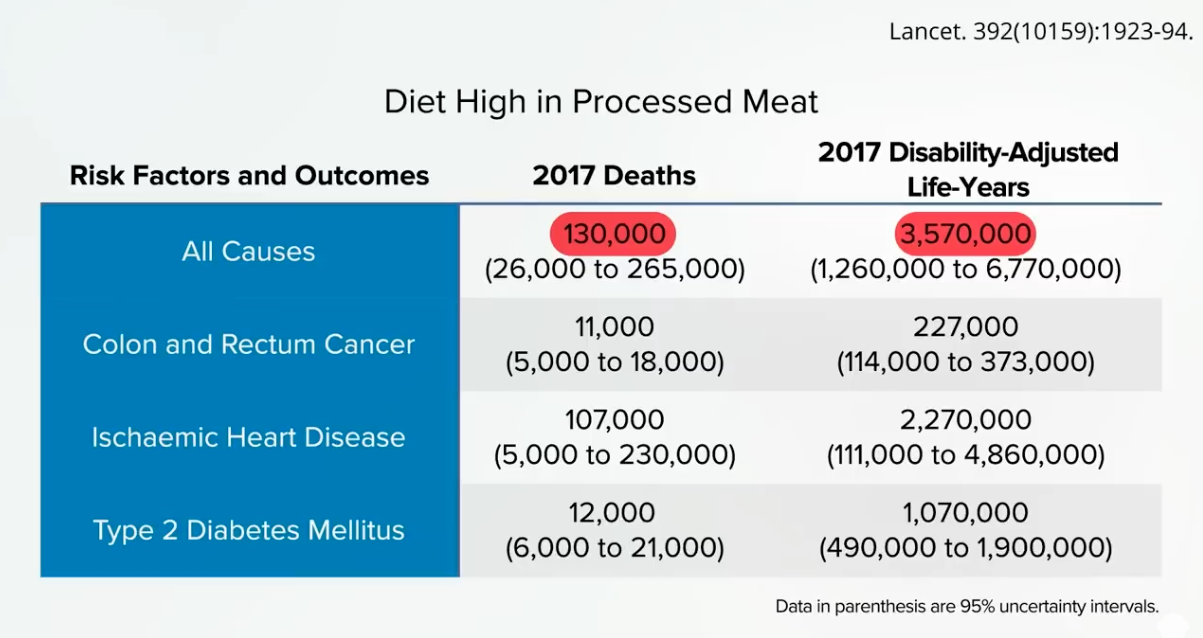
According to the comprehensive Global Burden of Disease Study, diets high in processed meats—including bacon, ham, hot dogs, lunch meat, and sausage—are implicated in more than 100,000 deaths annually worldwide. These fatalities are driven largely by cardiovascular disease, alongside various cancers and type 2 diabetes. The cumulative toll translates into millions of healthy years of life lost across the globe.
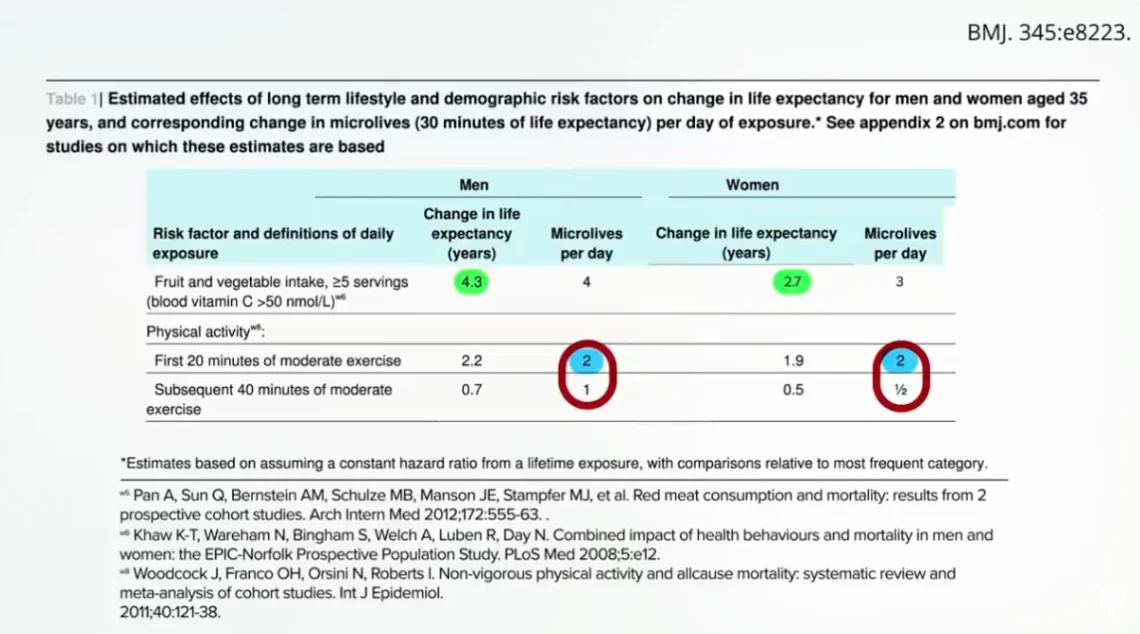
To help bridge the gap between abstract population statistics and individual decision-making, researchers have increasingly turned to innovative risk-quantification models. Among these is the concept of the microlife—a unit of measurement defined as a 30-minute reduction in life expectancy. Developed to make chronic lifestyle risks comparable, the microlife framework demonstrates that lifestyle frailties like poor diets, physical inactivity, and excess weight shave off precious time in measurable increments. Under this metric, eating a standard meat burger carries a cost roughly equivalent to smoking two cigarettes, while processed meats demand an even steeper biological price. For health-conscious consumers who find the idea of smoking unthinkable, public health advocates argue that ordering a bean burrito instead of a meaty alternative should become the new standard of self-care.
Chronology: The Evolution of Dietary Guidelines and the Meat Debate
The scientific consensus surrounding red and processed meat has evolved significantly over the past half-century, marked by intense debate, methodological friction, and shifting dietary guidelines.
- 1990s–2010s: Early comparative risk assessments begin quantifying the global burden of non-communicable diseases. Landmark epidemiological studies consistently link high intakes of saturated fats, sodium, and preserved meats to elevated rates of colorectal cancer and ischemic heart disease. Public health organizations begin issuing cautionary limits on processed meat consumption.
- 2019: The Union of Concerned Scientists releases a report estimating that if Americans could reduce their processed meat consumption to just one ounce per week, thousands of cancer deaths could be averted annually on a population scale.
- Late 2019: The publication of the NutriRECS series in the Annals of Internal Medicine sparks international controversy. A panel of researchers recommends that adults continue eating red and processed meat at current levels, arguing that the evidence linking meat to adverse health outcomes is of "low" to "very low" certainty.
- Early 2020: The NutriRECS papers draw sharp rebukes from prominent nutrition scientists, including faculty from Harvard T.H. Chan School of Public Health. Critics highlight fundamental methodological flaws and misinterpretations of nutritional science within the panel’s recommendations.
- Present Day: Nutritional epidemiologists continue refining communication tools—such as microlives and lifespan modeling—to help individuals navigate conflicting dietary advice and understand the cumulative, lifelong impacts of everyday food choices.
Supporting Data: Quantifying Health Through Microlives and Lifespan Modeling
To truly grasp how daily habits alter our long-term trajectory, researchers utilize probabilistic risk models. Acute dangers, such as skydiving or motorcycling, are traditionally measured in micromorts—units representing a one-in-a-million chance of sudden death. Conversely, chronic lifestyle habits are assessed using microlives.
A 20-something adult typically possesses roughly 57 remaining years of life—translating to approximately 20,000 days, 500,000 hours, or one million half-hours. A microlife represents the loss of one of those million remaining half-hours.
When applied to dietary and lifestyle choices, the math reveals striking equivalencies:
- Alcohol and Tobacco: Drinking a pint of strong beer shortens life expectancy by an amount roughly equivalent to smoking a single cigarette.
- Weight: Carrying just 11 excess pounds of body weight imposes a chronic biological drag on the system comparable to light, regular smoking.
- Dietary Quality: Conversely, protective behaviors yield substantial dividends. Consuming at least five daily servings of fruits and vegetables is associated with an average lifespan extension of up to four years for men and three years for women.
- Physical Activity: Exercise offers a remarkably high return on investment. Engaging in just 20 minutes of physical activity yields a net gain of roughly one hour of life expectancy (two microlives)—a 3-to-1 return on time invested. While diminishing returns set in past a certain threshold, exercising for up to an hour a day continues to return more time than it consumes.
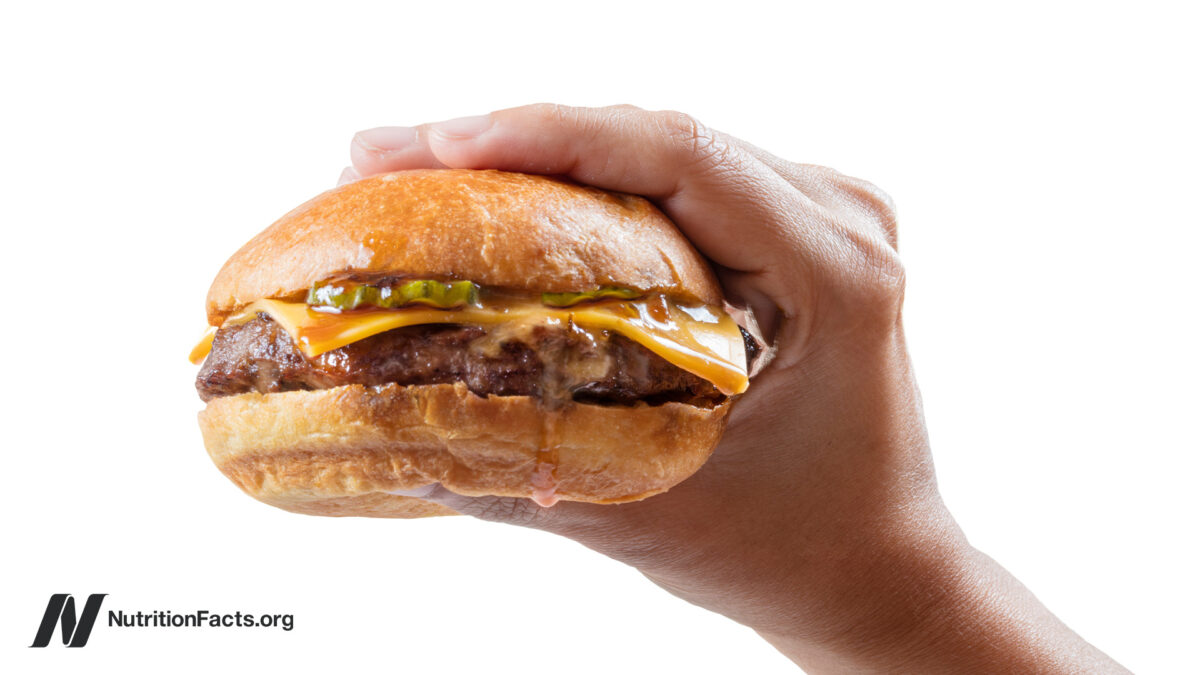
In stark contrast, every single burger consumed is associated with the expenditure of one microlife (30 minutes of lost life expectancy). When weighed against established chronic hazards, the data suggests that dietary indiscretions accumulate quietly beneath the surface long before clinical symptoms manifest.
Official Responses and Scientific Pushback
The release of the 2019 Annals of Internal Medicine dietary recommendations triggered a fierce institutional backlash. The panel’s conclusion—that individuals need not restrict their red and processed meat intake—was swiftly condemned by leading figures in preventive medicine and nutrition.
The chair of nutrition at Harvard University, alongside an international coalition of co-authors, published a formal critique stating that the NutriRECS recommendations "suffered from important methodological limitations and involved misinterpretations of nutritional evidence." The critique emphasized that robust dietary guidelines must continue prioritizing dietary patterns low in red and processed meats, while emphasizing minimally processed plant-based foods such as fruits, vegetables, whole grains, nuts, and legumes (including beans, split peas, chickpeas, and lentils).
Similarly, renowned preventive cardiologist Dr. Dean Ornish weighed in on the controversy, noting that the meat panel chose to ignore decades of robust clinical intervention trials. Dr. Ornish’s own Lifestyle Heart Trial demonstrated that comprehensive lifestyle modifications centering on a whole-food, plant-based diet could actually halt and reverse the progression of severe coronary heart disease—the leading killer of both men and women.
Reflecting on the persistence of conflicting dietary advice funded or promoted across media channels, Dr. Ornish remarked: "I take solace in knowing that the light drives out the darkness. But, these days, the light has to be very bright indeed. Caveat emptor. Don’t be fooled. Your life may depend on it."
Implications: Translating Science into Daily Choices
The convergence of global burden studies, comparative risk modeling, and clinical trials points toward an inescapable conclusion: our daily plates are powerful instruments of preventative medicine.
While public policy debates will undoubtedly continue to grapple with how industry interests influence nutritional guidelines, the individual consumer is left with actionable data. The conceptual shift from abstract hazard ratios to tangible metrics like microlives provides a clearer lens through which to view food.
Just as modern society successfully reframed public perceptions of smoking through decades of persistent education, graphic warning labels, and social stigma, our relationship with processed meats may be undergoing a parallel transformation. Whether substituting a meat patty for a bean burrito or investing 20 minutes in daily physical activity for a threefold return in life expectancy, small, conscious choices compound over a lifetime. Ultimately, recognizing that every dietary decision carries a quantifiable cost or benefit empowers individuals to take active control of their longevity and health span.