By Craig Sauers
Originally published in the December 2026 Family Issue of Wine Enthusiast
In the quiet corners of university archives and the dusty attics of private estates, a silent revolution in historical preservation is unfolding—one printed on cardstock and decorated with the whimsical illustrations of a bygone era. For Eugen Beer, a British publicist, and Barbara McMahon, a Scottish journalist, the journey began not with a grand academic pursuit, but with a simple, charming discovery in 2012.
While navigating the online archives of the University of Nevada, the pair stumbled upon a menu from the Café Anglais in Paris, a legendary establishment that shuttered its doors in 1913. The menu featured a surreal, endearing illustration: a young boy offering a morsel of meat to the moon. "We were just completely charmed," Beer recalls. "It opened a giant rabbit hole for us."
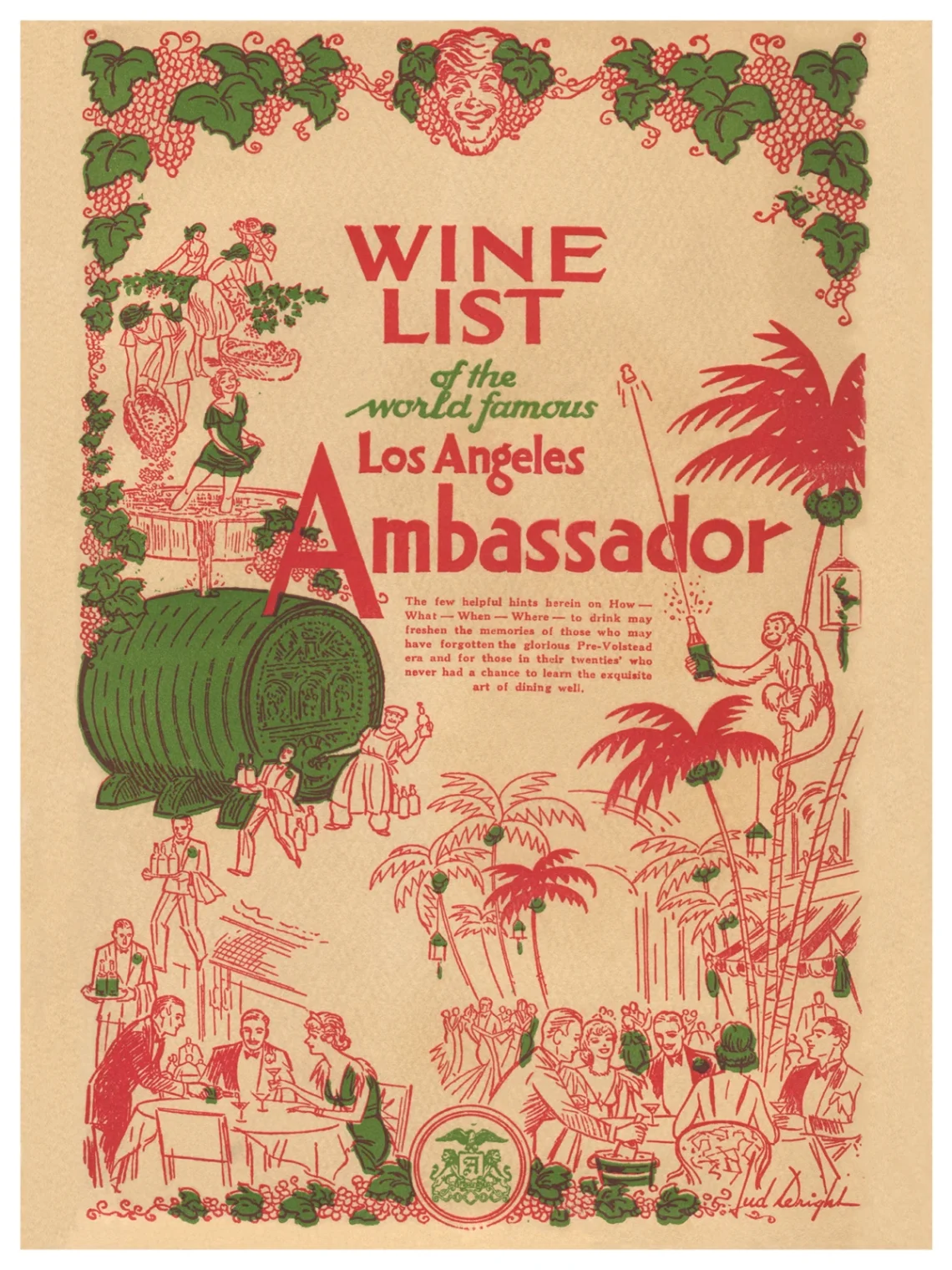
That rabbit hole led them into an obscure, obsessive world of menu collectors, archivists, and dealers. More than a decade later, their venture, Vintage Menu Art, has become the primary conduit for bringing these artifacts back into the public eye. With a catalog now exceeding 1,500 pieces, Beer and McMahon are not merely selling wall art; they are curating a visual history of how, where, and why we eat.
The Chronology of a Culinary Evolution
To understand the rise of the American menu is to trace the history of the American frontier itself. As the 19th century drew to a close, the concept of "dining out" began to shift from a luxury of the elite to a staple of the burgeoning middle class.
The Manifest Destiny of Dining
As the United States expanded westward, the infrastructure of civilization followed suit. "There was no dining-out culture in the U.K.—except for the very rich—until the 1960s," Beer notes. "But in the U.S., whenever a place like Dodge City emerged, one of the first things they did was establish a hotel and import a bartender from the East Coast."
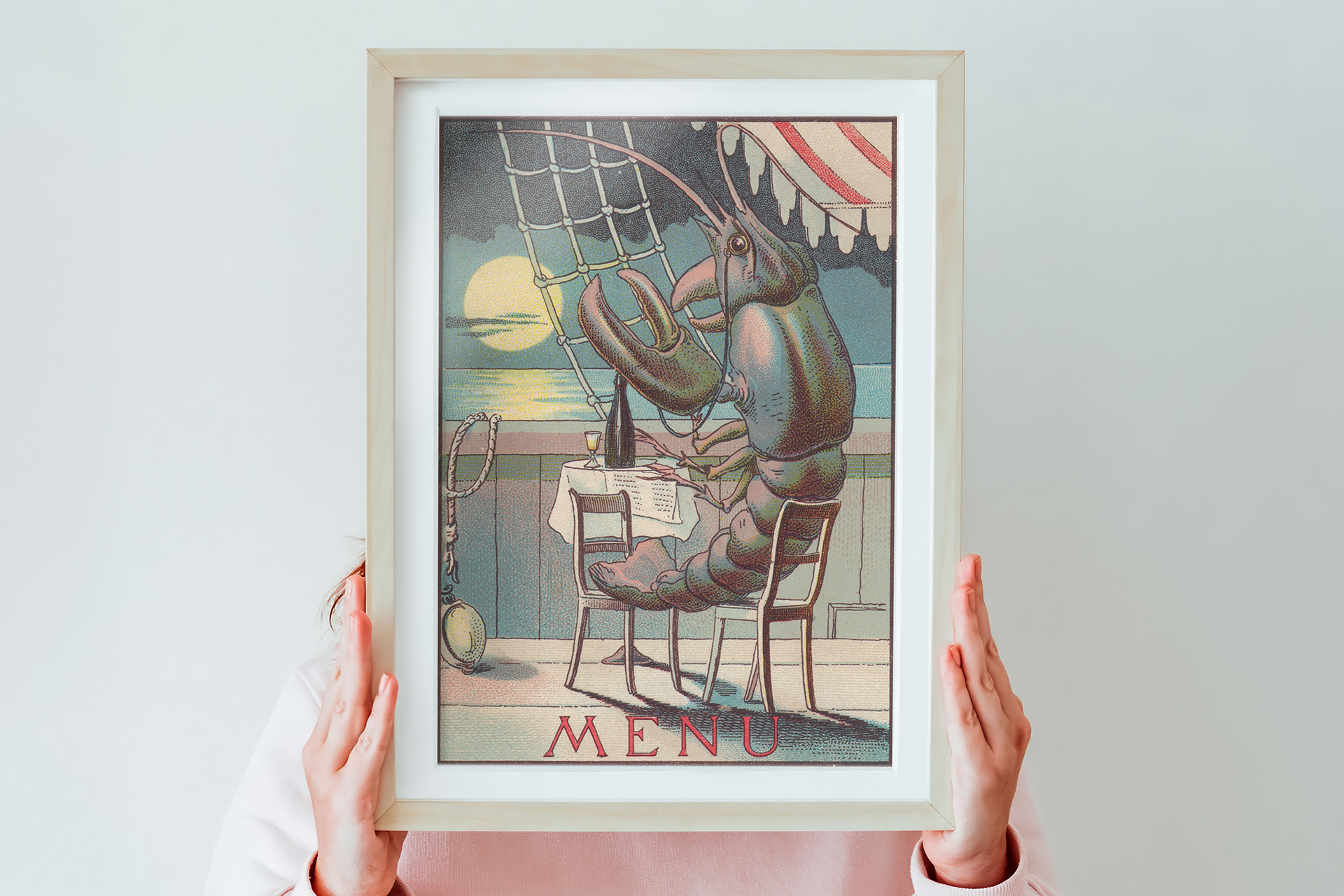
These hotels and saloons became the social anchors of new towns. As competition grew, proprietors realized that food was often identical—steak, lobster, and burgers were the universal staples—so the differentiation had to occur on paper.
The Post-Prohibition Boom
The repeal of Prohibition in 1933 acted as a catalyst for graphic innovation. Restaurants were no longer just places to consume calories; they were stages for entertainment. Owners began commissioning artists, illustrators, and even legendary graphic designers like Saul Bass and Paul Rand to create menus that functioned as immersive marketing collateral.
These menus were designed to sell an experience. Whether it was the exotic promise of a "zombie cocktail" in a Waikiki hotel or the sophisticated allure of a French bistro, the menu was the primary tool used to turn an ordinary dinner into a memorable event.
Supporting Data: A Lens into the Economic Past
Beyond their aesthetic value, these menus serve as primary economic documents. They provide an unfiltered, literal look at the cost of living and the shifting tides of American inflation.
Pricing Perspectives
A review of the Vintage Menu Art archives reveals a world where fine dining was surprisingly accessible. Beer points to a menu from the mid-century hotspot Tail o’ the Cock in Los Angeles. "Immediately after Prohibition, in 99% of places, cocktails would have started at 25 cents," he explains. "On this particular menu, the most expensive dish—a filet mignon—was $4.95, and a bottle of Château Margaux was $5.75."
These figures provide a fascinating contrast to modern price points, but they also highlight the American cultural tendency to hold onto these items. Unlike in Europe, where menus were often discarded, Americans tucked them into scrapbooks. This practice, driven by a mixture of rising purchasing power and a cultural hunger for souvenirs, created the vast, untapped cache of historical data that Beer and McMahon now mine.

Institutional Challenges
Before the emergence of digital preservationists, accessing this data was an arduous task. By the early 2010s, the Culinary Institute of America (CIA) held nearly 50,000 menus, but institutional bureaucracy made research difficult. "At the New York Public Library, you’d have to book an appointment. You could only see two menus at a time," Beer says. This "gated" history was precisely what motivated the duo to digitize and distribute these pieces for the public.
The Custodians of Memory: Official Insights
The preservation movement relies heavily on "super-collectors" who spent decades rescuing these items from oblivion. Among the most significant is Henry Voigt, a former DuPont executive who began acquiring menus at auctions in the 1990s.
Voigt’s collection, which eventually topped 10,000 pieces, became a cornerstone for the work Beer and McMahon do today. Voigt, who has donated thousands of pre-20th-century menus to the American Antiquarian Society, views his work as a moral obligation to record the history of everyday life.
The Symbolism of the Plate
"These menus not only reflect what the people were eating but also what they were doing and what they valued—the symbolism of food," Voigt explains. He points to a haunting example: a menu from Springfield, Massachusetts, dated April 16, 1865. The black border, which initially appeared to be a printing error, was actually a mourning gesture following the assassination of Abraham Lincoln.
"You put yourself in that dining room," says Voigt. "Through dinner, you’re hearing church bells all over Springfield because they rang all day that Sunday." This level of visceral connection is what drives the team at Vintage Menu Art.
Implications: Resurrecting the American Narrative
The process of restoring these menus is a delicate blend of forensic history and digital artistry. Every piece sourced—whether from an estate sale in Poughkeepsie or a flea market in Pennsylvania—undergoes a rigorous process. The team scans the originals and cleans them pixel-by-pixel, meticulously removing the stains and creases of time while preserving the original typography and pricing.

Why It Matters
The implications of this work extend far beyond home décor. By making these menus accessible, Beer and McMahon are helping to fill a gap in American cultural history. They are reintroducing the public to forgotten commercial artists, such as William Steig, who—before he became the household name behind Shrek—was crafting mid-century menu designs for restaurants like Welton’s in Worcester, Massachusetts.
The Modern Appeal
Today, these prints are sold online, at a permanent booth in Los Angeles’ historic Farmers Market, and at art and wine fairs across the West Coast. The reaction from the public is almost always one of immediate, nostalgic wonder.
"These were designed to entertain, to make people anticipate a nice time, and they’re still doing that," Beer says. "When people pick up a print, they go, ‘Wow, have you seen this?’ They whip themselves up into a frenzy of excitement."
In an era of digital, ephemeral dining, where menus are increasingly accessed via QR codes that vanish the moment a tab is closed, the tangible, illustrative menu stands as a monument to a time when restaurants were the center of the community. Through the efforts of archivists and enthusiasts like Beer, McMahon, and Voigt, that history is no longer relegated to the bottom of a cardboard box. Instead, it is being reframed, restored, and returned to the walls of the homes that value the art of the table.
As Beer aptly puts it, this is "a slice of Americana that Americans forgot"—and it is finally being served back to them, one beautifully preserved course at a time.