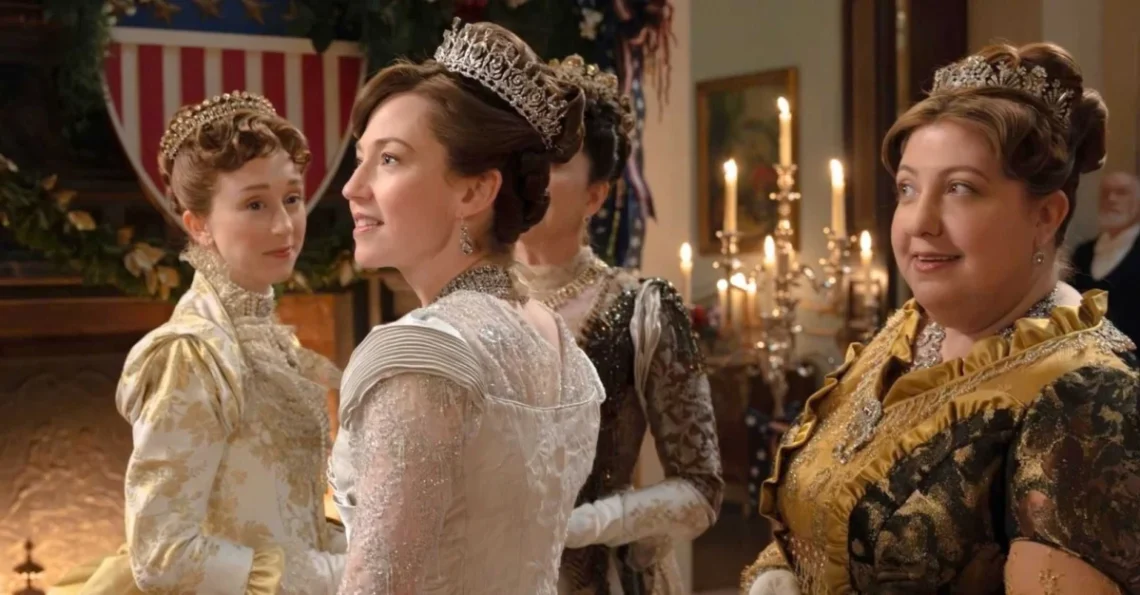
As the autumn air turns crisp and the holiday season approaches, HBO is set to deliver the ultimate antidote to the cooling weather: the return of the lavish, scandalous, and visually arresting world of Julian Fellowes’ The Gilded Age. With its fourth season premiering on Sunday, November 1, 2026, at 9 PM, the series promises to once again transport viewers into the cutthroat corridors of 1880s New York, where the battle for social supremacy is as fierce as any industrial empire.
Following the explosive and emotionally resonant conclusion of Season 3, fans have been clamoring for answers. With the social hierarchy of Manhattan in a constant state of flux, Season 4 arrives with the weight of expectation, promising eight weeks of period-drama perfection that will carry audiences through the end of the calendar year.
The Main Facts: Return to the Gilded Era
The return of The Gilded Age is more than just a television event; it is a cultural touchstone for fans of historical fiction. The fourth season, consisting of eight episodes, will anchor HBO’s Sunday night programming throughout the final two months of 2026.
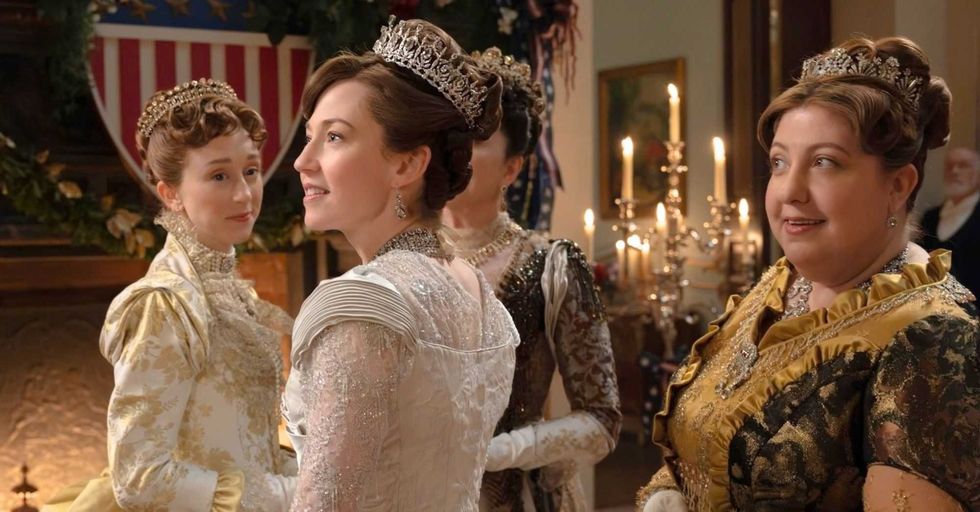
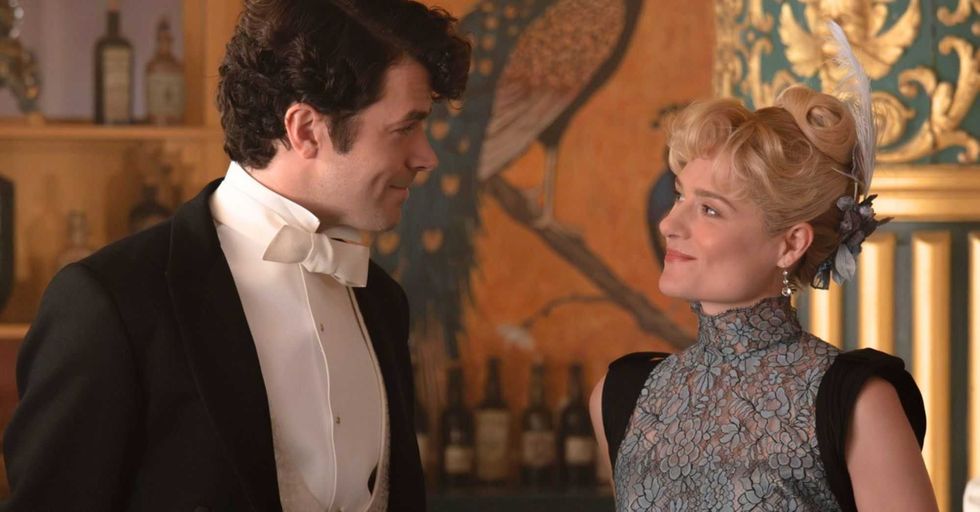
The production value continues to be a hallmark of the series. By meticulously recreating the architectural grandeur of Gilded Age New York, the show offers a tactile experience that blends historical accuracy with the heightened reality of a prestige soap opera. For those who felt the sting of the Season 3 cliffhanger—which left the status of several key players in precarious positions—the November 1 premiere represents a vital resolution to the lingering tensions that defined the previous chapter.
A Chronology of Conflict: Plot Developments
The narrative trajectory of Season 4 is poised to explore the consequences of the shifting power dynamics established in the previous season.
Bertha Russell’s Ambition and Moral Cost
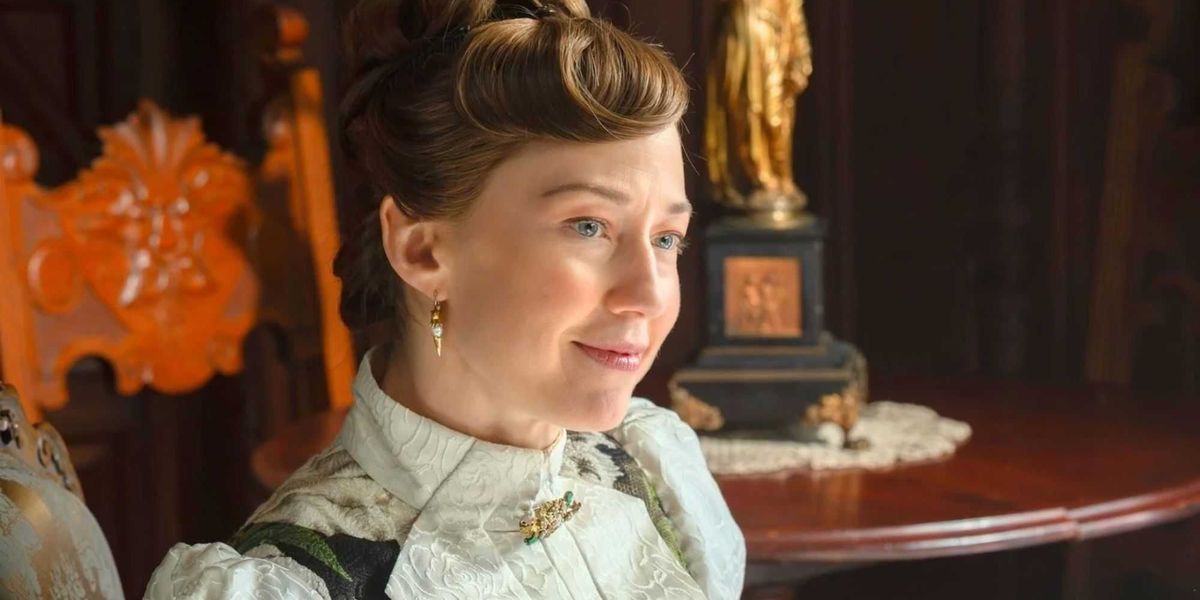
Bertha Russell, played with icy precision by Carrie Coon, has successfully cemented her position within the upper echelons of New York high society. However, as the old adage goes, it is lonelier at the top. Season 4 will delve into the personal toll of her relentless climb. Having traded much of her moral comfort for social capital, Bertha finds herself navigating the fracturing of her own household, forced to reconcile her public triumphs with the private strain on her marriage to George Russell.
The Van Rhijn Dynasty in Transition
For the traditionalists, the season is one of profound transition. Agnes van Rhijn (Christine Baranski) finds herself in an unfamiliar position. Having once acted as the final arbiter of taste and social acceptability, the loss of her "queen bee" status creates a power vacuum that forces her to reconsider her rigid worldview. The friction between her traditional values and the rapidly modernizing world will be a central tension point as the season progresses.
Youthful Aspirations and Social Progress
The younger generation continues to push the boundaries of their station. Marian Brook is increasingly stepping away from the passive expectations placed upon young women of her time, finding her voice and purpose through social work. Her blossoming relationship with Larry Russell remains a focal point, representing the potential for a bridge between the "old money" establishment and the "new money" industrial titans.
Meanwhile, Peggy Scott continues to navigate the complexities of her dual identity. As she approaches a potential marriage, the scrutiny of her future in-laws poses a significant hurdle. Her journey remains one of the most compelling narratives in the series, highlighting the intersection of race, ambition, and societal gatekeeping in the late 19th century.
Supporting Data: Production and Filming
The authenticity of The Gilded Age is largely attributed to its expansive and immersive filming schedule. Production for the fourth season commenced in February 2026, utilizing a blend of location shoots and meticulously crafted soundstages.
The production team returned to key locations that define the aesthetic of the series, including the historic streets of New York City and the sprawling mansions of Newport, Rhode Island. Furthermore, significant sequences were filmed in Albany, which serves as a stand-in for the political and governmental centers of the era.
Social media "leaks" from production sets have provided eagle-eyed fans with glimpses of what to expect, with persistent rumors of 4th of July festivities suggesting that the season will traverse several months of calendar time, allowing for a rich display of period-accurate celebrations and seasonal shifts.
The Ensemble: A Cast of Unparalleled Talent
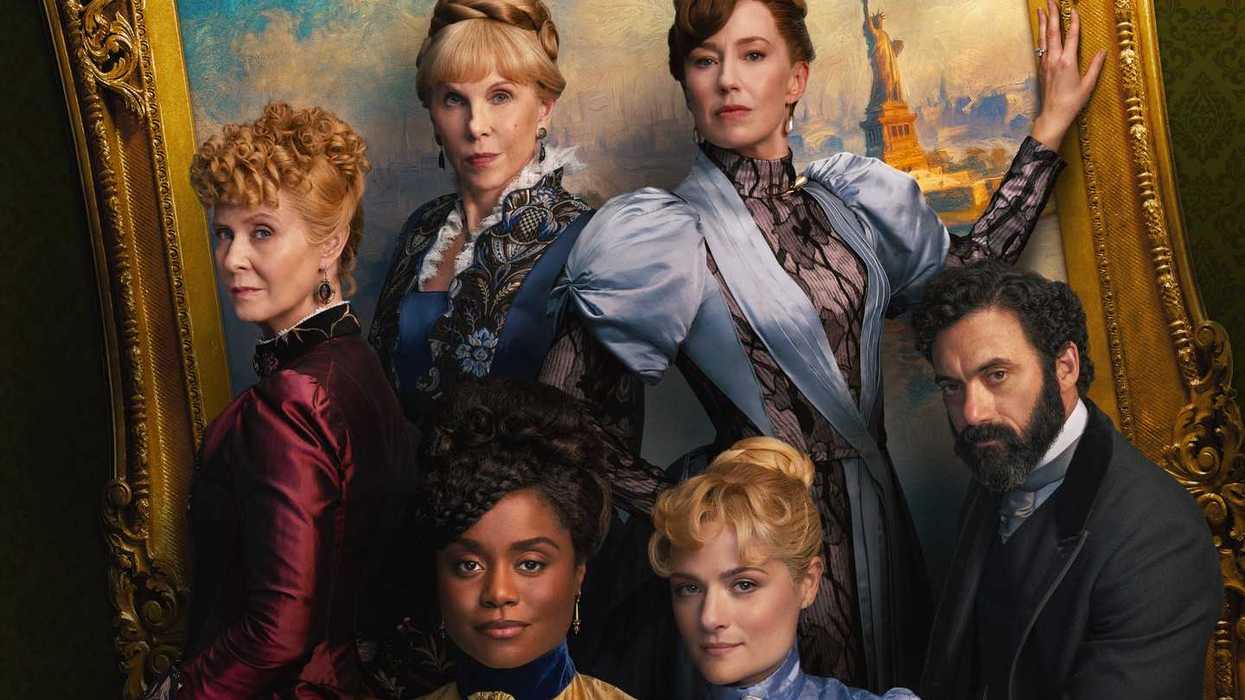
The success of the series rests on the shoulders of an expansive and diverse ensemble cast. The sheer volume of talent involved in Season 4 is a testament to the show’s prestige within the industry.
Returning Lead Cast:
- Carrie Coon as Bertha Russell
- Christine Baranski as Agnes van Rhijn
- Cynthia Nixon as Ada Brook
- Morgan Spector as George Russell
- Louisa Jacobson as Marian Brook
- Denée Benton as Peggy Scott
The supporting cast is equally formidable, featuring a roster of stage and screen legends including Audra McDonald, Brian Stokes Mitchell, Donna Murphy, and Kelli O’Hara. The depth of the bench is further bolstered by the addition of new faces and the continued development of existing characters portrayed by Taissa Farmiga, Harry Richardson, and Blake Ritson.
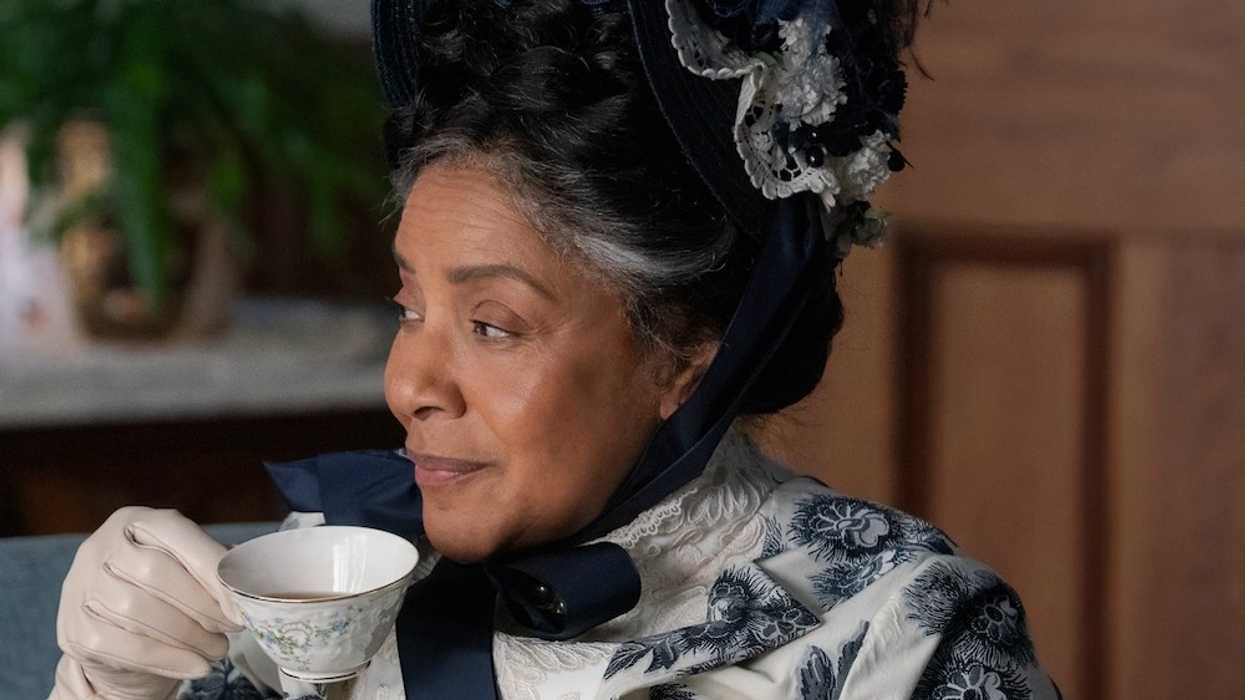
Notably, the production has integrated high-profile guest stars into the fabric of the show, with names such as Phylicia Rashad, Bill Camp, and Jim Gaffigan appearing in various capacities. This ensemble approach ensures that even the most peripheral storylines are imbued with high-stakes performance and emotional gravity.
Implications: The Evolution of Historical Drama
The arrival of The Gilded Age Season 4 signals a broader shift in how historical dramas are consumed in the modern era. By focusing on the intersection of wealth, social engineering, and the slow march of progress, the series serves as a mirror for contemporary concerns regarding class mobility and institutional power.
Thematic Evolution
While the show began as a battle between the "Old Guard" and the "New Money" elite, the fourth season indicates a maturation of these themes. The characters are no longer just fighting for an invitation to a ball; they are fighting for the definition of their own identity within a changing America. The inclusion of more robust subplots regarding social welfare and the limitations of marriage for women suggests that creator Julian Fellowes is interested in exploring the structural rot beneath the gold-leaf exterior of the era.
Audience Engagement and Transmedia Storytelling
HBO has leaned heavily into the digital ecosystem to keep the audience engaged. By providing detailed breakdowns of the series’ complex family tree and behind-the-scenes content on social media, the network has fostered a dedicated community of "armchair historians." This strategy ensures that the show remains relevant not just during its hour-long broadcast, but throughout the week, as fans dissect plot points and speculate on the historical accuracy of events.
Conclusion: Preparing for the Season Premiere
As we count down the days to November 1, the anticipation for The Gilded Age Season 4 is palpable. Whether you are invested in the strategic maneuvering of George and Bertha Russell, the slow-burn romance of Marian and Larry, or the quiet strength of Peggy Scott, the upcoming season promises to deliver on all fronts.
With eight episodes scheduled, the show will occupy our Sunday nights through the holiday season, providing a weekly escape into a world of lace, corruption, and undeniable glamour. It is a reminder that while the settings may be historical, the human impulses—ambition, love, jealousy, and the desire for belonging—remain timeless.
Before tuning in for the premiere, audiences are encouraged to revisit the events of Season 3, particularly the closing scenes that reshaped the power dynamics in New York. The stage is set, the costumes are tailored, and the masks are firmly in place. Welcome back to the Gilded Age.