Introduction: The Great Dietary Contradiction
For decades, the consensus of the global public health community has remained remarkably consistent: moderating the consumption of red and processed meats is a vital step toward reducing the risk of chronic, life-altering conditions such as cardiovascular disease, type 2 diabetes, and various forms of cancer. Generations of dietary advice have pointed consumers toward plant-forward plates, emphasizing the hazards embedded in daily servings of bacon, sausage, beef, and pork.
Yet, a series of papers published in the Annals of Internal Medicine upended conventional wisdom. Spearheaded by an international panel, these studies delivered a shocking directive to consumers: continue eating red and processed meats at your current levels.
What makes this recommendation extraordinary is not merely that it contradicts years of established medical consensus, but that it defies the very data compiled within the studies themselves. Even after applying hyper-restrictive criteria that discounted decades of high-level observational data, the panel’s own meta-analyses confirmed clear associations between meat consumption and elevated risks of premature death, heart disease, and cancer.
To bridge the yawning chasm between their empirical findings and their lax recommendations, the researchers introduced a novel metric to nutritional science: the "taste cost." In doing so, they prioritized culinary preference over clinical outcomes, sparking a fierce controversy that has exposed deep vulnerabilities in how dietary guidelines are formulated, funded, and communicated to the public.
Chronology of a Controversy
To understand how nutritional guidelines reached a point of active self-contradiction, it is necessary to examine the timeline of events that brought the debate to a boil.
The Rise of Standard Public Health Consensus
For the latter half of the 20th century and well into the 21st, major health organizations—including the World Health Organization (WHO), the American Heart Association, and the American Cancer Society—built a robust body of evidence linking high intake of red and processed meats to adverse health outcomes. Processed meats, in particular, were classified by the WHO’s International Agency for Research on Cancer (IARC) as a Group 1 carcinogen, placing them in the same hazard category as tobacco smoke and asbestos. Unprocessed red meat was categorized as a "probable" carcinogen.
The NutriRECS Intervention
The turning point arrived with the formation of NutriRECS, an international consortium of researchers that set out to reassess dietary guidelines using rigorous, standardized methodologies. In late 2019, NutriRECS published a series of systematic reviews and guidelines in the Annals of Internal Medicine.
Rather than adopting traditional nutritional epidemiology frameworks, the panel utilized the GRADE (Grading of Recommendations Assessment, Development, and Evaluation) system. Originally designed to evaluate pharmaceutical trials, GRADE places randomized, double-blind, placebo-controlled trials at the absolute pinnacle of evidence. Observational studies—which form the backbone of nutritional research due to the practical and ethical impossibilities of locking humans into lifelong, randomized dietary confinement—were heavily downgraded.
Immediate Backlash and Public Outcry
The fallout was swift and severe. Prominent nutrition scientists, public health institutions, and advocacy groups mobilized immediately, penning open letters, filing Federal Trade Commission (FTC) petitions, and publishing blistering critiques. Critics pointed out that the panel’s own data revealed measurable risks associated with meat consumption, making their ultimate recommendation to maintain current intake levels a logical and scientific paradox. Further investigative reporting revealed that key members of the NutriRECS panel had un-disclosed or minimized ties to organizations receiving funding from the agricultural and meat processing industries, throwing the perceived objectivity of the guidelines into profound disarray.
Supporting Data: What the Numbers Actually Show
The core of the scientific dispute does not lie in a complete fabrication of data, but rather in how the data was interpreted, filtered, and weighed against human behavior.
The Panel’s Own Findings on Disease and Mortality
When the NutriRECS panel conducted its systematic reviews, its members could not entirely erase the statistical signal linking meat to disease. Their own meta-analyses acknowledged that reducing the consumption of red and processed meats yielded tangible, measurable health benefits:
- Total Mortality: A moderate reduction in red and processed meat intake was associated with a 13% reduction in overall mortality risk.
- Heart Disease: Cardiometabolic mortality could be cut by 14%.
- Cancer Mortality: Deaths from cancer decreased by 11%.
- Type 2 Diabetes: The risk of developing type 2 diabetes dropped by a striking 24%.
Despite these figures—which, in any other public health context, would trigger urgent warnings—the panel concluded that the absolute risk reduction for individuals was "small" and therefore insufficient to warrant a change in population-wide behavior.
The Flaws of Applying GRADE to Nutrition
The decision to downgrade observational evidence using GRADE criteria has been a focal point of criticism from epidemiologists. Critics argue that if the strictness of GRADE were applied universally across all lifestyle, environmental, and dietary factors, nearly every established public health recommendation would collapse.
Consider the standard guidelines regarding:
- Diet: Low consumption of fruits and vegetables, or high consumption of sugar-sweetened beverages.
- Lifestyle: Physical inactivity, heavy alcohol consumption, inadequate sleep, and unsafe sex.
- Environment: Air pollution and passive smoke exposure.
If evaluated strictly through the lens of pharmaceutical-grade randomized controlled trials, none of these factors are supported by "high-" or even "moderate-quality" evidence, simply because long-term, blinded, randomized trials isolating humans from these variables are virtually impossible to conduct. By applying an inappropriate methodological filter, the panel effectively discarded the totality of nutritional science to arrive at a predetermined conclusion.
Official Responses and Expert Reactions
The medical and scientific establishment did not mince words when reacting to the Annals of Internal Medicine publications. The disconnect between the data and the final guidelines drew sharp rebukes from some of the world’s leading epidemiologists and preventive medicine experts.
The "Taste Cost" Argument
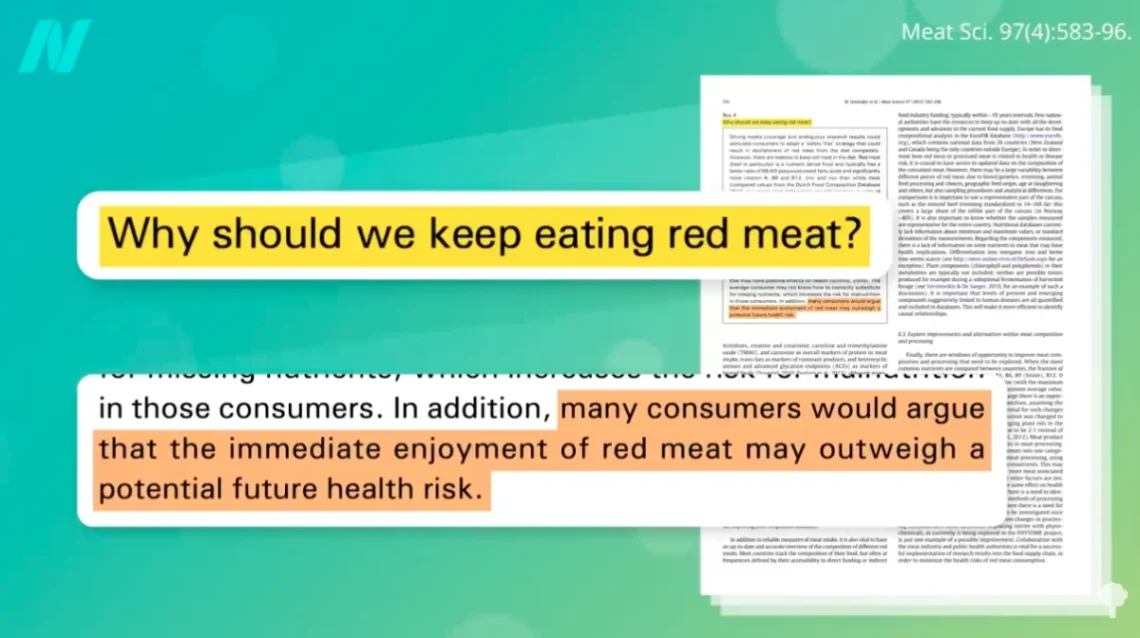
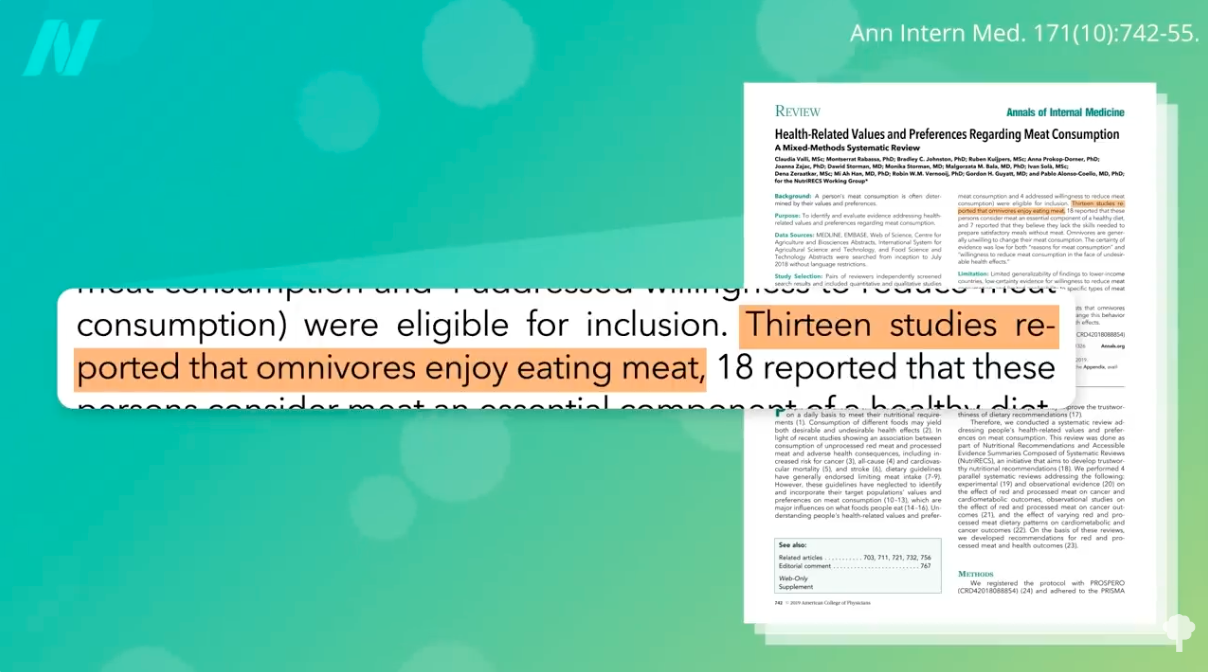
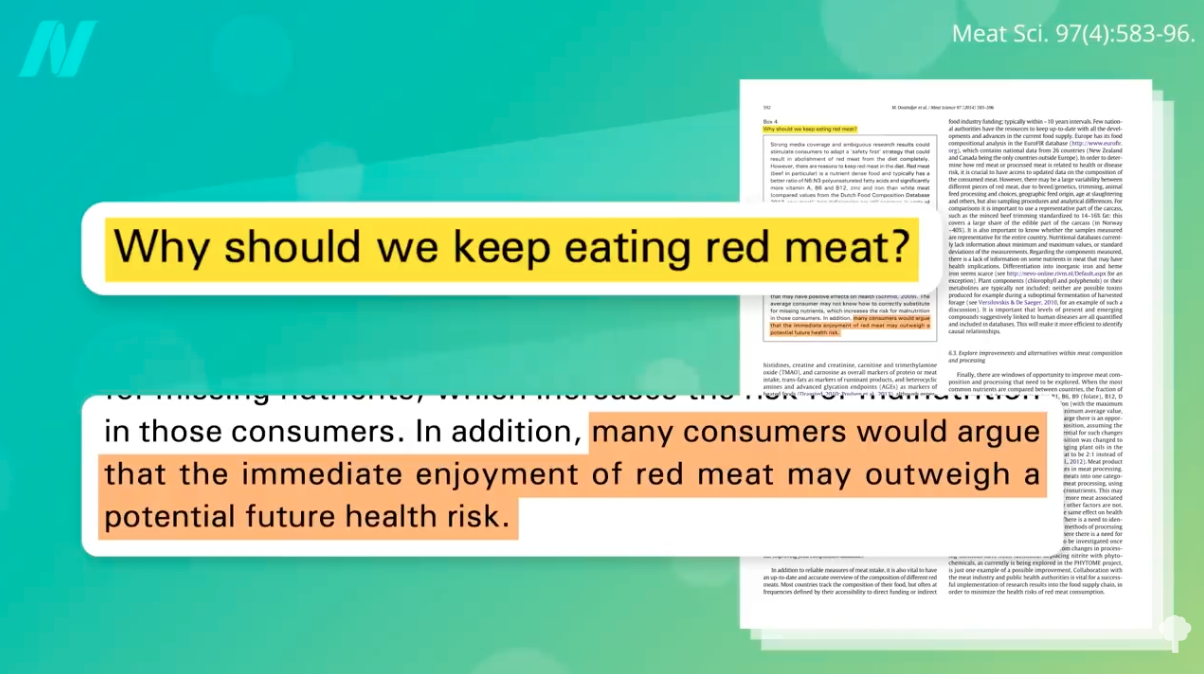
To justify their recommendations, the NutriRECS panel introduced a concept foreign to traditional clinical guidelines: they incorporated consumer values and preferences directly into the decision-making process. Through a systematic review of meat-eaters’ attitudes, the panel determined that omnivores "enjoy eating meat" and are generally "unwilling to change their consumption," even when confronted with health risks.
The panel argued that the "desirable effects" of reducing meat consumption—such as lowering the risk of cancer and heart attacks—did not outweigh the "undesirable effects" of having to give up preferred foods. In essence, they asserted that complying with traditional dietary recommendations imposes an unacceptable "taste cost" on consumers.
Comparisons to Absurdity
This logic was met with disbelief by mainstream researchers. Dr. David Katz, founder of the Yale Prevention Research Center, offered a scathing critique of the panel’s rationale. In professional essays and public statements, Dr. Katz noted that by using the panel’s exact methodology and ethical framework, researchers could just as easily issue guidelines declaring:
- "No need to quit smoking for good health, because smokers enjoy smoking."
- "No need to wear motorcycle helmets, because some people prefer the feeling of the wind in their hair."
- "No need to exercise, because couch-surfing is more comfortable."
In Dr. Katz’s estimation, guidelines that directly oppose the very data upon which they purport to be based cease to be science at all. Instead, he categorized them as fundamentally "anti-science."
Broader Implications for Public Health and Nutritional Science
The controversy surrounding the 2019 meat guidelines extends far beyond a single food group; it touches upon the integrity of nutritional science, the influence of commercial interests, and the future of public health communication.
Erosion of Public Trust
When premier medical journals publish contradictory directives—telling the public on one hand that meat causes cancer and diabetes, while simultaneously advising them to continue eating it because they enjoy it—the inevitable result is consumer confusion. In an era already saturated with nutritional misinformation, "dietary whiplash" erodes public trust in institutional science. Consumers are left wondering whether any health guideline can be trusted, or if all nutritional advice is merely a shifting landscape of ideological or commercial biases.
The Conflict of Interest Problem
The revelation that parts of the research network behind the guidelines enjoyed institutional backing connected to the meat industry highlights a persistent vulnerability in scientific publishing. While academic transparency disclosures have improved, the subtle shaping of research questions, methodological frameworks, and narrative framing by vested financial interests remains a potent force. When guidelines prioritize palatability and consumer preferences over objective health outcomes, public health policy risks becoming a mirror of corporate marketing rather than a shield for human well-being.
Redefining the Purpose of Dietary Guidelines
Ultimately, this episode forces a philosophical reckoning within the scientific community: What is the primary purpose of a dietary guideline?
If guidelines are designed to reflect the status quo—accommodating human stubbornness, culinary habits, and commercial market demands—then telling people to keep eating burgers and bacon makes pragmatic, behavioral sense. However, if the purpose of public health guidance is to illuminate the objective path toward longevity, disease prevention, and collective well-being, then accommodating the "taste cost" of chronic disease is a betrayal of the scientific mission.
As researchers continue to untangle the complex ties between industrial funding and dietary science, the medical community faces an ongoing challenge: defending empirical truth against the comfortable temptation of telling people what they want to hear.