Main Facts
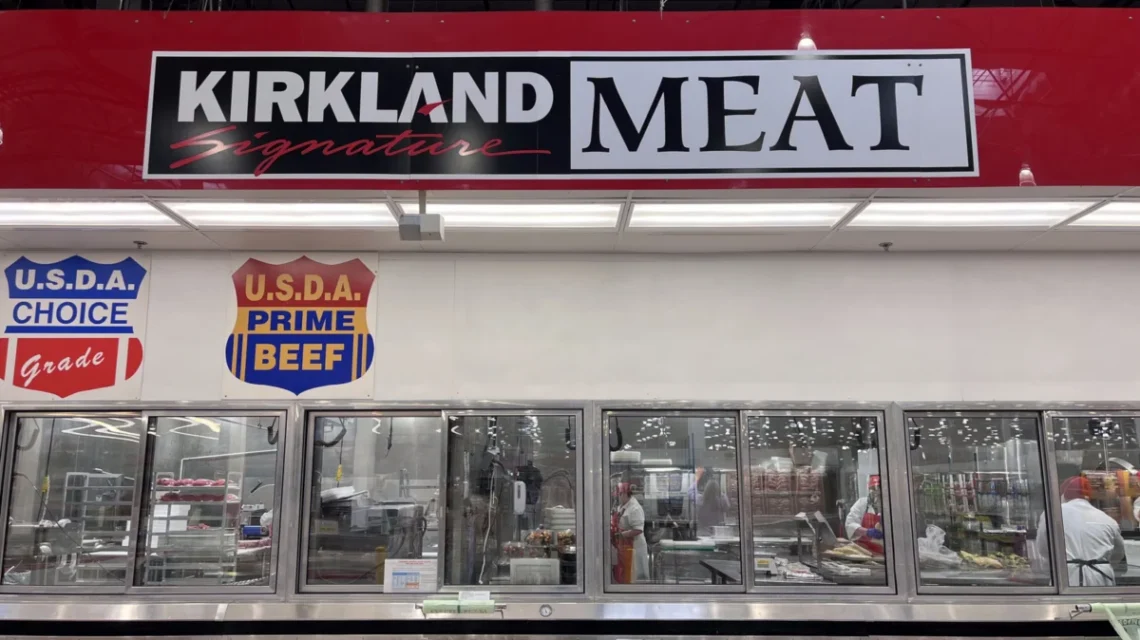
For millions of shoppers, a trip to Costco is as much about stocking up on bulk essentials as it is about navigating the bustling aisles for hidden culinary gems. Among the most popular staples in the warehouse giant’s cavernous meat department is Kirkland Signature Ground Beef. Offered in large, economical packages designed to feed a family for weeks—or to be portioned and frozen for months—this budget-friendly meat has earned a reputation for quality. But a lingering question has long fascinated home cooks and bargain hunters alike: Does Costco actually grind its Kirkland Signature ground beef fresh in the store?
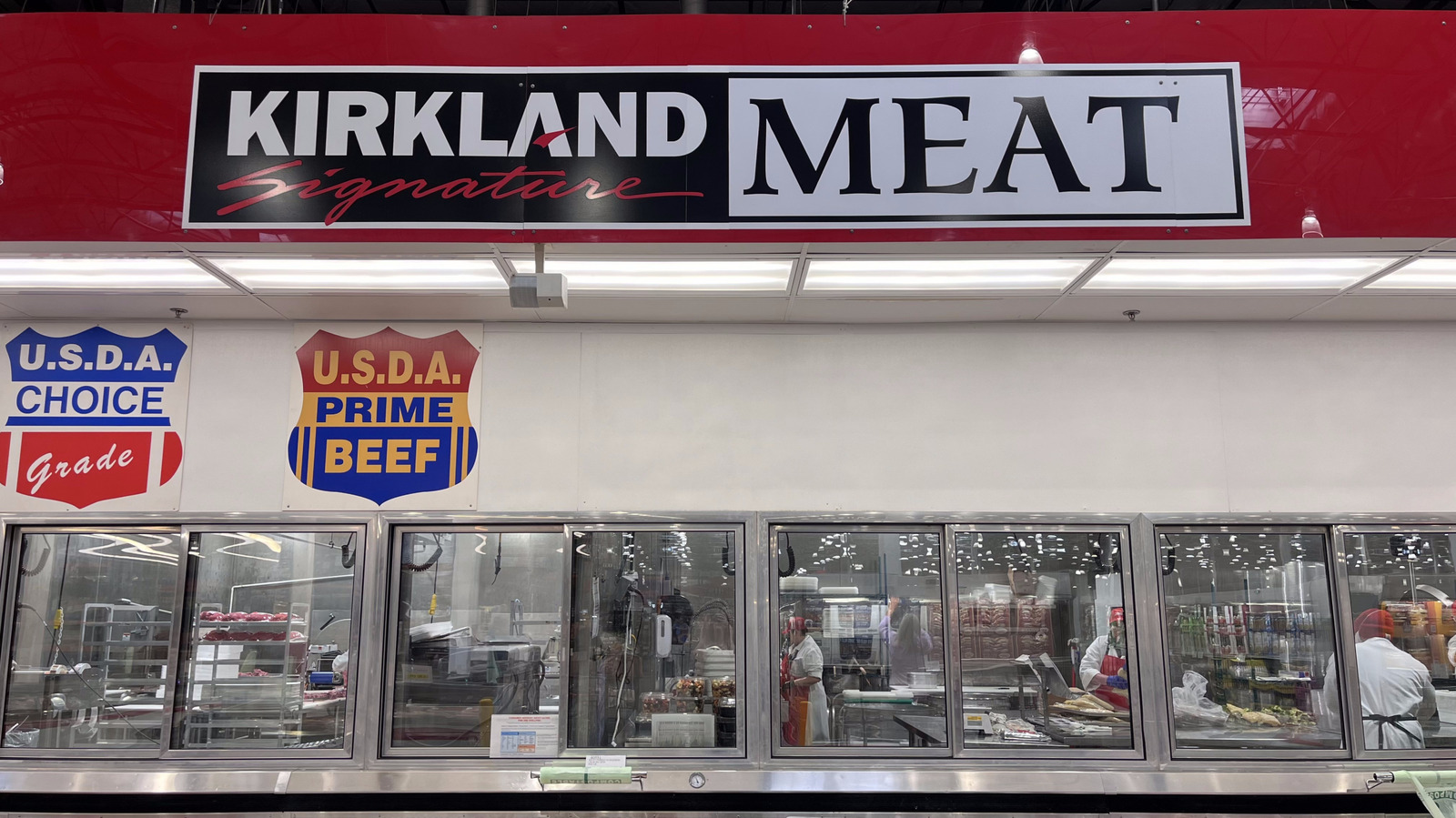
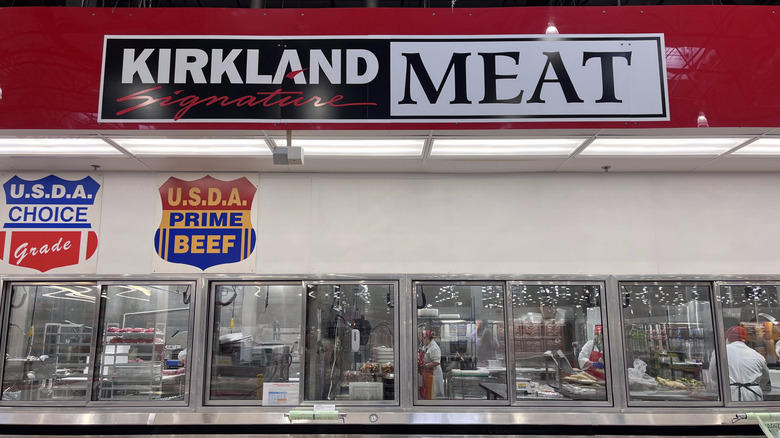
According to insights shared by verified Costco meat department employees, the answer is a resounding yes. Every single morning, butchers across Costco locations fire up industrial grinders to produce fresh batches of ground beef for the day’s display cases. However, this in-house processing is far more dynamic—and resourceful—than simply feeding standard cuts of beef through a machine.
The standard recipe for Kirkland Signature Ground Beef relies on a strategic blend of two distinct components: butcher trimmings and "bull meat." Trimmings refer to the leftover, highly flavorful fatty cuts harvested from breaking down larger primal cuts like roasts and steaks. Bull meat, on the other hand, is an industry term for exceptionally lean ground beef—often exceeding 95% lean—typically sourced from older, leaner cattle and frequently sold in commercial tubes. By combining these two elements, Costco butchers craft a final product that typically targets a lean-to-fat ratio between 88% and 12%.
Furthermore, this in-house processing system incorporates a sustainable practice known within the industry as "regrinding." Leftover steaks and roasts that are approaching their designated sell-by dates—ranging from Wagyu chucks and New York strips to prime tri-tips and choice flank steaks—are frequently integrated into the morning grind. While this minimizes food waste and maximizes value for the consumer, it also introduces unique variables to every batch that lands on store shelves.
Chronology
To understand how Kirkland Signature Ground Beef goes from primal cuts to neatly wrapped packages in your shopping cart, it helps to examine the daily timeline of a Costco meat department.
The Pre-Dawn Prep (4:00 AM – 7:00 AM)
Before the warehouse doors ever open to executive and gold star members, the heavy machinery in the back-of-house butchery is already running. Meat cutters assess the inventory from the previous day, evaluating remaining stock and sorting cuts that are nearing their sell-by date.
The Morning Grind (7:00 AM – 9:00 AM)
Butchers combine fresh butcher trimmings with lean bull meat, carefully calibrating the proportions to achieve the target 88% lean / 12% fat threshold. On days when prime or choice cuts—such as Wagyu chucks, New York strips, or tri-tips—are nearing their sell-by dates, these premium steaks are diverted into the morning batch. This specific practice yields what insiders call a "regrind."
Packaging and Labeling (9:00 AM – 10:00 AM)
The freshly ground beef is packaged into large, vacuum-sealed or plastic-wrapped bulk containers. Special attention is paid to the labeling of regrind batches. According to employee accounts, these particular packages must feature a tiny "R" printed just above the date code, signaling to staff that the product has a strict expiration window.
The Sales Floor and Strict Cutoffs (10:00 AM – 4:00 PM)
The meat is moved to the display cases just as shoppers flood the warehouse. For standard batches, the meat follows normal rotation protocols. However, packages marked with the "R" designation (regrinds) operate under a much stricter timeline. By corporate safety and quality guidelines, these specific regrind packages can only remain on the sales floor until 4:00 PM on the day they are ground, after which any unsold stock is pulled.
Supporting Data
While the convenience and price point of Costco’s ground beef are undeniable, examining the mechanics of its production reveals important data points regarding composition, culinary performance, and consumer expectations:
- The 88/12 Benchmark: Costco’s standard Kirkland Signature ground beef generally hovers around 88% lean and 12% fat, though natural variations from batch to batch mean it can range anywhere from 80% to 88% lean depending on the trimmings used.
- The "R" Indicator: Packages containing reground cuts—such as leftover prime or choice steaks nearing their sell-by date—are explicitly marked with a tiny "R" above the date on the price sticker.
- The 4:00 PM Rule: Regrind packages are subjected to a strict afternoon removal deadline, meaning they must be pulled from the sales floor by 4:00 PM on the day of processing to maintain peak safety and quality standards.
- Bull Meat Inclusion: To balance the heavy fat content of butcher trimmings, industrial-grade bull meat (often 95%+ lean) is utilized to control the final fat percentage and keep the blend from becoming excessively greasy.
Official Responses
Costco has long maintained a reputation for corporate transparency regarding its Kirkland Signature private-label brand, prioritizing high-volume efficiency and strict quality control. While corporate headquarters rarely issues granular statements about daily back-of-house butchery practices, the veil has been consistently lifted by front-line workers.
Through online communities such as Reddit’s r/Costco, self-identified meat department employees have stepped forward to demystify the supply chain. These workers have confirmed that the freshness of the meat is a point of pride for in-house teams. Employees emphasize that the utilization of premium steak trimmings in regrind batches is not a sign of inferior quality, but rather an efficient use of high-end inventory. By folding surplus cuts of Wagyu, New York strip, and prime tri-tip into the daily grind, Costco ensures that customers occasionally receive a remarkably high-grade beef blend at standard commodity prices.
At the same time, employees have defended the strict 4:00 PM pulling rule for regrinds as proof of the warehouse’s rigorous commitment to inventory turnover and food safety.
Implications
The revelation that Costco grinds its Kirkland Signature beef in-house—complete with the inclusion of high-end steak trimmings and regrind practices—carries significant implications for both home cooks and the broader retail grocery market.
Culinary Considerations: The Fat Debate
The reliance on an 88% lean profile has sparked spirited debates among culinary enthusiasts and home chefs. Fat is not merely a calorie contributor; it is a vital vehicle for flavor, tenderness, and moisture retention.
When cooking ground beef, high surface-area-to-volume ratios make the meat particularly susceptible to drying out. For applications like classic hamburgers, where juiciness is paramount, a minimum of 20% fat (an 80/20 ratio) is widely considered the gold standard by professional chefs. An 88% lean blend can easily yield a dry, crumbly patty if overcooked. Similarly, long-cooking dishes like traditional meatloaf and meatballs benefit immensely from the protective, self-basting qualities of rendered fat.
Conversely, Costco’s leaner 88/12 profile shines brilliantly in other culinary contexts. In heavy, rich, or saucy dishes—such as a slow-simmered Bolognese sauce, chili, taco fillings, or layered lasagnas—excess grease can overwhelm the palate and create an unappealing pool of oil at the surface. In these scenarios, starting with a leaner base eliminates the need to aggressively drain off rendered fat, preserving the structural integrity and clean flavor of the dish.
Consumer Value and Market Impact
For the everyday consumer, understanding the nuances of Costco’s meat processing empowers smarter shopping decisions. Spotting the elusive "R" on a package label is no longer a mystery, but a sign that the consumer is purchasing a unique, premium-infused blend of ground beef that features the genetic makeup of high-end steaks.
Ultimately, Costco’s in-house grinding operation underscores why warehouse club memberships remain immensely popular. By marrying large-scale efficiency with resourceful butchery, the retailer delivers a product that bridges the gap between commercial affordability and gourmet potential—provided shoppers know how to match the meat’s lean-to-fat ratio to the right recipe in their kitchen.