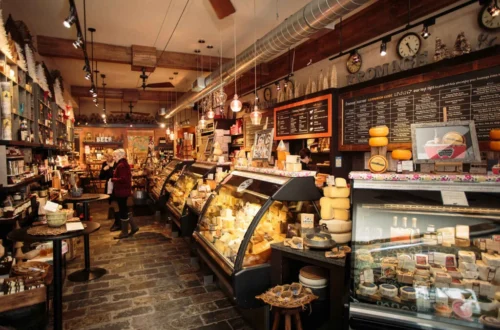
The traditional architecture of the modern home is undergoing a quiet revolution. For decades, rooms were strictly defined by their utility: the home office was for focused labor, the basement was a forgotten storage zone for defunct exercise equipment, and the kitchen was a utilitarian workspace. Today, however, homeowners are reimagining these spaces, opting to infuse their living environments with "side hustles" that prioritize leisure, culture, and sensory enjoyment.

At the center of this movement is the rise of the personal wine destination. By integrating sophisticated, climate-controlled storage into the everyday flow of a home, enthusiasts are transforming underutilized corners into private tasting retreats. Whether you are looking to turn a dusty basement alcove into a professional-grade cellar or elevate your living room with a sleek, furniture-style display, the integration of proper wine storage is no longer just a luxury—it is an essential element of modern home design.

The Evolution of Domestic Wine Culture
The shift toward at-home wine curation is not merely a trend; it is a fundamental change in how we consume and collect. As global interest in viticulture grows, so too does the need for proper preservation. Wine is a living product, highly susceptible to environmental variables such as temperature fluctuations, humidity, UV light, and vibration.

Historically, collectors were forced to dedicate entire rooms to subterranean storage. While that remains the gold standard for large-scale collections, current technology has democratized the process. Modern, intelligent cooling systems allow for the preservation of high-value vintages in almost any square footage. By understanding the "enemies of wine"—heat, light, and instability—homeowners can now place storage solutions in the heart of their social lives, ensuring that every pour is served at its optimal peak.

Chronology of Home Wine Storage Integration
- Pre-2000s: Wine storage was largely restricted to basements or custom-built, dedicated walk-in cellars. Refrigeration technology was bulky, industrial, and rarely designed for home aesthetics.
- 2005–2015: The rise of undercounter and built-in wine coolers brought storage into the kitchen. Manufacturers began focusing on flush-fit designs that mimicked high-end cabinetry, allowing appliances to integrate seamlessly into culinary workspaces.
- 2016–2022: The "lifestyle integration" phase. Storage began to migrate into living rooms and dining areas. Furniture-style wine cabinets, which disguise sophisticated cooling technology as elegant credenzas or buffets, became the preferred choice for design-conscious homeowners.
- 2023–Present: The Smart Home era. Modern units now feature Wi-Fi connectivity, remote temperature monitoring, and smart app integration. This allows collectors to manage their inventory, receive maintenance alerts, and adjust cooling zones from anywhere in the world, turning storage into an interactive, digital experience.
Strategic Placement: Maximizing Every Square Foot
The Kitchen: The Heart of the Home
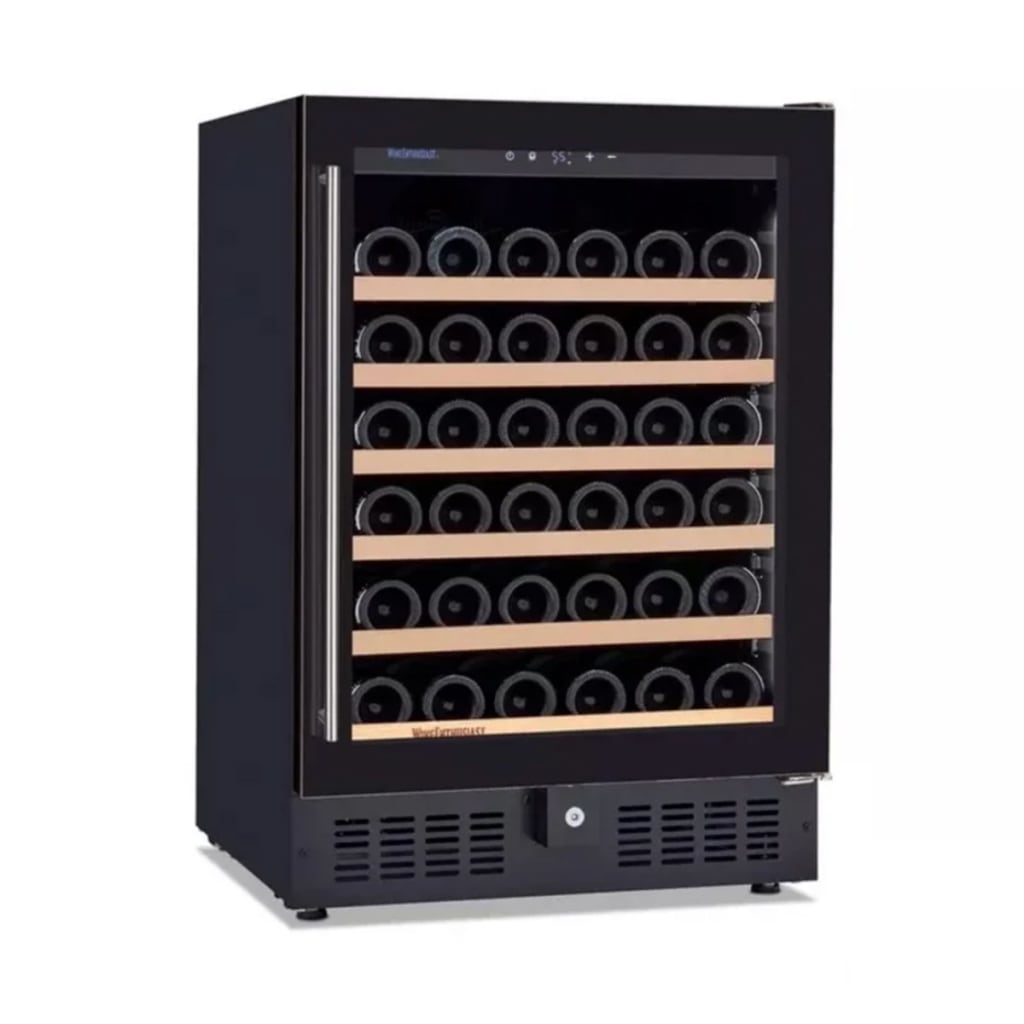
For most households, the kitchen remains the primary site of culinary and social interaction. By installing a built-in or undercounter wine cellar, you bridge the gap between preparation and enjoyment. These units are designed to be "flush-fit," meaning they sit perfectly aligned with your cabinetry, providing a clean, custom-built look.

Units like the Wine Enthusiast Prestige 22.5” Counter-Depth Smart Wi-Fi Dual Zone Wine Cellar exemplify this trend. By offering two distinct temperature zones, these units allow for the simultaneous storage of delicate white wines and robust reds, ensuring your go-to bottles are always ready for an impromptu dinner party.

The Dining Room: Encouraging the "Long Linger"
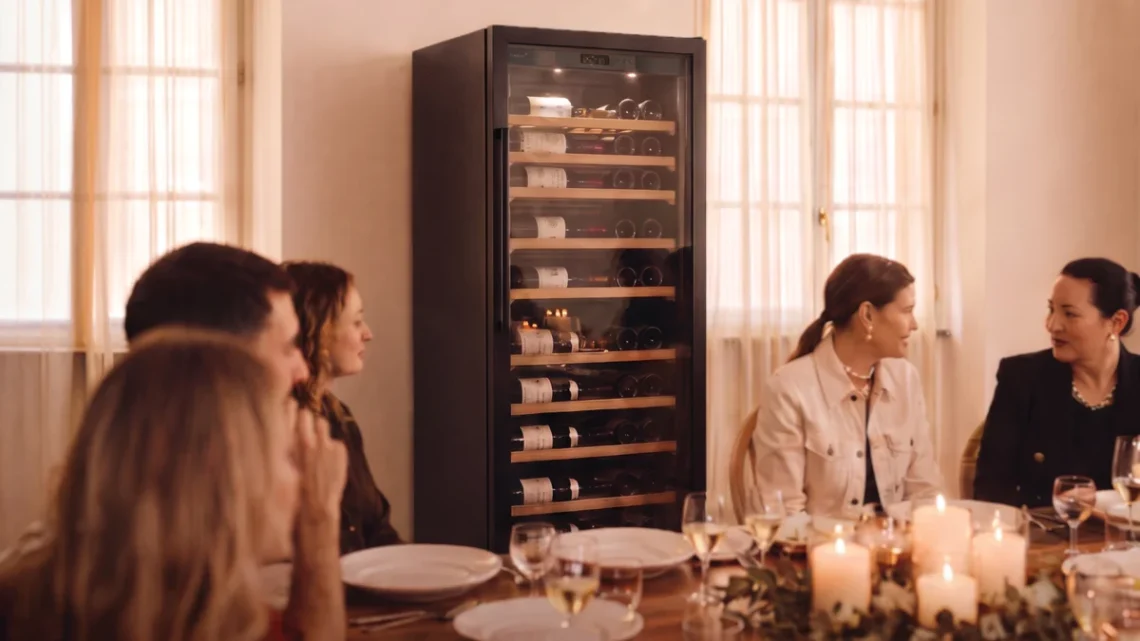
A well-placed wine cellar in a dining room does more than store bottles; it sets the mood. When wine is visible and accessible, it encourages guests to stay longer, transitioning the evening from dinner to an extended tasting session.

Sophisticated furniture pieces, such as the Bardi Modular Sideboard with Integrated Wine Fridges, serve dual purposes. They offer ample surface area for decanting and glassware storage while keeping the core collection at arm’s reach. For those with larger collections, high-capacity, glass-door cellars like the EuroCave La Première L serve as a focal point, signaling a dedication to the craft of wine appreciation.

The Living Room: Sophistication Without Clutter
The modern living room is increasingly serving as an entertainment hub. Moving wine storage into this space makes it a communal activity rather than a solitary trip to the kitchen. The key here is aesthetics. You want a "showcase" unit that complements your décor. The VinoView L 155 Smart Wi-Fi Wine Cellar provides a stunning visual display of your labels, turning your collection into living art. For a more understated approach, the EuroCave Harmonie series mimics the look of high-end furniture, ensuring your appliance never feels like an industrial afterthought.

Supporting Data: Why Environment Matters
To maintain the integrity of a wine, climate control is non-negotiable. Research from the Wine Enthusiast archives consistently highlights that the primary threats to wine longevity are:
- Temperature Swings: Repeated heating and cooling cycles expand and contract the cork, leading to oxidation. A constant temperature (ideally between 50°F and 59°F) is critical.
- Humidity: Maintaining relative humidity between 50% and 70% prevents corks from drying out and crumbling, which would allow air into the bottle.
- Vibration: Constant micro-vibrations can disturb the sediment in older wines, negatively impacting the flavor profile over time.
- UV Light: UV rays can degrade the chemical compounds in wine, leading to "light-struck" flavors, particularly in whites and rosés.
Modern smart-cellars mitigate these risks by utilizing advanced compressor technology and UV-resistant glass, providing a stable, vibration-free, and dark environment that replicates the conditions of a traditional cave.

Official Perspectives: The Professional Standard
Industry experts emphasize that the transition toward "everywhere storage" is a direct response to the changing nature of home entertainment. "People are no longer just storing wine for investment; they are storing it for consumption and social connection," says a lead design consultant for custom home storage solutions. "The goal today is to remove the friction between the impulse to open a bottle and the act of doing so."

Furthermore, there is a strong focus on modularity. As collections grow, homeowners are looking for systems that can evolve. The EuroCave Modulo-X system is a prime example of this philosophy, allowing for a fully customized, professional-grade wine wall that can be expanded over time as the collector’s tastes evolve.

Implications for Modern Home Value
The integration of high-end, dedicated wine storage has significant implications for both personal enjoyment and property value. Real estate experts note that a well-designed, professional-grade wine room or integrated cellar is increasingly viewed as a premium amenity. Much like a gourmet kitchen or a high-end home theater, a wine cellar signifies a lifestyle of leisure and sophistication.

Moreover, the "garage-to-cellar" movement is opening up previously wasted space. By utilizing units engineered for unconditioned spaces—such as the Classic 250-Bottle Wine Vault—homeowners can maximize their storage capacity without sacrificing precious interior square footage. These specialized units, which feature superior insulation and heavy-duty cooling, allow you to store hundreds of bottles in a garage environment that would otherwise be hostile to wine.

Conclusion: Crafting Your Destination
Transforming your home into a wine destination is an exercise in both interior design and atmospheric curation. Whether you are a casual sipper looking for a 12-bottle undercounter unit or a serious collector requiring a 300-bottle capacity vault, the technology exists to support your goals.

By assessing the unique traffic patterns of your home, you can identify the perfect "destination"—whether that is the kitchen, the basement, or even a quiet alcove in the home office. When you prioritize the safety of your collection through smart, climate-controlled storage, you aren’t just buying an appliance; you are investing in the quality of your experiences. The next time you uncork a bottle, the ease and elegance of the experience will be a testament to the thought and care you put into your home’s new, essential destination.