By Jake Abrams | October 28, 2026
Hong Kong has long existed as a paradox: a vertical metropolis where the colonial legacy of the British Empire meets the relentless, forward-looking pulse of the East. It is a city of "intertemporal" design, where century-old temples sit in the shadows of glass-and-steel skyscrapers. This unique tension has made it a global beacon for filmmakers like Wong Kar-wai, whose masterpieces Chungking Express and In the Mood for Love captured the melancholic, neon-soaked soul of the city.
Today, that creative spirit is undergoing a profound transformation. As the region navigates a post-pandemic reality and a shifting political landscape, the city’s legendary bar scene—once criticized as a transient playground for "drunk-expats"—is maturing. A new guard of mixologists is moving away from generic, globalized cocktail culture, choosing instead to anchor their craft in the authentic heritage and hyper-local terroir of Hong Kong. At the epicenter of this evolution stands Argo, the flagship cocktail bar at the Four Seasons Hotel Hong Kong, which recently secured the #25 spot on the prestigious 50 Best Bars list.
The Main Facts: A New Chapter for Central
Located in the heart of the Central district, mere steps from the bustling Victoria Harbour, Argo is more than just a hotel bar; it is an architectural and culinary statement. Since its inception in 2021, the bar has acted as a lighthouse for the city’s hospitality sector. Under the stewardship of beverage manager Jonathan Gabbay, who stepped into the role in 2025, the bar has pivoted from traditional luxury to a concept-driven experience that acts as a "love letter to the city."
The bar’s success is anchored by its "Exploration" menu, a tripartite structure that navigates local culture, seasonal nuances, and the history of the bar itself. With the Four Seasons Hong Kong holding a staggering seven Michelin stars across its internal dining concepts—Lung King Heen, Caprice, and Noi—Argo operates in an environment where excellence is not merely a goal but a baseline.
A Chronology of Change: From Expat Haven to Local Pride
To understand the current state of Hong Kong’s bar scene, one must look at the historical trajectory of the region.
- 1990s–2010s: The "Golden Era" of the expat-driven nightlife economy. Hong Kong’s relatively open borders and business-friendly policies attracted a massive influx of international professionals. During this time, the city developed a reputation for high-volume, high-end cocktail bars that catered largely to an international palate, often overlooking the depth of local Cantonese traditions.
- 2020–2022: The dual pressure of the global Covid-19 pandemic and political shifts caused a significant exodus of the expatriate population. This created a vacuum in the hospitality industry, forcing local operators to reconsider their target audience.
- 2021: The grand opening of Argo, signaling a new direction for hotel-based mixology in the city.
- 2025: Jonathan Gabbay takes the helm as beverage manager, formalizing the shift toward the "Exploration" menu and a deeper, more intentional connection to local artisans.
- 2026: Argo solidifies its place on the international stage, ranking #25 on the 50 Best Bars list, signaling that the world is paying attention to this new, localized approach.
Supporting Data: The "Exploration" Framework
The brilliance of Argo lies in its systematic approach to drink creation. The menu is divided into three distinct chapters, each serving a specific purpose in the guest’s journey:
1. Local Encounters
This chapter represents the most daring aspect of the menu. By collaborating with local businesses, the bar creates a bridge between the hotel’s refined environment and the street-level grit of Hong Kong. A standout example is the Broth & Soul, a cocktail developed in partnership with the cult-favorite Big JJ Seafood Hotpot. This drink utilizes Grey Goose vodka and clarified tomato juice, infused with the complex, aromatic spices typically found in a traditional Cantonese hotpot.

2. Seasonal Journeys
Here, the focus shifts to the botanical and agricultural identity of the region. The team explores the concept of terroir—the idea that a drink should taste like the place it was made. The Floral Martini uses tinctures derived from native Hong Kong flowers, while the Fruity Highball elevates the Glenlivet 12 Y.O. by pairing it with locally sourced fruit cordials and tea, grounding a global spirit in regional flavors.
3. Timeless Passages
Acknowledging the history of the bar since 2021, this section features ten "greatest hits." The flagship Argo Martini remains the anchor, crafted with the bar’s proprietary gin—a collaborative effort with The Never Never Distilling Co. in South Australia, illustrating that "local" also involves building meaningful international partnerships.
Official Responses: The Philosophy of Inclusion
For Jonathan Gabbay, the primary challenge is overcoming the "intimidating" nature of high-end hotel bars. In a recent interview, he noted, "Hotel bars can sometimes come across as a bit too polished or exclusive. That’s never been the vibe we want. When a guest walks into Argo for the first time, I want them to feel genuinely welcomed—not intimidated."
Gabbay’s philosophy emphasizes accessibility. "Argo is for everyone. Every kind of drinker," he explains. "It’s a safe place and a sharing place. You don’t need to know the industry or speak the language of cocktail bars to belong here."

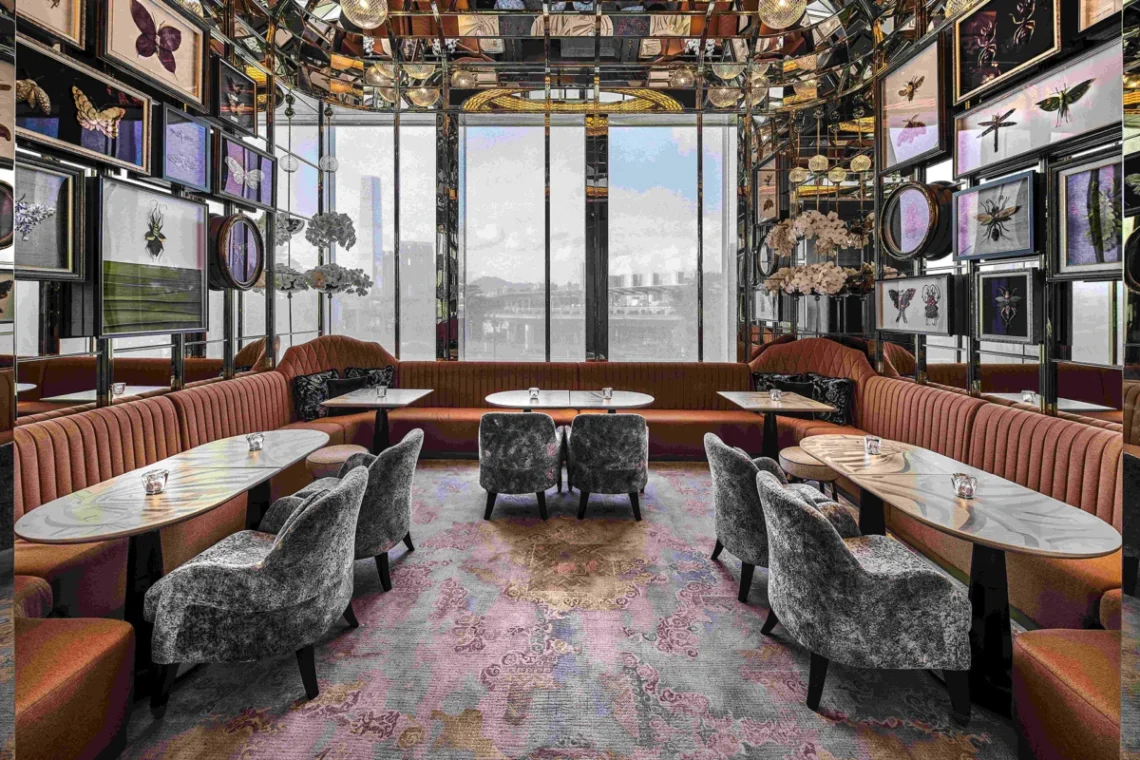
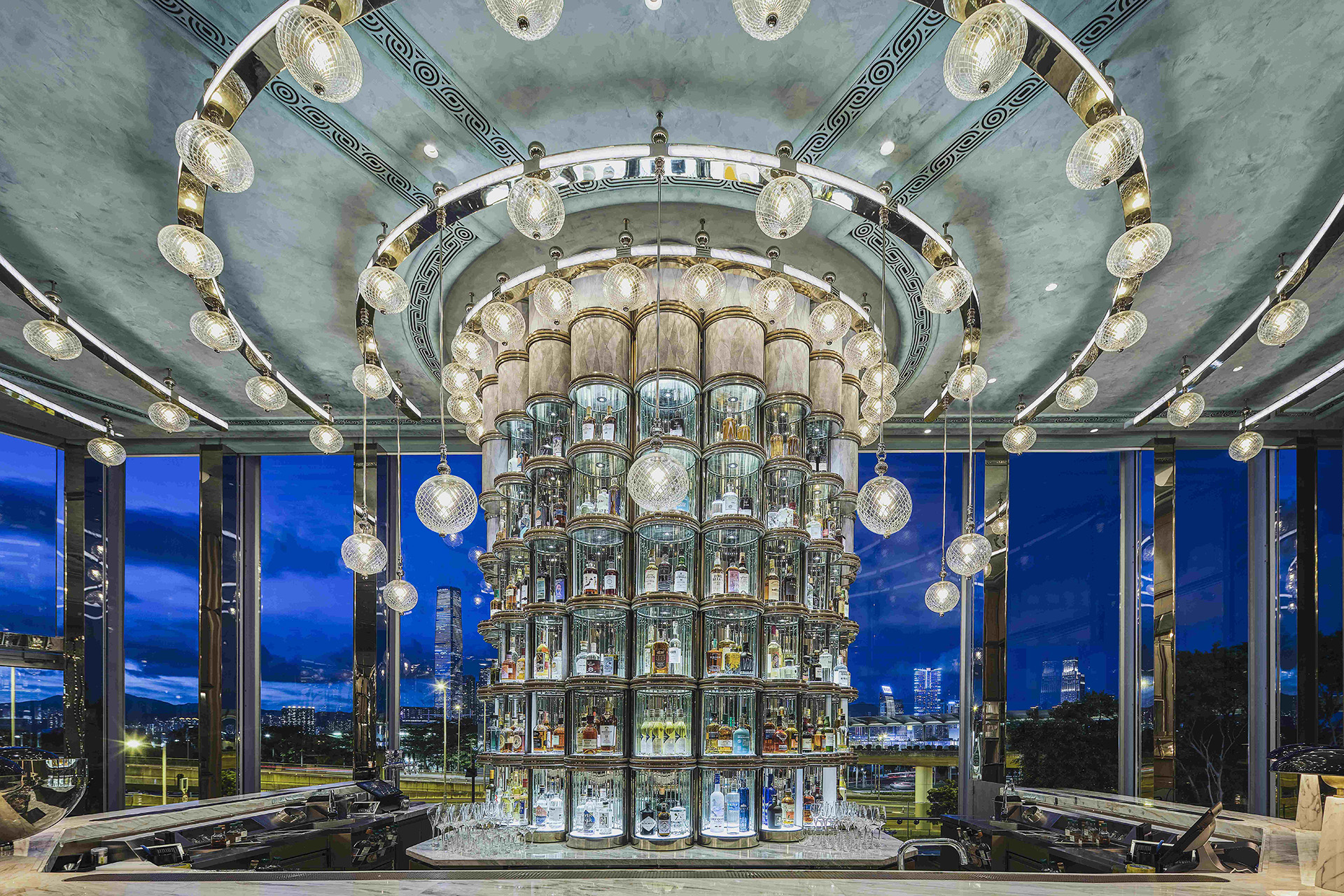
This sentiment is reflected in the design of the space. While the interior features retro-style light fixtures and a towering, backlit bar structure that feels like a conservatory from the Gatsby era, the atmosphere is designed to be warm and inviting rather than cold and clinical. The use of large windows overlooking Victoria Harbour invites the city inside, blurring the lines between the private, luxury experience and the public, bustling landscape of Hong Kong.
The Implications: Hong Kong’s Future in the Global Landscape
The success of bars like Argo and the #1 ranked Bar Leone suggests that Hong Kong is no longer just a "stopover" for travelers. It is a destination in its own right for those seeking the cutting edge of global mixology. The shift away from the "drunk-expat" archetype toward a more thoughtful, heritage-conscious model has significant implications for the city’s tourism and culinary sectors.
The Rise of the "Concierge" Bar
The integration of the bar into the broader culinary ecosystem of the Four Seasons—where it sits alongside three-Michelin-starred institutions—suggests that the future of hospitality is "holistic." Guests no longer visit a hotel for a bed and a drink; they visit for a curated experience that connects them to the culture of the host city.
The Sustainability of Craft
By partnering with local artisans, hotpot chefs, and farmers, bars like Argo are helping to sustain local businesses that might otherwise struggle in a changing economic climate. This creates a symbiotic relationship: the bar gains authenticity and unique flavors, while the local vendors gain a platform on the global stage.

Beyond the Glass
For those planning a visit to Hong Kong, the journey begins long before arrival. The city’s commitment to excellence extends to the transit experience, particularly the Cathay Pacific lounges at Hong Kong International Airport. Even there, the culture of craft persists, with bartenders serving up signature mocktails like the "Cathay Delight"—a refreshing, local favorite made with kiwi, milk, and coconut—proving that the city’s dedication to a high-quality liquid experience starts at the gate and continues until the final sip.
As Hong Kong continues to redefine itself in the mid-2020s, the bar scene stands as a microcosm of the city’s broader aspirations: to respect the traditions of the past while boldly experimenting with the possibilities of the future. Argo is not merely a place to drink; it is a monument to the resilience and creativity of a city that refuses to stand still.