For generations, home cooks have grappled with a frustrating culinary paradox: no matter how meticulously a recipe is followed, homemade fried chicken rarely rivals the shatteringly crisp exterior and impossibly juicy interior found at top-tier restaurants. While the average cook often blames the cooking oil, the temperature of the fryer, or the spice blend, culinary experts point to a much earlier step in the process. The secret to transcendent fried chicken isn’t just in the pan—it is in the prep.
By looking to industry leaders like Raising Cane’s—renowned for serving some of the highest-quality chicken tenders in the fast-food landscape—home chefs can adopt a game-changing methodology. The cornerstone of this approach is deceptively simple, yet it requires a shift in how we plan our meals: the 24-hour marination rule.
Main Facts: The Science of the 24-Hour Soak
At its core, frying chicken is a high-heat, moisture-management challenge. Chicken breast and tenderloin meat, in particular, are notorious for drying out when subjected to the intense thermal energy of hot oil. When moisture evaporates too quickly, the protein fibers tighten and squeeze out water, leaving a dry, stringy texture.
The 24-hour marination technique directly combats this vulnerability. While quick, 30-minute to one-hour quick-soaks impart surface flavor, they fail to structurally alter the meat. When chicken is submerged in a properly balanced, acidic marinade for a full 24 hours, two critical scientific processes occur:
- Protein Tenderization: Acids and enzymes gently break down the tough muscle fibers in the poultry. This structural relaxation allows the meat to retain more of its natural moisture during the cooking process.
- Deep Osmotic Infusion: Over the course of 24 hours, salt and dissolved seasonings are drawn deep into the cellular matrix of the meat through osmosis. This ensures that every single bite is seasoned to the bone, rather than just tasting like spices on the exterior crust.
According to culinary insiders, this extended rest is the exact differentiator that separates mediocre home-cooked poultry from craveable, restaurant-quality tenders.
Chronology: From Farm to Fryer (The Lifecycle of a Chicken Tender)
Understanding why the 24-hour rule matters requires tracing the timeline of how commercial and home kitchens handle poultry.
- Day Minus Two (Sourcing and Butchering): High-end chicken operations begin with fresh, high-grade white meat—typically tenderloins or breast meat cut into uniform strips to ensure even cooking times.
- Day Minus One (The 24-Hour Window): This is where the magic happens. The raw chicken is submerged in a liquid bath, sealed, and placed into refrigeration for exactly 24 hours. During this period, the meat absorbs flavor compounds and undergoes structural tenderization.
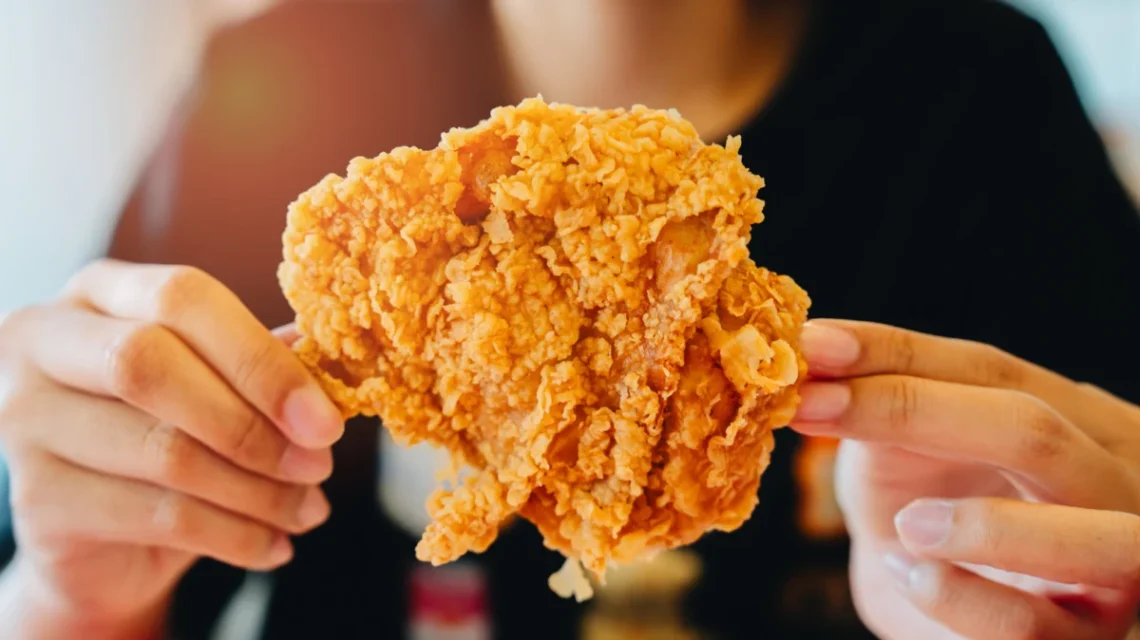
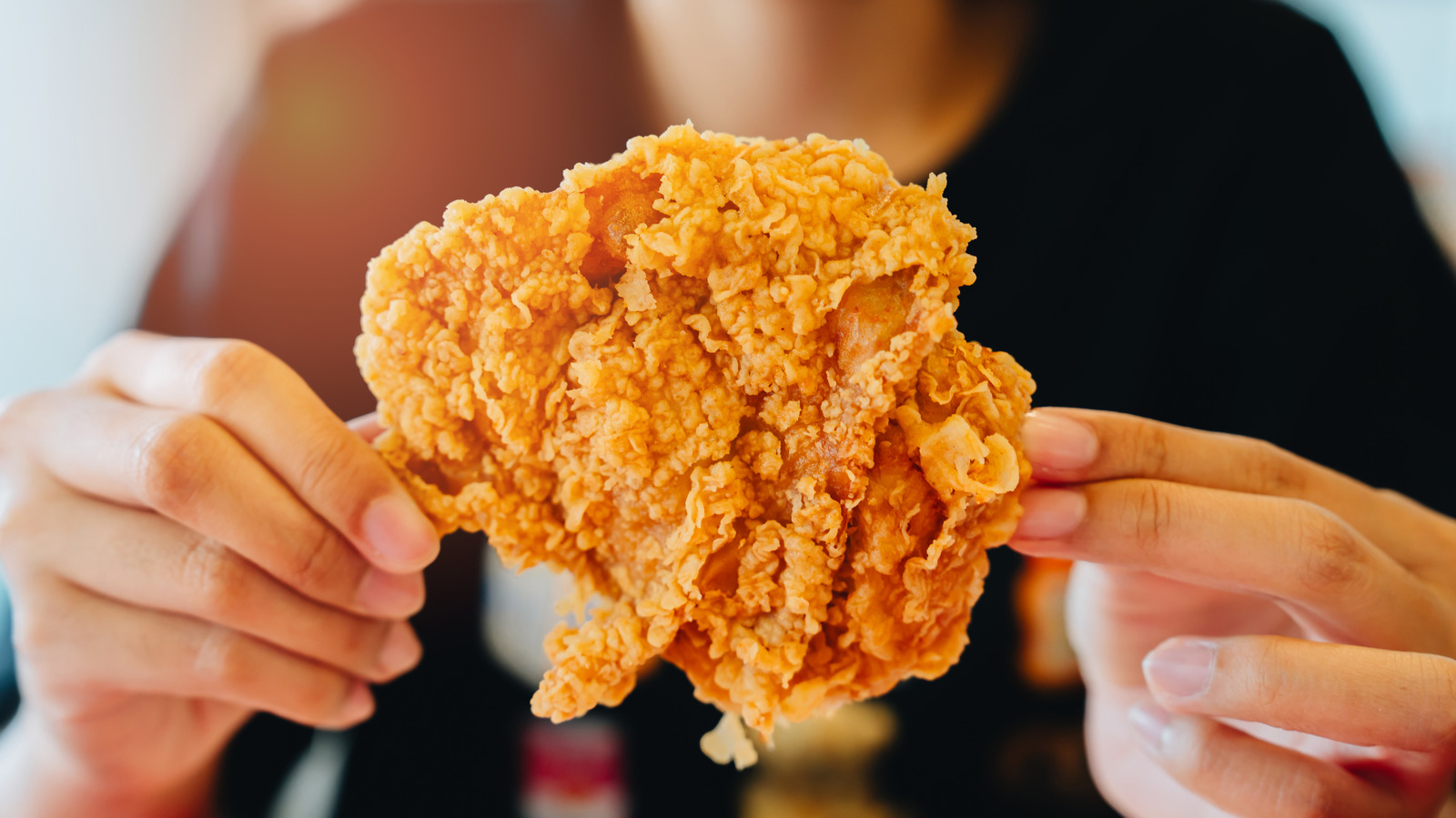
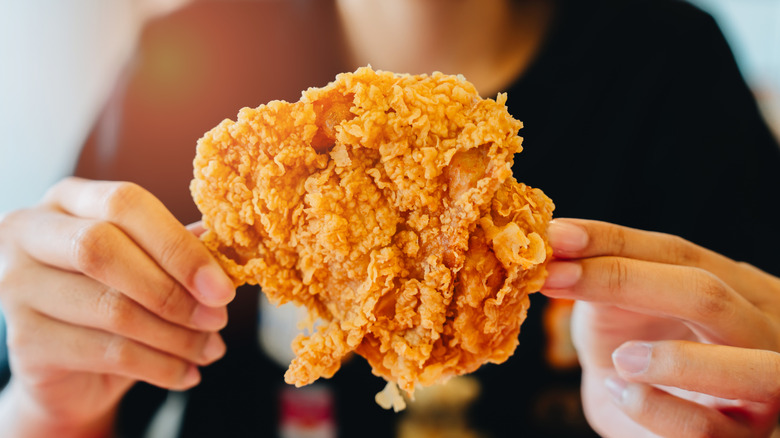
- Hour Zero (The Extraction and Dredging): The chicken is removed from its bath. Crucially, waste-reduction techniques in professional kitchens often utilize remnants of this very marinade. By drizzling a small amount of the liquid directly into the dry flour dredge, cooks create irregular, pea-sized clumps. These clumps are the secret behind the iconic, craggy, ultra-crispy exterior crust.
- Minutes 1 to 6 (The Fry): Submerged in hot oil, the exterior moisture flashes off while the interior moisture—locked in by the protein-softening marinade—is preserved, resulting in a golden-brown, juicy final product.
Supporting Data and Industry Insights: The Raising Cane’s Phenomenon
Louisiana-based fast-food chain Raising Cane’s has built a massive, cult-like following almost exclusively on the back of its signature chicken tenders, crinkle-cut fries, and secret cane sauce. While the exact corporate recipe remains a closely guarded trade secret, food scientists and culinary researchers have reverse-engineered the foundational practices that make the brand so successful.
Industry sources note how deeply integrated this 24-hour timeline is to commercial operations. In fact, the reliance on the 24-hour window is so absolute that it occasionally creates logistical hurdles. Restaurant staff members have been known to accidentally miscalculate prep quantities, running out of pre-marinated chicken mid-shift. In such emergencies, employees have had to drive to neighboring franchise locations to borrow emergency stock, highlighting that fresh, un-marinated chicken cannot simply be thrown into the fryer on a whim—it requires that vital day-long rest to meet brand standards.
Furthermore, consumer taste-test data consistently ranks chains that use extended-prep marinades significantly higher in categories like "mouthfeel," "juiciness," and "flavor depth" compared to quick-service competitors that use flash-frozen, pre-breaded, unmarinated alternatives.
Replicating the Restaurant Standard at Home
For home cooks looking to emulate these results, building a successful 24-hour marinade requires a careful balance of chemistry and flavor profiles.
Key Ingredients to Include:
- Buttermilk: This is non-negotiable. Buttermilk contains lactic acid, which is exceptionally gentle on poultry proteins compared to harsher acids like straight lemon juice or vinegar. It tenderizes without turning the outer layer of the meat mushy.
- Pickle Juice: A well-kept secret of many southern fried chicken chefs. The residual garlic, dill, and mild vinegar content in dill pickle brine adds an incredible depth of savory umami and complex acidity.
- The Spice Matrix: While salt and black pepper are foundational, a proper seasoning profile should include garlic powder, onion powder, smoked paprika, and a touch of cayenne or Cajun seasoning to give the interior a subtle background warmth.
Critical Rules for Success:
- Container Choice: Ensure the chicken pieces are completely submerged. Use a non-reactive glass or stainless-steel bowl, or a heavy-duty sealable plastic bag to ensure maximum surface contact.
- The 24-Hour Ceiling: While marinating for 24 hours yields perfection, do not exceed this timeframe. Leaving chicken in an acidic or dairy-based bath for 48 hours or longer causes the proteins to break down excessively, resulting in a mealy, unappealing texture.
- Dredge Integration: Do not let the leftover marinade go to waste. Incorporate a tablespoon or two directly into your dry flour mixture to create those coveted, craggy breading pockets that hold extra crunch.
Implications: Changing the Way We Plan Family Meals
Adopting the 24-hour marination rule carries broader implications for home cooking culture. In an era dominated by instant gratification, fast-casual convenience, and 30-minute weeknight meal trends, the 24-hour rule forces a return to intentional meal planning.
It teaches home cooks that exceptional food cannot always be rushed. By shifting the timeline—treating dinner preparation as a two-day event rather than a last-minute chore—cooks reclaim control over the quality, texture, and flavor of their meals.
Ultimately, mastering the fried chicken paradox is not about possessing secret culinary school credentials or commercial-grade fryers. It is simply about respecting the clock, utilizing basic food science, and giving your ingredients the time they need to work their magic.