Introduction: The Hidden Toll of Our Daily Meals
In an era where personal wellness is meticulously tracked—from sleep cycles and step counts to organic grocery selections—society maintains a curious blind spot when it comes to the everyday contents of our plates. For many, lighting a cigarette before or after a midday meal would be deemed completely unthinkable, an act of overt self-harm that runs counter to any notion of longevity. Yet, standard dietary habits often feature items that carry comparable, cumulative physiological tolls.
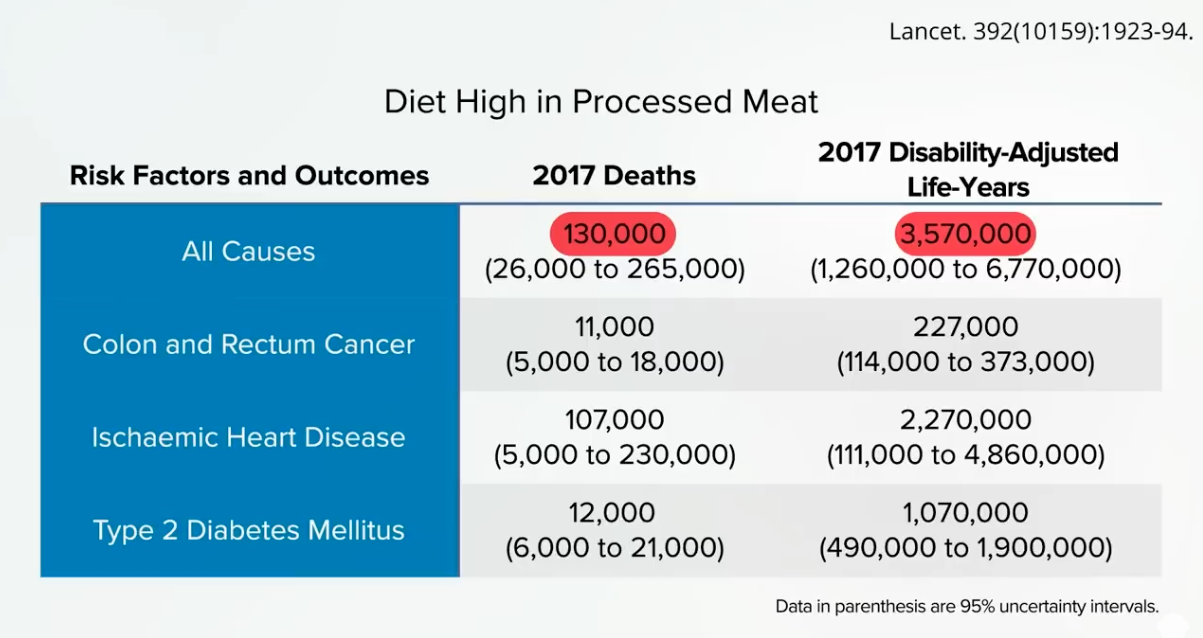
According to expansive data from the Global Burden of Disease Study, diets high in processed meats—such as bacon, ham, hot dogs, standard deli lunch meats, and sausages—may contribute to more than 100,000 preventable deaths globally each year. These fatalities are driven predominantly by cardiovascular disease, alongside specific cancers and type 2 diabetes. The cumulative result is the forfeiture of millions of healthy years of life worldwide.
To better comprehend these risks on an individual level rather than abstract public health scales, researchers have turned to innovative metrics like "microlives." By reframing how we view the steady erosion of our health through daily habits, health advocates argue that it may be time to reconsider the meat on our menus—perhaps opting for a bean burrito over a heavy burger—and weigh the true cost of what we consume.
Main Facts: Quantifying the Impact of Processed and Red Meats
The scientific consensus regarding the dangers of high meat consumption, particularly processed varieties, is built upon decades of epidemiological research and extensive meta-analyses.
The Scale of the Problem
The Global Burden of Disease Study highlights that the heavy consumption of processed meats acts as a major driver of chronic illness. These products are frequently preserved by curing, smoking, salting, or the addition of chemical preservatives, processes that generate compounds known to damage human tissue and promote carcinogenesis and arterial plaque buildup.
The Power of Small Adjustments
While macro-level statistics can feel overwhelming, localized reductions yield profound statistical benefits. Research published by the Union of Concerned Scientists estimated that if the American population were to scale back processed meat consumption to a modest maximum of one ounce per week, thousands of cancer deaths could be averted annually.
The Controversy of the Annals Reviews
This conversation has been thrust back into the public eye following controversial papers published in the Annals of Internal Medicine by the NutriRECS panel. Despite the panel’s initial controversial suggestions that individuals could continue eating red and processed meat without major concern, subsequent scrutiny of their own data revealed a clear statistical association: reducing red and processed meat consumption correlates with a 13% lower risk of premature death.
Chronology: The Evolution of Dietary Guidelines and Scientific Pushback
To understand how modern nutritional science arrived at the current crossroads regarding meat consumption, it is necessary to trace the historical progression of dietary studies and institutional responses.
- 1990s–2010s: The Global Burden of Disease Study and similar international health assessments begin systematically tracking behavioral and metabolic risks, consistently identifying poor diet—specifically low intake of whole plant foods and high intake of processed meats—as a leading driver of global mortality.
- The 2019 Dietary Recommendations: Various advocacy and scientific groups, including the Union of Concerned Scientists, release comprehensive reports detailing the preventable disease burden tied to standard meat consumption patterns in Western diets.
- Late 2019: The Annals of Internal Medicine publishes a series of papers by the NutriRECS consortium suggesting that adults do not need to alter their red or processed meat consumption, sparking immediate international debate and sharp criticism from mainstream epidemiologists and public health leaders.
- 2020 and Beyond: Prominent researchers, including chairs of nutrition at major academic institutions, issue formal critiques of the NutriRECS methodology. Concurrently, public health campaigns increasingly adopt novel communication tools, such as the "microlife" index, to help everyday consumers visualize the long-term impact of lifestyle choices.
Supporting Data: Understanding "Microlives" and Risk Metrics
Translating abstract statistical risks—such as a "13% increase in mortality"—into actionable, everyday choices remains one of communication science’s greatest hurdles. To bridge this gap, researchers have popularized the concept of the microlife.
What is a Microlife?
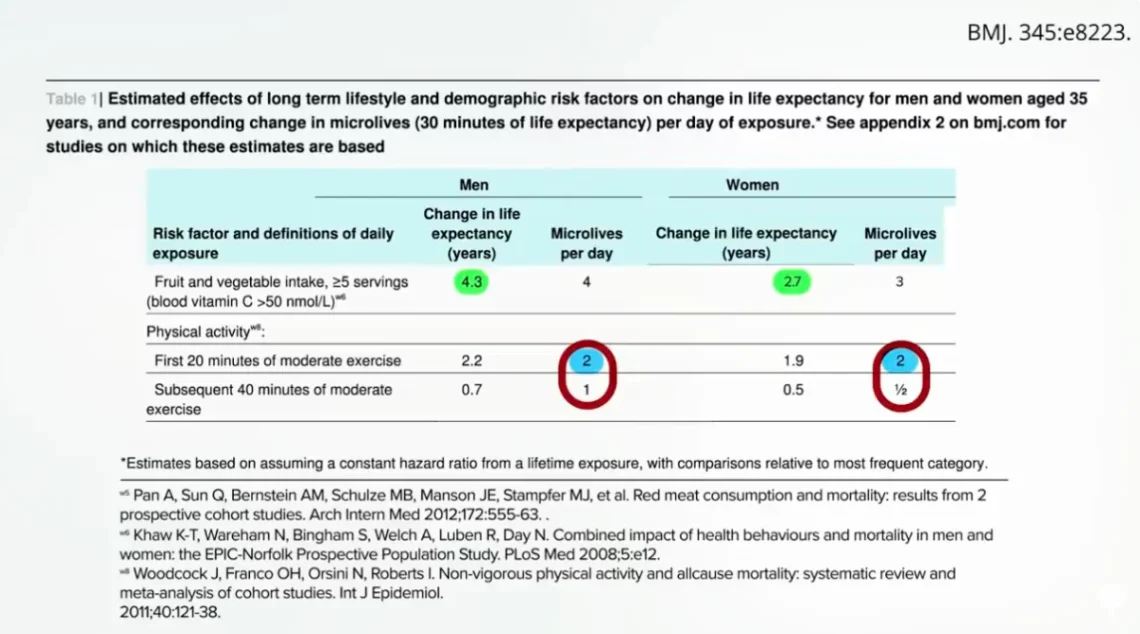
While acute hazards like skydiving or reckless driving are measured in micromorts (a one-in-a-million chance of sudden death), chronic lifestyle choices require a different yardstick. A microlife is defined as 30 minutes of lost life expectancy.
The math is derived from the remaining lifespan of young adults. For instance, a 22-year-old man or a 26-year-old woman typically has roughly 57 years of life ahead of them. This equates to about 20,000 days, 500,000 hours, or one million half-hours. A microlife represents the forfeiture of one of those million half-hours.
Comparing Chronic Risks
Using this metric, health scientists can draw direct equivalencies between seemingly unrelated habits:
- Alcohol and Tobacco: Drinking a pint of strong beer carries a life-expectancy cost roughly equivalent to smoking a single cigarette.
- Body Weight: Being just 11 pounds overweight shortens a person’s expected lifespan by a margin comparable to a consistent, small daily tobacco habit.
- Meat Consumption: Epidemiological data suggests that eating a standard hamburger is associated with the loss of approximately one microlife (30 minutes of life expectancy)—making each burger roughly equivalent in statistical health impact to smoking two cigarettes. Processed meats scale this risk even higher.
The Return on Investment for Healthy Habits
Conversely, the microlife framework can be inverted to measure life-extending behaviors:
- Plant-Based Nutrition: Consuming at least five daily servings of fruits and vegetables adds an average of four years to a man’s lifespan and three years to a woman’s.
- Physical Activity: Engaging in just 20 minutes of daily exercise yields an extra hour of life expectancy (two microlives). This creates a favorable "3-to-1 return on investment" in terms of time spent versus time gained, though benefits experience diminishing returns at extreme athletic volumes.
Official Responses and Institutional Reactions
The tension between commercial agricultural interests, institutional dietary guidelines, and independent nutritional science has generated sharp rebukes from medical authorities.
Following the publication of the controversial Annals of Internal Medicine recommendations, leading nutrition experts—including the chair of nutrition at the Harvard T.H. Chan School of Public Health and his colleagues—published formal responses condemning the panel’s conclusions. They asserted that the recommendations "suffer from important methodological limitations and involve misinterpretations of nutritional evidence."
Furthermore, these institutional leaders emphasized that public health directives must look beyond individual clinical trials to the broader picture of human and planetary health. They argued that official guidelines should consistently champion dietary patterns low in red and processed meats while prioritizing minimally processed plant foods, including whole grains, nuts, legumes (such as beans, split peas, chickpeas, and lentils).
Eminent researchers like Dr. Dean Ornish have echoed these sentiments, pointing to landmark clinical trials—such as the Lifestyle Heart Trial—which demonstrated that comprehensive plant-based lifestyle modifications can actively halt and even reverse the progression of severe coronary heart disease. Dr. Ornish cautioned the public against industry-funded or methodologically flawed reassessments of meat, offering a stark reminder: "Caveat emptor. Don’t be fooled. Your life may depend on it."
Implications: Making Informed Choices for Long-Term Wellness
The transition from viewing food merely as fuel or pleasure to recognizing it as a primary determinant of long-term biological health requires a fundamental shift in perspective.
When dietary habits are broken down into concrete units like microlives, the cumulative effect of daily decisions becomes starkly apparent. Just as society has successfully shifted cultural norms around smoking in public spaces, workplace safety, and routine physical activity, modern nutritional health is pushing toward an environment where preventive awareness guides everyday consumption.
Opting for plant-based alternatives—such as replacing a processed meat sandwich or a heavy beef burger with a nutrient-dense bean burrito—is not merely about restrictive dieting. Rather, it represents a proactive investment in preserving one’s allotment of healthy, active years. As public health data continues to refine our understanding of longevity, the message from the scientific community remains clear: aligning our daily plates with robust health data is one of the most powerful tools available for securing a longer, healthier future.