In the contemporary culinary landscape, few ingredients boast the ubiquitous appeal, versatility, and sheer refreshing utility of the cucumber. Despite its status as a foundational staple in domestic kitchens—frequently consumed multiple times a week as a crunchy, hydrating antidote to the oppressive heatwaves of mid-summer—it has remained curiously underrepresented in formalized digital recipe archives. For nearly two decades, prominent food chroniclers have dedicated thousands of column inches to complex pastries, braises, and multi-component dinners, largely overlooking the simple, unpretentious charm of the cucumber salad.
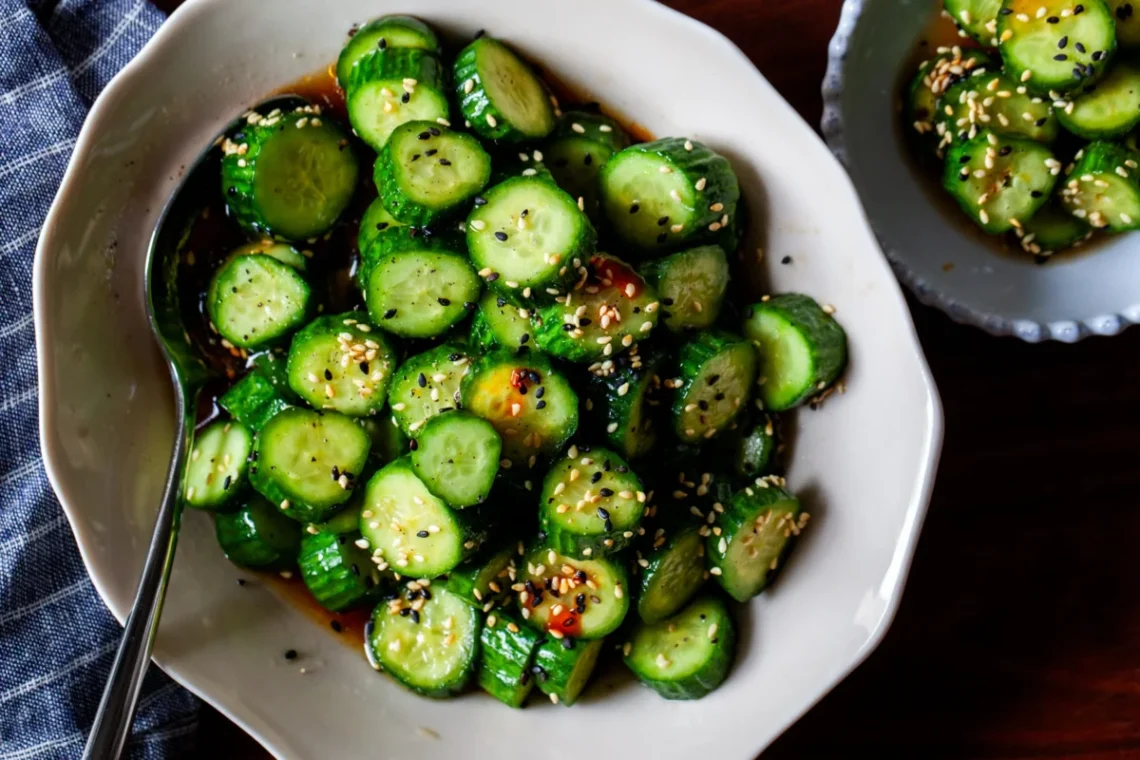
That statistical anomaly is finally being addressed with the introduction of a definitive, streamlined weeknight staple: the Cucumber Salad with Sesame and Rice Vinegar. Loosely inspired by sunomono—the traditional Japanese preparation of vinegared raw vegetables or seafood—this modern iteration strips away unnecessary refinements, such as added sugars, while embracing a chunkier cut and a more flexible salting timeline.
Beyond the kitchen, the release of this recipe coincides with the launch of the 2026 SK Classroom Wishlist Project, a massive annual philanthropic initiative designed to connect under-resourced educators with donors eager to supply essential learning materials, books, and classroom infrastructure.
Chronology of a Weeknight Staple
The journey of this specific cucumber salad from an unmeasured, casual kitchen habit to a codified recipe mirrors the evolution of practical, home-centric journalism.
The Informal Era (Pre-2026): For years, home cooks and culinary writers alike relied on unstructured methods for preparing cucumbers. Typically thrown together during frantic weeknight dinners—often alongside stir-fries, simple noodle dishes, or homemade and frozen potstickers—the dish existed without standard measurements. Cucumbers were sliced, salted intermittently, and tossed with pantry staples based purely on intuition.
The Standardization Phase: Recognizing a glaring gap in nearly twenty years of published recipes, the author formally measured and refined the process. The technique was streamlined to accommodate busy schedules: slicing the cucumbers thickly, tossing them with salt for a minimum window of just 10 to 15 minutes (or up to several hours if time permits), and chilling them in the refrigerator.
The Assembly and Seeding: Once the salt has drawn out excess moisture—creating a cellular "moisture deficit" that allows the vegetable to greedily absorb subsequent flavors—the liquid is drained. The cucumbers are then tossed in rice vinegar, sesame oil, soy sauce, and pepper, and finished dynamically with chili oil and toasted sesame seeds.
The Philanthropic Kickoff (Summer 2026): Simultaneously, the annual Classroom Wishlist Project opened its digital doors, providing a direct pipeline of support from everyday citizens to public school classrooms nationwide.
Supporting Data and Culinary Mechanics
Understanding why this specific method works requires a brief look at the culinary science of salting vegetables.
The Chemistry of Salting Cucumbers
Cucumbers are composed of roughly 95% water. When cut and exposed to sodium chloride (salt), a process of osmosis occurs. Water is drawn out from the cellular walls of the cucumber slices.
Traditional Method: Many recipes demand rigid timing—often an hour or more of heavy salting followed by thorough rinsing—to completely soften the vegetable.
The Streamlined Approach: By contrast, this recipe permits a flexible window ranging from 10 minutes to two hours. Even a brief 10-minute rest achieves the primary objective: purging excess watery dilution while compacting the flesh.
Flavor Absorption: Because the internal water content is partially depleted, the cucumber acts like a sponge, readily pulling in the savory umami of soy sauce, the nutty warmth of sesame oil, and the sharp tang of rice vinegar without becoming overly soggy.
Nutritional and Practical Metrics
Hydration: With virtually no calories and high water content, it serves as an optimal side dish for heavy, comforting meals like potstickers and pan-fried noodles.
Shelf Life: Unlike green salads dressed in delicate leaf-wilting vinaigrettes, this cucumber salad actually improves over time. Stored in an airtight container in the refrigerator, leftovers keep exceptionally well for two to three days, gently pickling and deepening in flavor.
Scalability: Due to its high demand at the dinner table—frequently threatened by enthusiastic family members consuming entire bowls before the meal is even plated—cooks are routinely advised to double the batch.
Official Responses and Community Impact
While the culinary community has enthusiastically embraced the new recipe format, the concurrent launch of the 2026 SK Classroom Wishlist Project has generated an overwhelming wave of digital engagement and community solidarity.
Addressing Educational Deficits
Public school teachers across the nation continue to face significant budgetary shortfalls, often forced to spend hundreds of dollars out of pocket for basic supplies—ranging from crayons and construction paper to specialized reading books and organizational tools. The Classroom Wishlist Project acts as a bridge between willing benefactors and classrooms in desperate need.
"There is no purchase too small to unquestionably make a teacher’s (and their students’) day," notes the project’s organizing literature. "Plus, buying crayons, pencils, and books that help kids learn and succeed feels really good."
How to Participate
Organizers have streamlined the donation process to eliminate friction for first-time contributors:
Local and Regional Focus: Donors are encouraged to search for schools in their current neighborhoods or where they grew up.
Targeted Matching: The project spreadsheet allows users to filter descriptions for classrooms focusing on specific subjects or demographic needs that resonate personally.
Direct Access: Contributions are channeled through a meticulously maintained public spreadsheet linked directly via community networks, ensuring complete transparency and direct delivery to participating educators.
Implications for Modern Domestic Life
The intersection of a simple weeknight vegetable dish and a massive educational charity drive highlights a broader cultural shift in how food media operates today.
The De-Perfection of Home Cooking
For decades, food journalism prioritized immaculate styling, rare ingredients, and rigid adherence to culinary dogma. The casual elevation of a simple, unpretentious cucumber salad signals a welcome pivot toward realism. Home cooks are increasingly exhausted by elaborate multi-step recipes, seeking instead reliable, high-yield, low-stress solutions that integrate seamlessly into hectic family schedules. By validating the "throw-together" cooking style, culinary platforms validate the reality of modern domestic life.
Food as a Catalyst for Connection
Furthermore, the recipe’s natural pairing with communal meals—such as folding potstickers with family members or packing thoughtful, comforting care packages for teenagers at sleepaway camp—reinforces the idea that food is primarily a vehicle for human connection.
When paired with a community-driven initiative like the Classroom Wishlist Project, the act of cooking transcends the physical dining table. It transforms the kitchen into a launchpad for civic engagement. Whether a home cook is doubling a batch of sesame-vinegar cucumbers to appease an enthusiastic family member or purchasing a box of colored pencils for a third-grade classroom three states away, the underlying ethos remains identical: small, thoughtful, unpretentious contributions can fundamentally improve everyday life.