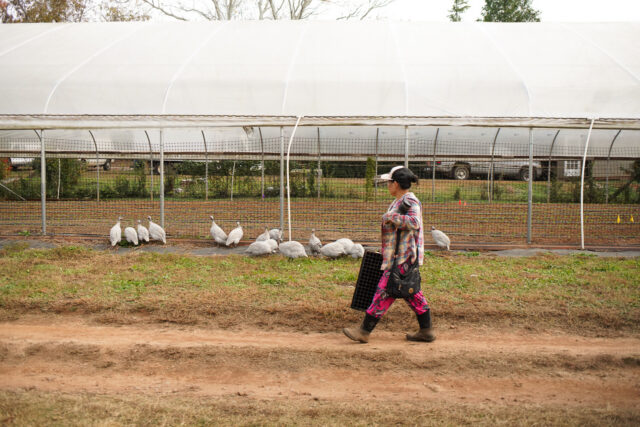
COMER, Ga. — In an era dominated by industrial agriculture, corporate supply chains, and high-emission transcontinental shipping, a quiet revolution has been taking root in the northern rolling hills of Georgia. For over a decade, Mandy and Steve O’Shea, the founders of 3 Porch Farm, have operated as the gold standard for what it means to align a commercial agricultural enterprise with deeply held ethical convictions.
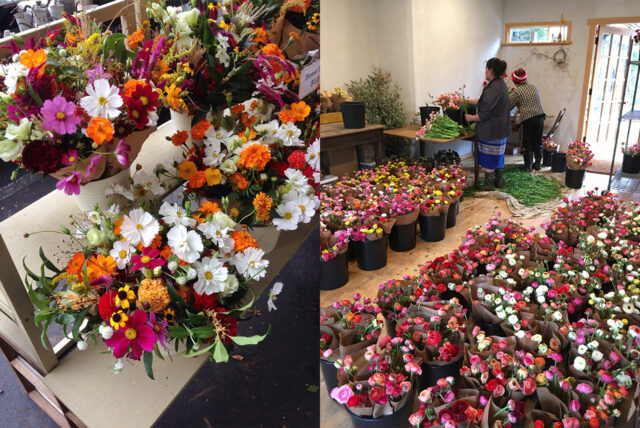
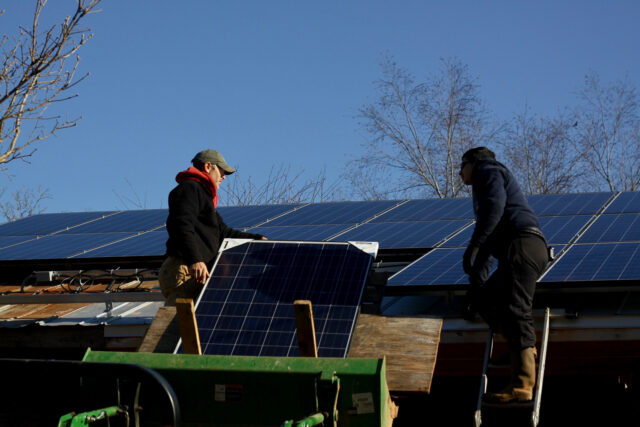
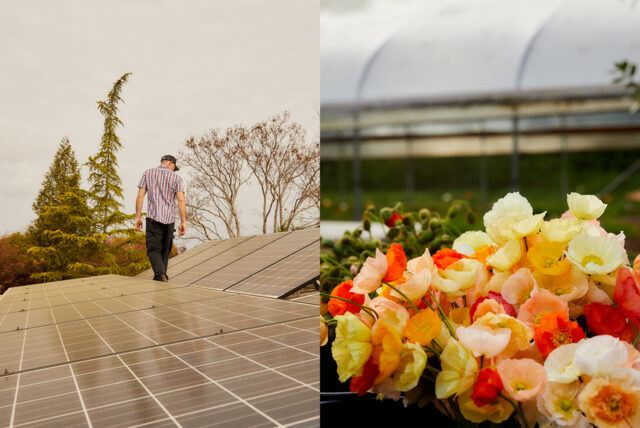
What began as a diversified, small-scale market farm in Comer has evolved into a nationally recognized powerhouse of sustainable floriculture. Operating out of facilities powered entirely by solar panels, the O’Sheas ship organic bouquets, heirloom chrysanthemum starts, and specialty seeds to customers across 47 states. Their logistics model integrates carbon-offset priority overnight shipping, compostable and biodegradable packaging, and delivery vehicles running on recycled vegetable oil.
Yet, beyond the eco-friendly metrics and the breathtaking blooms, 3 Porch Farm stands out for its unorthodox business philosophy: a steadfast refusal to sacrifice community well-being, ecological health, or personal integrity for the sake of hyper-growth. Through a deeply reflective interview, Steve O’Shea recently peeled back the layers on the farm’s evolution, detailing the resilience required to survive systemic shifts, the realities of organic cultivation in the humid South, and the delicate art of balancing principles with profitability.
Chronology of a Farm: From Poly-Culture Roots to Digital Resilience
The trajectory of 3 Porch Farm mirrors the broader evolution of the modern sustainable farming movement in America.
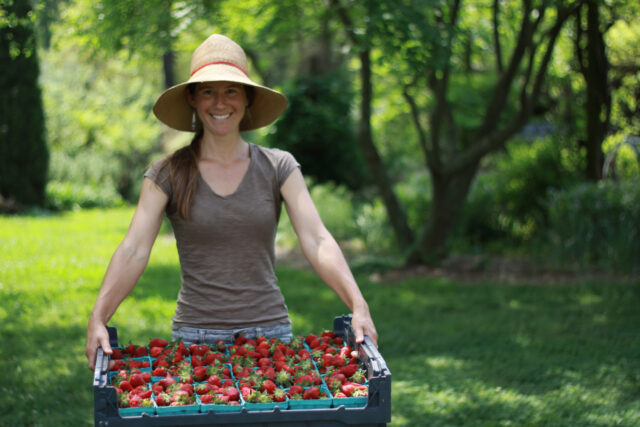
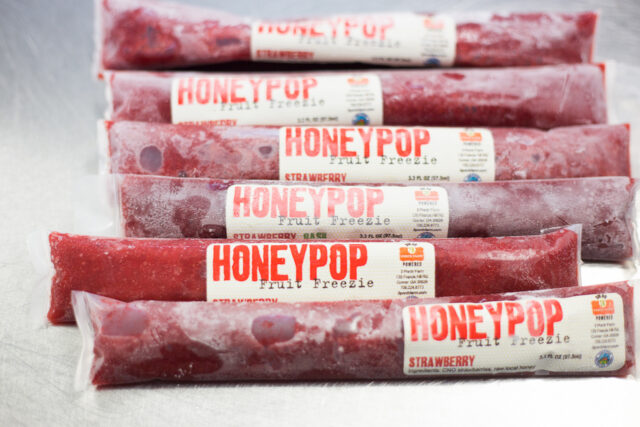
The Early Years (Diverse Market Farming): Like many small-scale agricultural startups, the O’Sheas initially planted a little bit of everything. Their early yields included organic vegetables, fruit, mushrooms, honey, preserves, and floral design work. Guided by Mandy O’Shea’s keen eye for branding and value-added creation, the farm quickly carved out a niche with organic strawberries and artisan popsicles crafted exclusively from their own fruit and honey—earning them legendary status among local toddlers.
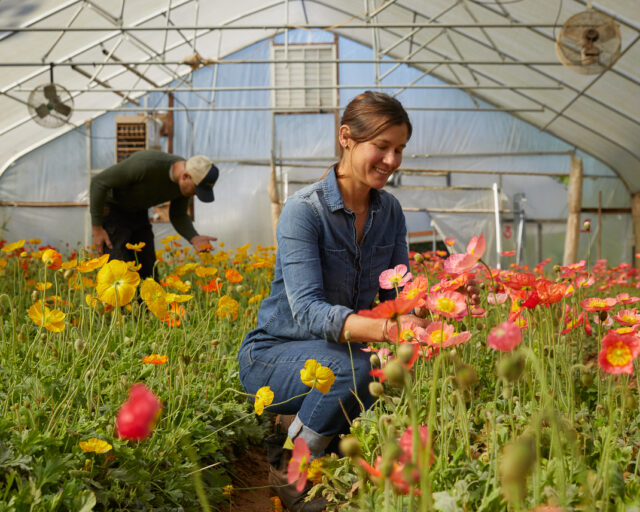
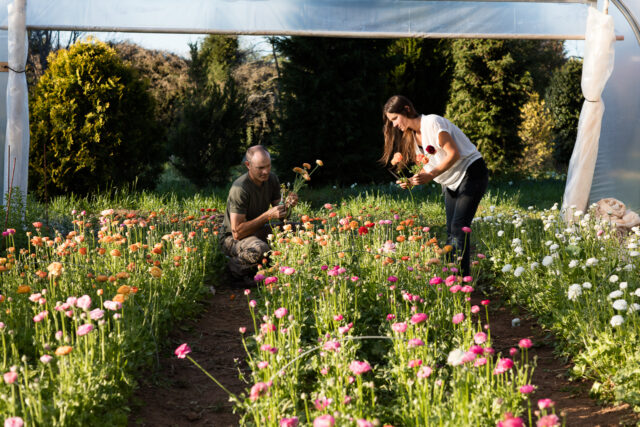
The Floral Pivot: Recognizing that traditional Southern farmers markets were saturated with cheap, low-margin mason jar bouquets, the couple took a calculated risk. They shifted entirely to specialty flowers, introducing local consumers to high-end dahlias rarely grown in the region. The community response was immediate and overwhelming, prompting an immediate expansion into markets in Atlanta and Marietta.
The 2020 Pivot to E-Commerce: The COVID-19 pandemic served as an unprecedented stress test. When Mandy’s father faced a severe, life-threatening cancer diagnosis just as lockdown protocols took effect, the O’Sheas made the radical decision to prioritize family. They shuttered their farmers market booths, gave their entire staff paid time off with financial support, and confronted mounting winter debt with fields full of highly perishable crops. In a desperate bid to save the farm, Steve pivoted overnight to digital sales, transforming stored shipping boxes into a direct-to-consumer national shipping enterprise.
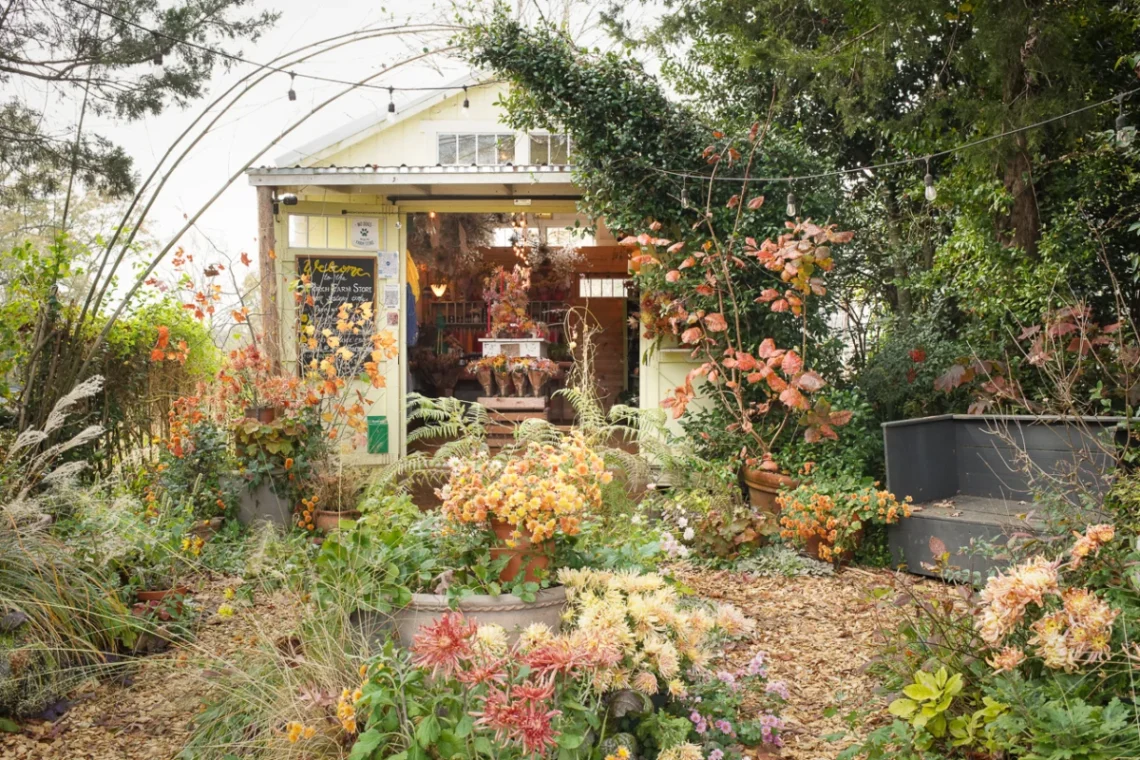
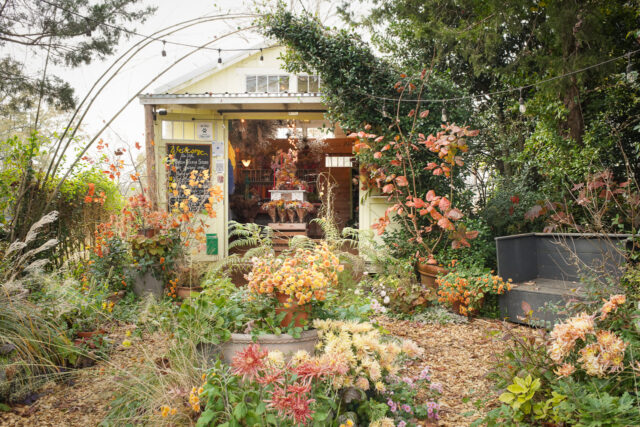
The Present Era: Today, 3 Porch Farm operates as an integrated e-commerce and local boutique model. Having abandoned local farmers markets entirely, they utilize their summer downtime for infrastructure repair, administrative catch-up, and employee rest, focusing their energy on high-value fall crops, mail-order plant shipping, and a charming seasonal farm store on-site.
Supporting Data: Sustainability and Economic Viability
The agricultural sector is traditionally among the heaviest contributors to carbon emissions and chemical runoff. 3 Porch Farm has systematically dismantled the assumption that ecological responsibility is financially prohibitive.
Behind the scenes, the farm’s operational footprint relies on a closed-loop philosophy:
Energy Independence: Farm processing facilities are fully powered by solar arrays, which also generate excess energy to power the couple’s electric vehicles.
Waste Elimination: By transitioning away from farmers markets—where vendors typically lose 20% to 30% of perishable inventory due to fluctuating weekend crowds, weather, and festival schedules—the farm drastically reduced product waste.
Carbon-Conscious Logistics: Shipped orders utilize 100% compostable and biodegradable packaging, paired with carbon-offset shipping programs.
While financial advisors might view heavy investments in solar infrastructure, electric conversions, and premium organic inputs as fiscally ill-advised in the short term, Steve O’Shea notes that the long-term economic dividends have been profound. By putting principles before profits, the farm has cultivated an intensely loyal, appreciative customer base that values transparency and environmental stewardship.
Official Insights: Steve O’Shea on Organic Philosophy and Labor
In discussing the realities of running a sustainable enterprise, Steve emphasizes that the organic approach is fundamentally a shift in philosophy rather than a simple substitution of inputs.
On Organic Growing vs. Conventional "Nuclear" Methods
"The conventional approach is to inject fertilizer to pump up plants and to use synthetic chemicals to kill weeds and bugs with a somewhat nuclear approach," Steve explains. While synthetic solutions offer quick surface results, they systematically destroy beneficial soil microorganisms, pollinators, and predatory insects.
By contrast, 3 Porch Farm operates on dynamic equilibrium. "Instead of killing soil microorganisms, you’re feeding them. They, in turn, feed your plants," Steve notes. Rather than eradicating pests entirely, the farm maintains healthy populations of predacious insects to manage outbreaks naturally, fostering a deeper connection to natural rhythms.
On Cultivating a Compassionate Workplace Culture
Labor management in agriculture is notoriously fraught with burnout and exploitation. The O’Sheas approach team leadership through the lens of creating "a little slice of the world we wish we lived in."
"You can’t ever expect [employees] to know what you know, or even to know anything about what you’re going through as an overwhelmed business owner. Instructions and guidance need to be clear and meticulous," Steve advises. "A respected, appreciated, and well-informed employee is going to do a lot more for your farm than one who feels exploited, confused, or unappreciated."
This philosophy directly influenced how the farm handles the brutal Georgia summer heat. Rather than demanding punishing 15-hour days—a reality they endured in their early years—summer has been intentionally redesigned as a period of downtime, featuring shortened morning shifts, climate-controlled environments, and scheduled staff vacations.
Implications for the Future of Floriculture
The evolution of 3 Porch Farm carries significant implications for the broader American floral industry, which has long relied on carbon-intensive, pesticide-heavy international supply chains that exploit vulnerable labor forces.
The Power of Collective Resilience
Following a recent research trip to the Royal FloraHolland flower auction and massive horticultural facilities in Europe, Steve observed the stark contrast between ultra-mechanized, high-tech industrial flower production and small-scale domestic farming. While the scale of international logistics is staggering, it highlighted the enormous environmental cost of flowers traveling thousands of miles before reaching a vase.
This realization has reinforced 3 Porch Farm’s commitment to localized resilience, heirloom seed saving, and proprietary breeding programs—such as their work popularizing heirloom chrysanthemums and breeding the unique lavender Chinese forget-me-not variety, "Ms. Marilyn."
A Blueprint for Modern Growers
For emerging growers navigating the unpredictable waters of modern agriculture, 3 Porch Farm offers a vital roadmap. Their journey proves that tenacity and stubbornness, while superficially similar, are fundamentally different forces: tenacity is an invaluable ally in establishing a business, while stubbornness blinds an operator to necessary pivots.
By maintaining radical self-awareness, annually recalibrating personal and business goals, and anchoring operations to a foundational "Why," 3 Porch Farm demonstrates that commercial viability and profound ethical integrity are not mutually exclusive. As the agricultural community looks toward an uncertain climatic and economic future, the O’Sheas remain a beacon of proof that a business can thrive by simply committing to do good.