Main Facts
In the culinary world, glaring omissions sometimes hide in plain sight. For nearly two decades, the digital archives of one of the internet’s most beloved cooking destinations have been meticulously populated with hundreds of expertly tested, passionately debated recipes. Yet, a glaring paradox has persisted: the humble cucumber—a vegetable consumed in various forms on at least half of the weekly dinners in many households—has been critically underrepresented.
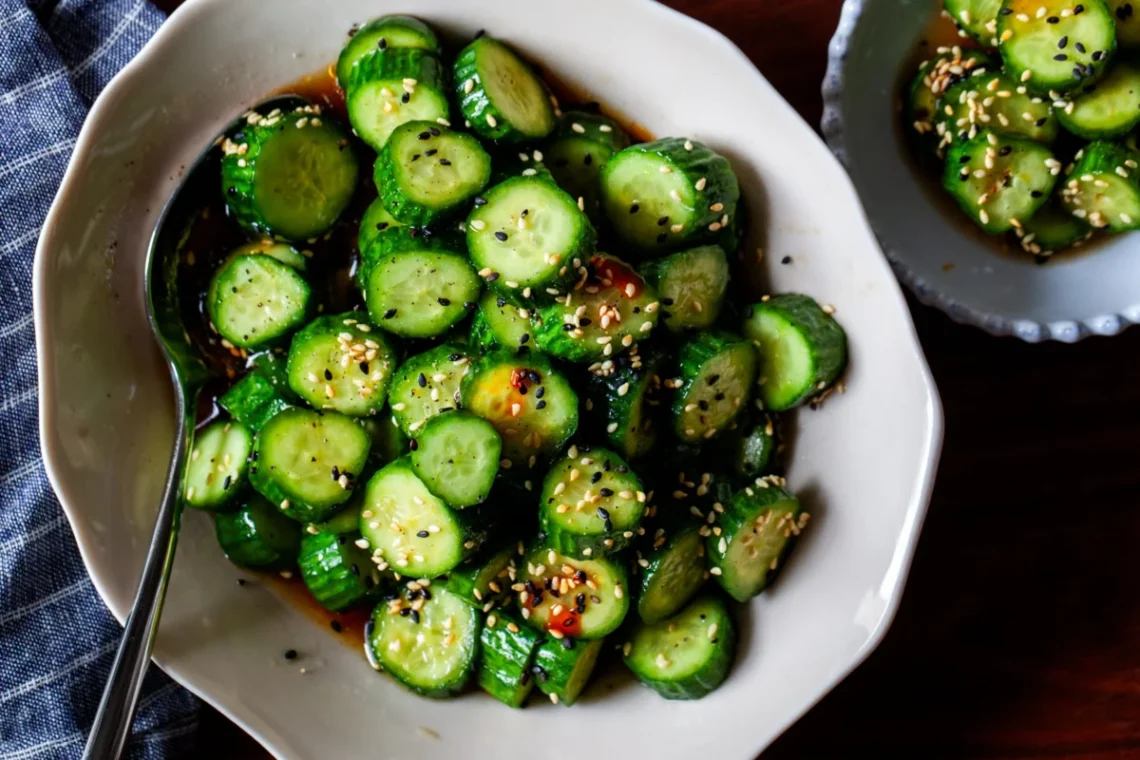
To correct this culinary oversight, a definitive, go-to weeknight recipe has officially entered the canon: the Sesame and Rice Vinegar Cucumber Salad. Rooted in the traditional Japanese culinary concept of sunomono—which broadly translates to "vinegared things"—this dish strips away unnecessary fuss, heavy sugars, and prolonged marinating times in favor of bold, crisp, unapologetically simple flavors.
The core mechanics of the dish rely on a simple yet transformative technique: briefly salting the cucumbers. By allowing sliced cucumbers to sit in salt anywhere from 10 minutes to a couple of hours, home cooks can draw out excess moisture, creating a cellular structure primed to greedily absorb a punchy dressing composed of rice vinegar, toasted sesame oil, soy sauce, a hint of heat from chili oil, and a generous dusting of toasted sesame seeds. Not only does this solve the eternal summer problem of how to stay cool during relentless heat waves, but it also provides a versatile, easily scalable side dish that pairs effortlessly with everything from weeknight stir-fries and simple noodle bowls to homemade potstickers.

Chronology
While the recipe itself has been a quiet, informal staple of domestic weeknight cooking for years, its journey to the public spotlight follows a distinct timeline defined by seasonal necessity and community engagement:
- The Two-Decade Oversight: For nearly 20 years, recipe developers focused on complex bakes, elaborate dinners, and seasonal produce peaks, treating the daily consumption of cucumbers as an afterthought rather than a dedicated recipe category.
- The Heat Wave Catalyst: As successive summer heat waves blanketed communities, the demand for no-cook, ultra-refreshing, hydrating dishes reached a boiling point. The lack of an obsessive, fine-tuned house cucumber salad became impossible to ignore.
- The Formulation of the Method: Stripping away the traditional added sugar found in classic sunomono and shortening the salting window to accommodate hectic weeknight schedules, the recipe was standardized with exact measurements: chunkier cuts, flexible salting times, and a heavy-handed pour of sesame and chili oils.
- The Family Trials: The recipe successfully underwent rigorous, informal domestic testing—frequently requiring home cooks to double batches simply to prevent enthusiastic family members from devouring the entire bowl before it could reach the dinner table. (Notable deployment milestones included covert care packages delivered to summer sleepaway camp visiting days alongside homemade dot cakes).
- The Public Launch and Community Initiative: The recipe made its official debut alongside the launch of the annual Classroom Wishlist Project, bridging the gap between home-cooked weeknight comfort and community philanthropy.
Supporting Data
Understanding the appeal of the Sesame and Rice Vinegar Cucumber Salad requires examining the culinary science and logistical metrics that make it a triumph of weeknight cooking:
- 10 to 15 Minutes: The minimum required window for salting the cucumbers. Unlike traditional recipes demanding hours of pressing, this accelerated timeline fits neatly into the preparation window of other dinner tasks.
- 2 to 3 Days: The exceptional shelf-life of leftovers in the refrigerator. As the cucumbers sit in the dressing, they undergo a gentle, natural pickling process, transforming the texture and deepening the flavor profile without turning the vegetable entirely mushy.
- The Sunomono Framework: Traditional sunomono relies on a balance of sweet and tangy notes. By intentionally omitting the sugar and embracing a chunkier cut, this modern adaptation prioritizes structural crunch and savory depth over classical sweetness.
- Zero-Cook Efficiency: Requiring no stove time, the dish operates entirely at refrigerator temperatures, making it an invaluable asset for kitchens trying to avoid generating ambient heat during peak summer months.
- The Classroom Wishlist Metrics: Demonstrating the intersection of food media and social good, the concurrent launch of the 2026 Classroom Wishlist Project provides direct links and spreadsheets to support educators, proving that community-driven initiatives can scale from local schools to nationwide digital support networks.
Official Perspectives and Community Response
While the recipe is inherently casual—born out of the daily rhythm of throwing together a quick vegetable side rather than meticulous laboratory testing—the response from the home-cooking community has been overwhelmingly enthusiastic.

Culinary commentators and everyday home cooks alike have long grappled with the "cucumber paradox": despite being one of the most frequently purchased and consumed vegetables globally, it rarely receives the dedicated spotlight of braised meats or elaborate pastry work. By demystifying the preparation and validating the "throw-it-together" ethos of weeknight cooking, this recipe reframes the cucumber not as a boring salad filler, but as the star of the plate.
Furthermore, the simultaneous rollout of the 2026 Classroom Wishlist Project has garnered widespread praise. By leveraging a high-traffic recipe platform to direct resources toward educators—encouraging readers to select local schools, childhood alma maters, or classrooms with meaningful missions—the publication highlights a core philosophy: that sharing a simple meal at the dinner table naturally extends into caring for the broader community. Whether funding a modest pack of crayons or outfitting an entire reading corner, the response underscores the powerful synergy between domestic comfort and public altruism.
Implications
The popularization of this streamlined sunomono-inspired cucumber salad carries several broader implications for modern home cooking and community engagement:

1. The Death of Perfectionism in Weeknight Cooking
For years, digital food spaces have pressured home cooks into believing that every meal must be a meticulously styled, multi-step production. The embrace of a casual, highly adaptable cucumber salad signals a cultural shift back toward intuitive cooking. When recipes accommodate variable timelines (such as a 10-minute salt cure) and flexible ingredient substitutions, cooking becomes an accessible, low-stress daily ritual rather than an intimidating performance.
2. The Rise of Global-Domestic Fusion
By taking inspiration from traditional Japanese sunomono—stripping away foreign gatekeeping and adapting the technique for Western pantry staples like standard soy sauce and readily available sesame oil—home cooks are increasingly blurring the lines between authentic global techniques and everyday domestic pragmatism. This promotes cross-cultural appreciation through the lens of kitchen utility.
3. Food Media as a Vehicle for Social Good
Perhaps the most significant implication of this recipe release is the seamless integration of food content with community activism. By anchoring a lighthearted discussion about summer heat waves, picky eaters, and camp care packages to a robust, nationwide teacher support initiative, the culinary space proves its utility as a powerful organizing tool. It demonstrates that the warmth generated in the kitchen can—and should—be channeled directly into supporting the foundational institutions of society, starting with local classrooms.