By the Food & Lifestyle Desk
Published: October 24, 2023
Main Facts
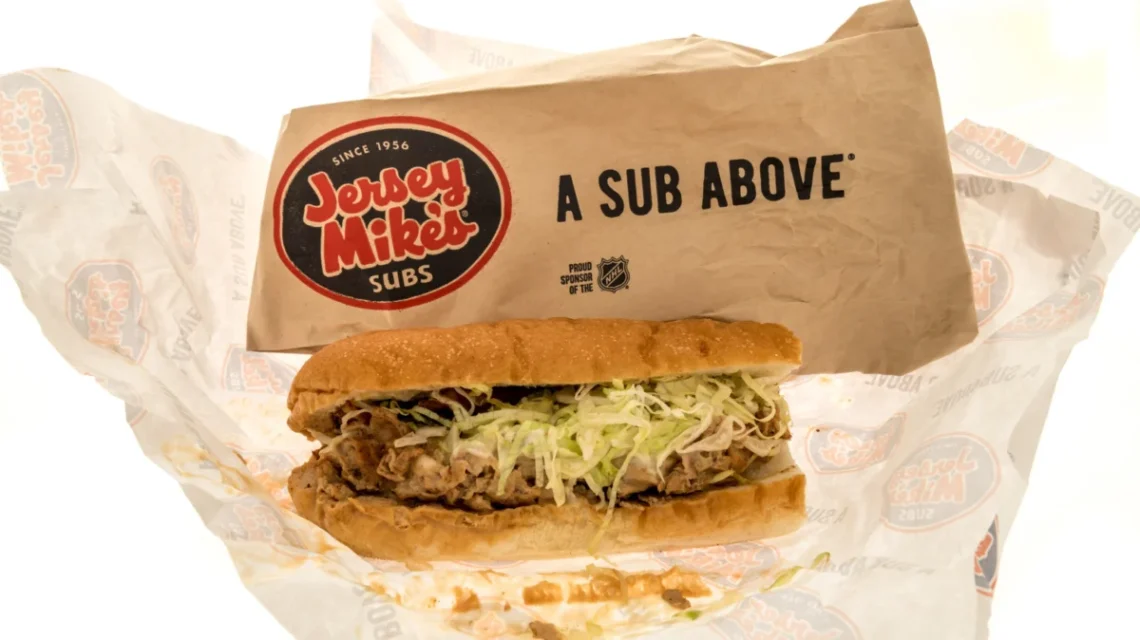
Jersey Mike’s Subs has carved out a massive, fiercely loyal following across the United States, celebrated for slicing its meats and cheeses fresh to order and slathering them in a signature red-wine vinegar and olive oil blend known affectionately as "The Juice." However, this hallmark of authenticity comes with a formidable adversary: structural structural integrity.
A frequent complaint among sub enthusiasts is that the bread routinely surrenders to the moisture, resulting in a soggy, waterlogged meal. Despite customers pleading for "light oil and vinegar" or specifying exact measurements—such as a strict "two shakes"—many still find their lunches swimming in liquid. Fortunately, culinary survivalists and insiders have pinpointed the ultimate fix: ordering condiments "SOS" (sauce on the side) in a dedicated cup. Combined with strategic topping management and crust protection, sandwich lovers can permanently eliminate the dreaded soggy sub.
Chronology
- The Origins of the "Mikes Way" Tradition: The roots of Jersey Mike’s signature style date back to 1956 in Point Pleasant, New Jersey, where the original Mike’s Subs was founded. The practice of dressing subs "Mike’s Way"—featuring onions, lettuce, tomatoes, red-wine vinegar, and olive oil—became a non-negotiable ritual of the East Coast sub culture.
- The Modern Expansion and Social Media Era: As Jersey Mike’s expanded into a national powerhouse with thousands of locations, customers began sharing their unique ordering habits, hacks, and grievances on digital forums like Reddit (
r/jerseymikes). - The Rise of the Soggy Sub Backlash: Over the past few years, as delivery apps and to-go orders surged, the timeline between preparation and consumption widened. Consequently, forums flooded with customer complaints regarding bread degradation caused by sitting juice and watery toppings.
- The Industry Adaptation: Recognizing the frequent requests for modified moisture levels, frontline workers began normalizing pre-portioned, to-go condiment cups. Today, asking for oil and vinegar on the side has transformed from a quirky special request into a mainstream culinary safeguard.
Supporting Data and Insider Perspectives
The debate over sub saturation is not merely a matter of subjective preference; it involves the laws of food science and moisture migration. According to customer testimonials on social media, even minute adjustments to prep instructions often fail. As one frustrated Reddit user noted:
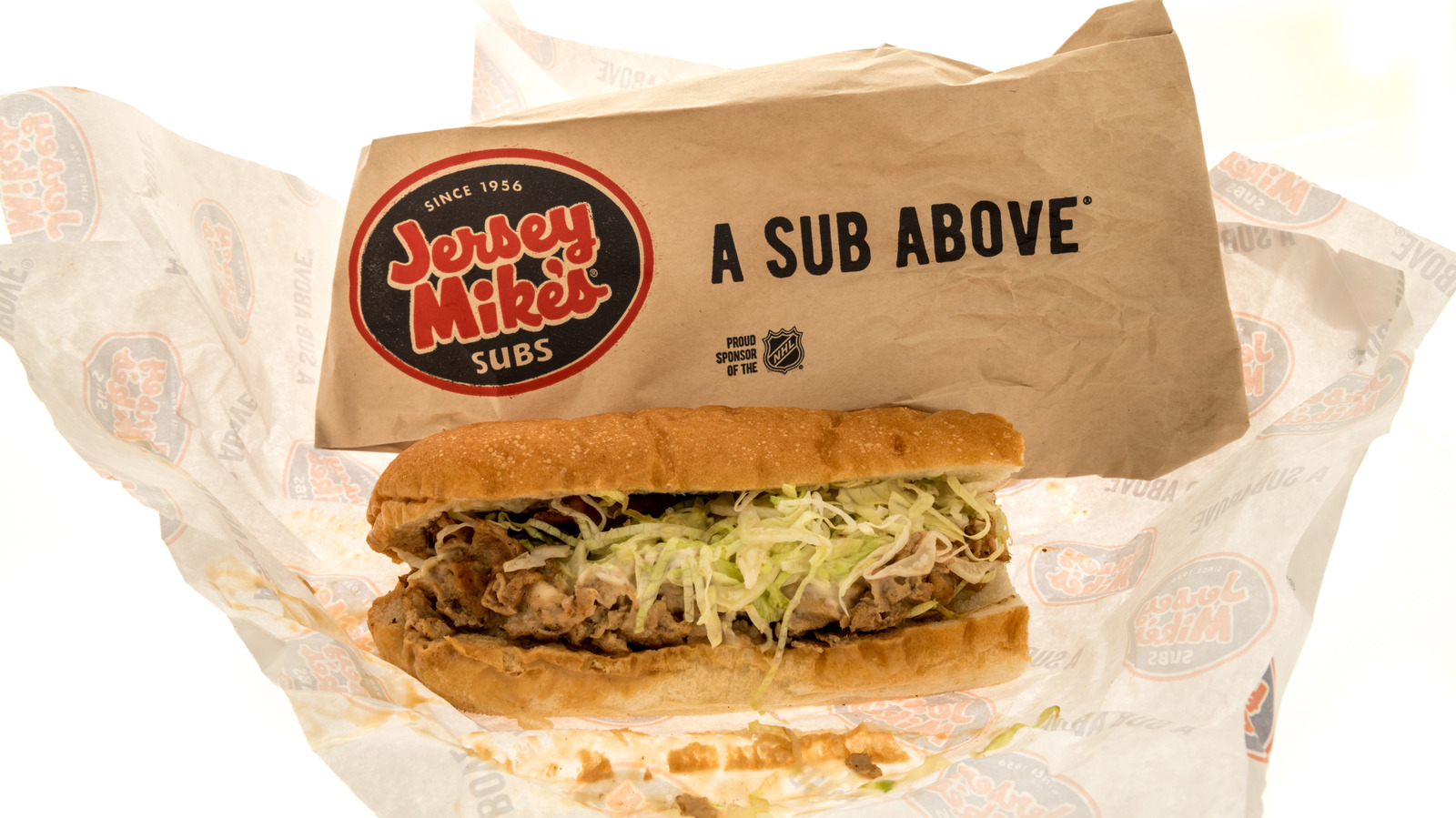
"I like the juice, but every time I try to order light vinegar and oil, my sandwich comes swimming in it. I tried to be super specific today… and say ‘two shakes only,’ but it’s still just as wet and sloppy."
From the employee perspective, however, managing moisture is a standard part of the daily workflow. According to frontline staff reporting on community boards, requests for "oil and vinegar on the side" are so common that many stores keep pre-measured cups stocked and ready.
Furthermore, food industry analysts point out that transit time plays a massive role in sub sogginess. When a sandwich is wrapped tightly in butcher paper, trapped steam combines with capillary action—where the porous crumb of the French or wheat bread aggressively absorbs free liquids. Within 15 to 20 minutes of transit, even a moderately dressed sandwich can undergo structural failure.
Official Responses and Industry Best Practices
While corporate representatives at Jersey Mike’s pride themselves on the authentic, fast-paced customization of their cold subs, the company’s open-customization model empowers patrons to tailor every single layer of their sandwich to prevent operational mishaps.
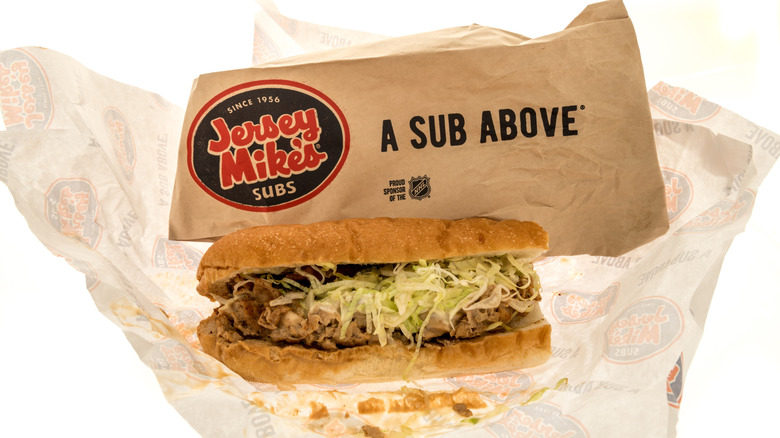
Sub operators and veteran sandwich artisans recommend a multi-layered defense strategy against sogginess:
- Embrace the "SOS" Protocol: Borrowing a classic food service abbreviation, ordering "Sauce on the Side" guarantees complete control. Requesting both the signature juice and mayonnaise in separate to-go cups ensures that you can administer the liquid dynamically, bite by bite, as you eat.
- Audit Your Toppings: Tomatoes are notorious liquid bombs. Their high water content rapidly destabilizes bread. Ordering tomatoes on the side—or substituting them with structurally sound, pickled options like crunchy banana peppers or giardiniera—preserves the sandwich’s structural integrity.
- Construct a Moisture Barrier: Fat repels water. Placing a strategic layer of Provolone or Swiss cheese directly against the bread creates a hydrophobic barrier, shielding the crumb from the moisture of meats and dressings.
- Post-Transit Reconditioning: If you are ordering delivery or bringing your sub home for later, ensure you are utilizing proper storage and reheating guidelines. If dealing with warm or toasted variations, proper thermal management prevents condensation from compounding the soggy-bread problem.
Implications
The ongoing battle over the Jersey Mike’s soggy sub highlights a broader tension in the fast-casual dining landscape: the balance between authentic preparation methods and the realities of modern consumer behavior.
As more diners shift toward third-party delivery apps and off-premise consumption, restaurants must adapt their classic recipes to survive the commute. For Jersey Mike’s, preserving the integrity of "The Juice" without compromising the quality of the bread relies heavily on customer education. By encouraging the "sauce on the side" method, the chain ensures that purists still get the exact flavor profile they crave, while sparing casual diners from a waterlogged lunch. Ultimately, this minor adjustment transforms a potentially ruined meal into a fully customized, crisp culinary experience.