By the Food & Beverage Editorial Desk
Published: October 2023
Main Facts: The Science and Art Behind the Ultimate Sip
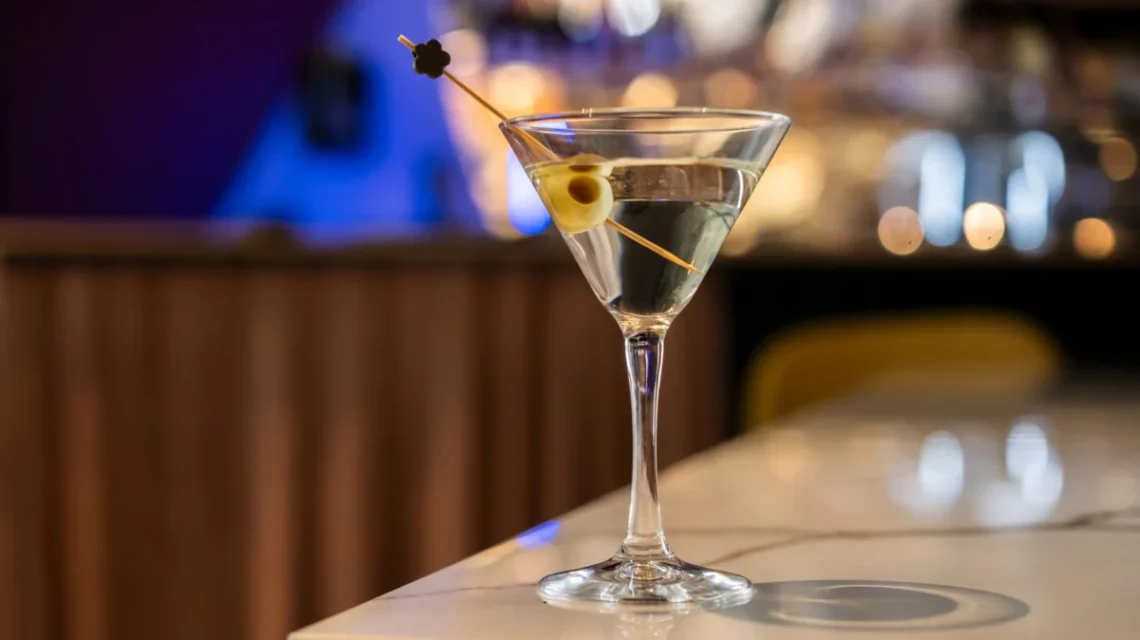
When it comes to ordering a drink that communicates sophistication, quiet luxury, and an appreciation for cocktail history, few options rival the dirty martini. Combining the classic, botanical foundation of gin (or the clean crispness of vodka) and dry vermouth with a generous splash of savory olive brine, this iconic cocktail has maintained a cultural stranglehold on cocktail lounges for nearly a century.
Yet, for all its glamorous associations, the dirty martini is a notoriously unforgiving drink. Sitting at a robust 28% to 30% alcohol by volume (ABV)—even after accounting for dilution from stirring—it packs a serious alcoholic punch. For home mixologists trying to recreate or surpass the experience of a high-end bar, the secret to mastering the drink doesn’t require expensive artisanal vermouths or rare heritage spirits. Instead, the ultimate upgrade relies on a surprisingly simple, physics-backed technique: serving the cocktail in a deeply frozen glass.
While standard bar practice involves chilling a glass with a handful of ice and water while mixing the drink, a frozen glass—stored directly in a freezer for hours prior to service—fundamentally alters the chemistry of the consumption experience. Temperature dictates volatility, aroma perception, and fluid viscosity. By utilizing a sub-zero vessel, drinkers can suppress the harsh ethanol burn that often plagues high-ABV cocktails, preserving the crisp, sharp salinity of the olive brine from the first sip to the last.
Chronology: From the Golden Age of Cocktails to Modern Mixology
To understand the evolution of the dirty martini and the techniques used to elevate it, one must trace its journey through cocktail history.
- Late 19th to Early 20th Century: The precursor to the modern martini—the Martinez—evolved into the standard dry gin-and-vermouth cocktail. As refrigeration became more widely available in American bars, the emphasis on serving drinks "ice cold" became a hallmark of American mixology.
- The 1900s–1930s (The Birth of the "Dirty" Variation): Legend and historical menus suggest that bartenders began experimenting with olive brine as early as the turn of the century. Notable New York bartenders are credited with tossing a splash of brine into the mixing glass to complement the salt-cured cocktail olives already being served as garnishes.
- Mid-20th Century (Pop Culture Dominance): The martini became the definitive symbol of mid-century sophistication, championed by literary figures, politicians, and Hollywood elite. Concurrently, the dirty martini transitioned from an off-menu custom order to a staple of the American tavern.
- The 1990s–2010s (The Craft Cocktail Renaissance): As the craft cocktail movement swept the globe, mixologists began re-examining classic formulas. Premium vodkas, artisanal gins, and house-made olive brines replaced generic bar staples, elevating the dirty martini into an upscale culinary experience.
- Present Day (The Maximalist Martini Era): Today, martinis are undergoing a massive renaissance. Diners no longer just order "dry" or "wet"—they navigate an expansive lexicon of modifiers, ranging from "filthy" and "burnt" to experimental alternatives utilizing pickle, feta, or MSG brines. Within this modern wave, home bartenders are increasingly adopting professional techniques, such as the use of sub-zero glassware, to beat commercial cocktail bars at their own game.
Supporting Data: Understanding ABV, Temperature, and Viscosity
To appreciate why a frozen glass is a non-negotiable step for a world-class dirty martini, it helps to look at the underlying data of the beverage:
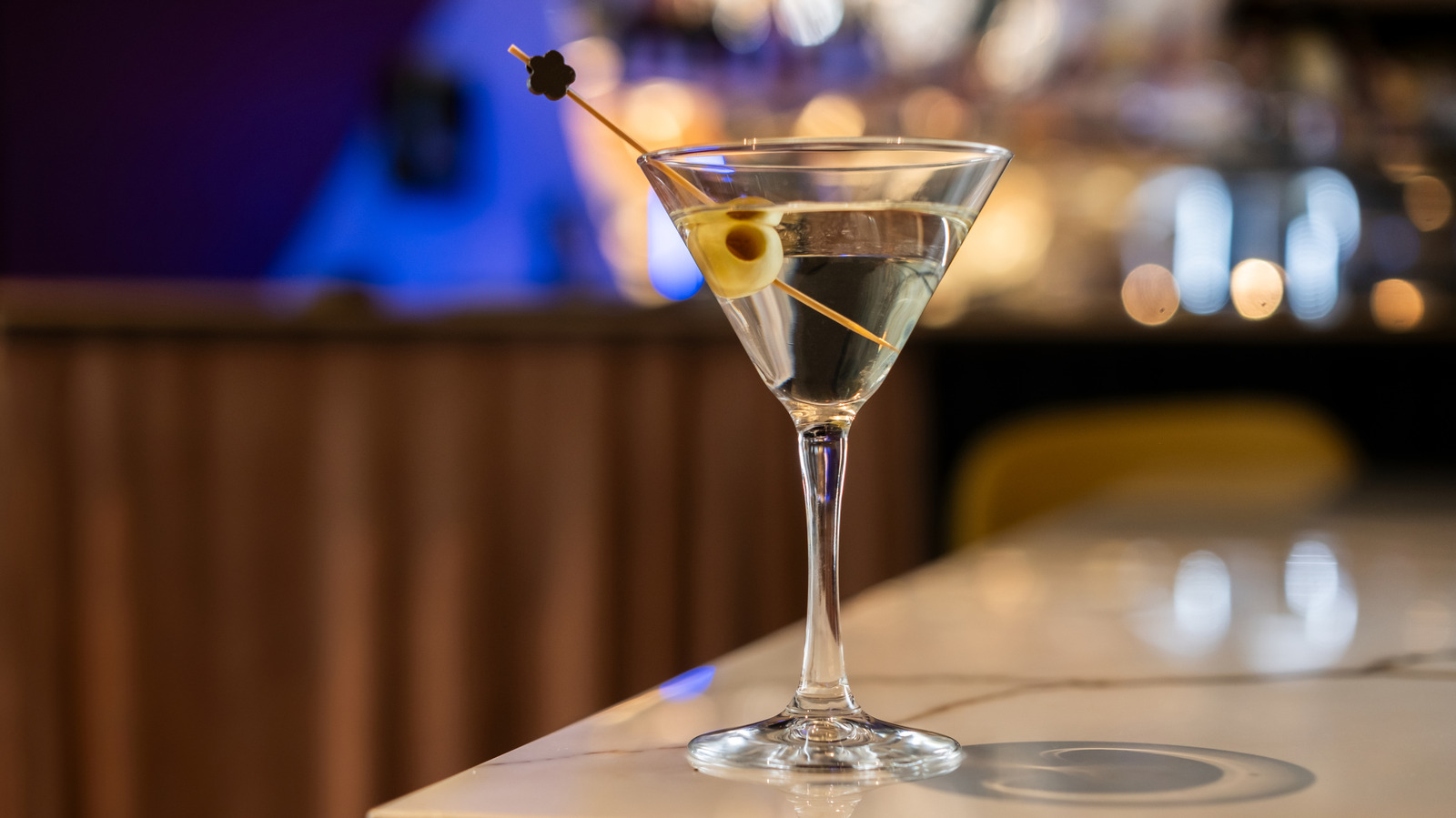
- Alcohol By Volume (ABV): Un-diluted gin or vodka starts at approximately 40% ABV. Once stirred with ice and combined with a standard measure of dry vermouth and olive brine, the final cocktail typically stabilizes between 28% and 30% ABV.
- The Thermal Threshold: Human taste buds perceive high concentrations of ethanol as a burning sensation. This burn is significantly amplified when the temperature of the liquid rises above 40°F (4.4°C).
- Viscosity Dynamics: When spirits are cooled to near-freezing temperatures, the molecular movement within the liquid slows down, and the physical viscosity increases. This creates a thicker, more luxurious mouthfeel—often described by master bartenders as a velvety texture that coats the palate rather than aggressively stinging it.
- Salinity and Temperature Cohesion: Olive brine contains high levels of sodium chloride and organic acids. At warmer temperatures, high salinity paired with high alcohol can taste unpleasantly metallic or sharp. Keeping the drink consistently cold preserves the crisp, savory profile of the brine, ensuring it harmonizes with the botanical notes of the gin.
Official Responses and Expert Insights: What Master Bartenders Say
Professional mixologists across the globe have long understood the critical role that glassware temperature plays in cocktail presentation.
"When a guest orders a dirty martini, they are looking for a delicate balance between high-proof alcohol and savory, saline depth," notes Julian Vance, a veteran beverage director based in Chicago. "If the glass is merely chilled for thirty seconds with ice water, the ambient room temperature of a busy dining room will cause the drink to warm up within five minutes. Once that happens, the brine separates in character, the alcohol takes over, and the drink loses its magic. A true freezer-cold glass acts as a thermal shield."
Culinary scientists and sensory analysts echo these sentiments. Research into flavor perception indicates that olfactory receptors are acutely sensitive to ethanol vapors at room temperature. By keeping the beverage at a near-freezing threshold, the volatile aromatic compounds of the spirit (such as the juniper berries in gin) are delivered in a more cohesive, restrained manner, rather than overwhelming the olfactory system with alcohol fumes.
Furthermore, industry experts emphasize that the ritual of freezing glassware elevates the at-home drinking experience, transforming a simple kitchen pour into a bespoke, luxury ritual.
Implications: Elevating Home Mixology and Cocktail Culture
The growing obsession with perfecting the dirty martini at home—aided by simple hacks like frozen glassware and precise jargon—carries several broader implications for modern food and beverage culture:
1. The Democratization of High-End Mixology
Consumers no longer need to spend $25 to $30 at a high-end hotel bar to enjoy a world-class cocktail. By understanding the core scientific principles of temperature control, dilution, and ingredient ratios, home bartenders can easily replicate or even surpass the quality of commercial establishments.
2. The Shift Toward "Quiet Luxury" and Minimalism
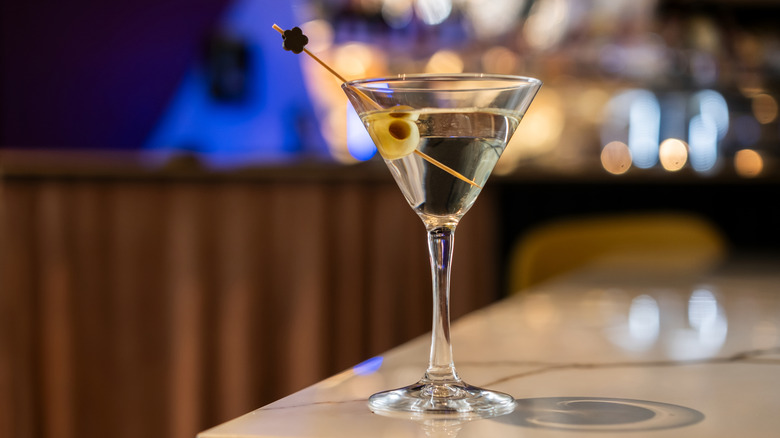
In a post-pandemic hospitality landscape, trends have shifted away from overly complex, multi-ingredient tiki drinks toward minimalist, high-impact classics. The dirty martini embodies this shift. With only three core components (spirit, vermouth, brine), every single element matters. There is nowhere to hide poor technique, making precise methods like glassware temperature critically important.
3. Expansion of Flavor Customization
As the definition of "dirty" expands to include pickle brines, caper brine, feta infusions, and umami-forward additions like MSG, the cocktail has become a blank canvas for regional and personal experimentation. Mastering the foundational technique of the classic dirty martini provides the blueprint for these modern culinary adaptations.
Conclusion: How to Execute the Technique at Home
To put this technique into practice and craft a dirty martini that outshines your local lounge, follow these simple steps:
- Freeze Your Glassware: Place your martini or coupe glasses in the freezer at least 2 to 3 hours before serving. They should be completely frost-covered.
- Select Your Spirit: Choose a high-quality London Dry gin for botanical complexity, or a clean, crisp potato or grain vodka for a smoother, neutral profile.
- Measure and Stir: Combine 2.5 oz of your chosen spirit, 0.5 oz of dry vermouth (if using), and 0.5 oz to 0.75 oz of high-quality, filtered olive brine in a mixing glass filled with fresh, solid ice. Stir continuously for 30 seconds to achieve optimal dilution and chill.
- Strain and Garnish: Pull your frosted glass straight from the freezer, strain the chilled elixir into it, and garnish with one or two premium Castelvetrano or Spanish Queen olives.
By implementing this effortless thermal adjustment, you elevate a standard drink into an exceptional sensory experience—proving that sometimes, the difference between a good cocktail and a transcendent one is simply a matter of degrees.