By the Culinary & Consumer Trends Desk
Published: October 2023
Main Facts: The Intersection of Breakfast Tradition and Lunch Iconography
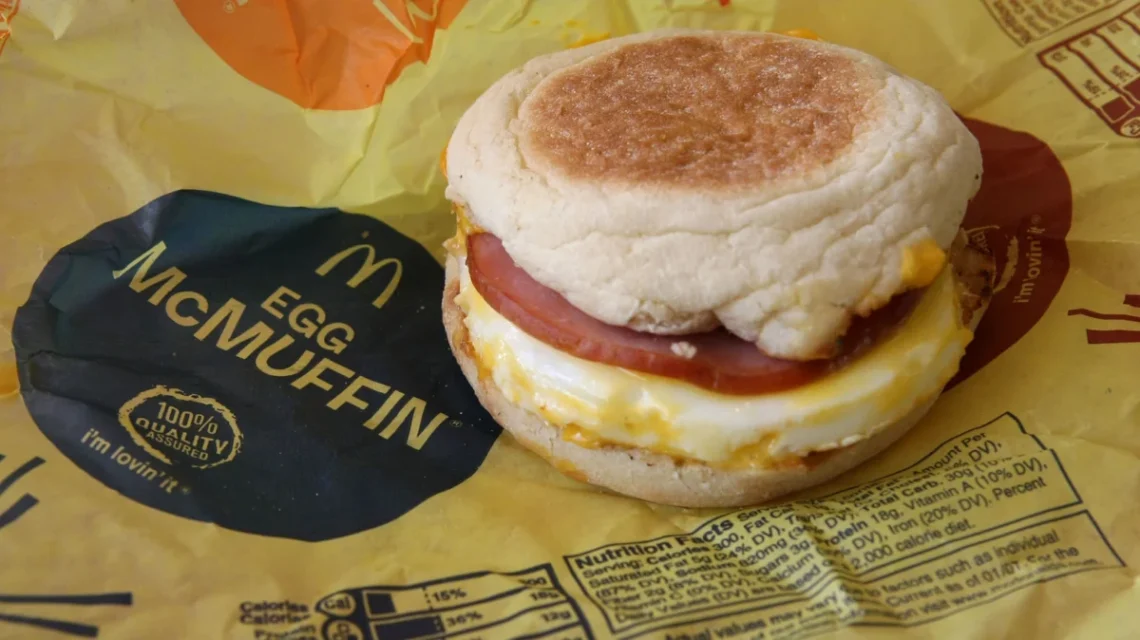
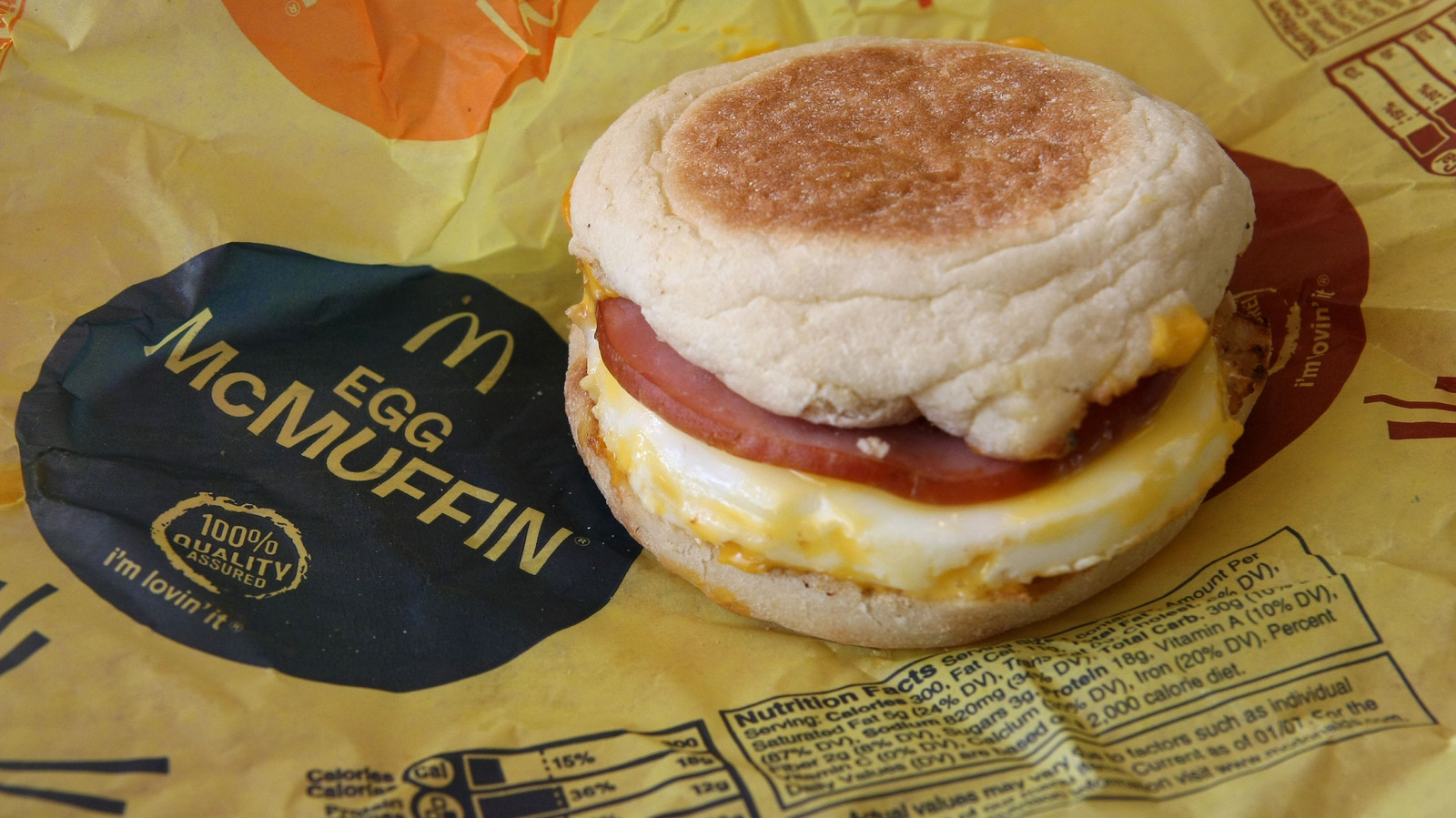
For decades, the culinary dividing line at McDonald’s was absolute: breakfast operated in the serene morning hours of golden hash browns and freshly cracked eggs, while lunch ushered in the savory, sauce-heavy domain of the Big Mac. However, a growing consumer movement spearheaded by fast-food enthusiasts and digital creators is dissolving that boundary. By simply requesting Big Mac sauce on a morning staple—specifically, the iconic Egg McMuffin—diners are discovering a surprisingly harmonious flavor profile that marries the breakfast sandwich’s rich, buttery English muffin with the tangy, secret-recipe condiment usually reserved for mid-day cravings.
The classic McDonald’s Egg McMuffin has quietly undergone a series of subtle yet impactful quality upgrades in recent years. Most notably, the chain transitioned from toasting its English muffins with liquid margarine to utilizing real butter, imparting a more decadent, complex flavor and a superior mouthfeel. Alongside this, the sandwich has long been praised for its inherent customizability: customers can swap the round, freshly cracked egg for a folded egg patty, adjust the protein from Canadian bacon to sausage or regular bacon, or ditch the bread entirely for a low-carb alternative.
Yet, the introduction of Big Mac sauce into the morning equation represents an entirely different tier of menu engineering. Because Big Mac sauce arrives at restaurants pre-manufactured in sealed containers rather than being mixed on-site, it is fully accessible during breakfast hours. Housed within the restaurant’s specialized condiment guns, the tangy, mayonnaise-and-relish-based emulsion is easily within reach of kitchen staff—transforming a standard morning routine into a custom, cross-menu fusion.
Chronology: The Evolution of the McMuffin and Fast-Food Customization
To understand how a breakfast-lunch crossover became a viral menu hack, it is essential to trace the timeline of McDonald’s menu flexibility and ingredient upgrades.
- 1972: Herb Peterson, a McDonald’s franchisee in Santa Barbara, California, invents the Egg McMuffin, intending to capture the flavor profile of Eggs Benedict in a portable breakfast format. It debuts nationally in 1975, changing the American fast-food landscape forever.
- The 2000s – Early 2010s: The fast-food industry operates under strict structural guidelines. Breakfast items and lunch items are separated by an unyielding 10:30 or 11:00 a.m. "cutoff time," cementing a strict operational wall between the two menus.
- 2015: Responding to consumer demand and falling sales, McDonald’s launches All-Day Breakfast at select locations before rolling it out nationwide. While limited primarily to McMuffins and biscuit sandwiches, it cracks open the door for cross-timing experimentation.
- Late 2010s – Early 2020s: The rise of TikTok and food-centric social media platforms democratizes "secret menu" hacks. Content creators begin testing combinations that cross departmental lines, utilizing apps and drive-thrus to request modifications that were previously never considered by average cashiers.
- Recent Years: McDonald’s updates its core operational procedures for the Egg McMuffin, phasing out liquid margarine in favor of real butter for toasting English muffins. Simultaneously, mobile ordering apps introduce granular customization options—such as altering egg types and doubling up on proteins—paving the way for advanced modifications like the Big Mac-style McMuffin.
Supporting Data: The Mechanics of the Hack
Understanding why this menu hack works requires a closer look at the logistics, ingredients, and operational realities of McDonald’s supply chain.
Supply Chain and Consistency
A key reason why adding Big Mac sauce to a breakfast sandwich yields predictable flavor results across the globe is the manufacturing process. Unlike proprietary regional sauces or fresh ingredients that can vary by preparation, Big Mac sauce is manufactured in industrial facilities and shipped directly to franchise locations in bulk packaging.
- The Dispensing Mechanism: Restaurants use calibrated condiment guns to ensure precise, portion-controlled application of Big Mac sauce onto every hamburger. These same dispensers sit within arm’s reach of assembly stations during breakfast shifts.
- Inventory Availability: Because Big Mac sauce is a non-perishable sealed product prior to opening and is utilized consistently throughout the day for regular menu items, morning inventory is virtually always available.
Nutritional and Flavor Synergy
From a culinary perspective, the addition of Big Mac sauce to an Egg McMuffin creates a balanced flavor profile:
- Acidity and Fat: The vinegar and pickle relish base of the Big Mac sauce cuts through the heavy richness of real butter, melted American cheese, and Canadian bacon.
- Textural Contrast: The crisp, nooks-and-crannies texture of the toasted English muffin holds up remarkably well against the viscous, creamy consistency of the sauce, preventing the sandwich from becoming soggy.
Official Responses and Industry Perspectives
While major fast-food corporations are often hesitant to officially endorse unofficial "secret menu" creations due to inventory tracking and kitchen speed metrics, front-line workers and culinary analysts have weighed in heavily on the trend.
The Employee Perspective
Speaking anonymously on online forums and community boards, McDonald’s crew members and managers note that while custom orders are technically accommodated, they can occasionally disrupt the lightning-fast efficiency required during morning rushes.
"We get requests for all sorts of off-menu combinations, especially during the transition windows," shares one shift manager from the Midwest. "Adding Big Mac sauce to a McMuffin isn’t difficult because the sauce gun is right there on the line. As long as the customer is clear at the speaker and patient if there’s a slight upcharge for the extra condiment, it’s a straightforward modification."
Corporate Positioning on Customization
While the McDonald’s official corporate app does not yet feature a dedicated "Big Mac-style McMuffin" button, the brand has heavily leaned into digital customization as a driver of customer engagement. Executives have frequently noted in earnings calls that app-based modifications increase average ticket sizes and foster brand loyalty. By allowing consumers to build their own sandwiches—swapping folded eggs for round ones, adding extra cheese, or doubling up on Canadian bacon—the corporation has inadvertently fostered an environment where culinary experimentation is encouraged.
Implications: The Future of Cross-Menu Fast Food Dining
The viral popularity of the Big Mac-style Egg McMuffin points to broader shifts in consumer behavior, digital ordering habits, and the future of quick-service restaurant (QSR) menus.
1. The Blurring of Dayparts
The rigid boundary between breakfast and lunch is effectively dead. While operational cutoffs for specific items (like hotcakes or lunch burgers) still exist at many locations, consumer demand for "any food, at any time" has forced brands to rethink their kitchen architecture. Hacks like this prove that customers do not view menus in silos; they view them as modular playgrounds of ingredients.
2. The Rise of the "Prosumer" Fast-Food Consumer
Modern diners are no longer passive recipients of standardized menu items. Armed with smartphones, delivery apps, and social media platforms, consumers act as co-creators of their meals. This "prosumer" culture puts pressure on restaurants to make their digital ordering platforms as flexible as possible. Industry analysts predict that major QSRs will eventually integrate popular user-generated hacks directly into their apps as official, pre-set customization options to streamline drive-thru times.
3. Practical Guide: How to Order It Today
For consumers looking to test the trend without causing friction at the drive-thru window, navigating the order requires a specific strategy:
- The Drive-Thru Approach (Recommended): Place your order verbally at the speaker. Clearly state: "Can I get a sausage or classic Egg McMuffin, but added Big Mac sauce?" This allows the cashier to immediately calculate any minor upcharge for the extra sauce and relay the modification directly to the kitchen line.
- The "Mac-ified" Structural Upgrade: For those looking to fully replicate the heft of a Big Mac, advanced customizers recommend ordering double portions of cheese, meat, and egg via the app, or manually inserting a separate hash brown patty between the protein layers. This creates the structural equivalent of the Big Mac’s iconic middle bun, soaking up the tangy sauce while adding an unbeatable crunch.
As fast-food chains continue to adapt to viral food trends, the humble Egg McMuffin stands as proof that even the most classic corporate recipes can be brilliantly reinvented with a little bit of imagination and a squirt of secret sauce.