Main Facts: The September Clash of Seasons and Flavors
As the calendar flips into September, a familiar and polarizing cultural phenomenon takes hold. While temperatures stubbornly linger in the upper 80s, commercial landscapes undergo an aggressive, premature transformation. Grocery store aisles and coffee shop menus are suddenly inundated with the heavy spices of autumn—most notably pumpkin spice—alongside Halloween displays and advertisements for wool coats.
For many home cooks and food enthusiasts, this manufactured seasonal shift feels aggressively out of step with reality. Meteorological summer is far from over, yet the cultural machinery insists on ushering in months of shivering, stews, and heavy outerwear long before the weather demands it.

Enter the culinary resistance: a steadfast refusal to abandon vibrant, peak-season summer produce just because a calendar page has turned. At the heart of this seasonal defiance is the tomato. Far from being cast aside for the first autumn apples, late-summer tomatoes offer a final, brilliant hurrah in the kitchen.
A prime example of this philosophy is a newly popularized, streamlined recipe: Tomato Risotto with Frizzled Red Onions. By stripping away the traditional complications of risotto—such as endless stirring, heavy dairy, and complex broths—this dish elevates the pure, unadulterated flavor of grated fresh tomatoes, marrying them with short-grain rice and a crown of crisp, aromatic red onions.

Chronology: From Stuffed Tomatoes to Streamlined Oven Risotto
The conceptual genesis of this late-summer tomato risotto traces a direct line through years of home-cooking evolution and culinary experimentation.
- The Inspiration (Years Prior): The foundational idea was born from classic rice-stuffed tomatoes, a Mediterranean-inspired dish where short-grain rice absorbs the pure, clear-noted juices of fresh tomatoes as they bake. The distinct, vibrant flavor profile left a lasting impression, prompting the desire to translate that specific essence into a standalone, bowl-friendly format.
- The Deconstruction of Risotto (2021): Culinary boundaries regarding traditional risotto were officially challenged years prior when the mythos surrounding "mandatory" risotto rules was dismantled. Traditional dogma dictates constant stirring, specialized broths, and massive quantities of butter and cheese. By proving that oven-baked risotto could yield identical, if not superior, results with significantly less labor, the groundwork was laid for a simplified tomato version.
- The September Pivot (Present Day): Faced with the dichotomy of 85-degree September weather and children transitioning into major milestones—such as starting middle school and entering the senior year of high school—the kitchen became a sanctuary of seasonal stubbornness. The tomato risotto recipe was finalized, utilizing grated tomato pulp, water instead of broth to preserve pure fruit flavors, and a signature garnish of frizzled red onions.
Supporting Data and Methodology: Anatomy of a Non-Traditional Risotto
To understand how this tomato risotto achieves its depth without relying on traditional culinary crutches, one must examine its unique preparation methodology and ingredient ratios.

The Ingredients:
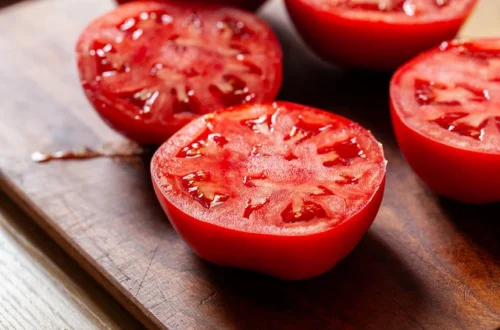
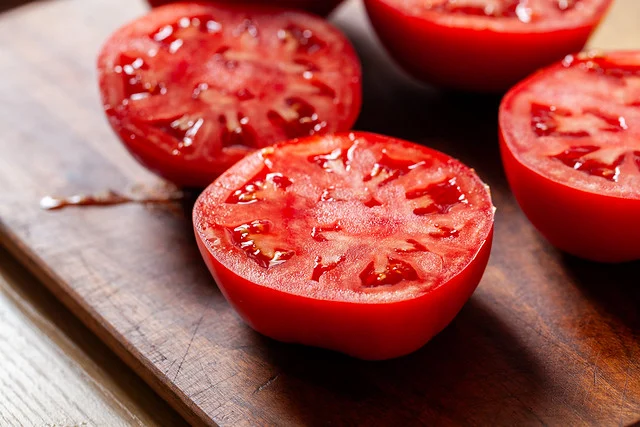
- Tomatoes: Halved and grated directly against the large holes of a box grater. This technique extracts the maximum amount of fresh pulp and juices while discarding the outer skins. Yields approximately $2frac12$ to $3$ cups of fresh tomato pulp.
- The Rice: Short-grain rice, which absorbs the tomato juices efficiently during the baking process.
- Aromatics & Liquids: Extra-virgin olive oil, thinly sliced red onions, minced garlic, a splash of dry white wine, and plain water (avoiding heavy vegetable or chicken broths to keep the tomato flavor unmasked).
- Seasoning: Kosher salt, freshly ground black pepper, and a pinch of red pepper flakes.
- The Finish: A knob of butter or an extra drizzle of olive oil, grated Parmesan cheese, torn fresh basil leaves, and the reserved crispy frizzled red onions.
Step-by-Step Preparation:
- Thermal Setup: Preheat the oven to 350°F.
- The Frizzled Onions: In a 4-quart Dutch oven or deep, oven-safe saucepan, heat 3 to 4 tablespoons of olive oil over medium-high heat. Add the sliced red onions. Cook, stirring frequently, until they soften and eventually transform into deeply golden, mostly crisp pieces (approximately 8 to 10 minutes). Transfer half to a paper-towel-lined plate, season with salt, and set aside.
- Toasting the Rice: Add minced garlic to the onions remaining in the pan, cooking for one minute. Season with salt, pepper, and red pepper flakes. Add the uncooked short-grain rice, toasting it gently in the aromatic oil and remaining onions for 3 minutes.
- Deglazing and Liquid Addition: Pour in the white wine, stirring until it evaporates. Pour in the freshly grated tomato pulp followed by 2 cups of water. Season generously with kosher salt (approximately 2 teaspoons to start) and black pepper. Bring the mixture to a simmer, then turn off the heat.
- The Oven Bake: Cover the pot with a tight-fitting lid and transfer it to the preheated oven. Bake for 25 to 30 minutes, or until the liquid is mostly absorbed while retaining a slightly fluid consistency. (Note: A midway check at 15 minutes is recommended; if the liquid is depleting too quickly, an extra $frac12$ cup of water can be introduced).
- Creaming and Finishing: Remove the pot from the oven. Remove the lid and vigorously stir the mixture for 2 minutes until it develops a naturally creamy, emulsified texture. Adjust seasoning to taste, fold in 2 to 3 tablespoons of butter (or a final drizzle of olive oil for a vegan alternative), scatter with Parmesan, fresh basil, and crown with the reserved frizzled red onions.
Official Perspectives: The Psychology of Seasonal Cooking
While no formal government agencies regulate the transition from summer squash to winter squash, cultural commentators, food writers, and home economists frequently weigh in on the psychological friction of seasonal creep.
Culinary traditionalists argue that forcing seasonal changes too early robs eaters of appreciation for the natural agricultural calendar. By rushing toward autumn, consumers miss out on the absolute peak of late-summer harvests—specifically nightshades like tomatoes, peppers, and eggplants, which reach their absolute sweetest and most concentrated flavor profiles in late August and September.

Furthermore, culinary experts note that modern cooking has become overly dogmatic regarding techniques like risotto. The liberation from constant stirring and specialized broths opens up home cooking to accessibility and creativity. As proponents of simplified baking and stovetop-to-oven methods point out, stripping away unnecessary steps allows the primary ingredient—in this case, the raw, sun-ripened tomato—to speak for itself without being drowned out by heavy fats or complex stocks.
Implications: Cultural, Nutritional, and Lifestyle Impacts
The conscious choice to embrace late-summer cooking in the face of commercial autumn pressure carries several meaningful implications for modern households.

1. Nutritional and Agricultural Alignment
Aligning meals with genuine micro-seasons rather than retail calendars ensures maximum nutritional intake. Tomatoes harvested at the height of late summer possess superior vitamin C, lycopene, and antioxidant profiles compared to forced or out-of-season alternatives. Supporting local farms during their final harvest weeks also sustains regional agricultural economies before the winter fallow period.
2. Mental Health and Domestic Mindfulness
The kitchen often serves as an emotional anchor during times of domestic transition. For parents navigating major life milestones—such as children shifting from elementary to middle school, or entering their final, bittersweet year of high school—the kitchen provides a therapeutic space of control and comfort. Slowing down to grate fresh tomatoes, watch onions crisp into gold, and create a comforting meal acts as a grounding ritual against the rapid, commercially driven march of time.

3. Culinary Evolution and Dietary Inclusivity
Recipes like the Tomato Risotto with Frizzled Red Onions demonstrate the modern shift toward flexible, adaptable cooking. By offering a seamless pivot between dairy-heavy finishes (Parmesan and butter) and completely plant-based options (olive oil, basil, and onions), such dishes accommodate diverse dietary preferences without sacrificing depth of flavor. The culinary landscape is increasingly favoring smart techniques over rigid rules, empowering home cooks to trust their instincts, reject premature seasonal fatigue, and savor every last delicious degree of summer.