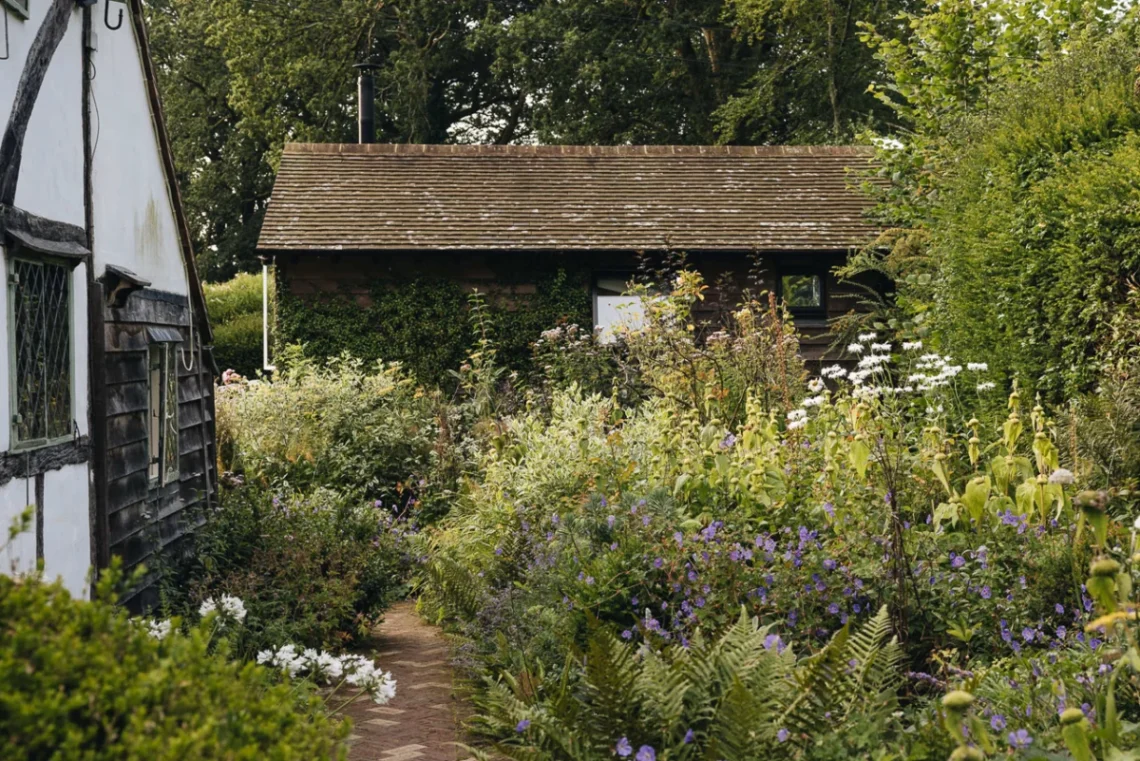
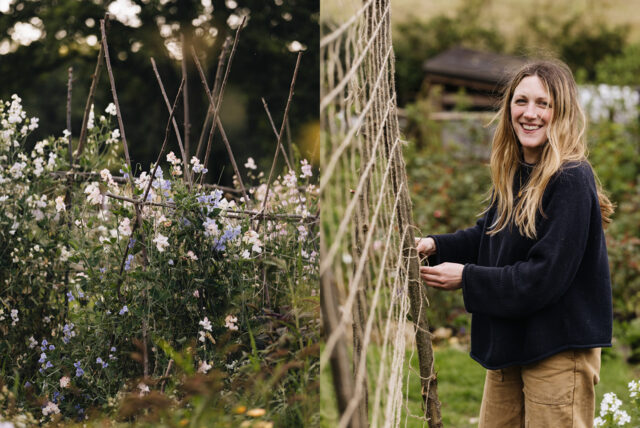
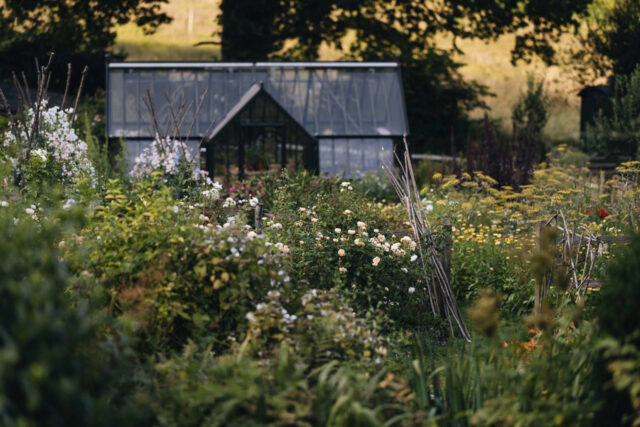
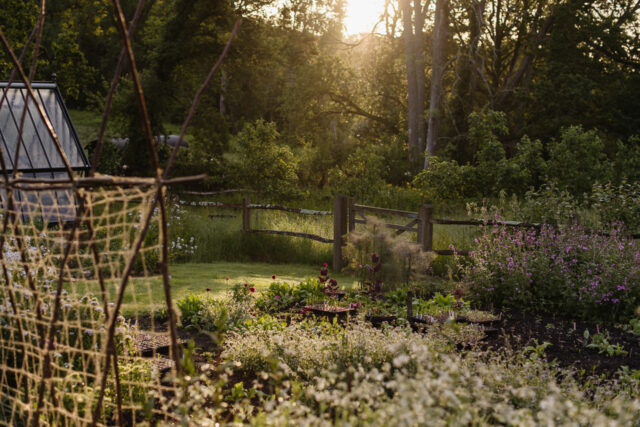
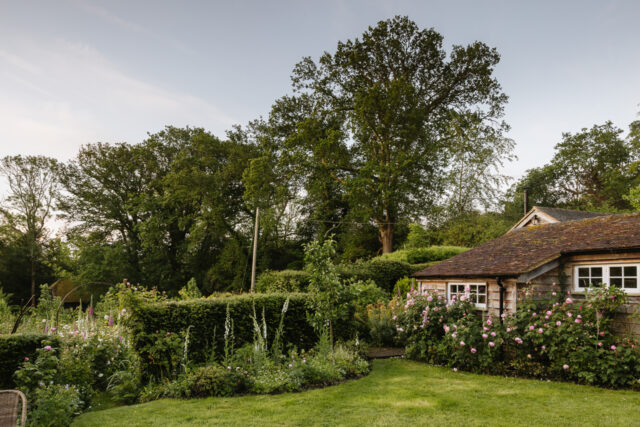
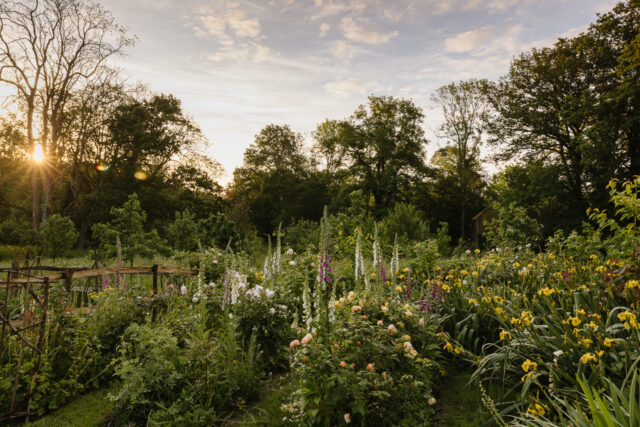
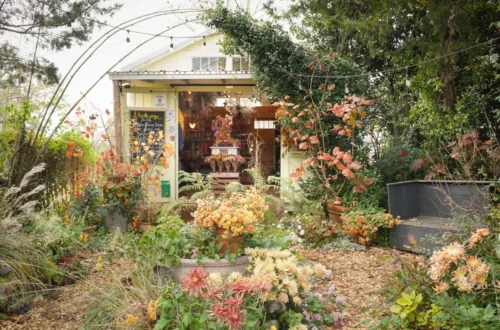
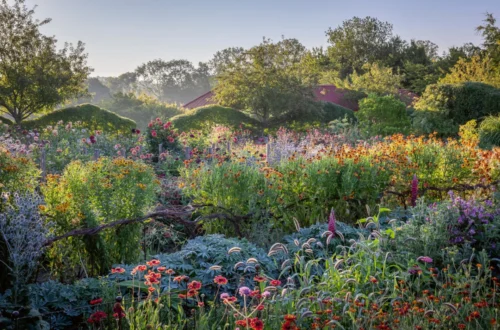
In the quiet, shifting rhythms of the natural world, few voices capture the delicate intersection of ecology, artistic floral design, and human emotion quite like Milli Proust. Operating from her creative base in West Sussex, England alongside business partner Paris Alma under the banner of their seed company and floral design studio, Alma | Proust, Proust has cultivated a reputation not just as a master grower, but as a deeply poetic writer.
Today marks a major milestone for gardening enthusiasts across the United States as Proust’s highly anticipated second book, How Does Your Garden Grow?, officially makes its U.S. debut. Designed to bridge the often intimidating gap between creative aspiration and practical execution, the volume arrives as a welcome antidote to the modern gardener’s most persistent dilemma: how to successfully plan, plant, and tend an outdoor space that is as ecologically resilient as it is breathtakingly beautiful.
Main Facts: A Blueprint for the Modern Gardener
The Author & Studio: Milli Proust is an acclaimed floral designer, author, and co-founder of the West Sussex seed company and floral design studio, Alma | Proust, alongside business partner Paris Alma.
The Publication: Her latest book, How Does Your Garden Grow?, is now officially available in the United States via major retailers including Amazon, Bookshop, and Barnes & Noble.
Core Focus of the Book: The text offers a process-based, highly practical approach to garden design, addressing foundational hurdles such as soil health, year-round seasonal interest, color theory, texture, and structured planting plans.
Global Recognition: Proust is also a recognized Guinness World Record holder for growing the world’s tallest teasel—a fun milestone that underscores her hands-on botanical expertise.
Current Endeavors: Proust recently transitioned away from the garden featured in her book to a completely blank, flood-prone canvas at a new home property, where she is currently designing water features, building a new growing space, and trialing over 150 varieties of sweet peas.
Chronology: From Instagram Penpals to Global Releases
The genesis of How Does Your Garden Grow? is a testament to organic community-building and slow, deliberate creative growth.
2021: While intensely occupied with writing her debut book, From Seed to Bloom, the core concept and title for her second book began to take shape in Proust’s mind.
Autumn 2022: Editor Harriet Butt and designer Gemma Hayden visited Proust’s garden in West Sussex to celebrate the three-month anniversary of From Seed to Bloom release. Surrounded by her burgeoning floral landscape—and with Proust’s infant son, Rex, just ten weeks old—the trio conceptualized the framework for How Does Your Garden Grow?
The Writing Process: Over the subsequent years, Proust drew inspiration from answering repetitive follower and customer inquiries regarding garden planning, soil maintenance, and structural aesthetics. The project crystallized when her sister began gardening for the first time, providing Proust with an authentic, beginner-friendly lens.
Recent Transitions: Following the completion of the manuscript, Proust said farewell to the beloved garden featured in the book, embarking on a new chapter at a wetter, sandier property in England. Despite daily rainfall and mud, she has spent the recent winter months carving out paths, establishing a pond, and launching extensive sweet pea trials.
Supporting Data and Horticultural Insights
Proust’s approach to gardening strips away the anxiety traditionally associated with landscape design. Rather than treating a garden as an immaculate, rigid display requiring constant policing, she champions a philosophy rooted in collaboration rather than strict control.
Key structural and ecological elements highlighted in her work include:
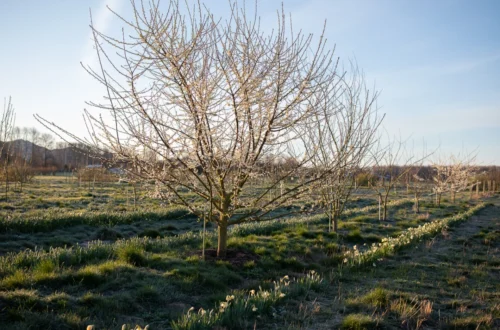
Low-Maintenance Biodiversity: Proust’s personal landscape philosophy values minimal intervention for maximum ecological return. Her mini orchard, for example, features five fruit trees (apple, pear, cherry, greengage, and plum) underplanted with bulbs that bloom in relay for eight months. By mowing the area just once a year (with winding paths cut through it), she creates a haven for pollinators, wildlife, and seasonal flora with drastically reduced annual maintenance.
Sweet Pea Obsession: Demonstrating an uncompromising dedication to botanical research, Proust and her business partner Paris Alma are currently trialing between 130 and 150 different varieties of sweet peas. Their goal is to evaluate color performance, fragrance profiles (ranging from zesty lime to watermelon notes), stem lengths, and seed-setting capabilities while advancing their three-year-old plant breeding program.
The "Windowsill Wednesday" Milestone: For over nine years, Proust has maintained her weekly Instagram series, "Windowsill Wednesday." Serving as a creative anchor amidst the demands of motherhood and business ownership, the project encourages quick, mindful floral arrangements that strip away perfectionism and prioritize tactile engagement with nature.
Official Perspectives: On Time, Legacy, and Letting Go
In interviews surrounding the launch of her book, Proust has spoken candidly about the emotional realities of moving homes and leaving behind deeply sentimental investments, such as a collection of 200 roses gifted by friends and family for birthdays and holidays.
"The hardest thing to leave behind was my collection of 200 roses… They all held sentimental stories and memories of my loved ones. I like to think of them still growing happily and bringing joy to their new custodians. That gives me enough peace to let it go."
Refining the modern perspective on time management within the garden, Proust advises practitioners to let go of the pressure to "conquer" or completely finish an outdoor space:
"If you can, release the idea that a garden must be kept up with, and refocus on the idea that gardening isn’t something to conquer or complete. It’s something grounding and nourishing that you can return to… Even 10 intentional minutes in the garden can change how you feel about it."
Furthermore, Proust emphasizes the generational importance of seed saving and horticultural knowledge sharing, describing seeds as "memory made tangible." She notes that passing down plant wisdom is an act of continuity that anchors individuals in an uncertain world.
Implications: A Shift Toward Accessible, Ecological Gardening
The release of How Does Your Garden Grow? arrives at a pivotal time for the global gardening community. As urban development increases and many individuals face time-paucity and eco-anxiety, Proust’s work provides a timely cultural shift away from manicured perfectionism and toward ecological stewardship.
By normalizing the learning curve, encouraging beginner questions, and advocating for microhabitats that blend stunning floral aesthetics with native biodiversity, Proust’s philosophy democratizes the green space. Her transition to a new property—starting entirely from scratch on a wet, clay-and-sand site—serves as a living laboratory for her readers. It demonstrates that starting over is not a failure, but an invitation to observe, listen, and collaborate more deeply with the land.
Ultimately, How Does Your Garden Grow? is poised to inspire a new generation of growers to pick up their tools, embrace the mud, and realize that a garden is not a performance, but a lifelong, evolving relationship.