By Michael Greger, M.D., FACLM
Published: August 6, 2026
Main Facts: Navigating the Landscape of Hair Restoration
For millions of individuals grappling with pattern baldness, the journey to finding an effective remedy often begins with a frantic internet search. Consumers are routinely bombarded by a digital marketplace overflowing with miracle cures, proprietary herbal extracts, and expensive topical oils. However, the scientific consensus remains stark: robust, peer-reviewed evidence for reversing or halting hair loss is almost exclusively limited to interventions officially approved by regulatory bodies like the U.S. Food and Drug Administration (FDA).
Currently, the undisputed frontrunners in medical hair loss management are finasteride—widely recognized under the brand name Propecia—and minoxidil, famously sold as Rogaine.
Despite the aggressive marketing campaigns surrounding patented over-the-counter hair-growth supplements, medical experts categorize the claim that these concoctions universally stimulate hair growth as a myth. Beyond their dubious efficacy, these commercial supplement regimens can impose a heavy financial burden, with annual costs frequently soaring past $1,000. In contrast, standard FDA-approved pharmacological treatments are generally more economical, typically ranging between $100 and $300 annually.
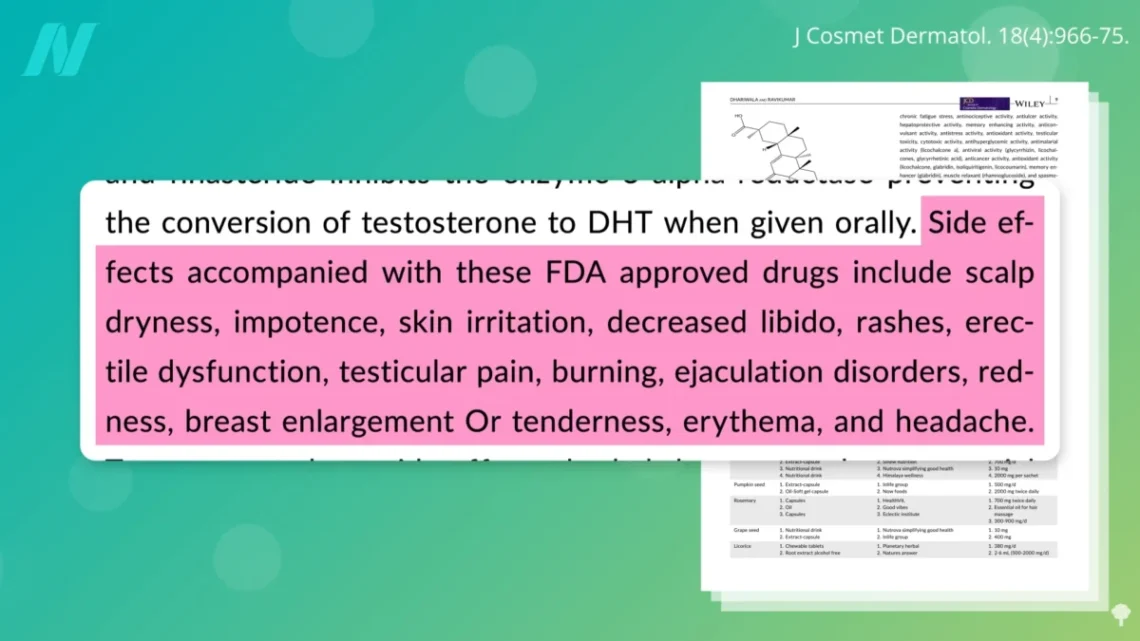
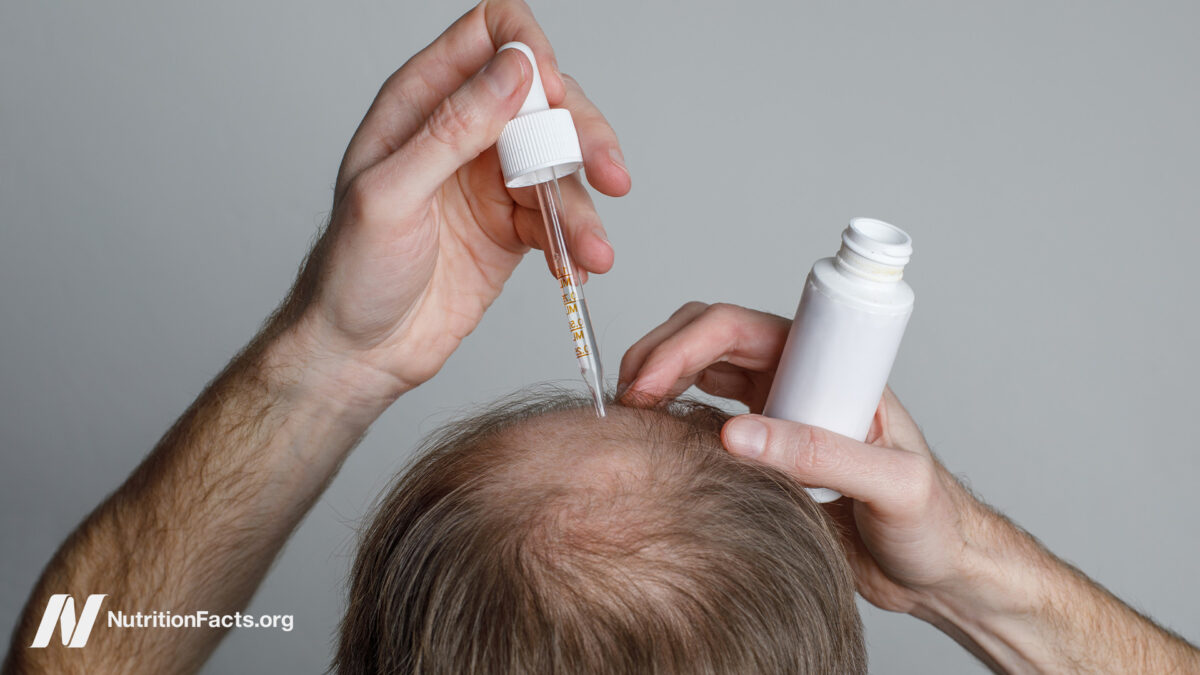
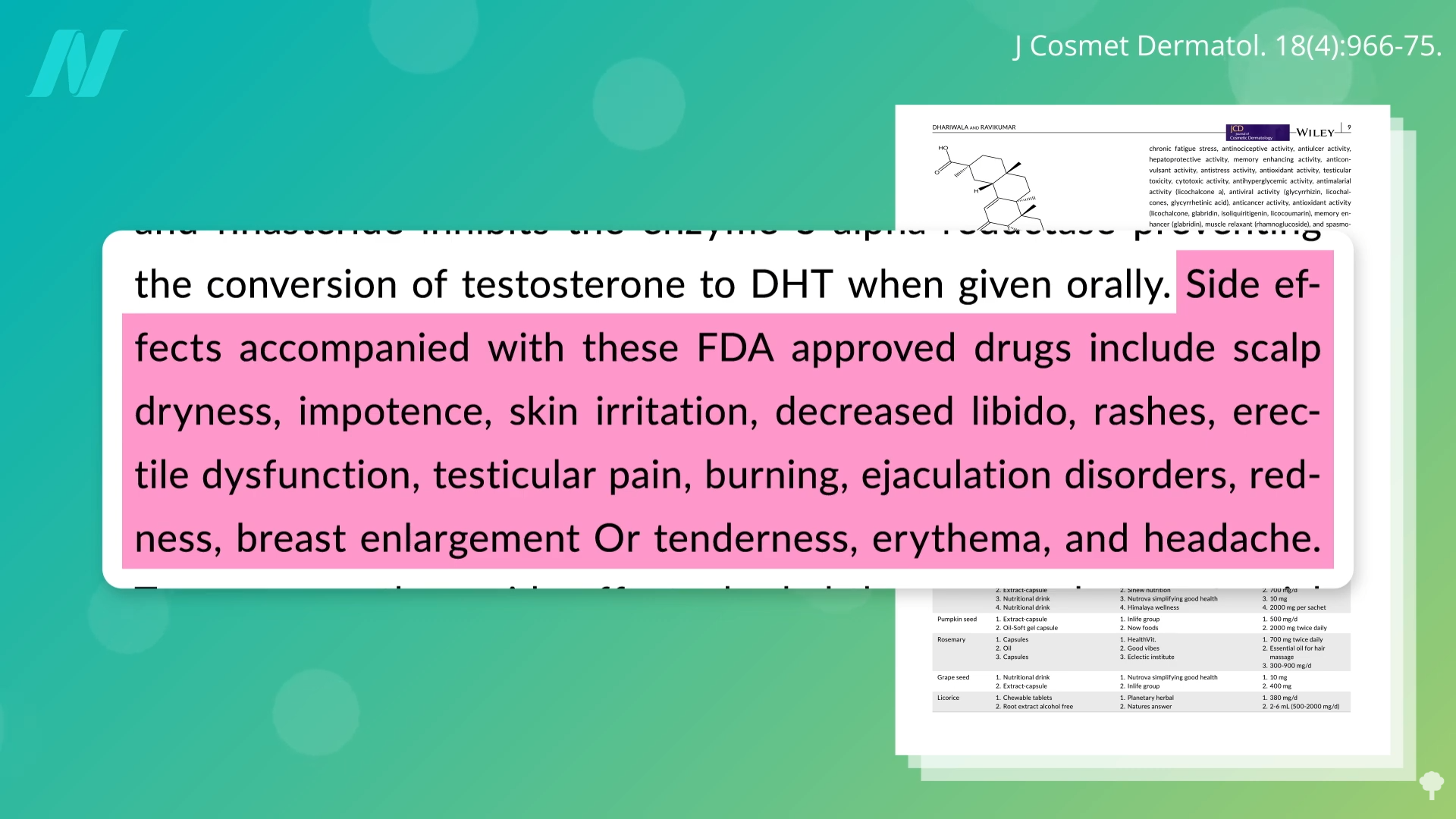
Yet, affordability does not equate to risk-free usage. While both drugs offer tangible benefits in slowing hair thinning or promoting regrowth, they are accompanied by distinct side effect profiles. Propecia, an oral medication, is frequently associated with diminished libido and systemic sexual dysfunction. Conversely, topical minoxidil, applied directly to the scalp, often triggers localized dermatological irritation, including persistent itching and contact dermatitis.
Chronology: From Dark Historical Origins to Modern Pharmacology
To fully comprehend the physiological impact of modern hair loss interventions, one must examine the fascinating and sometimes troubling timeline of endocrinological research and human history.
Early Discoveries and Dark Chapters
The fundamental understanding that androgens—male sex hormones—are the primary catalysts for pattern hair loss in both men and women is not a recent revelation. Half a century ago, historical medical literature documented a definitive link between the absence of androgens and the cessation of hair loss.
However, the acquisition of this foundational medical knowledge is historically intertwined with deeply unethical practices. Much of the early clinical insight into human castration and its systemic effects on hair retention, metabolism, and behavior stemmed from the dark era of eugenics laws in the United States during the early and mid-20th century. Under aggressive state and federal statutes, marginalized populations—frequently labeled as "mentally handicapped" or "feebleminded"—were subjected to forced sterilizations, castrations, and tubal ligations without their consent or knowledge.
The explicit policy goal of these programs was to "prohibit contribution to the gene pool." The United States pioneered these aggressive eugenic legal frameworks, which subsequently earned validation from the U.S. Supreme Court. The systemic nature of these human rights violations did not go unnoticed globally; notably, during the 1930s, prominent American eugenicists openly boasted that legislative models in the U.S. had provided a blueprint for foreign authoritarian regimes, with one proponent lamenting at the time, "The Germans are beating us at our own game."
The Evolution of Targeted Therapeutics
Decades after these grim milestones, medical science pivoted toward targeted biochemical intervention rather than drastic, systemic alterations. Researchers isolated testosterone as the primary circulating androgen in the human bloodstream. Scientists discovered that testosterone’s potency is significantly amplified when it is converted into dihydrotestosterone (DHT)—a considerably more powerful androgen—via a specific biological catalyst known as 5-alpha reductase.
By the late 20th century, pharmaceutical developers realized that inhibiting the 5-alpha reductase enzyme could effectively throttle the biochemical pathways responsible for shrinking hair follicles in genetically susceptible individuals. This breakthrough directly led to the development and FDA approval of finasteride, marking a major milestone in dermatological pharmacology.
Supporting Data: Biochemical Mechanisms and Persistent Risks
Understanding the mechanism of action of drugs like Propecia clarifies why their usage can trigger profound hormonal side effects, ranging from impotence and testicular pain to breast enlargement (gynecomastia) in men.
The Enzyme Blockade and Hormonal Cascades
Propecia operates by blocking the 5-alpha reductase enzyme, thereby halting the conversion of testosterone into DHT. By starving the hair follicles of this hyper-potent androgen, the progression of pattern baldness is often arrested or reversed.
However, because this enzymatic pathway is systemic, altering it carries unintended biological consequences. This is precisely why women of childbearing potential are strictly advised against handling or consuming finasteride; even minimal exposure can cause severe developmental abnormalities, specifically the feminization of male fetuses.
For male patients, the disruption of normal endocrine signaling manifests in troubling sexual side effects. Clinical data reveals that erectile dysfunction and diminished libido are recognized risks. More alarmingly, these complications do not always resolve upon cessation of the medication.
The Spectre of Permanent Dysfunction
For over a decade, pharmaceutical manufacturers have been legally mandated to disclose a stark warning on product labeling: patients may experience a "difficulty in achieving an erection that continues after stopping the medication."
Modern clinical studies suggest this risk may be far more pervasive than initially understood. Up to 20 percent of study participants in specific post-marketing evaluations have reported experiencing "persistent sexual dysfunction" lasting for six years or more after discontinuing the drug entirely. This high prevalence strongly points toward the possibility of permanent neurological or endocrinological damage.
Researchers hypothesize that finasteride may induce structural or functional changes within the specific regions of the human brain responsible for regulating sexual behavior and neuroendocrine response. While routine blood panels measuring circulating hormone levels in these affected individuals frequently appear normal, advanced clinical investigations tell a different story. Analysis of cerebrospinal fluid—obtained via specialized spinal taps—reveals that neurosteroid concentrations within the central nervous system are significantly altered in patients suffering from long-term, post-finasteride syndrome.
Official Responses and Medical Recommendations
In light of accumulating clinical data regarding long-term, irreversible adverse effects, medical regulatory bodies and clinical specialists have intensified their scrutiny over how these medications are prescribed.
Prominent dermatologists and clinical pharmacologists emphasize the critical need for comprehensive patient counseling. Because finasteride was originally developed to treat benign prostatic hyperplasia (enlarged prostates) at much higher doses before being adapted into lower-dose formulations for cosmetic hair restoration, the risk-benefit analysis shifts dramatically.
Medical consensus increasingly dictates that prescribing physicians must carefully weigh the psychological distress of hair loss against the physical and neurological hazards of the treatment. Authoritative clinical reviews strongly recommend that "prescribers of finasteride, as well as potential users, be aware of the potential serious long-term risks of a medication used for a cosmetic purpose." Patients must be fully informed that a treatment pursued strictly for cosmetic enhancement carries the documented potential to inflict chronic, life-altering sexual and neurological side effects.
Implications: The Quest for Safer Alternatives
To date, medical science has failed to introduce breakthrough interventions that can be routinely, safely, and universally deployed to treat male and female pattern baldness without significant drawbacks. The limitations and hazards associated with current pharmacological mainstays highlight a glaring deficiency in modern dermatology.
As clinical experts frequently note, "there is a need for alternative treatments" that can effectively combat hair miniaturization without plunging patients into hormonal turmoil or exposing them to the risk of permanent neurological side effects.
This pressing clinical gap forces researchers and patients alike to look beyond synthetic pills and topical chemicals. The vital question remains: Can targeted dietary modifications and nutritional science play a functional role in halting hair loss? Exploring the intersection of diet, systemic inflammation, and follicular health represents the logical next frontier in the ongoing quest for safe, sustainable hair restoration.