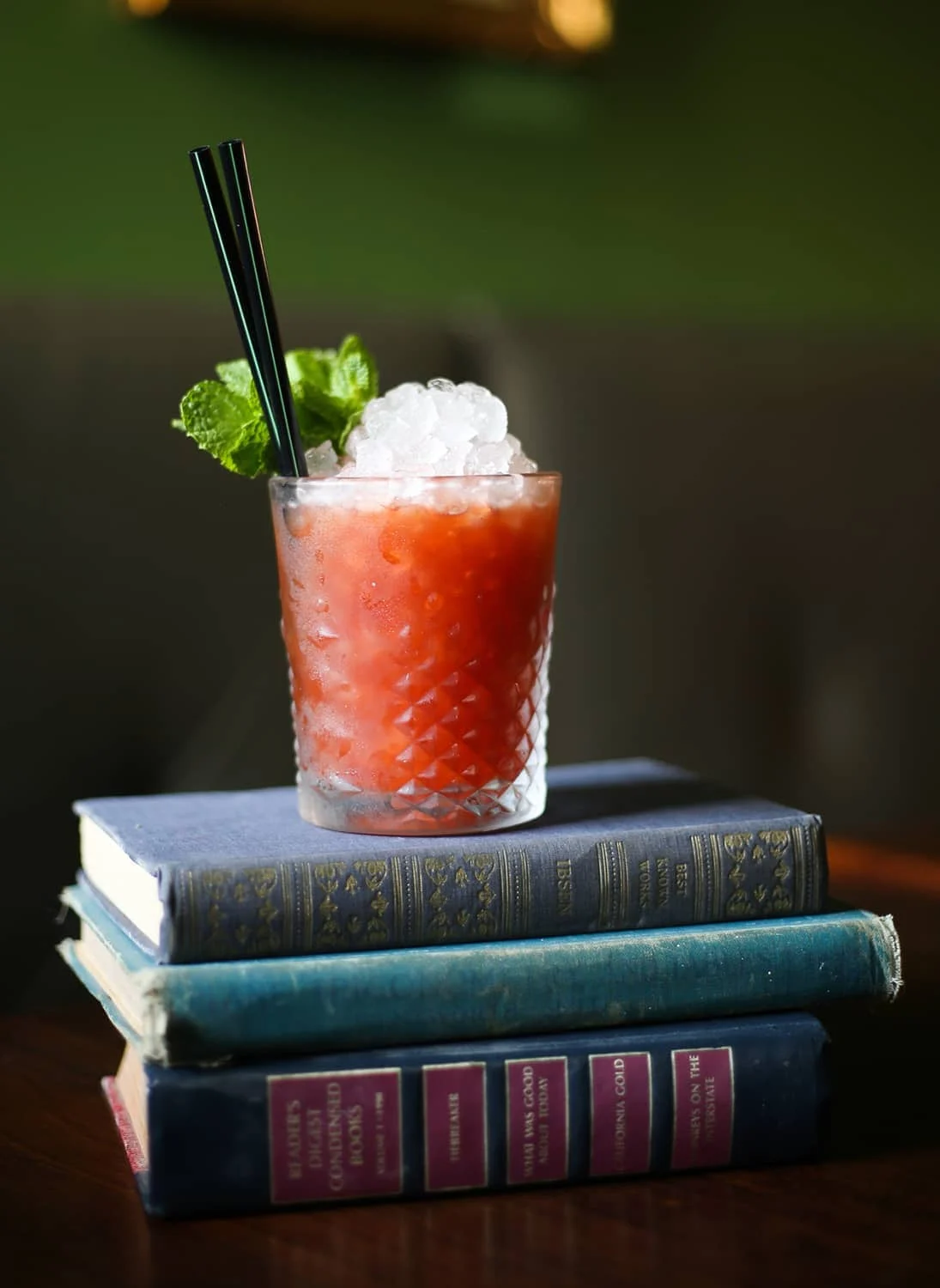
It takes a specific breed of professional to willingly descend upon New Orleans during the sweltering, humid peak of July. Yet, for over two decades—save for a brief, pandemic-induced hiatus—the city has transformed into the epicenter of the global spirits industry. Tales of the Cocktail, an annual pilgrimage for bartenders, distillers, journalists, and hospitality titans, serves as both a high-stakes networking summit and a grueling marathon of mixology.
Having navigated nineteen iterations of this event, I have learned that survival—and enjoyment—in NOLA depends less on your schedule of seminars and more on your sanctuary of choice. Beyond the trade shows and the gala events, the true heartbeat of the city is found in its bars. These are the institutions that keep the industry afloat, providing refuge from the July sun and the relentless pace of the festival.
The Chronology of a NOLA Institution
Tales of the Cocktail began in 2002 as a humble walking tour of historic New Orleans cocktail bars led by Ann Tuennerman. What started as a local history lesson quickly metastasized into the world’s most influential cocktail festival. By the mid-2000s, the event had moved beyond mere education, becoming the primary launchpad for new spirits, the theater for the Spirited Awards, and the de facto annual board meeting for the world’s leading mixologists.
For the veteran attendee, the rhythm of the week is sacred. It begins with the overwhelming energy of the French Quarter, shifts into the refined, air-conditioned sanctuaries of modern craft bars, and inevitably concludes in the quiet, historic courtyards where the city’s deep-rooted drinking culture first took hold.
Supporting Data: Why New Orleans Remains the Standard
New Orleans is not merely a party town; it is a living museum of American cocktail culture. While cities like London, New York, and Tokyo have certainly pushed the boundaries of liquid innovation, NOLA’s influence remains foundational. According to industry trend reports, the city maintains the highest concentration of "historic cocktail institutions" in the United States, providing a necessary baseline for modern practitioners.
The economic impact of Tales of the Cocktail is equally profound. During the peak of the festival, hotel occupancy rates in the French Quarter and Central Business District hover near capacity, and the influx of thousands of hospitality professionals generates millions in revenue for local establishments.
Curated Sanctuaries: Where the Industry Retreats
During the chaos of the festival, finding a place to sit, breathe, and appreciate a well-made drink is a tactical necessity. These bars represent the best of the city’s past and its vibrant, modern future.
Bacchanal: A Necessary Departure
While Tales of the Cocktail is undeniably about the drink, New Orleans is also a world-class wine city. Bacchanal, located in the Bywater, offers a vital respite from the cocktail-saturated atmosphere. It is a wine shop masquerading as a backyard party. The strategy is simple: select a chilled bottle from the shop, grab a glass, and secure a spot in the outdoor courtyard. With live music often permeating the air and a food menu that perfectly complements the wine list, it serves as the perfect "palate cleanser" during a week of high-proof exuberance.
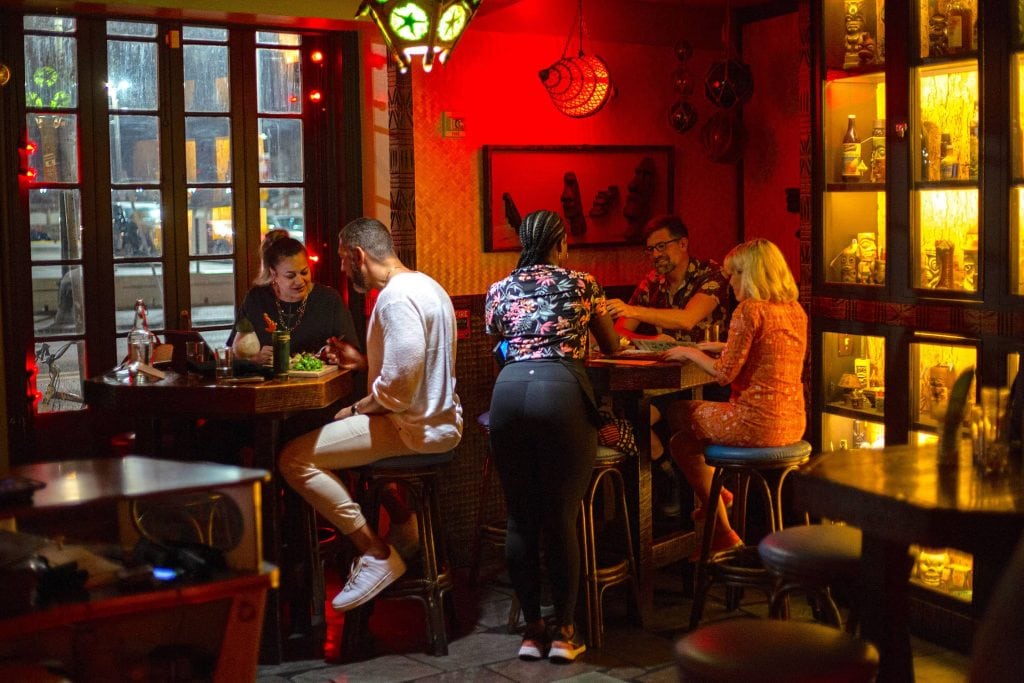
Beachbum Berry’s Latitude 29: The Tiki Gold Standard
My history with Jeff "Beachbum" Berry dates back to 2006, when a chance meeting at the Carousel Bar introduced me to the man whose research rescued Tiki culture from the brink of obscurity. Today, Latitude 29 is a non-negotiable stop. The atmosphere is immersive, and the drinks are technically precise. The "Outcast of the Islands"—a complex composition of gin, lime, cinnamon, ginger, orgeat, and anise—is a masterclass in flavor balance that showcases why the Bum remains a global titan of the craft.
Cure: The Modernist Catalyst
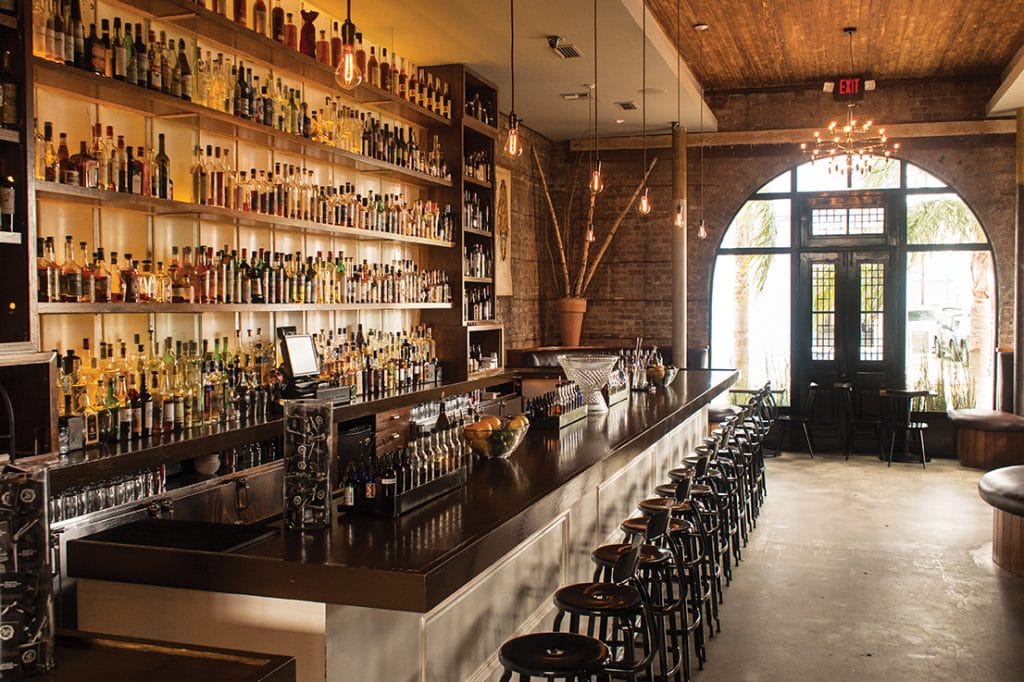
When Cure opened in 2009, it didn’t just open a bar; it ignited an evolution. It bridged the gap between the historic, Sazerac-soaked traditions of the French Quarter and the modern, ingredient-driven craft movement. Over the last decade, it has matured into a global institution. Whether you opt for a contemporary creation like the "Missed Opportunity"—a daring blend of sake, strawberries, balsamic vinegar, and Champagne—or a perfectly executed classic like a Single Barrel Old Pal, Cure remains the benchmark for modern service.
Dovetail Bar: The Art of Craft
Design and detail converge at Dovetail Bar on Rampart Street. The space is a tribute to woodworking, a theme that seamlessly extends to their cocktail program. Drinks like the "Mahogany Dash," which utilizes pretzel-infused rye, suggest a bar that takes its theme seriously without losing its sense of fun. It is a quiet, sophisticated corner of the city that rewards the inquisitive drinker.
Jewel of the South: The Bartender’s Bartender
Chris Hannah is a name synonymous with New Orleans excellence. At Jewel of the South, he and his team have created a culinary-forward space that treats cocktails with the same reverence as fine dining. A Brandy Crusta here is non-negotiable, though the menu’s more experimental offerings—such as the chili mango Colada or the rose-forward Pomona Negroni—prove that even the most classic-leaning establishments are capable of profound innovation.
Loa: The Hotel Bar Reimagined
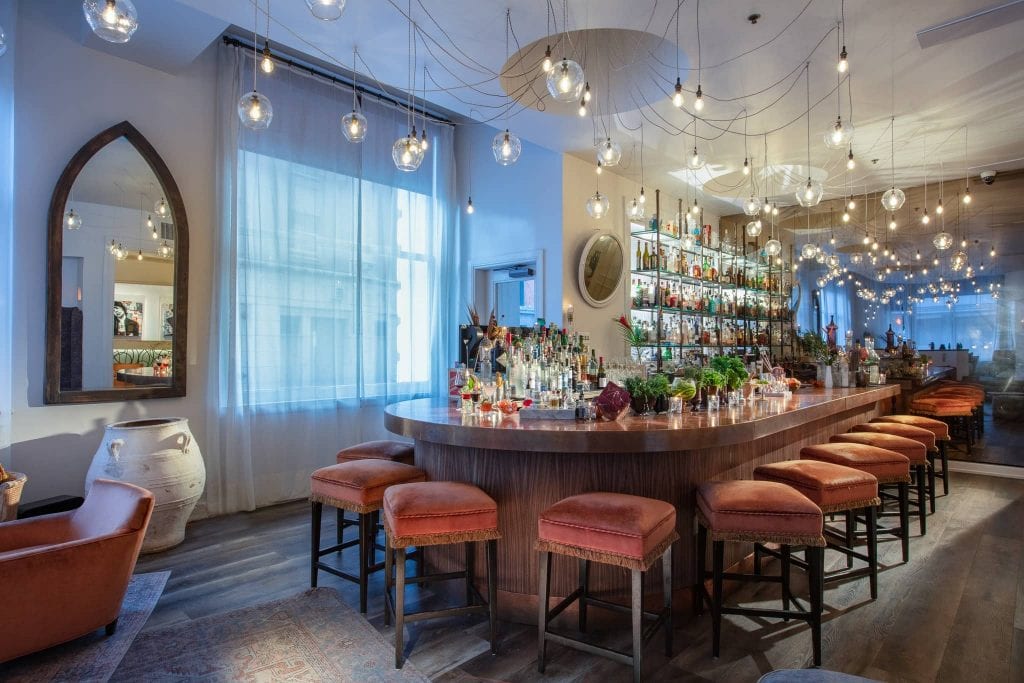
The International House Hotel’s Loa bar underwent a dramatic transformation in 2022 when Abigail Gullo took the helm. A veteran of the industry with a pedigree spanning from Brooklyn to Seattle, Gullo has turned Loa into one of the most exciting rooms in the city. Her ability to balance the demands of a high-traffic hotel bar with the creative flair of a boutique cocktail destination makes Loa a vital, bustling hub during the week of Tales.
Manolito: The Havana Connection
For those seeking the frozen relief of a Daiquiri, Manolito on Dumaine Street is the only destination that matters. Inspired by the legendary El Floridita in Havana, the bartenders here treat the blender with as much respect as a mixing glass. Their Daiquiri Menta is a perfect antidote to the humidity, while the double-blended Banana Daiquiri remains the gold standard for anyone who still thinks they don’t like frozen drinks.
Molly’s at the Market: The FIC Tradition
There is a ritual to be observed in New Orleans: the Frozen Irish Coffee. While Erin Rose often captures the spotlight, Molly’s at the Market offers a more approachable experience during the height of the tourist crush. It is a classic day-drinking institution on Decatur Street that provides a much-needed blast of air conditioning and a consistent, high-quality FIC. It is the perfect place to sit, hydrate, and prepare for the next round of industry networking.
Napoleon House: A Historic Constant
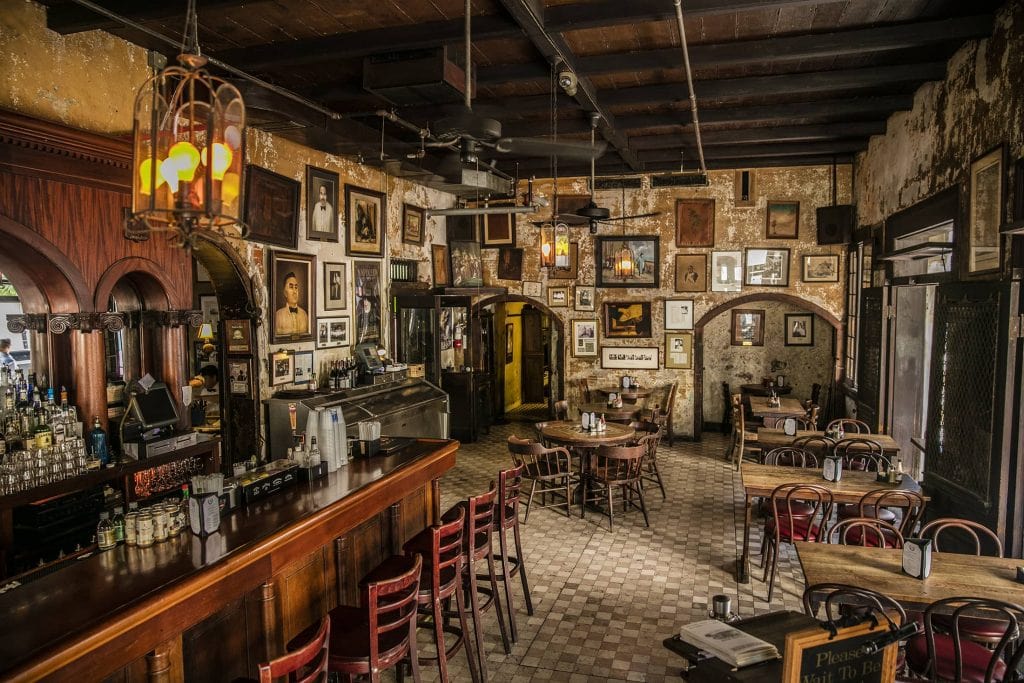
To visit New Orleans and skip the Napoleon House is to ignore the very foundations of the city’s drinking culture. The building’s weathered charm and centuries of history provide a backdrop that no modern, polished bar could ever replicate. Here, one does not look for innovation; one looks for permanence. A muffuletta and a Pimm’s Cup are the orders of the day, allowing for a moment of reflection in a space where time feels remarkably still.
Peychaud’s: Honoring the Roots
The name Peychaud is synonymous with the Sazerac, and the bar bearing that name honors its namesake with incredible fidelity. Housed in the former residence of Antoine Amédée Peychaud, the bar utilizes its historic courtyard to create an atmosphere of quiet, dignified consumption. It is the ideal place to enjoy a Cocktail à la Louisiane or an Ojen Frappe away from the roar of the crowds.
Implications for the Future of Hospitality
The continued success of Tales of the Cocktail, and the enduring nature of these specific bars, speaks to a broader truth about the industry: innovation is nothing without context. As the cocktail world moves toward increasingly complex ingredients and high-tech equipment, the institutions of New Orleans serve as a vital reminder that the core of our profession is, and will always be, hospitality.
As the industry prepares for another year of intense learning and networking, it is worth remembering that the most important lessons aren’t always found in a seminar room. They are found on a barstool at the Napoleon House, in the courtyard at Peychaud’s, or in a quiet, air-conditioned corner at Cure. New Orleans remains the spiritual home of the American drink, and as long as these institutions stand, the craft will be in good hands.