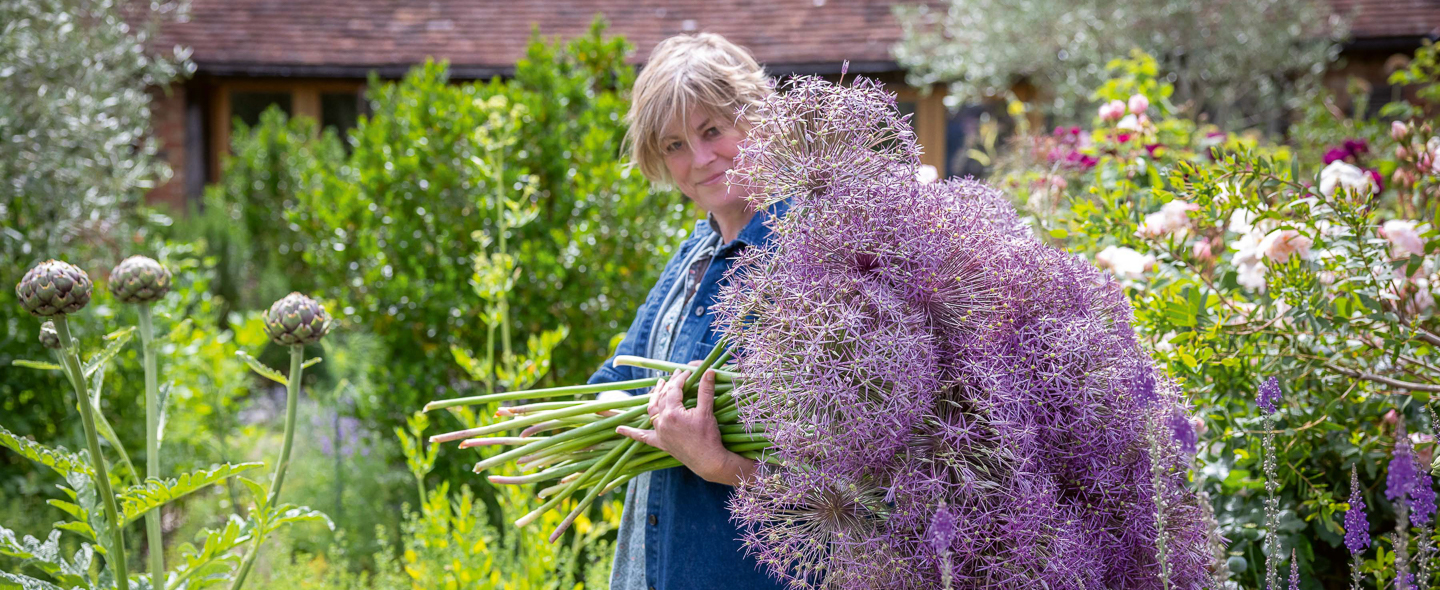
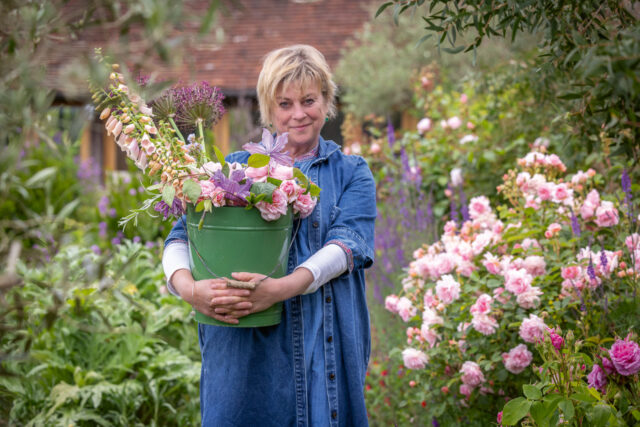
More than two decades ago, a burgeoning flower farmer picked up a dog-eared library copy of Grow Your Own Cut Flowers. That single volume served as a catalyst, forever altering the trajectory of backyard horticulture and inspiring an entire generation of growers. The author of that transformative work, Sarah Raven, stands today as one of the earliest and most influential pioneers of the modern local flower movement.
With the official U.S. release of her 14th book, A Year of Cut Flowers: A Life of Growing and Arranging for All Seasons, Raven distills more than three decades of hands-on teaching, gardening, and trial work into a single, comprehensive volume. Published to widespread acclaim, the book is designed to serve as both an accessible, down-to-earth manual for total beginners and an insightful masterclass for seasoned cultivators.
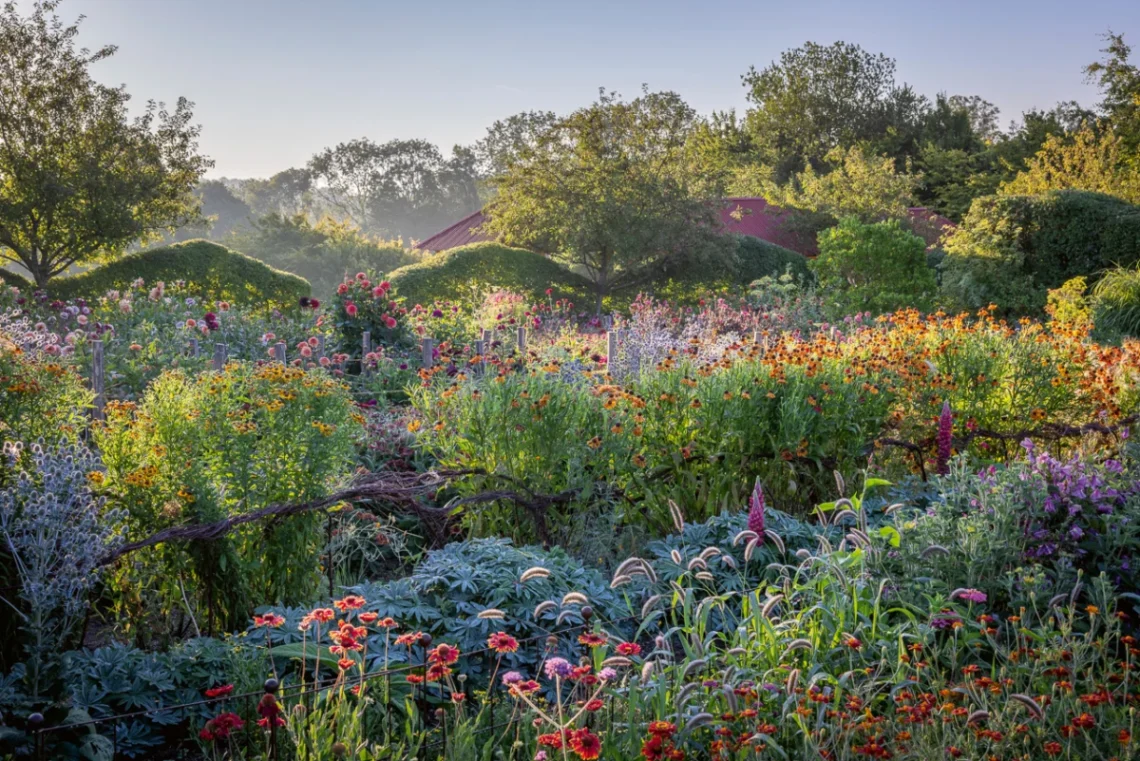
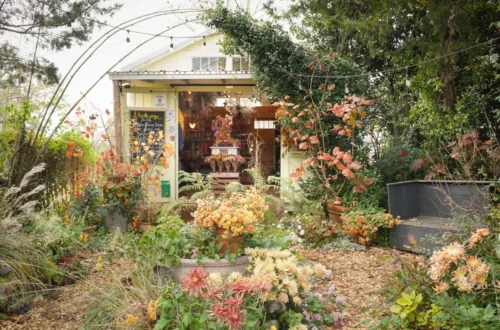
The publication arrives alongside a momentous period in Raven’s personal and professional life. Operating out of her renowned East Sussex estate, Perch Hill, Raven continues to redefine the boundaries of organic horticulture, color theory, and ecological garden design. This latest literary offering is not merely a technical manual on seed-starting and space management; it is a passionate call-to-action urging readers to embrace the life-enhancing wonders of productive gardening.
Chronology of a Horticultural Legacy
To fully understand the weight of A Year of Cut Flowers, one must trace the timeline of Raven’s enduring influence on the global floral landscape.
The Late 1990s to Early 2000s: Raven establishes her experimental cutting garden at Perch Hill Farm in East Sussex, England. Her foundational publications, including Grow Your Own Cut Flowers, challenge the notion that commercial floristry must rely on heavily imported, chemical-laden blooms.
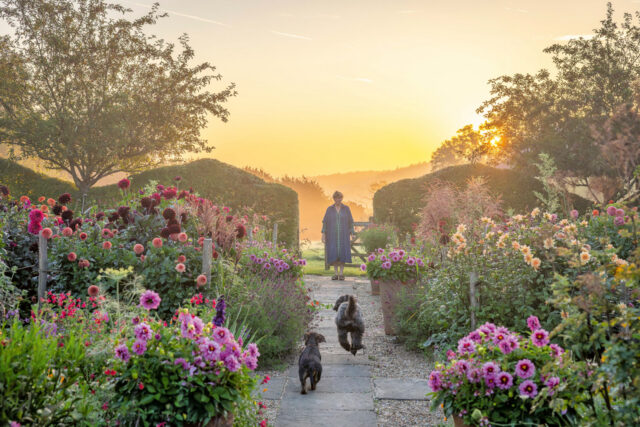
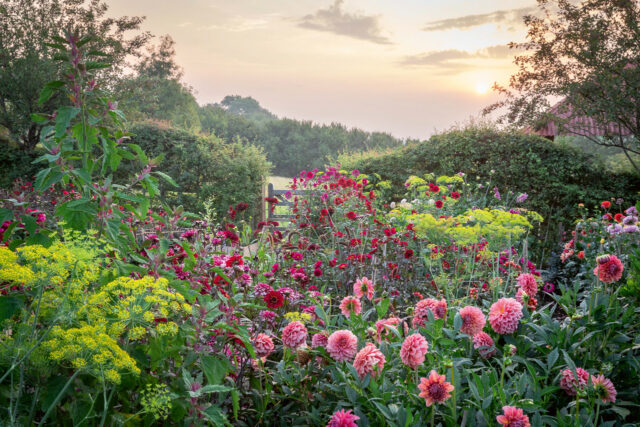
The 30-Year Collaboration: Across three decades, Raven partners continuously with celebrated architectural and garden photographer Jonathan Buckley. Together, they capture more than 60,000 images, meticulously chronicling the evolution of Perch Hill’s sweeping landscapes, vibrant dahlia beds, and seasonal arrangements.
Recent Years: Raven expands her educational reach, managing an extensive online plant nursery, hosting international workshops, and refining her proprietary breeding and trialing programs.
The Present Day: Raven releases A Year of Cut Flowers in the United States. At age 63, having recently welcomed her first grandchild and navigated a period of profound personal reflection, she uses this milestone to shift toward a more balanced, mentorship-driven phase of her career—passing down decades of accumulated wisdom to her team and a new wave of younger gardeners.
Supporting Data and Horticultural Insights
A Year of Cut Flowers is built upon rigorous, field-tested methodologies developed across Raven’s 30-year tenure at Perch Hill. The book breaks down complex horticultural concepts into actionable data points for growers at any scale:
The Power of "Cut-and-Come-Again": The manual places heavy emphasis on plants that respond well to strategic harvesting. By cutting at precise points along a plant’s growth curve, gardeners stimulate axillary buds, prompting rapid re-flowering within days and maximizing yields from limited square footage.
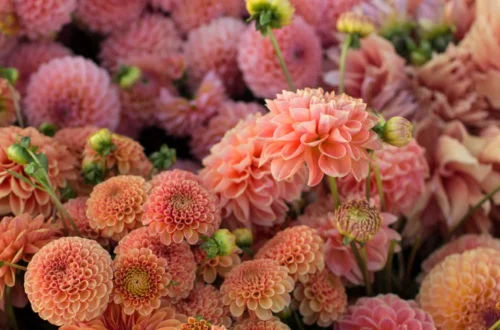
Rigorous Dahlia Selection Criteria: During annual multi-day sourcing trips to the Netherlands alongside her head gardener Josie Lewis and horticultural team, Raven evaluates thousands of dahlia cultivars against four strict performance metrics:
Aesthetic Drama: Exceptional beauty, unusual colorations, and graceful petal curvatures (with varieties like ‘Labyrinth’ serving as a benchmark).
Vase Longevity: Breeding away from traditional dahlias with a fleeting 4-day lifespan toward resilient cultivars boasting a vase life of 7 days or more (such as their newly introduced ‘Sissinghurst’).
Ideal Growth Habit: Maintaining a height range between 45cm and 90cm to ensure plants are compact enough for container gardening without appearing overly dense or stumpy.
Pollinator Support: Prioritizing open-centered single and semi-double blooms that feed essential insects and attract seed-eating birds.
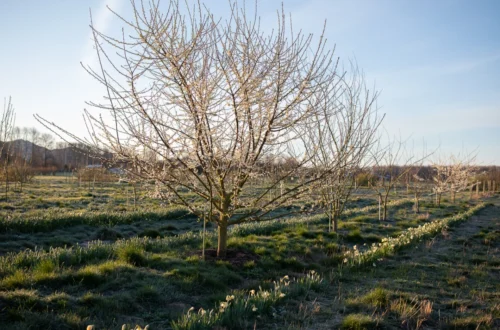
Ecological Pest Management: Perch Hill operates under strict organic principles. By consciously cultivating plants that sustain small bird populations year-round—such as specific crabapple varieties and late-fruiting roses—the estate relies on natural predators to suppress mid-spring slug and snail populations, bypassing the need for chemical intervention.
Official Responses and Direct Perspectives
In an exclusive interview discussing the philosophy behind her new book, Raven offered profound insights into her writing process, her collaborative relationship with Buckley, and her vision for the future of gardening culture.
On the Personal Nature of the Book:
"It’s more personal—and a kind of call-to-gardening. Gardening has been one of the best and strongest strands in my life, bringing me so much contentment and fulfillment, so I want to convince non-gardeners/beginners that it is one of the easiest and most immediate life enhancers you can find… I hope there’s stuff that’s interesting to seasoned gardeners too, but my aim is to attract a new bunch of people to the greatness that is growing and producing."
On Her Rigorous Writing Routine:
"I’ve written 14 books now (I think) and love writing, probably almost more than anything apart from putting together our collections and doing plant and color combining. I write in the winter—when the garden is quiet—as well as in the early mornings between 5:30 a.m. and 8-ish through the rest of the year."
On Working with Photographer Jonathan Buckley:
"Jonathan has become a very dear friend. We understand each other perfectly and know how each other works. From mid-March to mid-September, Jonathan is here maybe 2 or 3 days every 3 weeks… We meet down in the kitchen at 5:30-ish for coffee and a recap on the images from the day before—and then we’re off again."
On Ecological Harmony and Bird Populations:
"We had all noticed how much easier gardening was since the gradual return of active nature here over the last 32 years. We are organic… The dawn chorus here is soooo loud in April—that’s deeply and utterly confirming that we’re doing something right. And the birds eat the slugs and snails just when we want them to in mid-spring."
On Evolving Demographics and Work-Life Balance:
"I think, interestingly, my group’s age has gotten younger in the last few years—which is so encouraging. Maybe since Covid, more and more people have realized gardening is one of the best possible things to do in one’s free time… I don’t think I’ll ever retire entirely (I feel my brain would starve without the inspiration), but I’m hugely enjoying teaching colleagues all I know and being able to sit back and not rush around quite so much… I’m now a grandmother—and that’s the most amazing thing which I truly love."
Implications for the Global Flower Industry
The release of A Year of Cut Flowers and the enduring legacy of Perch Hill carry significant implications for the contemporary horticultural landscape:
The Democratization of Flower Farming: By focusing heavily on container gardening, window ledges, and small backyard plots, Raven dismantles the misconception that large-scale land ownership is a prerequisite for meaningful cut-flower production. This philosophy encourages urban and suburban dwellers to reclaim agency over their local food and floral ecosystems.
A Push Away From Chemical Dependency: Raven remains an outspoken critic of garden center shelves stocked with unnecessary pesticides and synthetic weed killers. Her decades-long demonstration at Perch Hill proves that fostering a vibrant, biodiverse ecosystem—complete with robust insect and bird populations—provides a self-sustaining defense against garden pests superior to chemical remedies.
The Evolution of Sustainable Floriculture: As consumers increasingly demand eco-friendly alternatives to imported, carbon-heavy commercial blooms, books like A Year of Cut Flowers provide the practical, localized blueprints necessary to sustain the slow-flower movement. By emphasizing resilient breeding, pollinator-friendly varieties, and seasonal color palettes, Raven continues to shape an industry that prioritizes ecological health alongside aesthetic beauty.