Introduction: The New Calculus of Daily Habits
In the modern landscape of public health, dietary advice is frequently served with a side of confusion. Headlines pendulum swing between draconian dietary restrictions and permissive studies suggesting that your favorite indulgences carry little to no long-term consequence. Yet, beneath the noise of shifting nutritional guidelines lies a stark reality: what we put on our plates every single day profoundly dictates how long—and how well—we will live.
Consider a familiar scenario: for many health-conscious individuals, the idea of lighting up a cigarette before or after lunch is utterly unthinkable. The societal consensus on smoking is absolute, backed by decades of undeniable data linking tobacco use to premature death, heart disease, and cancer. But what if we applied that same rigorous standard to our lunch choices? What if opting for a heavy, meat-laden burrito instead of a fiber-rich, plant-based alternative carried a comparable, quantifiable cost to our long-term vitality?
According to an expanding body of global research, that comparison is not as hyperbolic as it might initially seem. By examining chronic lifestyle risks through innovative epidemiological metrics—such as the "microlife"—public health experts are beginning to quantify the true toll of processed and red meats. As we unpack the data behind longevity, diet, and lifestyle, the question shifts from a vague wellness goal to a precise mathematical equation: How much of our future are we willing to trade for today’s meal?
Main Facts: The Heavy Toll of Processed and Red Meats
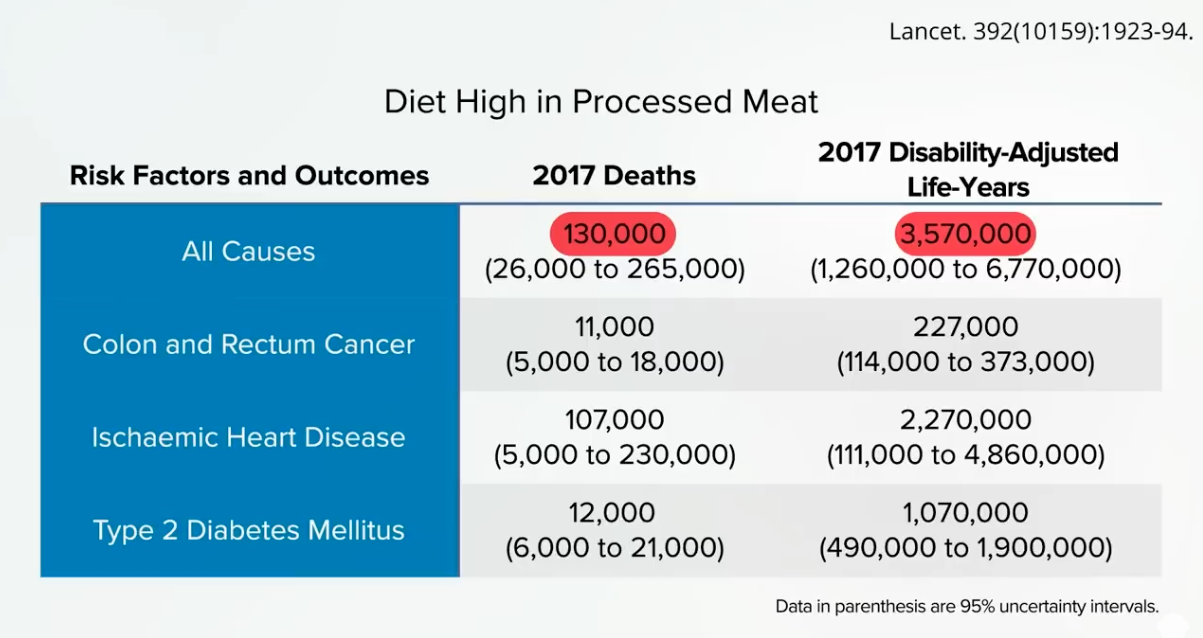
To understand the gravity of our dietary choices, we must first look at the macro-level data. The Global Burden of Disease Study—a comprehensive, international epidemiological effort tracking health outcomes across 195 countries and territories—reveals a sobering statistic: diets high in processed meats may contribute to more than 100,000 deaths every year.
These fatalities are not isolated anomalies; they are primarily driven by cardiovascular disease, followed closely by cancers (most notably colorectal cancer) and type 2 diabetes. Furthermore, this mortality rate translates into millions of healthy years of life lost globally.
When researchers refer to processed meats, they are pointing to a familiar grocery list:
- Bacon
- Ham
- Hot dogs
- Deli lunch meats
- Sausage
The danger, moreover, does not require excessive overindulgence. Research from the Union of Concerned Scientists highlights that if the American population could collectively reduce its processed meat intake to a mere ounce per week, thousands of cancer deaths could be averted annually.
Yet, population-level statistics can feel abstract. To bridge the gap between global data and individual choices, researchers have turned to a fascinating conceptual tool designed to make chronic lifestyle risks tangible: the microlife.
Chronology and Context: Unraveling the Meat Debate and the "Microlife" Metric
The debate over red and processed meat reached a fever pitch following the publication of the controversial NutriRECS meat papers in the Annals of Internal Medicine. These papers, which suggested that individuals need not reduce their red and processed meat consumption for health reasons, sparked immediate pushback from the broader scientific community.
Critics pointed out major methodological flaws and apparent misinterpretations of nutritional evidence within the NutriRECS panels. Re-analyses of the underlying data demonstrated a clear association: reductions in red and processed meat consumption are consistently linked to a roughly 13% lower risk of premature death.
To help the public grasp what a "13% difference in mortality risk" actually means in practical terms, biostatisticians and health communicators introduced the concept of the microlife.
Understanding Micromorts vs. Microlives
To properly contextualize risk, scientists differentiate between acute and chronic hazards:
- Micromorts: A unit measuring acute risks—such as skydiving or riding a motorbike—defined as a one-in-a-million chance of sudden death.
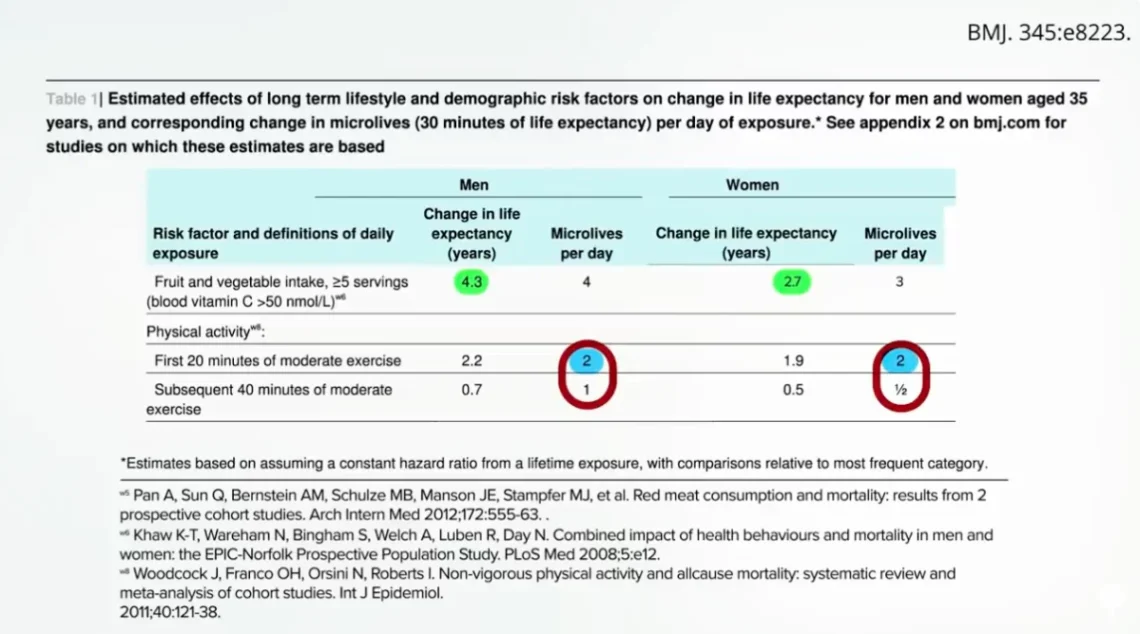
- Microlives: A unit measuring chronic lifestyle risks—such as smoking, drinking, eating poorly, or remaining sedentary—defined as 30 minutes of your life expectancy.
The Math Behind a Microlife
The logic of the microlife is rooted in actuarial mathematics. Consider a young adult in their twenties—say, a 22-year-old man or a 26-year-old woman. On average, they have roughly 57 years of life remaining.
- 57 years equates to approximately 20,000 days.
- That translates to 500,000 hours, or one million half-hours.
Therefore, a "microlife" represents the loss of a single half-hour out of the million remaining half-hours in a young adult’s expected lifespan. By breaking chronic habits down into these 30-minute increments, researchers can directly compare the hidden costs of vastly different lifestyle behaviors.
Supporting Data: Comparing Daily Habits Through the Lens of Microlives
When we apply the microlife metric to everyday choices, the results provide a startling perspective on how our daily routines compound over time.
Consider the following equivalents in life-expectancy cost:
- Alcohol vs. Smoking: Drinking a pint of strong beer shortens life expectancy by roughly the same amount as smoking a single cigarette.
- Obesity: Carrying 11 excess pounds of weight carries a chronic health cost equivalent to smoking two cigarettes a day. If having "so little respect for your health" that you would light up twice a day is unthinkable, health experts argue that carrying chronic excess weight should be viewed through the exact same lens.
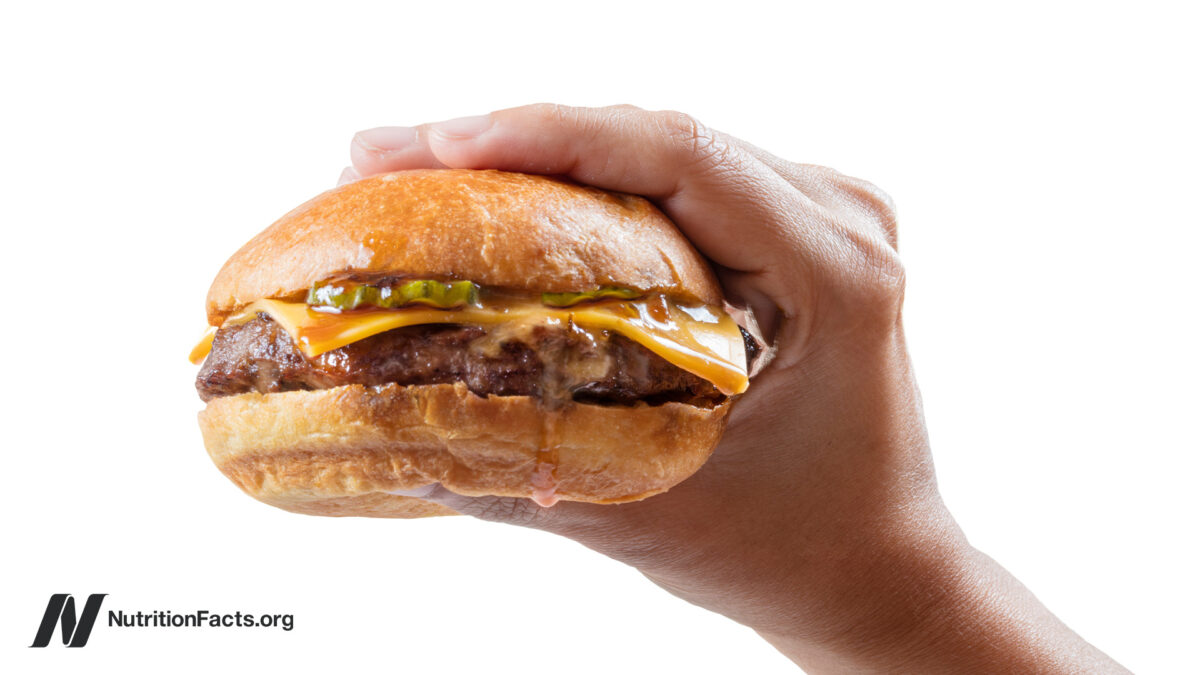
- The Cost of a Burger: Each standard beef burger consumed is associated with the loss of one microlife—effectively shaving 30 minutes off your expected lifespan. In direct equivalence, one burger costs you roughly as much life as smoking two cigarettes.
The Positive Ledger: Life-Extending Behaviors
Fortunately, the microlife framework works in reverse, highlighting powerful, life-extending behaviors that offer an extraordinary return on investment (ROI):
- Plant-Rich Diets: Eating at least five servings of fruits and vegetables daily adds an average of four years to a man’s lifespan and three years to a woman’s. This dietary habit alone can be up to twice as beneficial as daily exercise.
- The Exercise ROI: For those who claim they "don’t have time to exercise," the data offers a compelling counter-narrative. Exercising for just 20 minutes yields an extra hour of life—a remarkable 3-to-1 return on investment (giving up 20 minutes to gain 60 minutes). While returns experience diminishing marginal utility beyond a certain point, devoting an hour a day to physical activity nets a substantial surplus of healthy years.
Official Responses and Scientific Consensus
The publication of permissive dietary guidelines and industry-influenced review papers has repeatedly drawn sharp rebukes from premier academic institutions.
Following the release of the aforementioned Annals of Internal Medicine papers, the chair of nutrition at Harvard T.H. Chan School of Public Health, alongside leading colleagues, published scathing critiques. They emphasized that the controversial meat recommendations suffered from severe methodological limitations and fundamental misinterpretations of the existing body of nutritional science.
The unified stance of independent public health authorities remains clear: to safeguard both human longevity and planetary health, official dietary guidelines must continue to champion eating patterns that are:
- Low in red and processed meats.
- Abundant in minimally processed plant foods, including fruits, vegetables, whole grains, nuts, and legumes (beans, split peas, chickpeas, and lentils).
Eminent researchers have echoed these warnings. Dr. Dean Ornish, whose pioneering Lifestyle Heart Trial demonstrated that intensive lifestyle and plant-based interventions could actually reverse the progression of severe coronary heart disease, issued a stark caution regarding misleading nutritional studies.
The control groups in Ornish’s trials—who made only modest reductions in meat intake similar to those recommended by industry-leaning panels—showed continued, unchecked worsening of atherosclerosis. Ornish remarked on the necessity of intellectual vigilance in the face of conflicting corporate narratives: "I take solace in knowing that the light drives out the darkness. But, these days, the light has to be very bright indeed. Caveat emptor. Don’t be fooled. Your life may depend on it."
Implications: Making the Unthinkable Thinkable
The transition from viewing food through the lens of short-term caloric intake to long-term cellular impact requires a fundamental shift in mindset. Just as society successfully shifted public perception around tobacco use through education, taxation, and cultural normalization, our relationship with processed and red meat is undergoing a quiet revolution.
When we visualize a bacon-wrapped hot dog or a fast-food hamburger not merely as a meal, but as a transaction costing precious microlives—trading chunks of our future for momentary convenience—the psychological calculus changes.
If smoking a cigarette before lunch is viewed as an unacceptable hazard to personal well-being, the data suggests that reaching for a processed meat sandwich or a heavy beef patty deserves an identical level of critical hesitation. Fortunately, the inverse is equally true: every time we swap a meaty entrée for a bean burrito, load our plates with colorful vegetables, or dedicate twenty minutes to physical activity, we are actively investing in a high-yield return of healthy, vibrant years.
Ultimately, the choice rests in our hands—and on our plates.