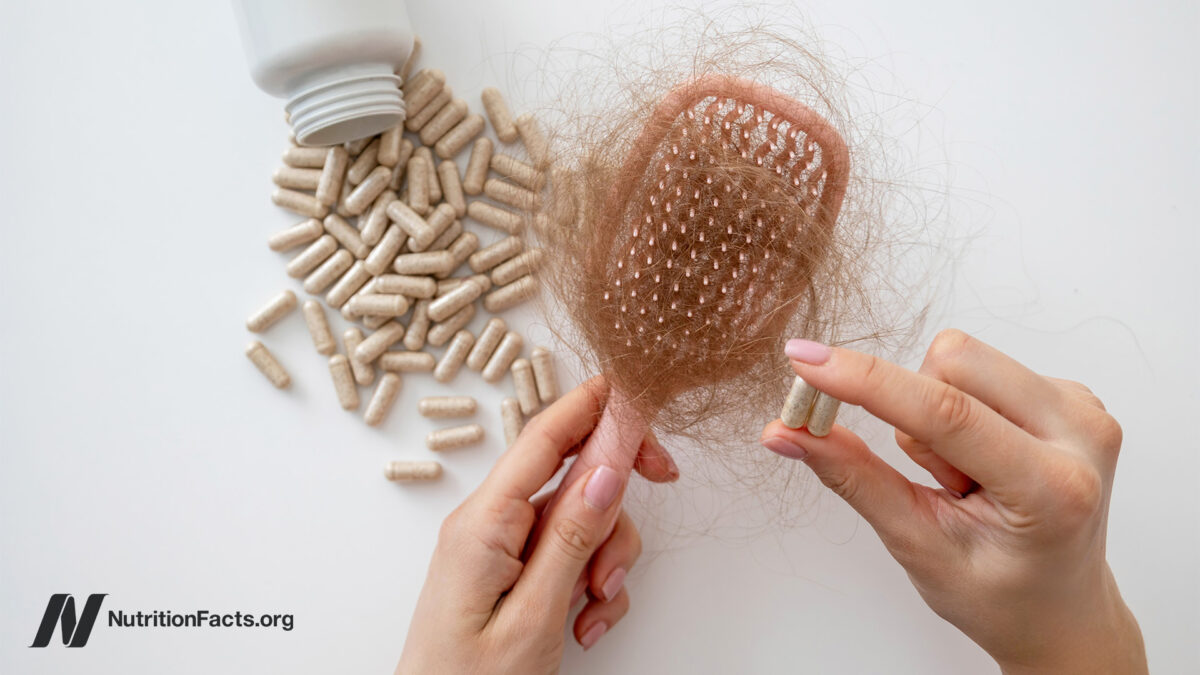
By the time most of us reach our fiftieth birthday, approximately half of all men and women will experience some degree of hair loss. It is a universal human concern that fuels a multi-billion-dollar global industry promising miraculous thickness and miraculous regrowth. Yet, despite the endless shelves of specialized shampoos, topical potions, and heavy-dose vitamins, a chasm remains between marketing hype and biological reality.
Common cultural anxieties often point the finger at daily habits—blaming excessive hair washing or aggressive brushing for thinning tresses. However, dermatological and genetic researchers have long debunked these myths. The vast majority of age-related hair loss is rooted deep within our DNA, heavily influenced by genetics, lifestyle stressors, environmental exposures, and, surprisingly, the hidden nutrient dynamics within our bodies.
Main Facts: Genetics, Environment, and the Root Causes of Hair Loss
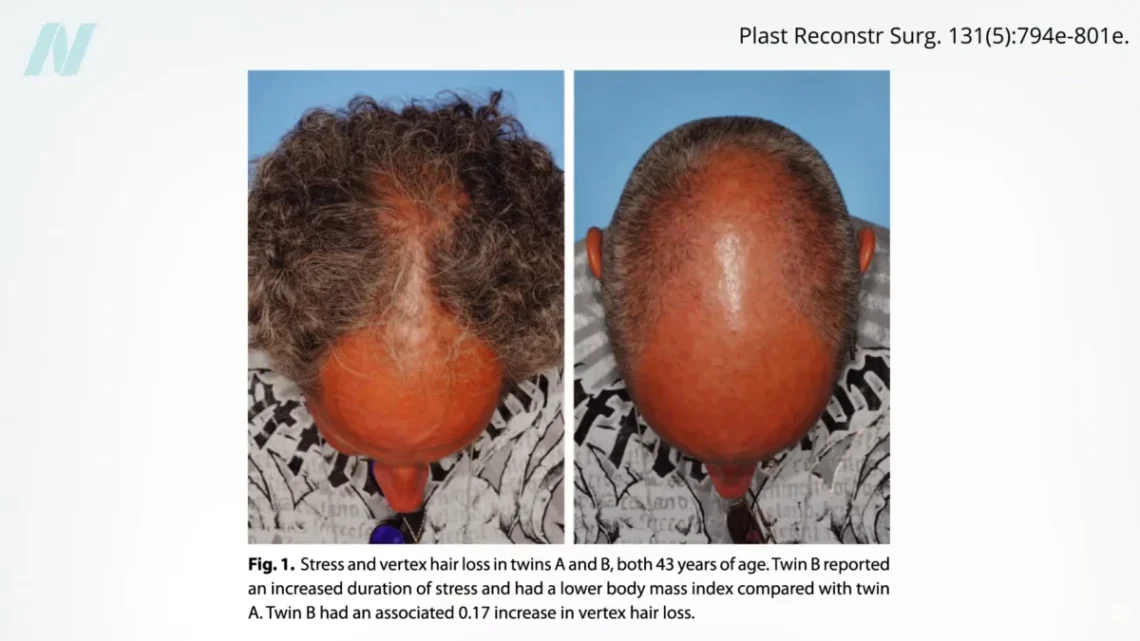
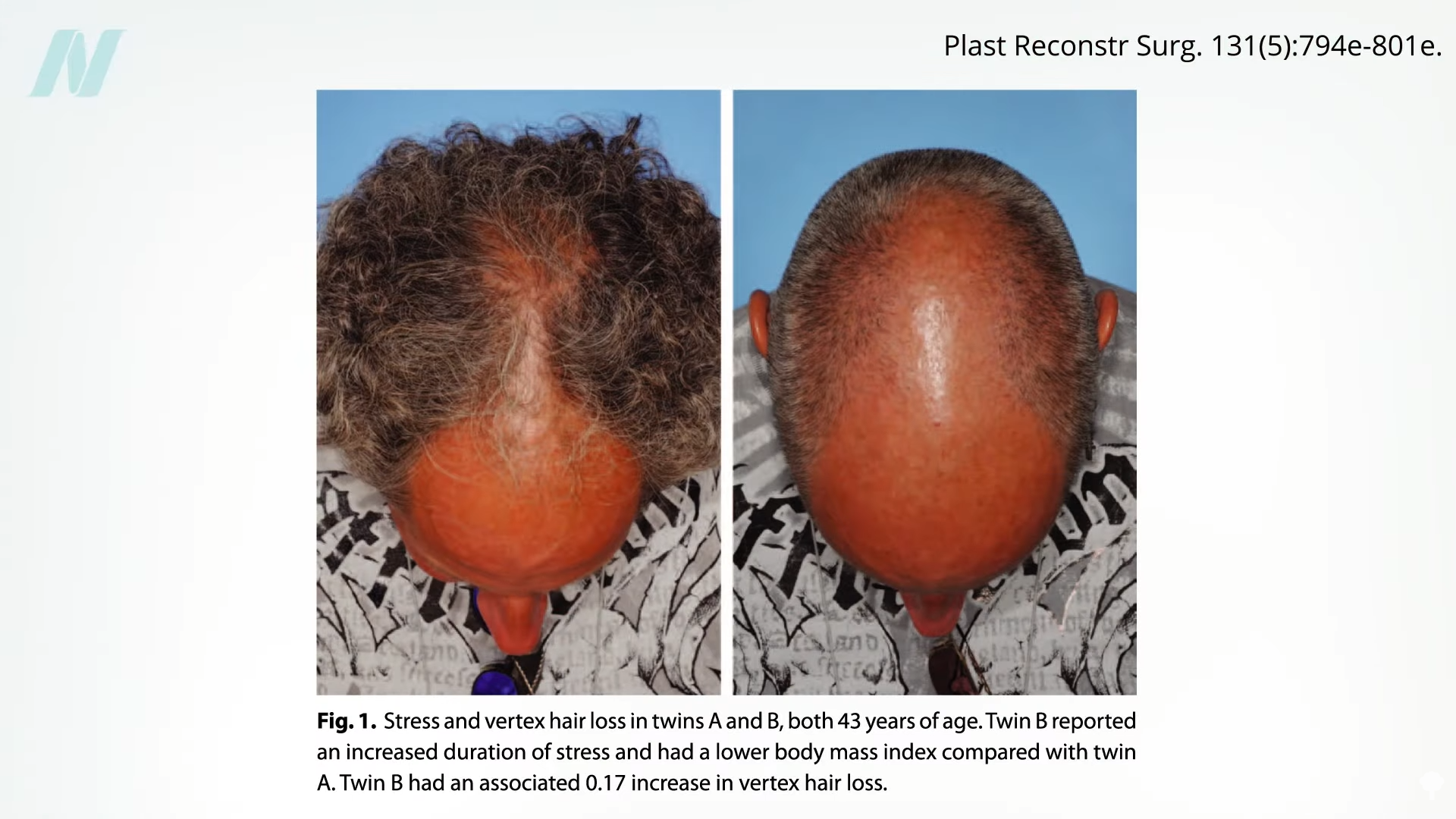
To understand why hair thins, researchers frequently turn to twin studies, which offer a unique laboratory to isolate genetic versus environmental influences. Twin research demonstrates that male pattern baldness has a heritability rate of roughly 79 percent, meaning that nearly 80 percent of the variance in hair loss between men is genetically predetermined.
Yet, genetics does not write an entirely inescapable script. Even among identical twins—individuals who share the exact same genetic code—discrepancies in hair density frequently emerge. One twin may retain a full head of hair while the other experiences significant thinning. Why? Lifestyle factors play a profound role. Heightened chronic stress, cigarette smoking, alcohol consumption, a history of high blood pressure, and even the physiological stress of multiple pregnancies can tip the scales.
The Hidden Danger of Heavy Metals
Beyond lifestyle choices, environmental toxins represent a silent catalyst for follicle damage. Cigarette smoke contains genotoxic compounds that can directly damage the DNA within hair follicles while simultaneously causing microvascular poisoning at the base of the follicle, stunting growth and accelerating pattern baldness.
Other toxic agents, such as mercury, pose a uniquely insidious threat. Mercury has a biochemical affinity for keratin-rich tissues, concentrating up to 250-fold in growing scalp hair. Historical anomalies offer a vivid illustration of this phenomenon: literary historians suggest that William Shakespeare’s famous early hair loss may have been caused by mercury-based treatments used for syphilis in the Renaissance era.
In the modern era, humans no longer ingest medical mercury, but environmental bioaccumulation tells a different story. According to the U.S. Centers for Disease Control and Prevention (CDC), dietary mercury primarily enters the human body through the consumption of contaminated seafood. Clinical case studies underscore this reality: women of reproductive age undergoing medical evaluations for hormone-related hair loss—particularly around menopause—have occasionally discovered that elevated blood mercury levels, stemming from a heavy tuna diet, were the true culprits. When these patients adopt a fish-free diet, heavy metal levels plummet, and hair growth frequently resumes within months.
Chronology: The Evolution of Hair Loss Understanding and Medical Interventions
- Pre-Modern Era: Hair loss is largely viewed through a mystical or purely cosmetic lens, with societies relying on herbal concoctions, animal fats, and primitive washes to restore thinning manes. During the Renaissance, heavy metal poisoning (such as mercury) becomes inadvertently linked to severe hair shedding.
- Late 20th Century: Twin studies emerge as a powerful epidemiological tool, allowing geneticists to quantify the high heritability of androgenetic alopecia, proving that baldness is primarily an inherited trait rather than the result of poor hygiene or over-washing.
- Early 2000s: Researchers identify the specific cellular mechanisms through which environmental toxins, such as cigarette smoke and heavy metals like mercury, compromise microvasculature and damage hair follicle DNA.
- Present Day: The supplement industry explodes, marketing high-dose biotin, zinc, and iron products directly to consumers. Concurrently, medical researchers push back against unregulated wellness trends, highlighting the dangers of supplement-induced lab interference and heavy metal toxicity (such as selenium overdoses).
Supporting Data: Examining the Nutrient Deficiency Myth
Can vitamin and mineral deficiencies cause hair loss? Yes, but typically only under severe clinical conditions. Following bariatric surgery, for instance, hair loss is a frequent symptom, but this is the direct result of anatomical alterations purposefully designed to induce malabsorption.
Outside of severe medical interventions or profound clinical malnutrition, broad scientific evidence suggests that vitamin and mineral supplementation offers zero physiological benefits for hair growth unless the individual is genuinely deficient.
Vitamin C and Scurvy
Centuries of medical observation have confirmed that scurvy—a severe vitamin C deficiency—causes hair loss alongside bleeding gums and joint pain. However, extensive clinical data show no correlation between vitamin C levels and hair loss once an individual reaches baseline sufficiency. Megadosing beyond this threshold provides no added protective or restorative effect for hair follicles.
The Zinc and Iron Fallacy
A pervasive myth suggests that zinc or iron supplements will naturally stimulate hair growth. In reality, unless a patient suffers from a diagnosed zinc deficiency (frequently seen in cases of chronic alcohol abuse), surplus zinc does nothing to improve hair density. In fact, excessive zinc and iron intake can trigger adverse gastrointestinal side effects and metabolic imbalances.
The Biotin Phenomenon
Biotin (vitamin B7) stands undisputed as the most common active ingredient in top-selling over-the-counter hair, skin, and nails supplements. While a rare, severe biotin deficiency can cause hair loss, such deficiencies are virtually nonexistent in healthy individuals eating a normal, varied diet. A deficiency can theoretically be triggered by consuming massive quantities of raw egg whites over long periods, as specific compounds in raw whites bind to biotin and prevent its intestinal absorption. Aside from these extreme anomalies, the widespread belief that popping biotin gummies will accelerate hair growth is an unsupported marketing myth.
Official Responses and Regulatory Warnings
Consumers often adopt a "can’t hurt, might help" attitude toward daily vitamin supplements. When it comes to hair loss products, however, this casual mindset carries genuine medical risks, largely driven by a lack of strict regulatory oversight in the supplement industry.
The Danger of Lab Test Interference
Many commercial dietary supplements marketed for hair health contain staggering doses of biotin—in some cases, up to 650 times the recommended daily dietary intake. When excess biotin floods the bloodstream, it creates havoc in clinical diagnostics.
The U.S. Food and Drug Administration (FDA) has issued formal safety communications warning that high-dose biotin interferes with a wide array of critical laboratory assays. These include:
- Thyroid function tests
- Hormone panels (including pregnancy diagnostics)
- Cardiac biomarker assays used to determine whether a patient is actively suffering a heart attack
The consequences of these skewed diagnostic results can be severe, shifting a routine health screening into a potentially life-or-death misdiagnosis scenario.
Manufacturing Errors and Toxicity Outbreaks
Poor regulatory oversight also opens the door to catastrophic manufacturing errors. Public health literature documents outbreaks where hundreds of consumers suffered severe selenium toxicity because a manufacturing mishap resulted in dietary supplements containing 200 times their labeled dosage. Paradoxically, this massive selenium overdose triggered acute hair loss—the exact opposite of what the consumers were trying to achieve. Similar toxicities and subsequent hair shedding can occur with excessive vitamin A supplementation.
Implications: A Smarter Approach to Hair Health
The reality of hair loss is complex, bridging the undeniable blueprint of our genetics with the subtle impacts of environmental toxins and lifestyle habits. While pharmaceutical treatments and targeted medical interventions exist for specific types of alopecia, the over-the-counter supplement aisle offers more marketing illusion than biological cure.
For individuals experiencing unexplained hair thinning, the medical community advises a pragmatic, evidence-based strategy:
- Look Beyond the Bottle: Recognize that popping high-dose biotin or multivitamin formulations will not override genetic predisposition or reverse stress-related shedding.
- Evaluate Environmental Exposures: Consider lifestyle factors such as smoking, alcohol consumption, chronic stress, and dietary habits—particularly high seafood consumption that might elevate heavy metal levels.
- Consult Healthcare Professionals: Before investing in expensive, unregulated supplements or risking diagnostic interference with lab tests, patients should consult dermatologists or primary care physicians to run proper blood panels, screen for true nutritional deficiencies, and rule out underlying medical conditions.
This article is the first installment in a three-part series exploring hair health. Stay tuned for upcoming features on The Benefits and Risks of Hair Loss Drugs and What Foods Help Hair Growth?.