Main Facts: The Frontier of Nutritional Oncology
For decades, the global war on cancer has been defined by a multi-billion-dollar pharmaceutical industrial complex focused primarily on drug discovery, tumor reduction, and cytotoxic chemotherapy. Yet, a paradigm shift is underway in the medical community. While oncological research continues to pour unprecedented financial resources into novel chemotherapeutic agents, treatment costs skyrocket, and global cancer burdens are projected to surge by roughly 70% over the next two decades.
Critics and researchers alike argue that modern pharmacology is attempting to mop up an overflowing sink without turning off the faucet. Traditional chemotherapy drugs often fail to extend meaningful patient survival, frequently diminish a patient’s overall quality of life, and come with prohibitive financial tolls. More crucially, shrinking a primary tumor offers little consolation if the cancer successfully metastasizes. Tumor metastasis—the catastrophic process by which cancer cells break away from their primary site, invade surrounding tissues, travel through the circulatory or lymphatic systems, and colonize distant organs—accounts for approximately 90% of all cancer-related deaths.
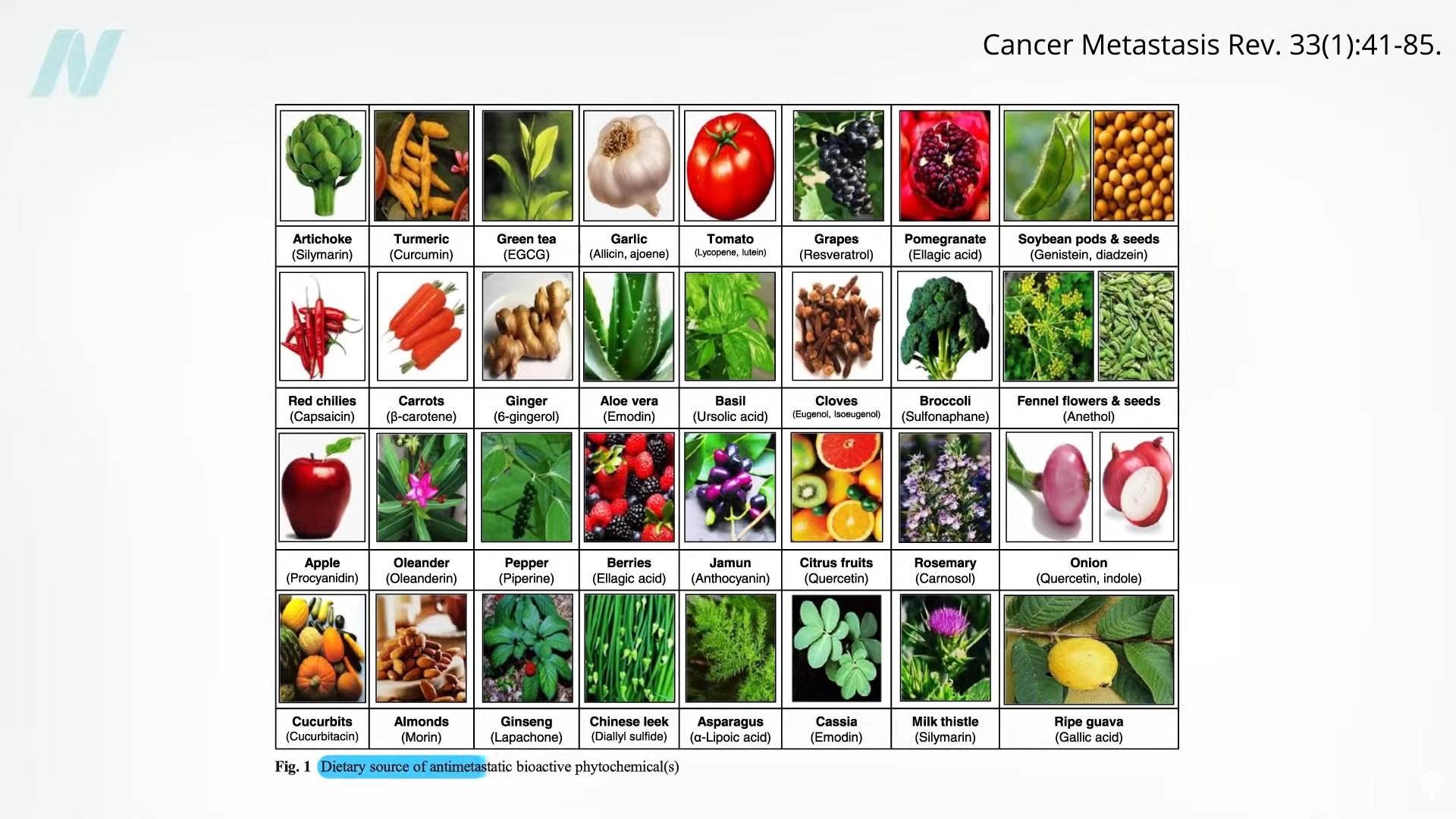
Enter nutritional oncology and the burgeoning science of plant-based bioactive compounds. Overwhelming scientific evidence indicates that whole, unrefined plant foods contain potent phytochemicals capable of intervening in nearly every stage of the carcinogenesis process. Among these, legumes—specifically beans, split peas, chickpeas, and lentils—have emerged as formidable nutritional powerhouses. Recent in vitro and clinical investigations reveal that specific proteins found within legumes can dramatically inhibit matrix metalloproteinases (MMPs), the very enzymes cancer cells deploy like cellular machetes to tunnel through bodily tissues and establish secondary metastatic colonies.
Chronology of Discovery: From Pharmaceutical Failures to Plant-Based Solutions
The journey toward understanding how dietary components can combat cancer metastasis spans decades of laboratory and clinical exploration:

- The Late 20th Century – The Pharmaceutical Quest: Recognizing the critical role of tissue degradation in cancer spread, pharmaceutical companies poured vast sums of money into developing synthetic Matrix Metalloproteinase Inhibitor (MMPI) drugs. While these synthetic compounds yielded remarkable results in animal models, subsequent human clinical trials ground to a halt due to severe, unacceptable toxicity and adverse side effects. The approach was temporarily abandoned as a clinical dead end.
- Early 2000s – The Dietary Shift: As researchers began evaluating the holistic impact of diet on the ten biological hallmarks of cancer, attention shifted toward whole food matrices. Epidemiological observations consistently linked plant-rich diets—low in animal products and high in fruits, vegetables, nuts, seeds, and legumes—with drastically reduced cancer incidence.
- The 2010s – Isolating Bioactive Compounds: Scientists began testing specific plant phytochemicals and proteins against cancer signaling pathways in controlled laboratory settings. Researchers discovered that bioactive compounds derived from plants could successfully interfere with the invasion-metastasis cascade, inspiring a closer look at the protein fractions of common dietary staples.
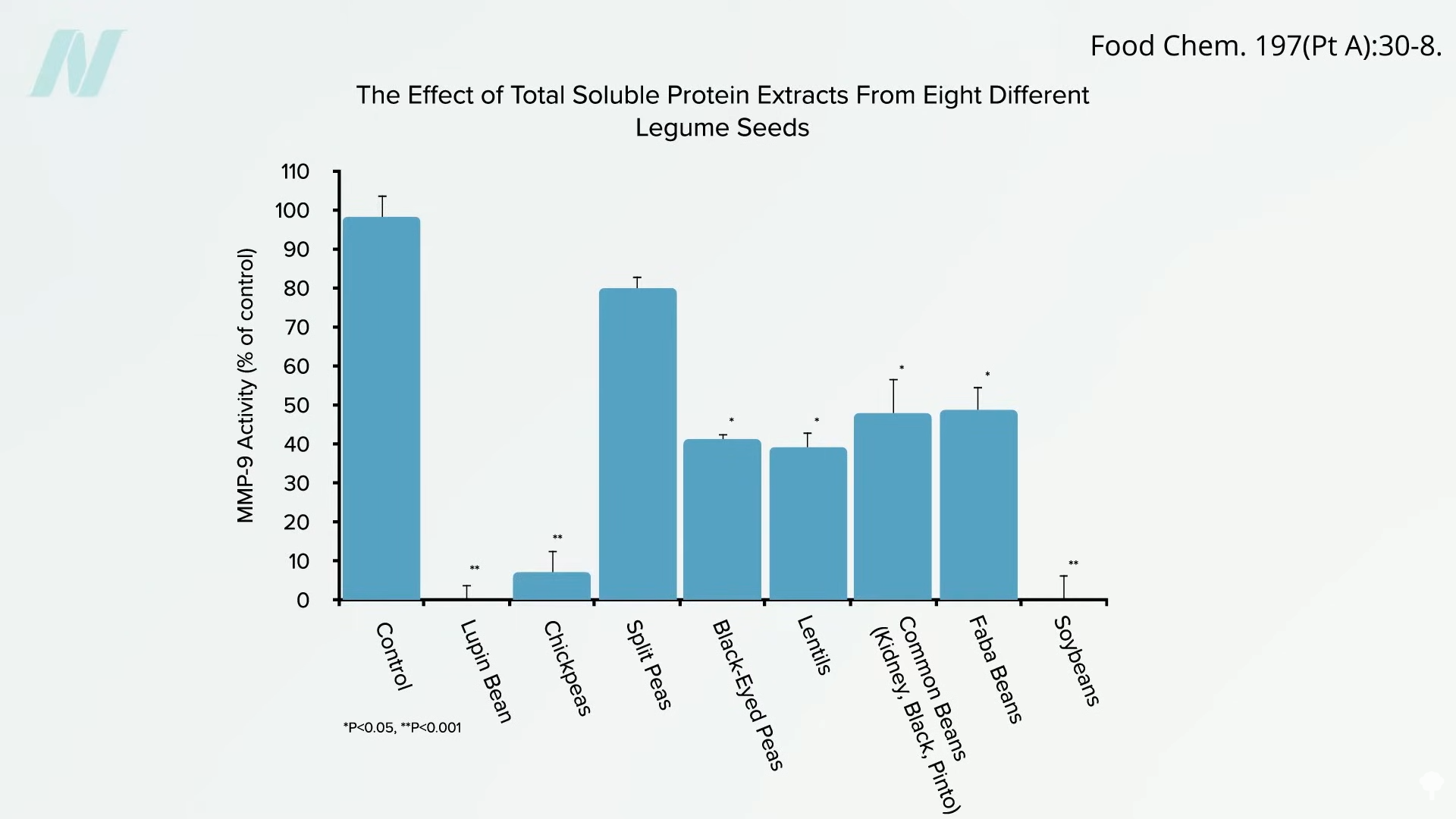
- Recent Years – Legume Comparative Analysis: Nutritional scientists took a microscopic look at the legume family, testing eight distinct varieties—including lupin beans, chickpeas, split peas, black-eyed peas, lentils, common beans (such as black, kidney, and pinto beans), fava beans, and soybeans—to measure their specific capacity to suppress MMP enzyme activity. The results fundamentally redefined how science views the humble bean.
Supporting Data: Which Legumes Outperform the Rest?
To understand the mechanics of legume-based MMP inhibition, one must examine the enzymatic behavior of matrix metalloproteinases. In a healthy biological environment, MMPs play controlled roles in tissue remodeling. However, in malignant states, overactive MMPs degrade the extracellular matrix, clearing a pathway for tumor invasion.
In laboratory assays measuring baseline enzymatic output, uninhibited MMP activity churns away at 100%. When researchers introduced protein extracts from various cooked and raw legumes to colon cancer cells, a clear hierarchy of efficacy emerged:
- Low-Yield Inhibitors: Split peas demonstrated minimal impact on reducing MMP activity in initial trials.
- Moderate Inhibitors: Black-eyed peas, standard lentils, common beans (kidney, black, pinto), and fava beans successfully cut enzyme activity by more than 50%.
- High-Yield Inhibitors: Lupin beans, chickpeas, and soybeans slashed MMP activity by an astonishing more than 90%.
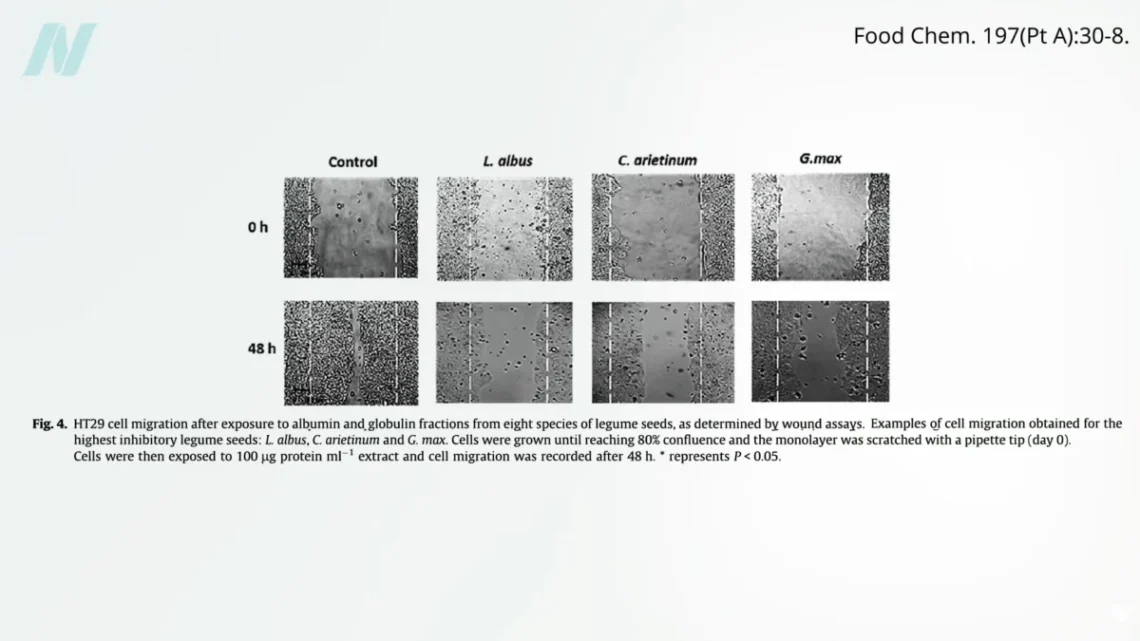
To evaluate whether this biochemical suppression translated into functional deterrence against cancer migration, researchers performed scratch-wound assays. Human colon cancer cells were plated in a petri dish, and a razor blade was used to clear a sterile strip down the middle. Left untreated, the aggressive cancer cells rapidly converged and closed the gap within 48 hours. However, when trace proteins from lupin beans, chickpeas, or soybeans were introduced to the medium, the cancer cells struggled severely to bridge the distance, physically impeded by the botanical compounds.
Crucially, a common critique in nutritional science is that culinary preparation—specifically cooking—might denature and destroy delicate anti-cancer proteins. Follow-up studies addressed this variable directly, confirming that the critical matrix metalloproteinase inhibitors present in key legumes, particularly soybeans and chickpeas, retain their biological activity even after standard cooking processes.
Official Responses and Scientific Perspectives
The medical and nutritional research establishments have increasingly acknowledged the profound systemic benefits of plant-based interventions, though cautious pragmatism remains the standard among oncologists.
Nutritional epidemiologists point out that populations adhering strictly to plant-based diets consistently exhibit significantly lower circulating levels of matrix metalloproteinases. While some researchers attribute this reduction primarily to lower baseline systemic inflammation—drawing a direct parallel to the lower MMP levels observed in non-smokers—the clinical implications remain profoundly positive.
Furthermore, mainstream medical organizations emphasize that while dietary compounds should not currently be marketed as standalone cures for active, late-stage malignancies, their role in primary prevention and secondary risk reduction is undeniable. The American Institute for Cancer Research (AICR) and related bodies continually advocate for diets rich in whole grains, vegetables, fruits, and pulses (legumes) as a cornerstone of lifestyle-based cancer risk mitigation.
Major pharmaceutical entities, meanwhile, continue to evaluate natural product libraries for inspiration, seeking ways to synthesize or safely deliver plant-derived bioactive structures without triggering the severe side effects that doomed early synthetic MMPI medications.
Implications: Broad Health Benefits and Future Directions
The implications of incorporating high-performance legumes into the human diet extend far beyond oncology. Matrix metalloproteinases are not merely biomarkers for malignancy; they are central drivers in a spectrum of chronic, degenerative conditions, including autoimmune disorders and cardiovascular disease.
The machete-like destructive nature of MMPs plays a direct role in vascular pathology. These enzymes can aggressively hack through inflamed, cholesterol-laden atherosclerotic plaques lining diseased arteries, destabilizing them and triggering catastrophic plaque ruptures that lead to heart attacks and strokes. Consequently, the lower systemic MMP levels observed in individuals consuming plant-rich diets help explain why plant-based eaters experience lower rates of cardiovascular disease alongside a significantly reduced risk of colorectal and other systemic cancers.
Colorectal cancer, originating in the mucosal lining of the colon, represents a direct interface where dietary legume proteins physically contact epithelial cells during digestion. While researchers debate the exact systemic bioavailability of these large proteins versus their localized protective effects within the gastrointestinal tract, the epidemiological data remain clear: regular legume consumption is inversely correlated with colorectal cancer risk.
Ultimately, shifting the conversation toward functional nutrition offers a hopeful, cost-effective, and empowering avenue for public health. By understanding that everyday foods like chickpeas, lupin beans, and soybeans contain potent molecular tools capable of disarming the mechanisms of cancer metastasis, individuals can leverage their dietary choices to turn down the faucet of disease long before pharmaceutical intervention becomes necessary.