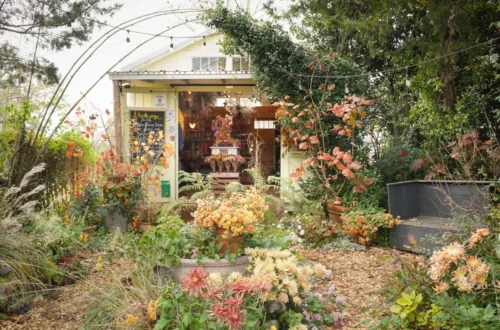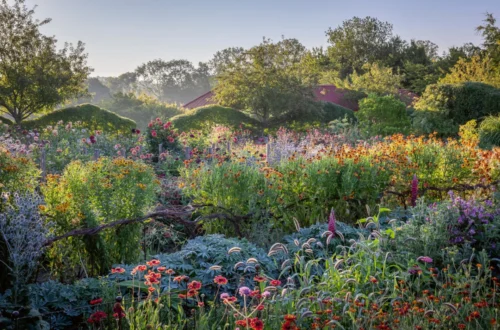
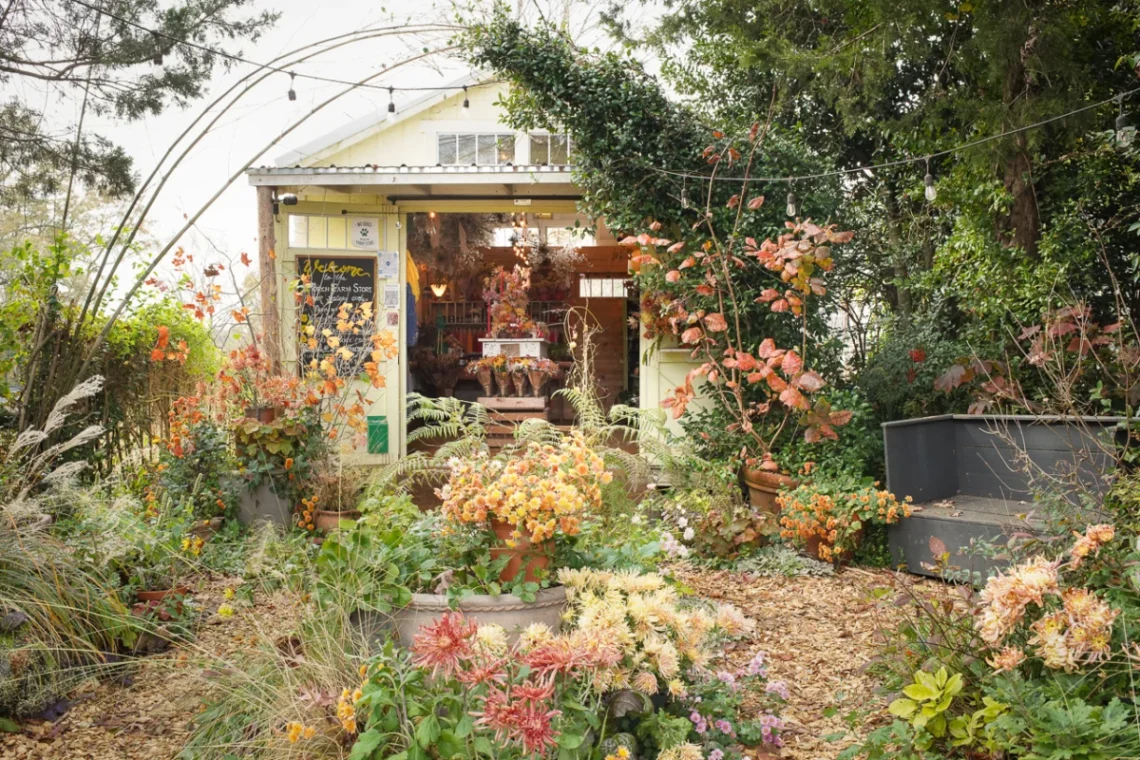
In the rolling landscape of Comer, Georgia, a small-scale agricultural revolution is taking root. 3 Porch Farm, founded by Mandy and Steve O’Shea, has become a beacon for sustainable floriculture. More than just a supplier of heirloom chrysanthemums and vibrant bouquets, the farm stands as a testament to the idea that a business can be both commercially viable and deeply aligned with ethical values.
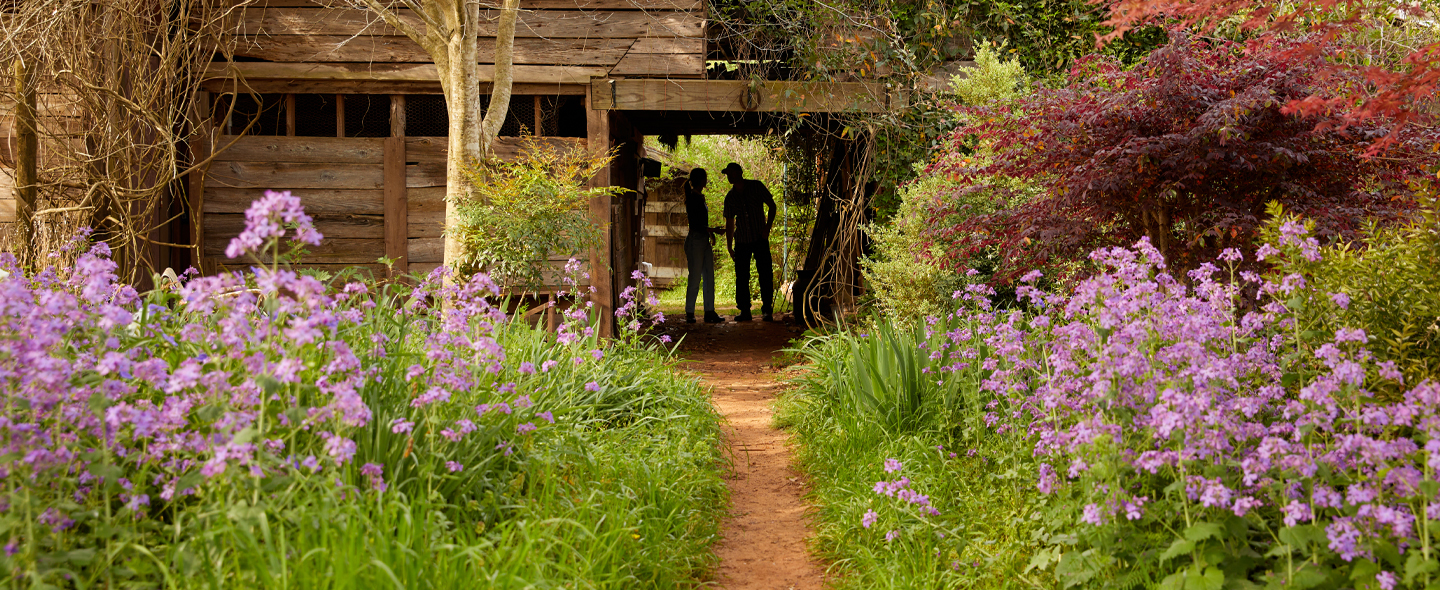
For many in the industry, the O’Sheas represent the "gold standard" of modern farming—a philosophy that prioritizes the health of the soil, the well-being of the staff, and the integrity of the planet above the aggressive growth metrics typical of modern commerce.
The Origins: From Market Stalls to Sustainable Giants
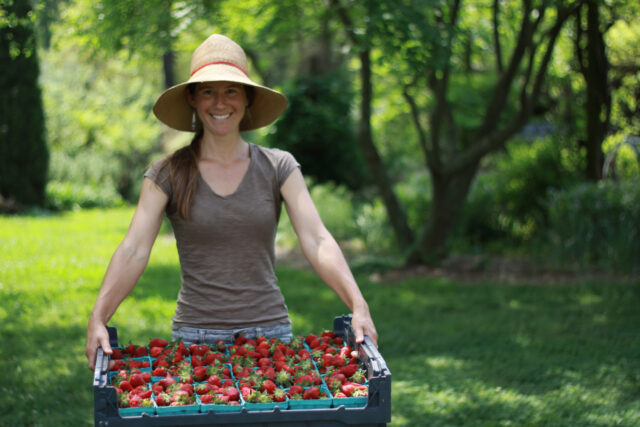
The story of 3 Porch Farm did not begin with the polished, direct-to-consumer shipping model they operate today. Like many fledgling agricultural ventures, the O’Sheas started with a "do-it-all" approach. Their early inventory was an eclectic mix of vegetables, fruits, mushrooms, honey, and preserves.
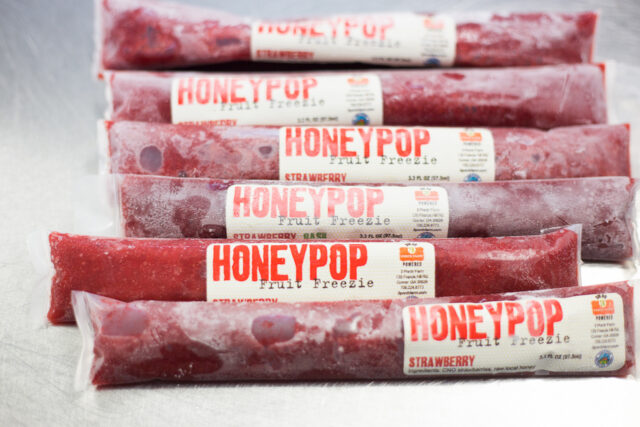
Mandy O’Shea, possessing a keen eye for branding and design, understood early on that in a crowded marketplace, presentation is as vital as quality. By collaborating with professional designers before breaking ground, the farm quickly established a visual identity that set them apart. They found early success with value-added products, becoming local legends for their organic fruit-and-honey popsicles—a hit with local families that proved branding could turn simple farm inputs into a community staple.
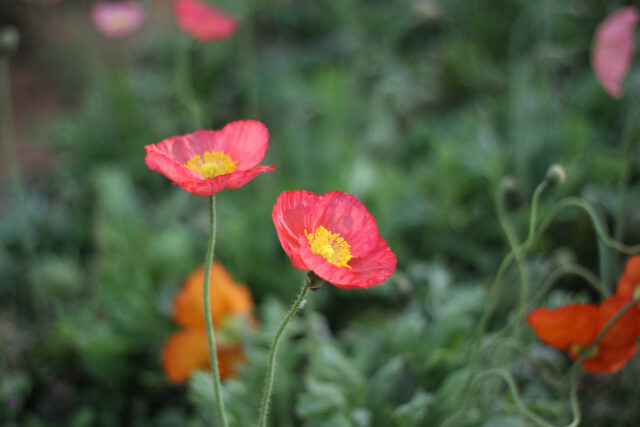
The pivot to an all-flower model was a calculated gamble. At the time, the local market was saturated with cheap, mason-jar bouquets that rarely sold through. The O’Sheas saw an opening for high-quality, specialty blooms that weren’t traditionally available in the South. When they introduced a full booth of dahlias, the local market reaction was transformative. The immediate, enthusiastic response from customers provided the validation they needed to move away from mixed-crop farming and dive headfirst into the world of specialty cut flowers.
Chronology of a Crisis and Reinvention
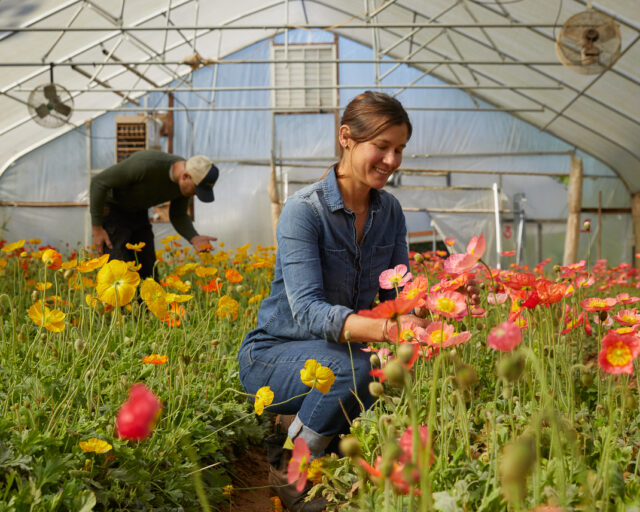
The most significant turning point for the farm came in 2020. As the COVID-19 pandemic shuttered farmers markets and forced a national lockdown, the O’Sheas faced a daunting reality: their primary revenue stream had evaporated overnight. Simultaneously, a family health crisis necessitated Mandy’s full-time attention as a caregiver.
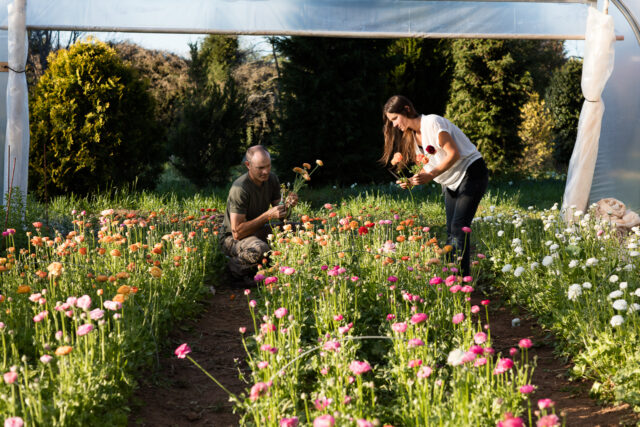
Left with greenhouses full of perishable, high-maintenance blooms and a massive inventory of garden starts for a canceled plant sale, the farm was on the brink. "We were in debt from winter investments, had tunnels absolutely full of flowers, and had no active employees," Steve O’Shea recalls.
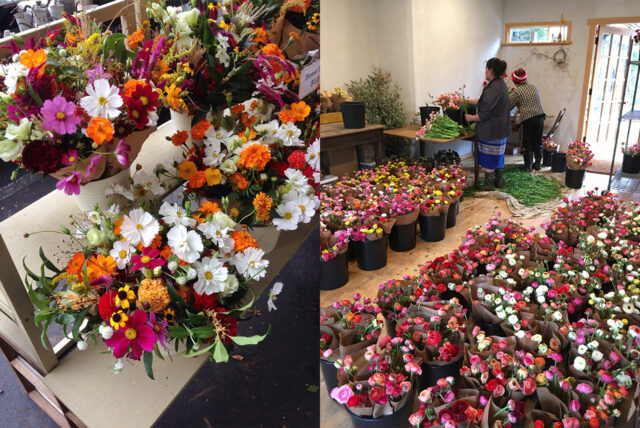
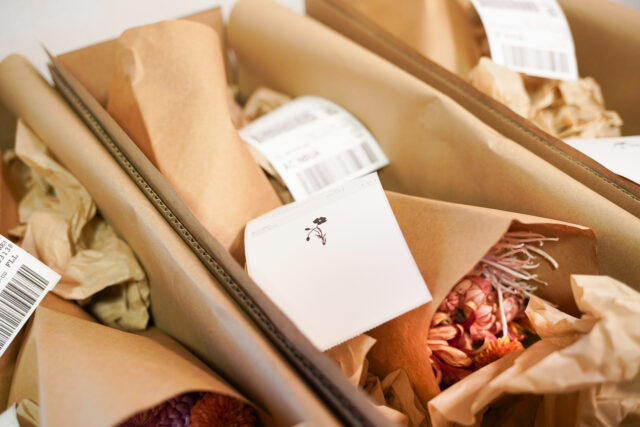
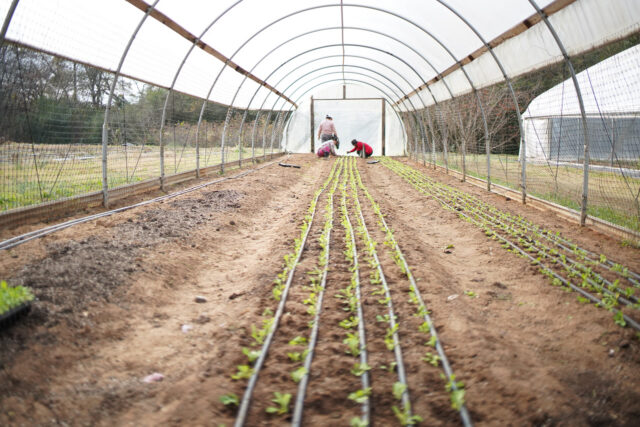
In a moment of "hail Mary" desperation, the couple decided to shift their entire business model to domestic shipping. They transformed their operation from face-to-face market sales to a 100% digital, direct-to-consumer model. By leveraging their existing infrastructure and a newly built website, they began shipping flowers and plants across the country. What started as a survival tactic evolved into a robust, sustainable business model that now serves customers in 47 states.
The Infrastructure of Sustainability
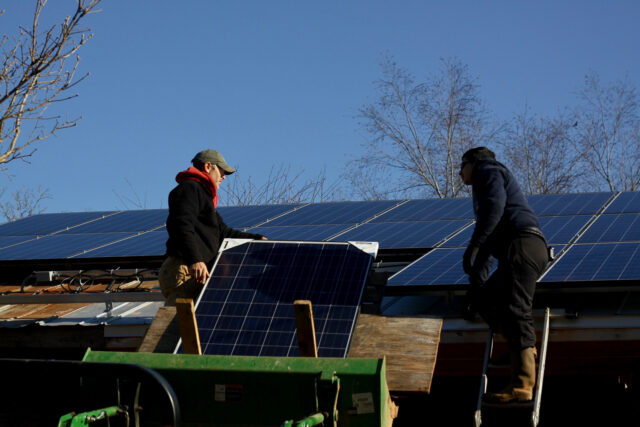
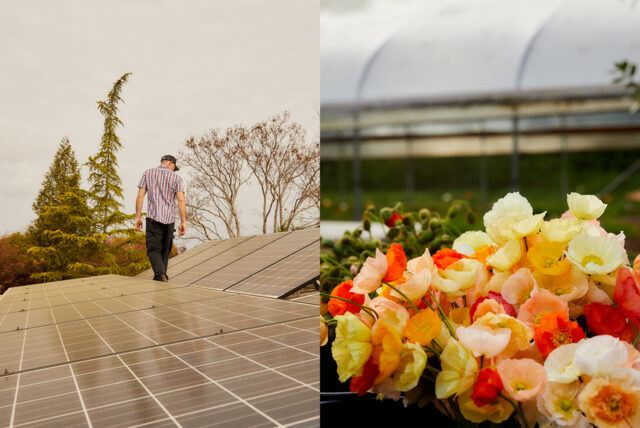
The "3 Porch" philosophy is encapsulated by their mission: Be happy by doing good. This is not merely a slogan; it is baked into their operational DNA. The farm is carbon-neutral and powered by solar energy, with all shipping materials being either compostable or recyclable.
Even their logistics reflect this commitment. In the early days, Steve maintained a fleet of vehicles running on recycled vegetable oil. While they have since transitioned to electric vehicles powered by their own excess solar production, the dedication to minimizing their environmental footprint remains constant.

This commitment extends to their staff. The O’Sheas operate on a model of "radical kindness," viewing their employees as an extended family. "Instructions and guidance need to be clear and meticulous," Steve explains. "A respected, appreciated, and well-informed employee is going to do a lot more for your farm than one who feels exploited."
The "Ms. Marilyn" Legacy: Breeding and Community
One of the most heartening aspects of the farm’s evolution is their recent foray into plant breeding. The development of the "Ms. Marilyn" Chinese forget-me-not is a tribute to Mandy’s late cousin, a woman who served as a matriarchal figure to the couple. By spending five years selecting for a unique lavender-colored mutation found in a batch of seeds, the O’Sheas created a living legacy that is now grown in gardens across the U.S. and the U.K.
This success has inspired the couple to explore further breeding projects. They view the process as a magical collaboration between the farmer, the bees, the rain, and the sun—a slow, deliberate practice that stands in stark contrast to the rapid, tech-heavy industrial farming they observed during a recent industry tour in the Netherlands.
Implications for the Future of Floriculture
The O’Sheas’ recent trip to Holland offered a glimpse into the hyper-mechanized, globalized flower industry. While they were impressed by the scale of the Royal FloraHolland auction houses, the experience ultimately reinforced their desire to remain small.
"It also made us realize even more how special the domestic, small-scale flower farmer phenomenon truly is," Steve notes. "We love being a small business. We love being one of many. There’s strength in that. Collective resilience."
Their shift away from farmers markets has had an unexpected positive impact on the local agricultural ecosystem. By vacating the local market space, they inadvertently created a vacuum that allowed other local, small-scale vegetable farmers to expand into flowers. This has bolstered the local economy while allowing the O’Sheas to focus on competing against the global, carbon-intensive flower industry rather than their local peers.
Wisdom for the Next Generation
For growers looking to follow in their footsteps, Steve O’Shea offers a sobering but empowering perspective: "Trying to build a successful small farm from scratch is a massive undertaking. You almost need an unrealistic belief in your ability to be successful… because a realistic understanding of the challenges would be enough to prevent most people from ever trying."
His advice for those feeling the urge to pivot is rooted in self-awareness. He advocates for a seasonal "recalibration" of both personal and business goals. "Blindly running in the same direction without stopping to breathe and reevaluate where you’re going and why you are going there won’t give the results you’re hoping for."
As 3 Porch Farm moves into its next chapter, the O’Sheas are focusing on slowing down. After years of 90-hour weeks, they are intentionally choosing to "ease back on the throttle." Their journey remains a profound reminder that while farming is inherently a pursuit of production, the most successful farms are those that cultivate not just crops, but also humanity, balance, and a clear, unwavering purpose.