By Penelope Bass | July 01, 2026
Root beer occupies a singular, nostalgic place in the American cultural consciousness. It is the flavor of childhood summers, roadside diners, and the quintessential ice-cream float. Yet, beneath its frothy, carbonated surface lies a complex history deeply rooted in indigenous tradition and a modern renaissance driven by craft beverage artisans. As we look toward the height of summer, the category is seeing a resurgence, proving that this age-old tonic is far from a relic of the past.
The Roots of the Beverage: A Historical Perspective
The story of root beer is not one of a single invention, but rather an evolution of medicinal and culinary traditions. Long before it was bottled and sold on supermarket shelves, indigenous peoples of North America—most notably the Choctaw and Cherokee—utilized the native sassafras plant to create infused, health-promoting decoctions. These botanical preparations were valued for their aromatic qualities and perceived restorative properties.
The transition from a medicinal tea to the sweetened, carbonated beverage we recognize today occurred during the late 19th century. As the industrial revolution transformed American foodways, local pharmacists began experimenting with carbonation, adding complex blends of sarsaparilla, sassafras, wintergreen, licorice, and vanilla to create proprietary "root beers."
A Chronology of the Root Beer Evolution
- Pre-1800s: Indigenous tribes in North America utilize sassafras roots and bark for medicinal teas and beverages.
- 1870s: Charles Hires introduces "Hires Root Beer" to the public, famously marketing it at the Philadelphia Centennial Exhibition.
- 1891: Pharmacist William Boylan begins selling his own medicinal birch serum in New Jersey, laying the foundation for what would become the Boylan Bottling Co.
- Mid-20th Century: The flavor profile shifts as the FDA bans safrole (a compound in sassafras) due to health concerns, leading manufacturers to adopt artificial or alternative natural flavorings.
- 2001: Maine Root is founded in Portland, signaling the start of a "craft soda" movement that prioritizes fair-trade ingredients and artisanal production.
- 2020s–Present: A surge in premium, small-batch, and "nitro" root beers pushes the category into the culinary mainstream, often appearing on high-end restaurant menus alongside craft cocktails.
Defining the Modern Craft Standard
Today’s craft market is characterized by a departure from the high-fructose corn syrup-laden sodas of the late 20th century. Modern makers are returning to the roots of the craft—quite literally—by emphasizing organic cane sugar, raw honey, and high-quality botanical extracts.
Maine Root: The Fair-Trade Trailblazer
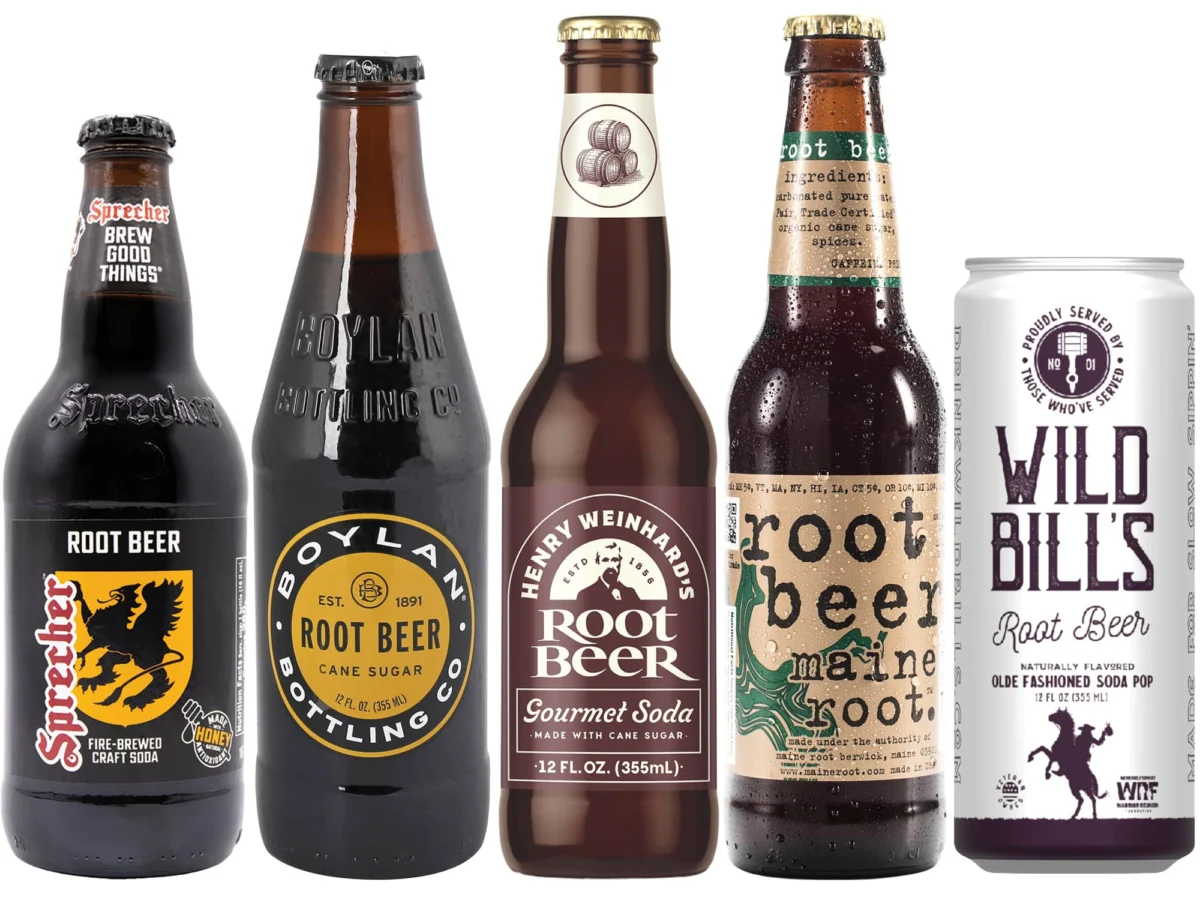
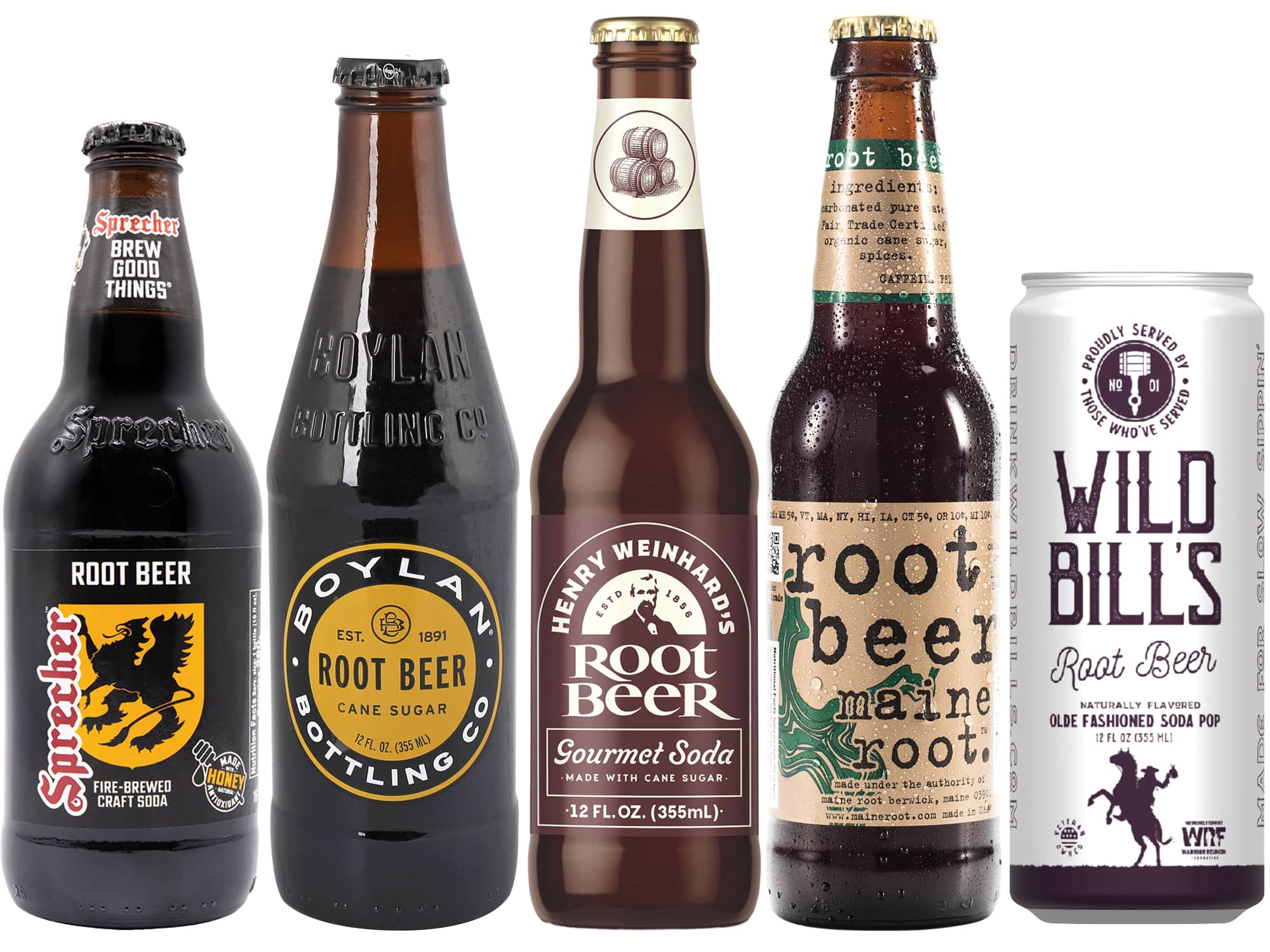
When Matt Seiler launched Maine Root in 2001, his primary goal was to provide his friend’s Portland, Maine, pizza restaurant with a soda that actually tasted like the real thing. By utilizing fair-trade organic cane sugar, Maine Root elevated the base expectations for the industry. Their signature root beer is a masterclass in balance, utilizing a spice-forward profile dominated by clove, anise, and wintergreen, resulting in a finish that is neither cloying nor medicinal.
Boylan Bottling Co.: Honoring the Pharmacist’s Legacy
With a lineage stretching back to 1891, the Boylan Bottling Co. represents the bridge between the old-world apothecary tradition and modern bottling excellence. Their root beer is intentionally formulated to evoke a sense of history. By balancing sweet birch and cinnamon with a hint of vanilla, Boylan creates a soda that leans into the creamier side of the flavor spectrum, often drawing comparisons to bubblegum and butterscotch. It remains the gold standard for those seeking to construct the perfect root beer float.
Sprecher: The Brewery Approach
Based in Milwaukee, Sprecher Brewing Co. approaches soda with the mindset of a craft brewery. They employ fire-heated kettles to caramelize the sugars found in the honey they use as a sweetener, a process that imparts a distinct depth of flavor. The resulting beverage is earthy and complex, with a honey-forward sweetness that is punctuated by sharp, prominent notes of licorice.
Supporting Data: Why the Craft Soda Market is Booming
The demand for premium, non-alcoholic beverages is at an all-time high. Market analysis suggests that consumers are increasingly seeking "sophisticated" alternatives to alcohol. Root beer, with its complex botanical profile, serves as a perfect candidate for the "sober-curious" movement.
- Ingredient Transparency: Modern consumers are 65% more likely to purchase a beverage that explicitly labels the origin of its sweeteners (e.g., cane sugar vs. high-fructose corn syrup).
- The Float Factor: Culinary data shows that interest in "dessert-as-an-experience" has spiked, with artisanal root beer floats becoming a staple feature on menus in urban centers like Brooklyn, Portland, and Austin.
- Small-Batch Distribution: The rise of e-commerce platforms like Louisiana Pantry and direct-to-consumer models has allowed brands like Wild Bill’s to reach a national audience, bypassing traditional retail gatekeepers.
Official Industry Responses and Innovations
Industry experts note that the "root beer" category is currently experiencing a metamorphosis. Manufacturers are no longer content with a "one size fits all" flavor profile.
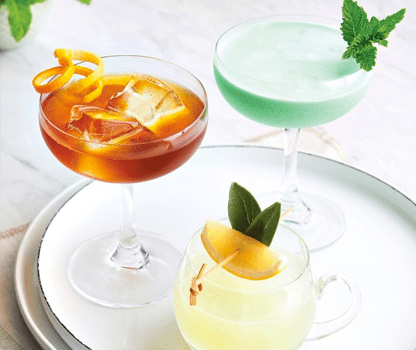
"The challenge," says one industry consultant, "is balancing the nostalgia of the 1950s with the palate of the 2020s." This has led to the rise of "nitro" root beers—where nitrogen gas replaces some of the carbon dioxide, creating a silky, velvety mouthfeel that mimics a stout beer.
Furthermore, companies like Wild Bill’s Craft Beverage Co. are experimenting with the boundaries of the category. Their root beer, which incorporates juniper and vanilla, highlights a shift toward "botanical forward" sodas. By opening with a bright, citric kick and finishing with a crisp, dry profile, Wild Bill’s proves that root beer can be as refreshing as a tonic water or a high-end ginger beer.
Implications: The Future of the "Cold One"
The implications of this craft resurgence are clear: root beer is shedding its image as a cheap, sugary treat and re-establishing itself as a legitimate artisanal beverage.
For the average consumer, this means the cooler at your next summer gathering can be filled with options that pair as well with a backyard barbecue as they do with a sophisticated dessert. Whether it is the historic, bubblegum-scented legacy of Henry Weinhard’s—a brand that successfully pivoted from brewing to soda during the Prohibition era—or the honey-infused complexities of a Sprecher draft, the options today are more varied and higher in quality than at any point in the last century.
As we move deeper into the 2026 summer season, the focus remains on craftsmanship, ingredient integrity, and the enduring power of a drink that captures the spirit of the American landscape. It is not just about nostalgia; it is about the evolution of a flavor that defines a continent.
A Note on Selection
- Maine Root: Ideal for those who prefer a bold, spicy, and deeply aromatic profile. [$45.99/12-pack]
- Boylan Bottling Co.: The ultimate choice for dessert pairings and classic floats. [$41.75/12-pack]
- Sprecher: Best for those who appreciate the nuances of honey and fire-brewed techniques. [$38.99/12-pack]
- Wild Bill’s: Recommended for those seeking a crisp, modern take with a botanical finish. [$33/12-pack]
- Henry Weinhard’s: A classic, hard-to-find gem for the true aficionado. [Check local distributors]